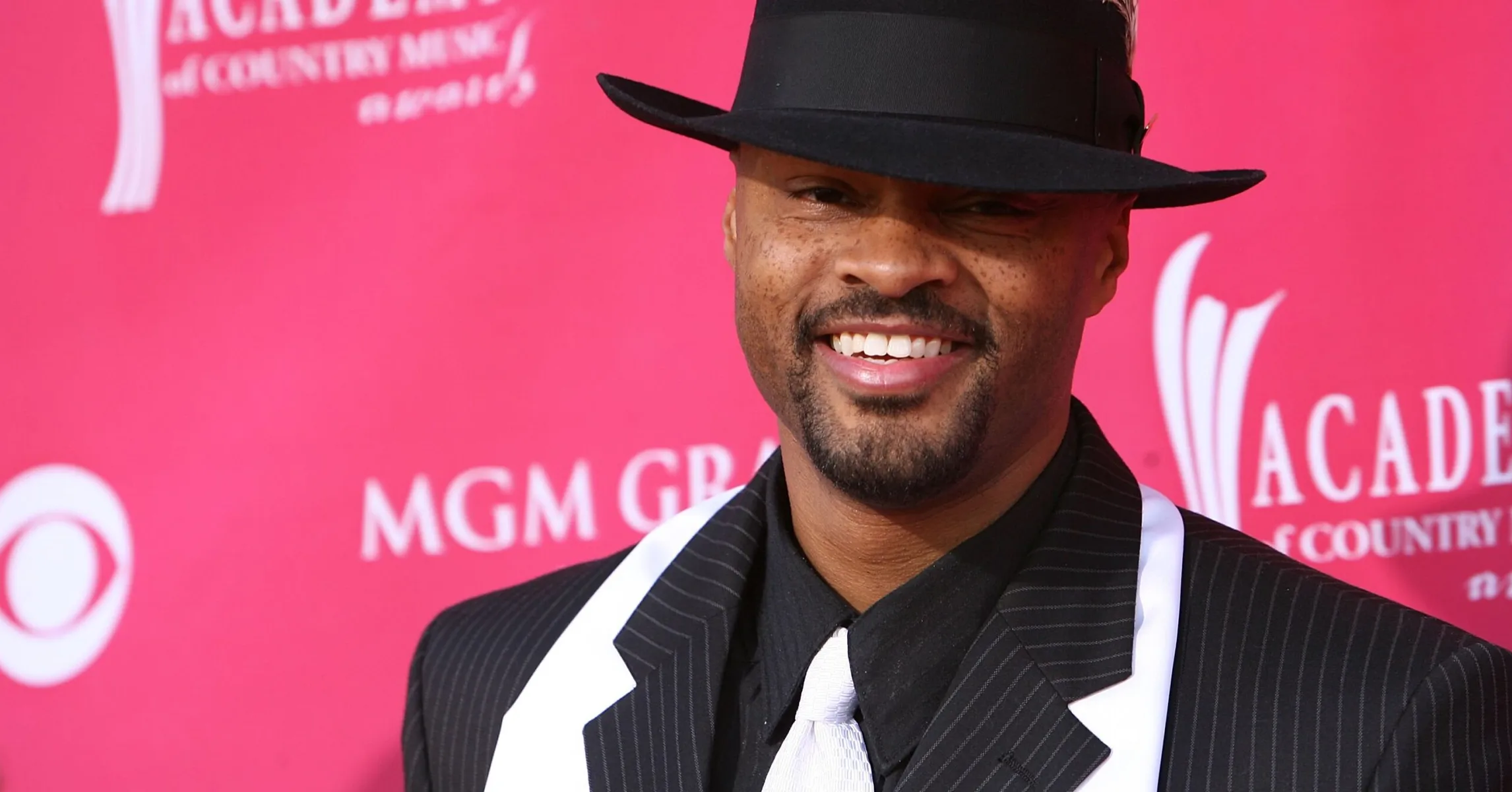
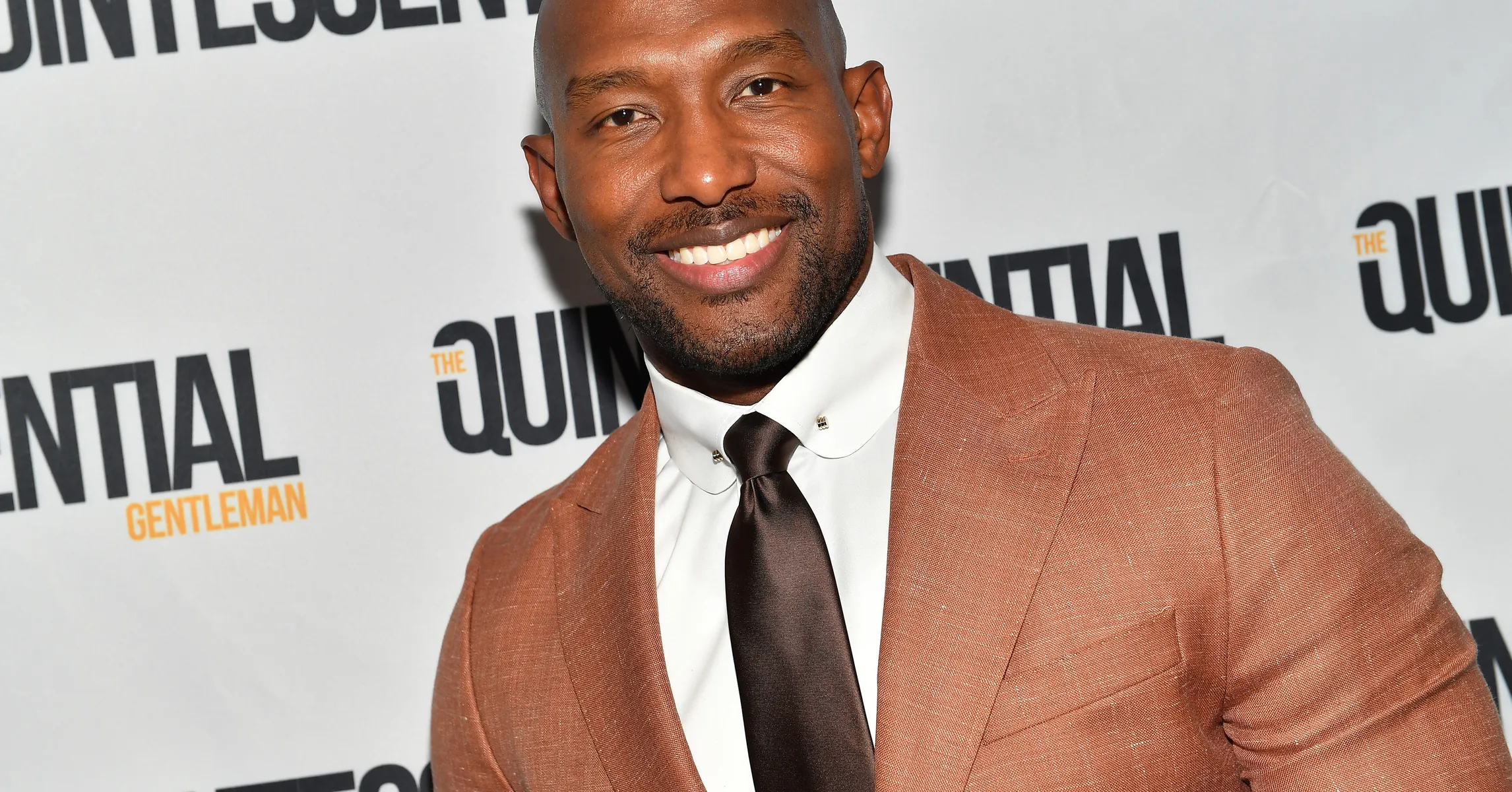
Ali, a founding member of the legendary St. Louis hip-hop group St. Lunatics, has an estimated net worth between $1 million and $3 million as of 2026. His wealth stems from platinum record sales, solo studio projects, music publishing royalties, executive roles at Derrty Entertainment, and ongoing legacy catalog streams.
Who Is Ali from the St. Lunatics?
Alron Smith, professionally known as Ali (or Ali Jones), gained national prominence in the late 1990s and early 2000s as a core songwriter, performer, and co-founder of the St. Lunatics. Formed in St. Louis, Missouri, in 1993, the group comprised Nelly, Ali, Murphy Lee, Kyjuan, and City Spud. Together, they put St. Louis on the global hip-hop map, establishing a distinct Midwestern sound characterized by melodic hooks, local slang, and rhythmic cadences.
Before achieving major-label success, Ali was instrumental in building the group's regional grassroots movement. The St. Lunatics scored their first regional hit with the 1997 self-released single "Gimme What Ya Got," which sold thousands of copies independently across Missouri and surrounding states. This success proved the commercial viability of St. Louis hip-hop, eventually leading to major record label deals and corporate partnerships.
Beyond his performance credentials within the ensemble, Ali established himself as a solo recording artist and music executive. He served as the president of Derrty Entertainment, the record label co-founded alongside Nelly. His debut solo album, Heavy Starch, released under Universal Records in 2002, debuted in the top ten of the Billboard 200 chart, solidifying his individual brand in the music industry.
Estimating Ali’s Net Worth: Current Financial Overview
Financial evaluations of veteran recording artists require examining physical album sales, digital streams, publishing catalog ownership, live performance history, and secondary business investments. While private tax filings remain non-public, music industry data and public financial disclosures place Ali’s estimated net worth between $1 million and $3 million.
Ali’s financial peak began during the commercial boom of early 2000s hip-hop. The St. Lunatics' debut collective album, Free City (2001), achieved Platinum certification by the Recording Industry Association of America (RIAA), selling over one million units in the United States alone. As both a featured artist and credited songwriter across multiple tracks, Ali earned substantial mechanical royalties and performance rights payouts.
Estimated Net Worth Range: $1.0 Million – $3.0 Million Primary Wealth Drivers: Group Album Sales, Solo Projects, Music Publishing, Label Management Peak Commercial Era: 2000 – 2006
In subsequent years, Ali maintained his financial stability through backend publishing catalog royalties, production contributions, and corporate label roles. While contemporary streaming services generate lower per-stream revenue compared to historical CD sales, legacy midwestern rap catalogs continue to yield consistent residual income from active listener bases and sync licensing placements in television and film.
Key Revenue Streams Behind Ali’s Wealth
An artist's long-term net worth depends on diversifying earnings across multiple sectors of the entertainment ecosystem. Ali’s financial foundation rests on four main income pillars:
1. Group Discography and Performance Royalties
As a core writer and vocal contributor to the St. Lunatics, Ali participated in the revenues generated by Free City (2001) and the group's compilation project Who's the Boss (2006). Songs like "Midwest Swing" and "Breathe In, Breathe Out" achieved major radio rotation, yielding steady royalty checks from performance rights organizations (PROs) such as ASCAP and BMI whenever tracks were broadcast publicly.
2. Solo Recording Projects
Ali leveraged the collective's national stardom to launch his solo career. His 2002 release, Heavy Starch, featured guest appearances from high-profile artists including Nelly, Murphy Lee, and Kyjuan. Supported by singles like "Breathe In, Breathe Out" (featuring St. Lunatics), the album achieved RIAA Gold status, generating direct artist royalties, advance recoupments, and merchandise income.
3. Executive Roles and Label Management
Serving as President of Derrty Entertainment provided Ali with revenue beyond master recording royalties. Executive roles in record labels often include management fees, a percentage of overall label profits, and talent discovery bonuses. Through Derrty Entertainment's joint distribution deals with major conglomerates like Universal Music Group, executive officers participated in the broader commercial success of the label's roster.
4. Live Shows, Touring, and Appearance Fees
For over two decades, Ali performed in domestic and international concert tours alongside the St. Lunatics and as a solo act. Festival appearances, nostalgic turn-of-the-century showcase tours, and club hosting gigs provide immediate liquidity and high-margin performance payouts that supplement passive royalty streams.
Comparative Overview: St. Lunatics Career Milestones
To contextualize Ali's financial trajectory within the group, the following table summarizes the primary commercial releases, certifications, and operational roles associated with key St. Lunatics projects.
| Project Title | Release Year | Primary Role / Contribution | Commercial Certification | Key Royalty Drivers |
|---|---|---|---|---|
| "Gimme What Ya Got" | 1997 | Co-Writer, Featured Vocalist | Regional Independent Hit | Physical Single Sales, Regional Radio |
| "Country Grammar" (Album) | 2000 | Uncredited/Credited Songwriter | RIAA Diamond (10x Platinum) | Dispute Subject / Performance Rights |
| "Free City" | 2001 | Group Member, Lead Writer | RIAA Platinum | Global Album Sales, Sync Licensing |
| "Heavy Starch" | 2002 | Primary Solo Artist | RIAA Gold | Master Royalties, Tour Revenue |
| "Who's the Boss" | 2006 | Group Member, Co-Executive | Independent Distribution | Catalog Streaming, Digital Downloads |
Royalties, Copyright Disputes, and Catalog Ownership
Music publishing and copyright ownership represent the most critical factors determining long-term artist net worth. In recent years, public discussions regarding the financial earnings of the St. Lunatics have gained renewed viral attention due to high-profile legal actions concerning credit and royalty allocations.
In 2024, members of the St. Lunatics—including Ali, Murphy Lee, and Kyjuan—filed a federal copyright infringement lawsuit against Nelly. The lawsuit centered on writing credits and publishing royalties for Nelly's landmark 2000 debut album, Country Grammar, which has sold over 10 million copies worldwide and earned RIAA Diamond certification.
Copyright Lawsuit Core Claim: - Uncredited songwriting contributions on multi-platinum tracks. - Alleged breach of publishing agreements and financial misrepresentation. - Demand for financial accounting and back-pay royalties.
The dispute highlights how intellectual property management directly impacts an artist's net worth decades after an album's initial release. Songwriters receive mechanical royalties whenever music is produced or streamed, alongside performance royalties when music is broadcast. If an artist contributes to song creation without receiving formal writer credit, they are excluded from publishing revenues that generate millions of dollars over time. The ultimate financial resolution or settlement of such disputes can materially alter an artist's lifetime net worth evaluation.
How Streaming and Legacy Music Impact Rapper Valuations
The transition from physical media (CDs and vinyl) to digital streaming platforms (DSP) altered the financial models for legacy hip-hop artists who debuted in the late 1990s. Understanding these macro-economic shifts clarifies how legacy catalog values are calculated in 2026.
- Per-Stream Royalty Rate Structures: Contemporary streaming services pay fractions of a cent per stream (typically between $0.003 and $0.005). For veteran groups, maintaining high monthly active listeners on platforms like Spotify and Apple Music is required to generate substantial passive revenue.
- Catalog Acquisition Valuations: Private equity firms and music publishing conglomerates frequently acquire legacy music catalogs. Catalogs from the 2000s hip-hop era are typically valued at multiples between 10x and 18x average annual net publishing royalties.
- Sync Licensing Opportunities: Classic hip-hop tracks increasingly appear in video games, Hollywood film soundtracks, national advertising campaigns, and streaming series. A single high-profile commercial sync placement can net legacy songwriters tens of thousands of dollars upfront.
Because Ali retains rights in various writing and performance catalogs from the early 2000s, his underlying assets continue to generate predictable yearly yields, even during periods without active solo tour cycles.
Critical Factors When Evaluating Rapper Net Worth Claims
Online net worth figures for media personalities and musicians often vary wildly across financial blogs. When analyzing public estimates regarding figures like Ali, several analytical considerations must be applied:
- Gross Income vs. Net Wealth: Reported earnings from album sales and tours do not account for management fees, legal retainers, agency commissions, venue overhead, and taxes, which can reduce gross income by 40% to 50%.
- Private Asset Confidentiality: Real estate holdings, private business equity, vehicle fleets, and personal investment portfolios are rarely public record unless disclosed in SEC filings or court proceedings.
- Contractual Royalty Splits: Record contracts from the late 1990s often included unrecouped recording advances and low royalty royalty splits (12% to 18% of gross master earnings), limiting the direct cash flow received by artists despite high record sales.
Consequently, financial assessments should be viewed as estimated ranges based on verified RIAA sales data, published touring metrics, and established industry standard royalty calculations rather than audited personal balance sheets.
Frequently Asked Questions
What is Ali from St. Lunatics' estimated net worth?
Ali’s estimated net worth ranges between $1 million and $3 million as of 2026. This financial valuation is derived from his music discography, solo album sales, executive business earnings, and historical royalty rights.
Is Ali still performing with the St. Lunatics?
The St. Lunatics have experienced periods of inactivity and public legal disagreements regarding music ownership. While they occasionally unite for legacy hip-hop honors or St. Louis community events, active group touring has been limited due to ongoing legal disputes.
What was Ali’s highest-charting solo project?
Ali's debut solo studio album, Heavy Starch, released in 2002, was his most commercially successful solo release. It debuted in the top ten of the Billboard 200 chart and earned RIAA Gold certification.
Why did the St. Lunatics file a lawsuit over Country Grammar?
St. Lunatics members filed a lawsuit claiming they contributed songwriting and melody structures to Nelly’s 2000 album Country Grammar without receiving proper co-writing credit or their full share of music publishing royalties.
Key Actions for Tracking Music Industry Royalties and Assets
For artists, music historians, and entertainment analysts seeking to evaluate catalog earnings and intellectual property values, standard legal and financial tracking procedures include:
- Searching Copyright Registrations: Verify official song ownership, songwriter allocations, and publication dates through the public catalog maintained by the U.S. Copyright Office.
- Reviewing Performing Rights Databases: Query public databases maintained by ASCAP and BMI to confirm writer and publisher royalty split registrations for specific compositions.
- Checking Industry Certification Records: Cross-reference commercial sales milestones and physical/digital distribution units via the RIAA Gold & Platinum Database.
- Monitoring Federal Court Dockets: Track progress and financial disclosures in public intellectual property litigation via the PACER System.