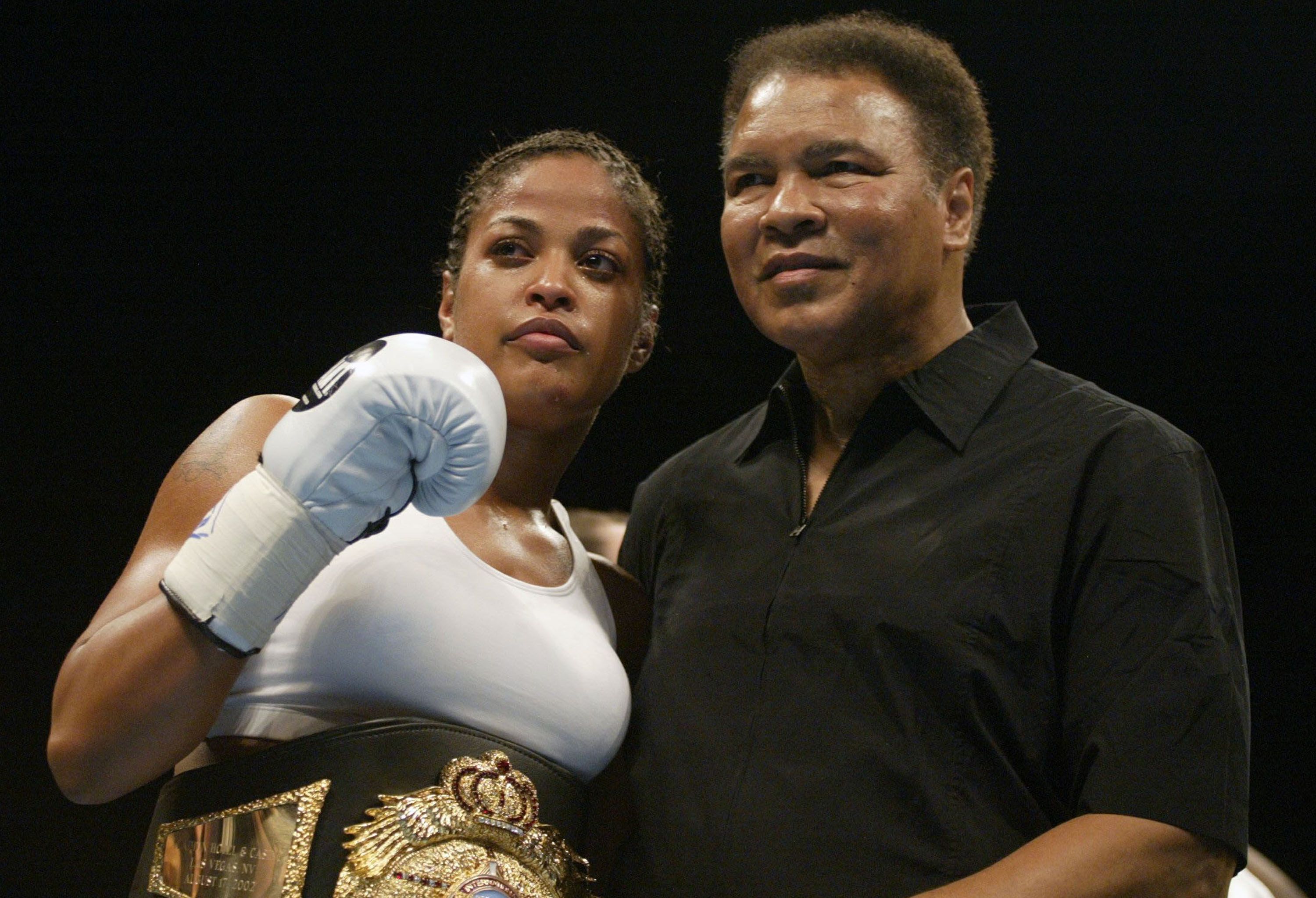
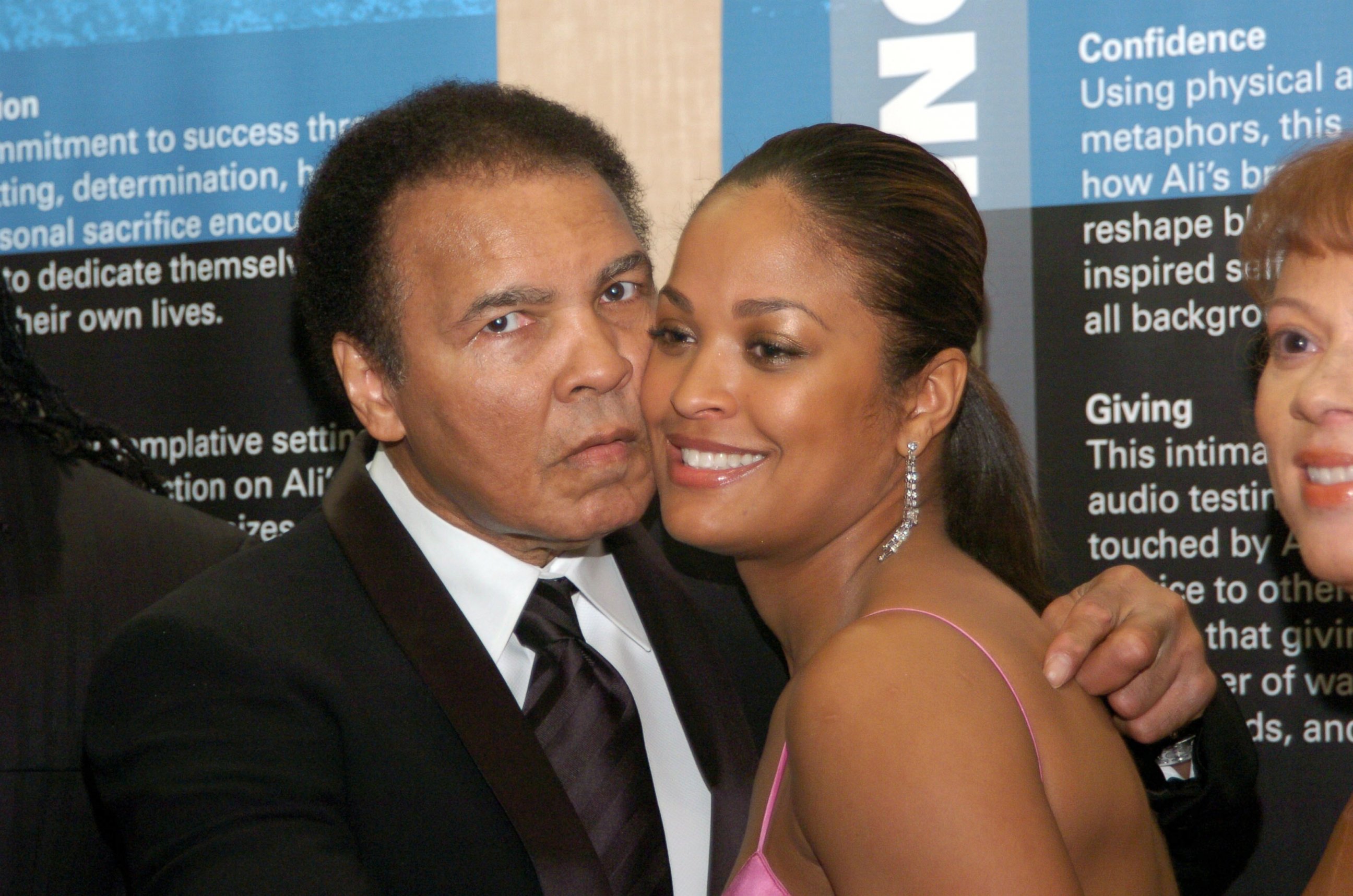
The story of Muhammad Ali’s daughters encompasses both celebrated public memoirs and private personal narratives outside the boxing ring. From Laila Ali’s world-championship boxing career to Hana Ali’s intimate memoirs, Maryum Ali’s social advocacy, and Khaliah Ali’s public candidness, their collective accounts detail what it was truly like growing up with an international icon.
Understanding the Legacy of Muhammad Ali’s Daughters
While Muhammad Ali earned global fame as "The Greatest" inside the boxing ring, his life outside sports was defined by a complex, expansive family structure. Across four marriages and long-standing personal relationships, Ali became the father of nine recognized children, including seven daughters: Maryum, Jamillah, Rasheda, Miya, Khaliah, Hana, and Laila.
For decades, media coverage focused almost exclusively on Ali’s athletic feats, political activism, and religious journey. However, the untold stories of his daughters offer a crucial perspective on the man behind the public persona. Each daughter experienced a unique relationship with their father, shaped by the distinct eras of his life—from his championship prime in the late 1960s and 1970s to his post-retirement years battling Parkinson’s disease.
Understanding the narrative of Ali's daughters requires examining how each child carved out her own path while processing the overwhelming shadow of their father's global celebrity:
- Maryum "May May" Ali: The eldest daughter, born to Ali and his second wife, Khalilah Ali (formerly Belinda Boyd). She pursued social work, youth advocacy, and stand-up comedy before writing about her family.
- Jamillah and Rasheda Ali: Twin sisters born to Khalilah Ali during the height of Ali's heavyweight reign in the 1970s. Both built careers in philanthropy, public speaking, and health advocacy.
- Miya Ali: Born from Ali's relationship with Patricia Harvell, Miya maintained a more private lifestyle while working extensively in corporate brand management and ambassador roles.
- Khaliah Ali: Born to Wanda Bolton (who later took the name AAisha Ali), Khaliah has spoken openly about body image, public expectations, and navigating her father's public legacy.
- Hana Ali: Born to Ali and his third wife, Veronica Porché. Hana became one of the primary chroniclers of her father's private domestic life, compiling extensive home recordings and written memoirs.
- Laila Ali: The youngest daughter of Veronica Porché, who followed directly in her father's athletic footsteps, becoming an undefeated multi-time world boxing champion.
Preserving the Personal Tapes: Hana Ali’s Intimate Archives
Among the most significant contributions to understanding Muhammad Ali's personal life are the works published by his daughter Hana Ali. Throughout the 1970s and 1980s, Muhammad Ali kept a series of casual cassette tape recordings running in his home, capturing private conversations, bedtime stories, family arguments, and philosophical reflections.
In her memoirs, including More Than a Hero: Muhammad Ali's Life Lessons Through His Daughter's Eyes (2000) and At Home with Muhammad Ali: Memories, Love Letters, and Audio Tapes (2019), Hana brought these archived audio interactions into the public record. These writings revealed a father who was deeply tender, playful, and hyper-aware of his own mortality and moral responsibility.
The tapes demonstrate that Ali actively taught his children about humility, religious devotion, and resilience. Hana's accounts describe a domestic environment where global figures—ranging from world leaders to legendary musicians—frequently visited, yet the core of the household remained centered on basic family routines. Through her work, Hana provided context to her father’s transition from an outspoken global icon to a quieter, contemplative patriarch dealing with physical decline.
Carving an Independent Identity: Laila Ali’s Championship Journey
Laila Ali’s relationship with her father’s legacy took a distinctly physical and high-profile route. Deciding to enter the sport of professional women’s boxing in the late 1990s, Laila faced immediate skepticism from boxing analysts and initial hesitation from her father, who voiced concerns about the physical dangers of combat sports for women.
Despite the pressure of carrying the most famous name in combat sports history, Laila forged a dominant career. Between 1999 and 2007, she compiled an undefeated record of 24 wins with 21 knockouts, capturing super middleweight and light heavyweight world titles.
In her 2002 autobiography, Reach! Finding Inspiration, Sharing Strength, Laila detailed the untold personal challenges of establishing her identity apart from her father. She described her adolescent years, the complex dynamics of living between households after her parents' divorce, and her intense drive to earn respect based on athletic merit rather than nepotism. Her success helped legitimize women's boxing on a global broadcast level while cementing her own distinct legacy.
- Muhammad Ali Legacy
- Published Works & Private Tapes (Hana Ali)
- Athletic Legacy & World Titles (Laila Ali)
- Social Advocacy & Health Awareness (Maryum & Rasheda)
Advocacy, Health, and Social Action: The Diverse Paths of the Ali Sisters
Beyond sports and memoirs, Muhammad Ali’s daughters have directed their public platforms toward social work, medical awareness, and community outreach.
Maryum Ali’s Work in Community Development
Maryum "May May" Ali directed her career toward social services, earning a degree in social work and spending over two decades implementing juvenile delinquency prevention programs. She authored the children's book I Shook Up the World! The Story of Muhammad Ali, designed to teach young readers about perseverance and moral courage. Maryum also participated in public awareness projects, including television documentaries highlighting conditions within the American correctional system.
Rasheda Ali and Parkinson’s Advocacy
Following Muhammad Ali's 1984 diagnosis with Parkinson's syndrome, his daughter Rasheda Ali became a primary advocate for neurodegenerative disease research and family education. She authored I'll Hold Your Hand So You Won't Fall: A Child's Guide to Parkinson's Disease, a resource translated into multiple languages to help families explain chronic movement disorders to young children. Her sons have carried the athletic line forward: Nico Ali Walsh entered professional boxing, while Biaggio Ali Walsh entered mixed martial arts.
Khaliah Ali’s Wellness and Public Outreach
Khaliah Ali utilized her public visibility to address issues surrounding body image, post-bariatric surgery education, and youth empowerment. Co-authoring Fighting Weight, she documented her personal health struggles, shedding light on the psychological burdens often experienced by children of high-profile historical figures.
Comparative Overview of Muhammad Ali’s Daughters
The following table summarizes the public contributions, published works, and primary focus areas of Muhammad Ali’s seven daughters based on public record and published accounts.
| Name | Mother | Primary Public Roles & Media | Notable Publications / Works | Key Focus Area |
|---|---|---|---|---|
| Maryum Ali | Khalilah Ali | Social Worker, Public Speaker, Author | I Shook Up the World! (2004) | Delinquency prevention, youth advocacy |
| Jamillah Ali | Khalilah Ali | Philanthropist, Humanitarian | Public charitable initiatives | Community service, non-profit outreach |
| Rasheda Ali | Khalilah Ali | Speaker, Parkinson's Advocate | I'll Hold Your Hand So You Won't Fall (2005) | Neurodegenerative awareness, family guidance |
| Miya Ali | Patricia Harvell | Corporate Ambassador, Manager | Brand development features | Corporate hospitality, brand management |
| Khaliah Ali | Wanda Bolton | Author, Advocate, Speaker | Fighting Weight (2007), Butterflies Will Take Happily | Body positivity, healthy lifestyle promotion |
| Hana Ali | Veronica Porché | Author, Archivist | More Than a Hero (2000), At Home with Muhammad Ali (2019) | Family biography, audio archive preservation |
| Laila Ali | Veronica Porché | Champion Boxer, TV Host, Author | Reach! (2002), Food for Life (2018) | Professional athletics, wellness, culinary arts |
Lessons from Growing Up in the Shadow of a Global Icon
The combined accounts of Ali's daughters illuminate common challenges faced by children of world-famous figures:
- Differentiating Self-Worth from Parental Fame: Each daughter faced public scrutiny and comparisons to their father's achievements. Establishing self-worth required deliberately choosing personal fields—whether social work, independent athletics, or writing—where their own labor dictated their success.
- Preserving Private Humanity Amid Public Myth: Public figures are often elevated to mythical status. The memoirs written by Hana, Laila, and Maryum served to humanize Muhammad Ali, showcasing his vulnerabilities, sense of humor, personal mistakes, and quiet domestic moments.
- Navigating Family Coping with Chronic Illness: Watching a parent battle Parkinson's disease across several decades required adapting family dynamics. Rasheda and her sisters channeled this caregiving experience into public health resources for other families facing similar medical diagnoses.
Frequently Asked Questions
Which of Muhammad Ali's daughters became a professional boxer?
Laila Ali became a professional boxer, competing from 1999 to 2007. She retired undefeated with a 24-0 record, holding multiple world championship titles in the super middleweight and light heavyweight divisions.
What books have Muhammad Ali's daughters written about him?
Hana Ali authored More Than a Hero (2000) and co-authored At Home with Muhammad Ali: Memories, Love Letters, and Audio Tapes (2019). Maryum Ali wrote the children's book I Shook Up the World!, and Laila Ali detailed her personal journey in her memoir Reach! Finding Inspiration, Sharing Strength.
How did Rasheda Ali contribute to health advocacy?
Rasheda Ali became an advocate for Parkinson's disease awareness after her father's diagnosis. She wrote I'll Hold Your Hand So You Won't Fall, a practical guide designed to help children understand neurodegenerative conditions affecting their parents or grandparents.
Did Muhammad Ali record his family at home?
Yes. During the 1970s and 1980s, Muhammad Ali frequently recorded everyday conversations, moral lessons, and interactions with his young children on audio cassettes. These private recordings were later preserved and published by his daughter Hana Ali.
Are any of Muhammad Ali's grandchildren involved in combat sports?
Yes. Rasheda Ali’s sons have pursued combat sports: Nico Ali Walsh competes as a professional middleweight boxer, while Biaggio Ali Walsh competes in professional mixed martial arts (MMA).
Exploring the Historical Record: Recommended Next Actions
For readers, researchers, and sports historians seeking to explore the complete historical narrative of Muhammad Ali's family legacy, the following primary steps offer direct access to verified biographical material:
- Review Primary Audio and Literary Memoirs: Read Hana Ali's At Home with Muhammad Ali (2019) to access primary transcriptions of family audio recordings captured between 1970 and 1980.
- Examine Athletic Achievements independently: Consult official boxing record archives (such as BoxRec) to review Laila Ali’s fight record and world title defenses spanning 1999 through 2007.
- Access Family Health Resources: Consult public library databases or health advocacy organizations for copies of Rasheda Ali’s educational literature regarding family dynamics and Parkinson’s disease support.