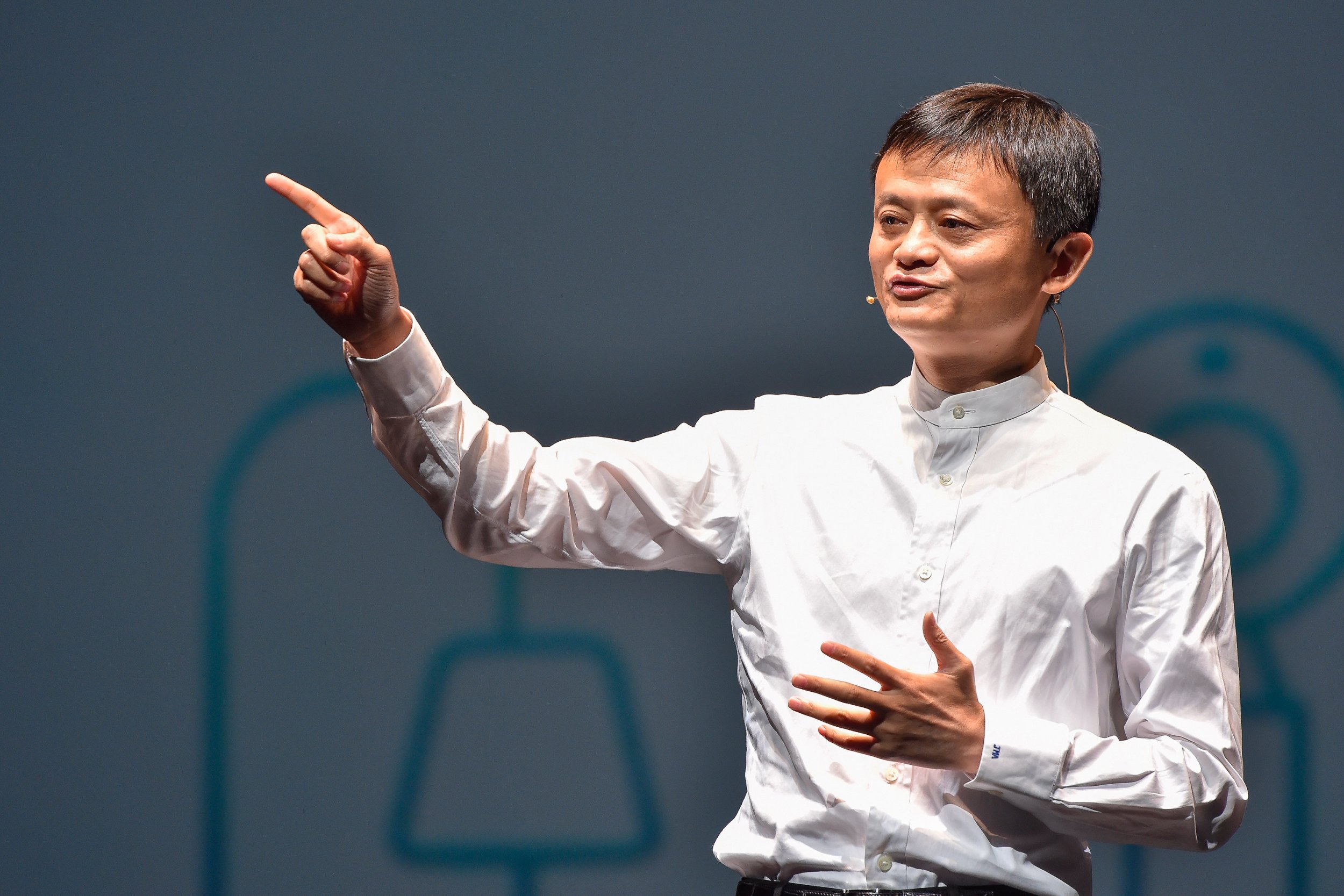
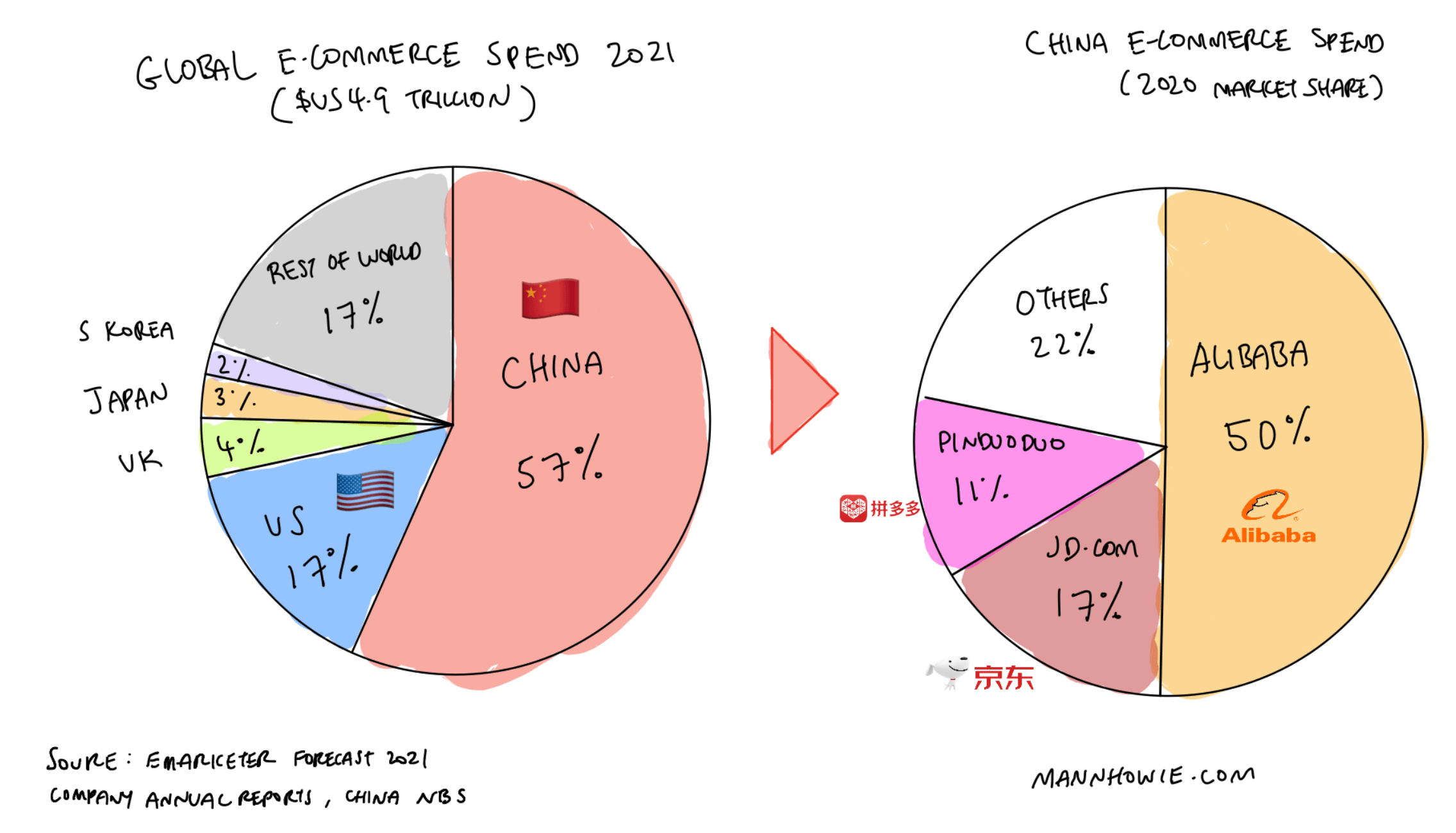
As of 2026, Alibaba Group remains a cornerstone of the global digital economy, with a market capitalization that reflects its dominance in e-commerce, cloud computing, and logistics. Founder Jack Ma built his multi-billion dollar fortune by transitioning China from traditional retail to a digital-first marketplace, leveraging early investments and a massive ecosystem of integrated financial and logistical services.
Understanding the Valuation of Alibaba Group in 2026
To understand how Jack Ma made his billions, one must first look at the vessel of that wealth: Alibaba Group Holding Limited. By 2026, the company has navigated a complex landscape of international expansion and domestic regulatory adjustments. Alibaba's net worth, typically measured by its market capitalization, fluctuates based on stock performance on the New York Stock Exchange (NYSE) and the Hong Kong Stock Exchange (HKEX).
The company’s value is underpinned by several "pillars" of revenue. While Taobao and Tmall remain the primary drivers of Gross Merchandise Volume (GMV), Alibaba Cloud (Aliyun) has emerged as a high-margin growth engine, competing directly with global giants like AWS and Azure. Additionally, the logistics arm, Cainiao, has matured into a global powerhouse, ensuring that the "last mile" of delivery is optimized through AI and massive data infrastructure. Jack Ma’s personal net worth is inextricably linked to these business units, as his equity in both the parent company and its various affiliates—most notably Ant Group—forms the bedrock of his financial standing.
The Architect’s Fortune: Jack Ma’s Personal Wealth
Jack Ma’s journey to becoming one of the wealthiest individuals in the world is a narrative of equity growth. Unlike many corporate executives who rely on salaries, Ma’s billions were generated through his founding stake in Alibaba and his significant interest in Ant Group (the parent company of Alipay).
As of 2026, Jack Ma’s net worth is estimated to be in the tens of billions, though it has seen significant volatility since 2020. This volatility is largely due to the "valuation haircut" experienced by Ant Group following its canceled IPO and subsequent restructuring into a financial holding company. Despite these shifts, Ma remains a major shareholder. His wealth is managed through various entities and family trusts, which have diversified his holdings into international real estate, high-end viticulture in France, and environmental philanthropy.
How the Billions Were Made: The Three Phases of Growth
The creation of Jack Ma’s wealth can be categorized into three distinct phases: the B2B foundation, the C2C/B2C explosion, and the ecosystem expansion.
Phase 1: The 1999 Hangzhou Apartment
In 1999, Jack Ma and 17 co-founders gathered in his Hangzhou apartment to start Alibaba.com. The original mission was simple: help small and medium-sized Chinese enterprises (SMEs) find international buyers. This B2B (business-to-business) model solved a massive friction point in global trade. By providing a platform for Chinese manufacturers to list their products for the world to see, Alibaba became the "Yellow Pages" of global manufacturing. The billions began with a $20 million investment from SoftBank’s Masayoshi Son in 2000, a stake that would eventually become one of the most successful venture capital investments in history.
Phase 2: Taobao and the Defeat of eBay
The true "billion-dollar" pivot occurred in 2003 with the launch of Taobao. At the time, eBay was the dominant force in global C2C (consumer-to-consumer) commerce and was making aggressive moves into China. Ma took a radical approach: he made Taobao free for three years. This "no-fee" model burned through cash but captured the market. To solve the problem of trust in Chinese online transactions, he created Alipay, an escrow service that held funds until the buyer confirmed receipt of the goods. This masterstroke created the foundation for China’s digital payments revolution.
Phase 3: The 2014 IPO and Global Scaling
In September 2014, Alibaba Group went public on the NYSE, raising $25 billion—the largest IPO in history at the time. This event transformed Jack Ma from a wealthy entrepreneur into a global financial titan. The IPO provided the capital necessary to expand into Tmall (for major brands), Alibaba Cloud, and international markets like Southeast Asia via Lazada. Every successful expansion increased the value of Ma's equity, solidifying his status in the top tier of the world's billionaires.
The "Iron Triangle" Business Model
Jack Ma frequently spoke about the "Iron Triangle" that made Alibaba invincible in the Chinese market. This model is the blueprint for how the company—and its founder—sustained billion-dollar growth for decades.
| Component | Function | Contribution to Wealth |
|---|---|---|
| E-commerce | Taobao, Tmall, Alibaba.com | Primary revenue generator through advertising and commissions. |
| Logistics | Cainiao Network | Controls the data and physical flow of goods, reducing costs and increasing stickiness. |
| Finance/Payments | Alipay (Ant Group) | Captured the financial data of hundreds of millions, creating a massive fintech ecosystem. |
By controlling the platform where people buy (E-commerce), the way they pay (Fintech), and the method by which they receive goods (Logistics), Alibaba created a self-reinforcing loop. This ecosystem ensured that even if one sector faced headwinds, the data and infrastructure shared across the triangle would maintain the company’s overall valuation.
Regulatory Adjustments and the Modern Era (2020–2026)
The path to billions was not without obstacles. In late 2020, Jack Ma’s public criticism of Chinese financial regulators led to the suspension of the Ant Group IPO and a subsequent $2.8 billion anti-monopoly fine for Alibaba. This period marked a shift in how Ma’s wealth was perceived and managed.
Between 2021 and 2026, Alibaba underwent a massive restructuring, splitting into six distinct business units: Cloud Intelligence Group, Taobao Tmall Commerce Group, Local Services Group, Cainiao Smart Logistics, Global Digital Commerce Group, and Digital Media and Entertainment Group. This "1+6+N" structure was designed to unlock shareholder value by allowing each unit to pursue its own IPO. For Jack Ma, this meant his wealth became more diversified across these spin-offs, mitigating the risk of a single regulatory "point of failure."
Strategic Diversification and Philanthropy
In his post-executive years, Jack Ma has shifted focus toward the Jack Ma Foundation. His "billions" are now frequently deployed into rural education in China and environmental conservation projects across Africa and Asia. However, his financial influence remains. He has spent considerable time in Japan, Europe, and Southeast Asia, studying agricultural technology and sustainable food production.
Many analysts in 2026 point to Ma’s interest in "Agri-Tech" as his potential next frontier. By applying the same platform-based thinking to food security and sustainable farming that he applied to retail in 1999, he continues to influence global markets, even without a formal title at Alibaba.
Frequently Asked Questions
What is Jack Ma's current net worth in 2026?
Jack Ma's net worth in 2026 is estimated to be between $25 billion and $35 billion, depending on the current market valuations of Alibaba Group and the private valuation of Ant Group. While he is no longer the richest person in China, he remains among the top global billionaires.
How much of Alibaba does Jack Ma still own?
As of 2026, Jack Ma has reduced his stake in Alibaba Group to less than 5%. He has moved away from day-to-day operations and has significantly reduced his voting power to align with corporate governance reforms in China, though he remains a lifetime member of the Alibaba Partnership.
Did Jack Ma start Alibaba with his own money?
Jack Ma and his 17 co-founders pooled together approximately $60,000 to start Alibaba in 1999. The significant capital required to scale the business came later through venture capital rounds, most notably the $20 million investment from SoftBank in 2000 and a $1 billion investment from Yahoo in 2005.
How did the 2014 IPO affect his net worth?
The 2014 NYSE IPO was the single largest liquidity event for Jack Ma. At the time of the IPO, his stake was valued at approximately $14 billion, instantly making him the wealthiest person in China at that time and providing the capital for his subsequent philanthropic and private investment ventures.
What happened to Jack Ma's wealth after the Ant Group IPO was canceled?
The cancellation of the Ant Group IPO in 2020 and the subsequent regulatory restructuring caused a significant drop in Jack Ma’s paper wealth. Ant Group’s valuation was slashed by more than 70% in private markets, which removed tens of billions of dollars from his estimated net worth compared to its 2020 peak.
Lessons for Modern Entrepreneurs
The story of Alibaba’s net worth and Jack Ma’s billions provides a blueprint for building a platform-based business. For those looking to replicate even a fraction of this success, the key takeaway is the importance of solving structural problems. Ma did not just sell products; he built the trust infrastructure (Alipay) and the logistical infrastructure (Cainiao) that allowed others to sell products.
For investors and entrepreneurs in 2026, the focus should remain on "ecosystem thinking." Whether in the realm of AI, green energy, or biotech, the most significant wealth is created not by a single product, but by the platform that enables an entire industry to function more efficiently. Monitoring the ongoing "1+6+N" restructuring of Alibaba will provide further insights into how massive conglomerates can remain agile and continue to generate value in a changing global regulatory environment.