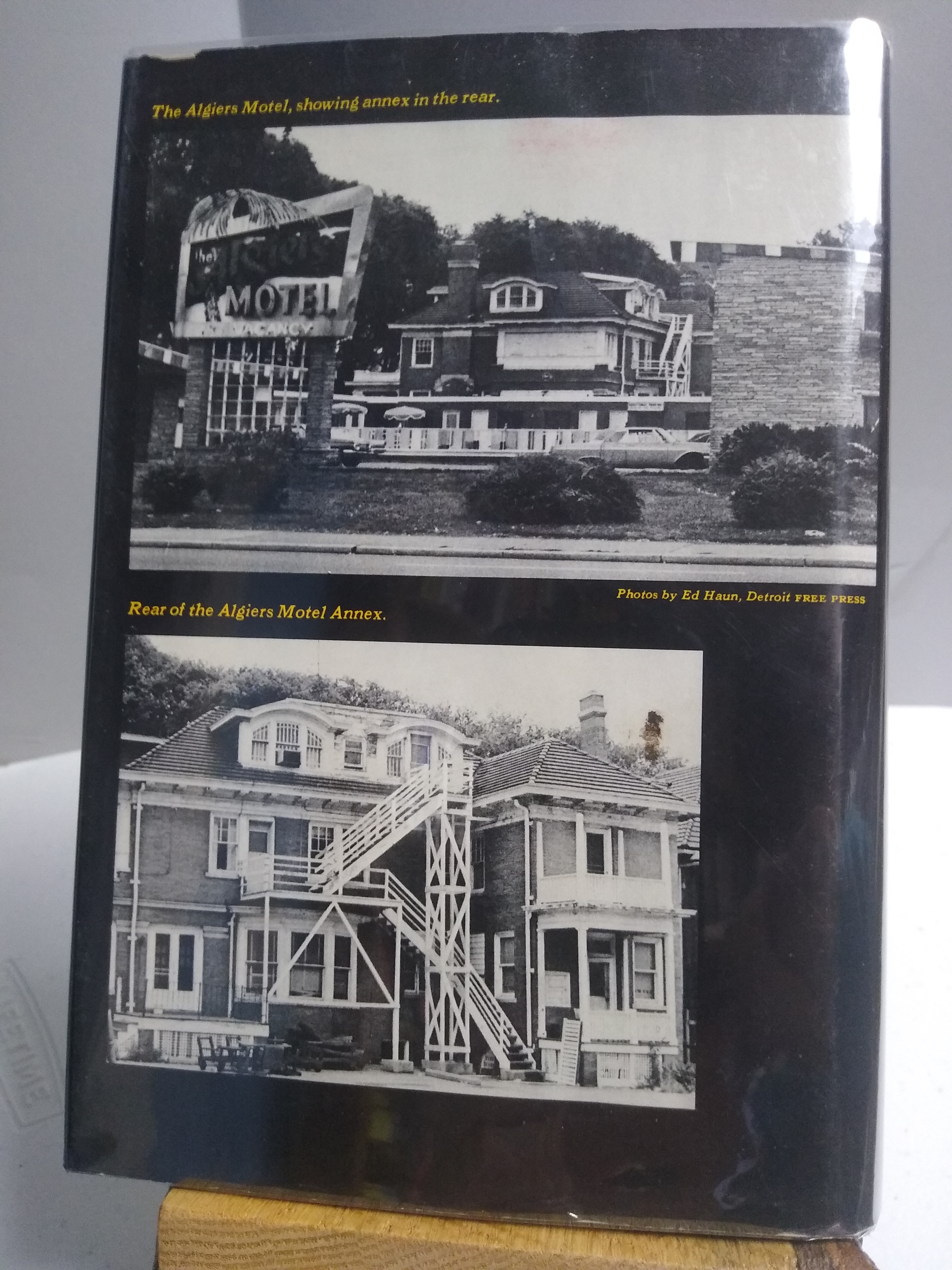
The Algiers Motel incident refers to a violent event occurring on July 25–26, 1967, during the 12th Street Riot in Detroit, Michigan. Over the course of a night, three Black teenagers were killed and several others—both Black and white—were subjected to severe beatings by officers from the Detroit Police Department, the Michigan State Police, and the Michigan National Guard. The incident remains a defining symbol of systemic police brutality and the racial tensions that characterized the urban uprisings of the late 1960s in the United States.
Historical Context of the 1967 Detroit Uprising
In the summer of 1967, Detroit was a city experiencing significant social and economic pressure. The automotive industry, which served as the city’s economic backbone, was undergoing shifts that affected labor stability, while long-standing segregation and discriminatory policing practices had created a deep-seated distrust between the city’s Black population and the municipal authorities.
The catalyst for the larger rebellion began in the early hours of July 23, 1967, during a police raid on an unlicensed after-hours club on 12th Street. As tensions escalated, the raid triggered a massive, multi-day civil disturbance that overwhelmed local law enforcement. Governor George Romney eventually requested federal aid, and President Lyndon B. Johnson deployed federal troops to restore order. The Algiers Motel, located near the epicenter of the unrest, became the site of one of the darkest chapters of this period when law enforcement officers converged on the building following reports of a sniper.
The Sequence of Events at the Algiers Motel
On the night of July 25, 1967, officers responding to reports of gunfire at the Algiers Motel entered the premises. The "Annex," a side building where the victims were gathered, became the scene of what survivors later described as a "death game." The officers, operating under the assumption that they were engaging active snipers, rounded up several guests and local residents.
Over the next few hours, the detainees were subjected to what became known as a "survey"—a series of psychological terrors and physical assaults intended to force a confession or identify the alleged shooter. No gun was ever recovered from the victims, nor was there any credible evidence of a sniper operating from the motel. By the early morning of July 26, three young men—Carl Cooper, Auburey Pollard, and Fred Temple—had been killed. The survivors, including several women, endured hours of brutal beatings, threats of summary execution, and systemic abuse, which left an indelible mark on those involved and the wider community.
Legal Proceedings and Investigations
The aftermath of the Algiers Motel incident saw a series of legal trials that failed to result in convictions for the officers involved. Despite the testimony of survivors and the clear evidence of fatal police violence, the judicial outcomes highlighted the difficulty of holding law enforcement accountable for excessive force during periods of civil unrest.
Cases were moved to different jurisdictions, including Mason and Kalamazoo, Michigan, in an attempt to secure impartial juries. Defense attorneys argued that the officers were acting under the pressures of a riotous environment, invoking the complexities of maintaining public order. The acquittals of the officers sparked significant public outrage and served as a catalyst for further questioning the integrity of the criminal justice system in cases of police-involved shootings. The lack of criminal accountability for the deaths of the three victims reinforced the feelings of systemic marginalization that had fueled the 1967 riots.
Perspectives on Law Enforcement and Civil Disturbance
The Algiers Motel incident serves as a primary case study in the intersection of emergency response and human rights. It illustrates the risks inherent in the militarization of police responses to urban unrest. The following table highlights the key dynamics observed during the investigation of the event:
| Factor | Description |
|---|---|
| Initial Trigger | Alleged report of sniper fire near 12th Street. |
| Primary Actors | Detroit Police, Michigan State Police, National Guard. |
| Outcome | Three deaths, multiple injuries, zero criminal convictions. |
| Key Criticism | Lack of due process; use of "summary justice" techniques. |
| Long-term Impact | Increased focus on police accountability and civil rights reform. |
The failure to establish individual accountability in the courts led to a heightened focus on the structural policies governing how police interact with citizens during riots. Experts in criminal justice and historical sociology often cite the Algiers Motel case to demonstrate how the "fear of the other" can override professional police training, leading to outcomes that violate fundamental constitutional protections.
Accountability and Institutional Memory
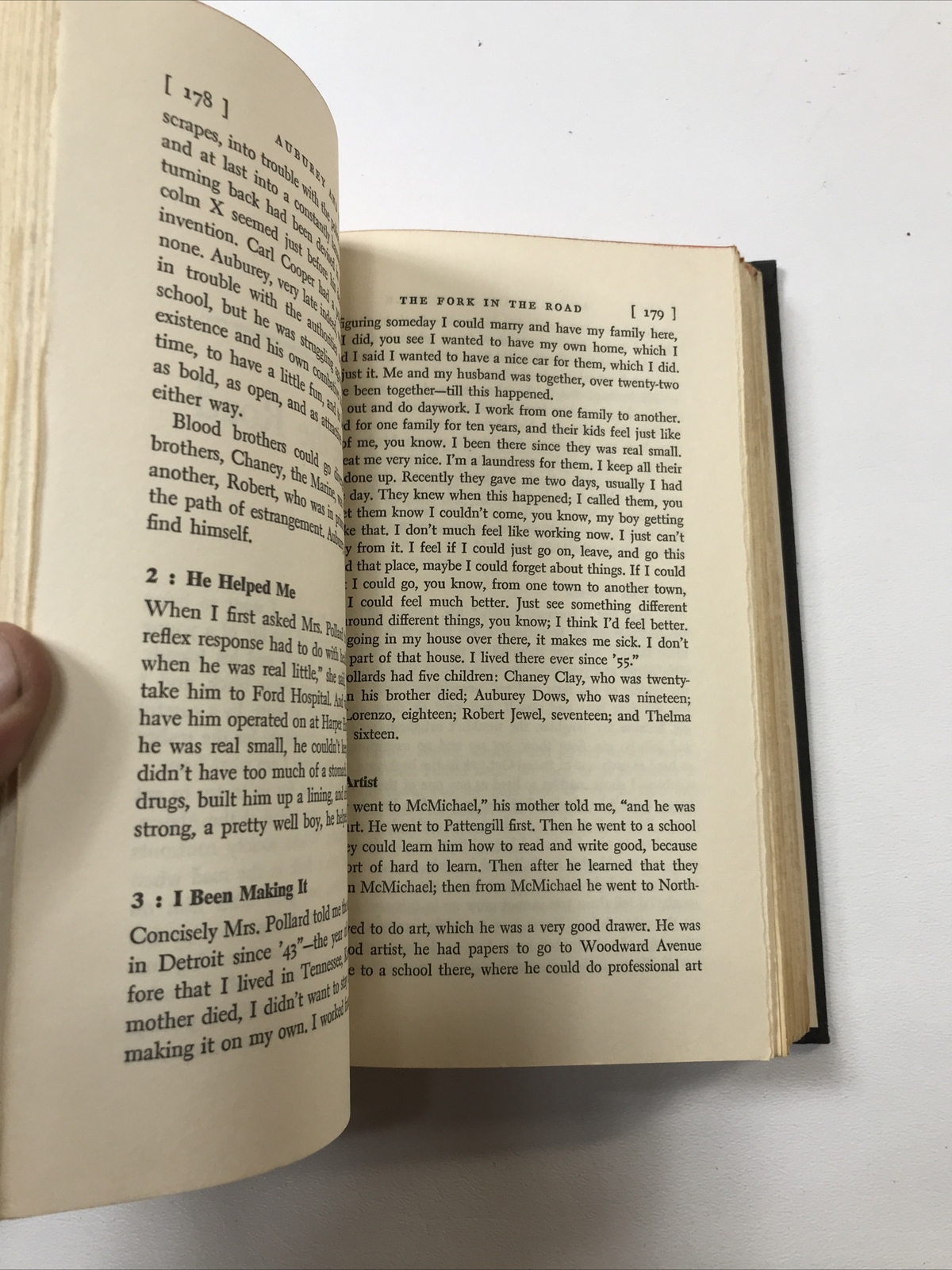
For over five decades, the Algiers Motel incident has remained a prominent part of Detroit’s historical record. It has been examined in various media, including literature and film, which have played a crucial role in ensuring the event is not forgotten. These accounts have been instrumental in documenting the accounts of the survivors, providing a counter-narrative to the initial reports that largely ignored the victims' perspectives.
Efforts to commemorate the event include ongoing public discussions and academic research that links the 1967 uprising to contemporary issues regarding police reform and racial justice. By studying the Algiers Motel, historians and sociologists provide essential context for understanding how the lack of transparency in the 1960s contributed to the current emphasis on body-worn cameras, independent oversight, and de-escalation training for law enforcement agencies.
Frequently Asked Questions
Was the sniper report at the Algiers Motel ever confirmed?
No. Comprehensive investigations conducted after the riots, as well as accounts from survivors, confirmed that no sniper was active at the Algiers Motel. The report of gunfire was likely a misunderstanding or a false alarm caused by the chaos of the surrounding civil unrest.
Why were the officers involved in the Algiers Motel incident acquitted?
The officers were acquitted due to a combination of factors, including successfully argued defenses based on the chaotic conditions of the riot, jury bias, and a legal system at the time that provided significant immunity for law enforcement actions taken under the guise of restoring order.
How did the public respond to the court verdicts?
The acquittals were met with widespread protests and condemnation from civil rights activists and members of the Detroit community. The verdicts were viewed as a clear failure of the justice system to address the loss of life and a confirmation that police were rarely held accountable for violent misconduct.
What is the lasting significance of the Algiers Motel incident?
The incident is regarded as a tragic benchmark for civil rights and police-community relations. It serves as a reminder of the human cost of racialized policing and the systemic failures that can occur when law enforcement operates with limited oversight during times of national crisis.
Where can one find reliable documentation on this event?
Primary source documents, including police reports, transcripts of the trials, and witness testimonies, are archived at the Walter P. Reuther Library at Wayne State University and the Detroit Historical Society. These institutions hold extensive collections regarding the 1967 uprising.
Next Actions for Research and Engagement
For those looking to gain a deeper understanding of this event, it is recommended to consult primary source archives rather than relying solely on secondary adaptations. The Walter P. Reuther Library provides access to historical records that offer a granular view of the official investigation and the subsequent legal maneuvers. Additionally, engaging with the Detroit Historical Society’s exhibitions and digital resources can provide a broader context regarding the impact of the 1967 uprising on the development of modern Detroit. Researchers should approach the study of this event with a focus on institutional policy evolution to understand how law enforcement standards have changed since the 1960s.