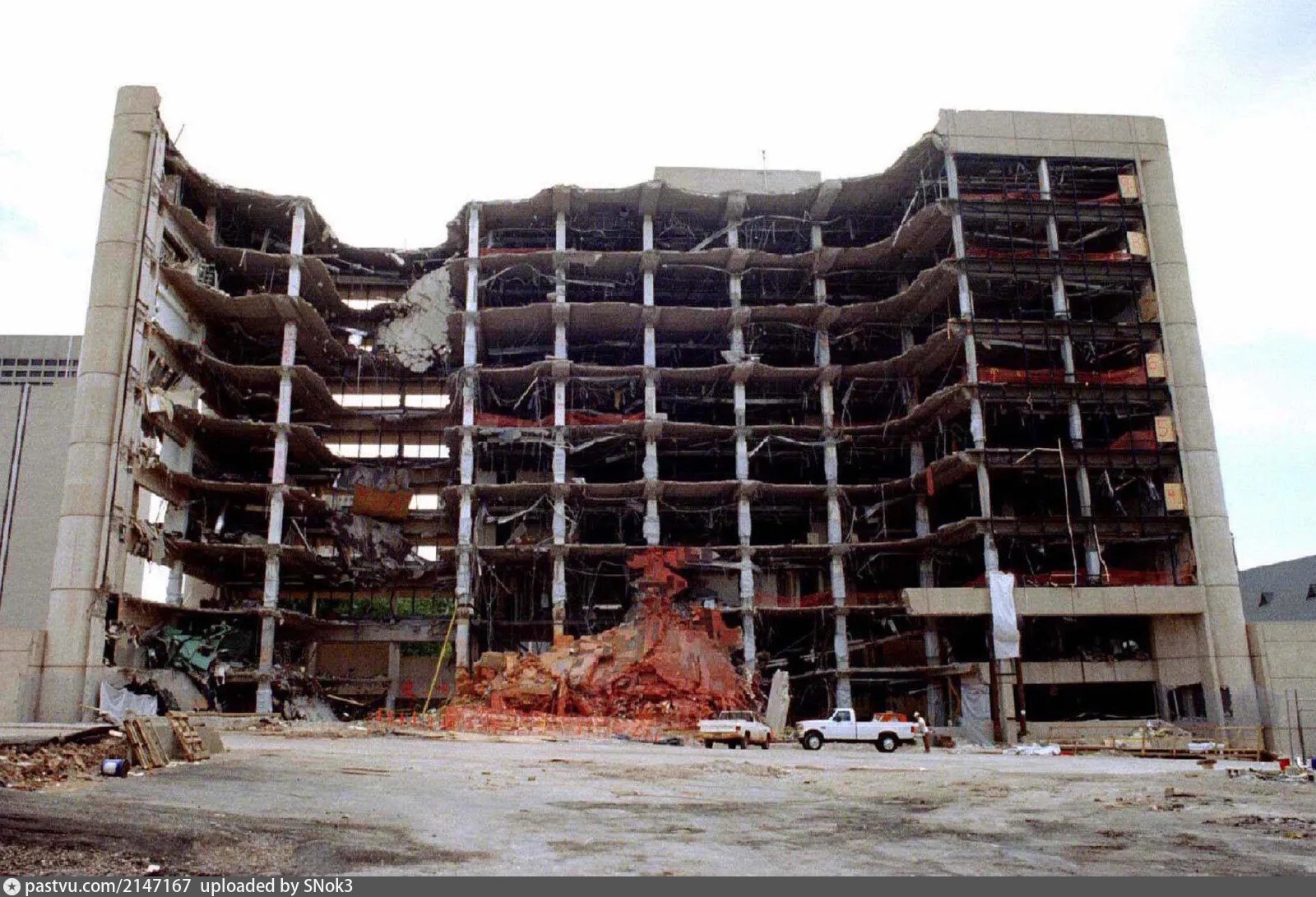
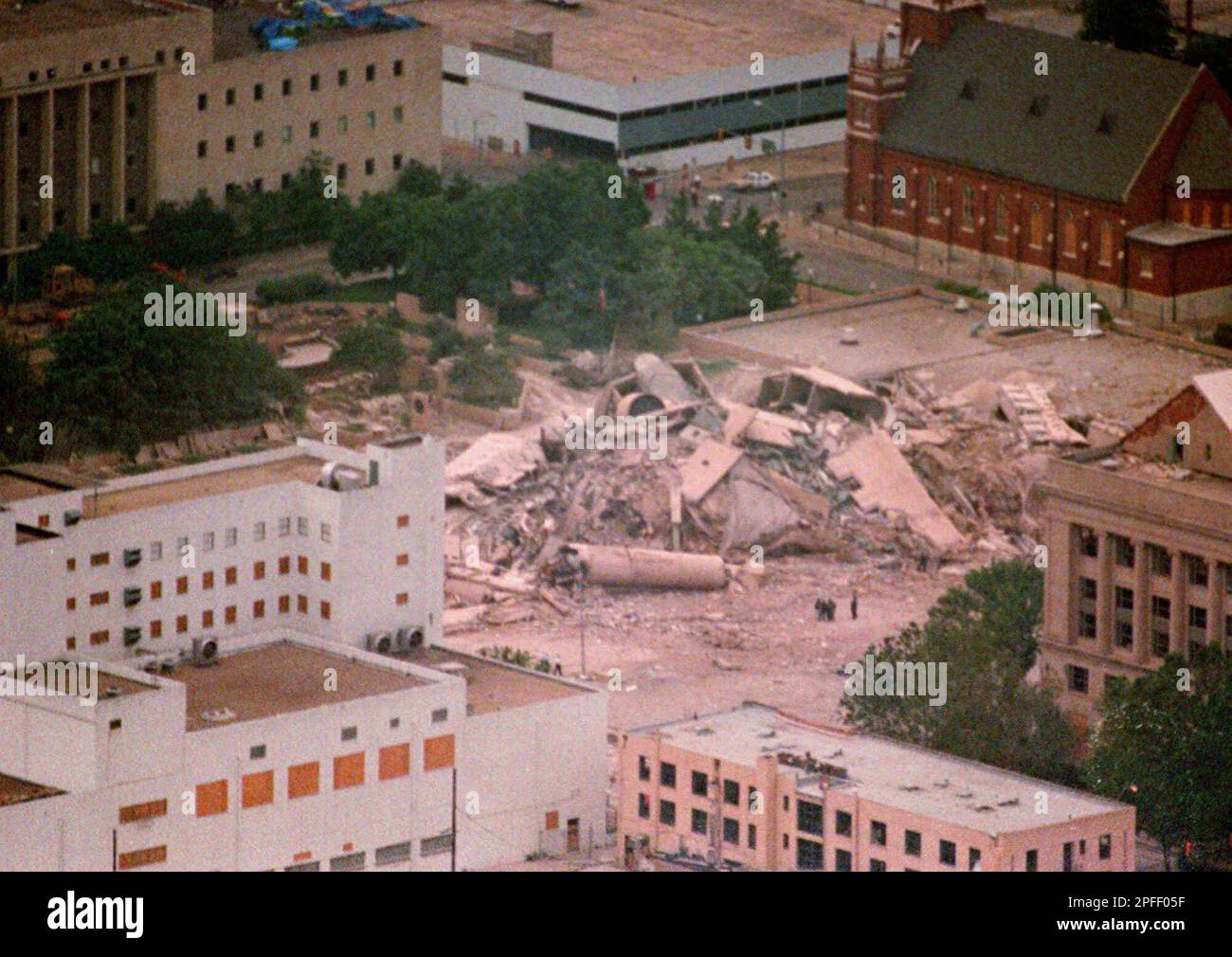
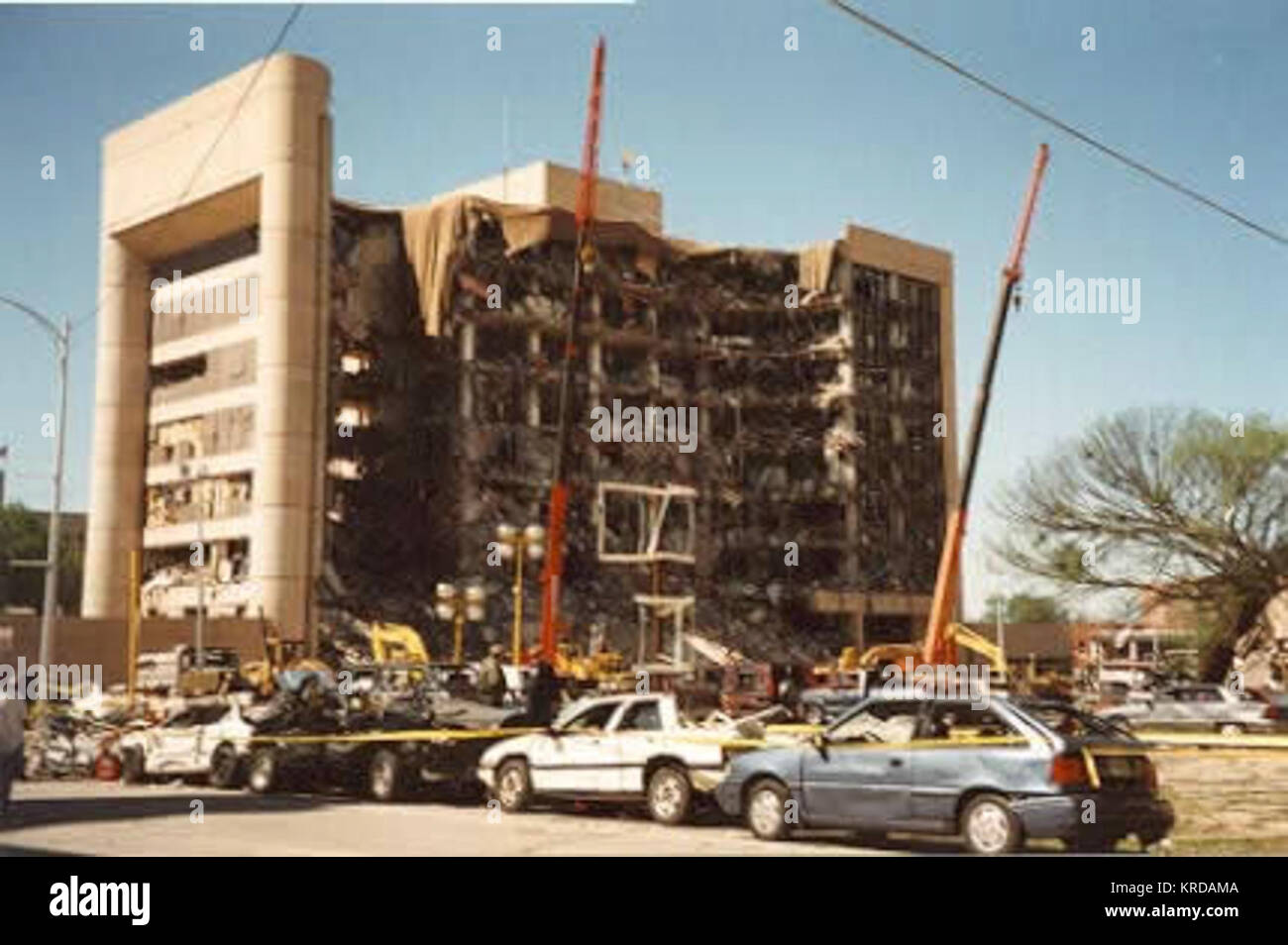
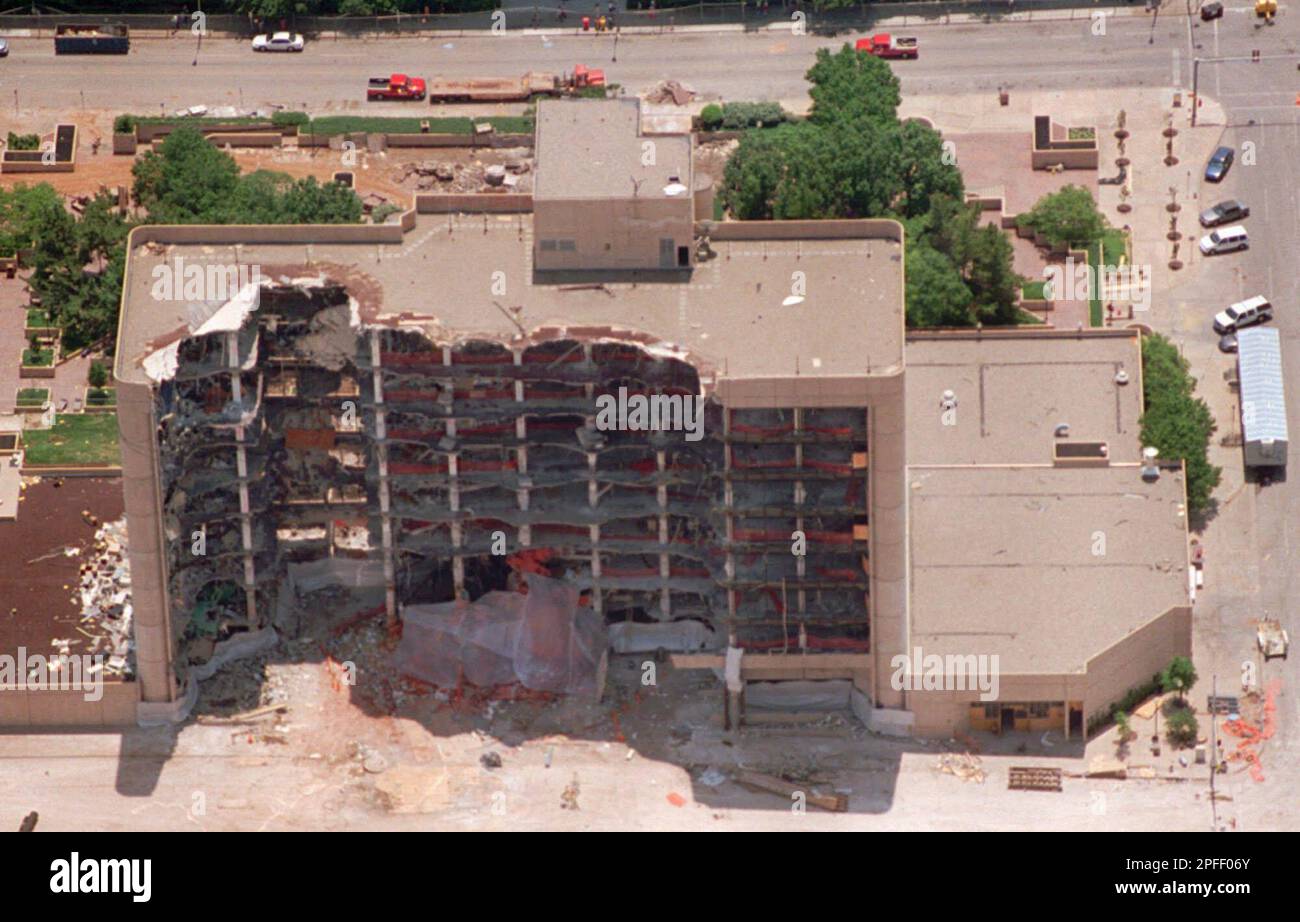
The Alfred P. Murrah Federal Building bombing, which occurred on April 19, 1995, in Oklahoma City, remains the deadliest act of domestic terrorism in United States history. A truck bomb detonated outside the building, killing 168 people—including 19 children—and injuring hundreds more. The attack, perpetrated by Timothy McVeigh and Terry Nichols, catalyzed significant shifts in federal security protocols, emergency management, and the American legislative approach to domestic extremism.
The Morning of April 19, 1995: A Timeline of Events
The bombing was the culmination of meticulous planning by Timothy McVeigh, a Gulf War veteran who harbored deep resentment toward the federal government. The target, the Alfred P. Murrah Federal Building, housed various government agencies, including the Social Security Administration, the Department of Housing and Urban Development, and a daycare center.
At approximately 9:02 a.m. Central Time, a rented Ryder truck containing a homemade bomb—consisting primarily of ammonium nitrate fertilizer and fuel oil—detonated in front of the building's north face. The blast sheared off the entire front section of the structure, causing a progressive collapse that trapped hundreds of victims beneath tons of steel and concrete.
Emergency response began almost immediately, with local police, firefighters, and volunteers initiating a frantic search-and-rescue operation. The resilience of the "Oklahoma Standard"—a term coined to describe the selfless, coordinated response of the city’s residents—defined the initial days of the recovery effort. The site was cleared for forensic analysis only after the painstaking recovery of all victims was completed, a process that spanned several weeks.
Forensic Investigation and Accountability
The investigation into the bombing was one of the largest in FBI history. Forensic experts faced the arduous task of reconstructing the crime scene from a field of twisted metal and pulverized masonry. The breakthrough occurred when agents recovered a portion of the truck’s rear axle, which contained a Vehicle Identification Number (VIN). This led investigators to a Ryder rental agency in Junction City, Kansas, where they identified Timothy McVeigh.
McVeigh was apprehended just 90 minutes after the bombing, initially for a traffic violation, but his connection to the attack was solidified through forensic evidence, including chemical traces on his clothing. His accomplice, Terry Nichols, was identified and arrested shortly thereafter.
The legal proceedings were extensive. In 1997, a jury convicted McVeigh on all 11 counts of the indictment, including conspiracy and the use of a weapon of mass destruction. He was sentenced to death and executed via lethal injection on June 11, 2001. Terry Nichols was convicted in federal court in 1997 and in state court in 2004, receiving multiple life sentences without the possibility of parole. A third individual, Michael Fortier, pleaded guilty to failing to warn authorities of the plot and served a prison sentence as a cooperating witness.
Comparison of Key Perpetrators and Legal Outcomes
| Individual | Role in Conspiracy | Primary Charge | Legal Outcome |
|---|---|---|---|
| Timothy McVeigh | Architect and bomber | Murder/Weapons of Mass Destruction | Executed (2001) |
| Terry Nichols | Co-conspirator/Bomb assembly | Conspiracy/Involuntary Manslaughter | Life in Prison |
| Michael Fortier | Knowledge of plot/Failure to warn | Misprision of a felony | 12-year sentence |
Security Transformations and Federal Policy
The structural failure of the Murrah building forced a radical reappraisal of how federal facilities were protected. Before 1995, many government buildings allowed relatively unrestricted public access. Post-1995, the U.S. government adopted stringent "force protection" measures that permanently altered the architectural and operational landscape of public spaces.
The U.S. Department of Justice commissioned the Vulnerability Assessment of Federal Facilities, which established new standards for building security. These include:
- Setback Distances: Implementing physical barriers or landscaping to ensure vehicles cannot get within a specific range of structural support columns.
- Blast Mitigation: Retrofitting windows with shatter-resistant film and reinforcing structural frames to prevent progressive collapse.
- Access Control: Mandatory ID checks, vehicle inspections, and the installation of bollards and hardened entry points.
These measures, while enhancing safety, transformed federal buildings from accessible community centers into high-security zones. The balance between maintaining an open government and ensuring the physical security of personnel remains an ongoing challenge in 2026.
The Legacy of the Oklahoma City National Memorial
The site of the Murrah building was cleared, and in its place stands the Oklahoma City National Memorial & Museum. Dedicated in 2000, the memorial serves as both a site of reflection and an educational institution. It preserves the memory of those lost and functions as a hub for research into the prevention of domestic terrorism.
The "Field of Empty Chairs," a poignant installation featuring 168 chairs representing each victim, serves as the heart of the memorial. The survivor tree—an American elm that survived the blast—remains a symbol of resilience and growth. The museum provides a detailed, verified account of the events, ensuring that the history of the tragedy is not obscured by misinformation.
Frequently Asked Questions
Why was the Alfred P. Murrah Federal Building specifically targeted?
The building was targeted primarily because it housed various federal offices. Timothy McVeigh viewed federal employees as agents of a government he deemed oppressive, particularly following the 1993 siege of the Branch Davidian compound in Waco, Texas. He sought a location that would yield a high casualty count to maximize the political impact of his ideological grievances.
Did the investigation reveal other suspects?
While conspiracy theories regarding a broader plot or foreign involvement circulated, official investigations by the FBI and subsequent independent reviews found no credible evidence of additional participants. The conviction of McVeigh and Nichols effectively closed the primary case, though the investigation remains a subject of academic study regarding radicalization pathways.
How did the bombing affect emergency medical protocols?
The tragedy exposed significant gaps in large-scale disaster response. In its aftermath, the "Oklahoma City Protocol" was developed, which revolutionized triage and victim identification during mass-casualty events. This included better coordination between local hospitals and the implementation of standardized incident command systems, which have since been adopted by municipalities across the United States.
Is the site of the bombing currently accessible to the public?
Yes, the Oklahoma City National Memorial & Museum is a public space. It operates on a daily schedule, offering guided tours and educational programs. Visitors can access the outdoor memorial grounds at any time, while the museum wing requires an admission fee to support ongoing historical preservation and educational initiatives.
How are the security standards established in 1995 maintained today?
As of 2026, the General Services Administration (GSA) and the Department of Homeland Security (DHS) oversee the Interagency Security Committee (ISC). This body continuously updates security criteria for federal properties, incorporating advancements in surveillance technology, cyber-physical security integration, and threat assessment methodologies to address evolving domestic and international risks.
Moving Forward: Historical Stewardship
The stewardship of the history surrounding the Alfred P. Murrah Federal Building bombing is a continuous process. Preserving the accuracy of the timeline and the facts of the investigation is essential for the historical record. For those seeking to engage with this history, visiting the official National Memorial is the most reliable way to obtain verified information. By focusing on the resilience of the community and the lessons learned in emergency management, society ensures that the tragedy serves as a permanent reference point for the importance of vigilance and the preservation of civil safety.