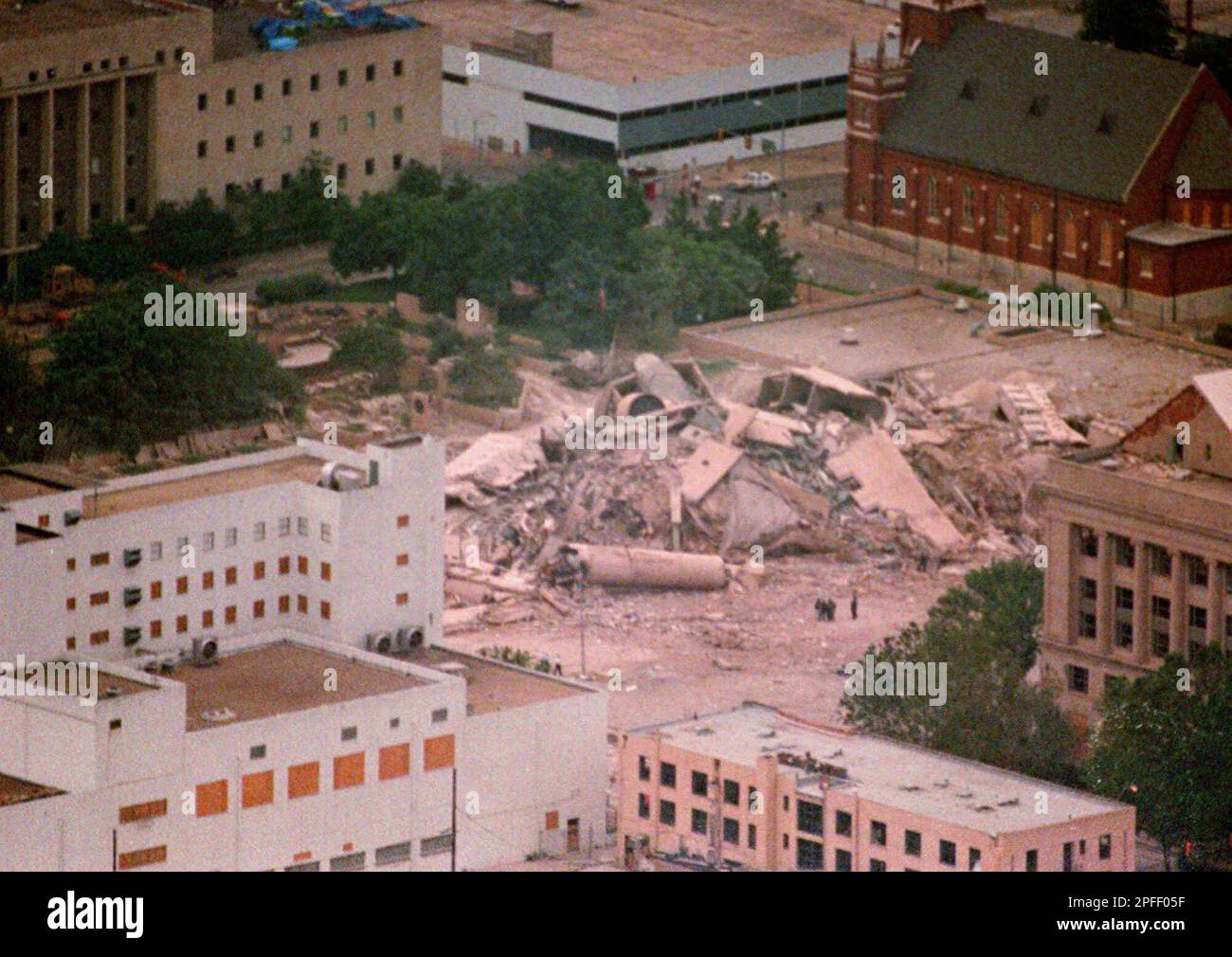
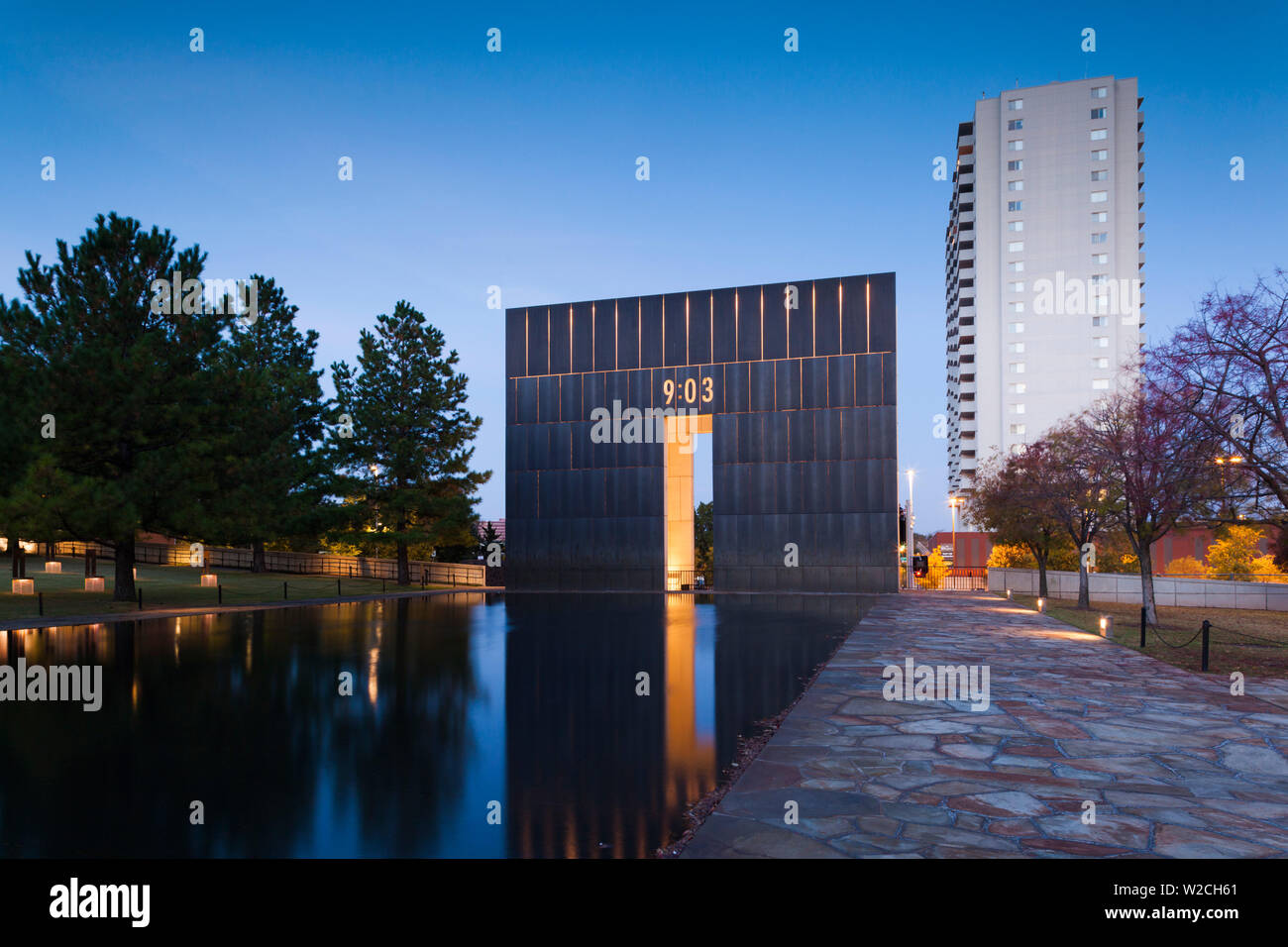
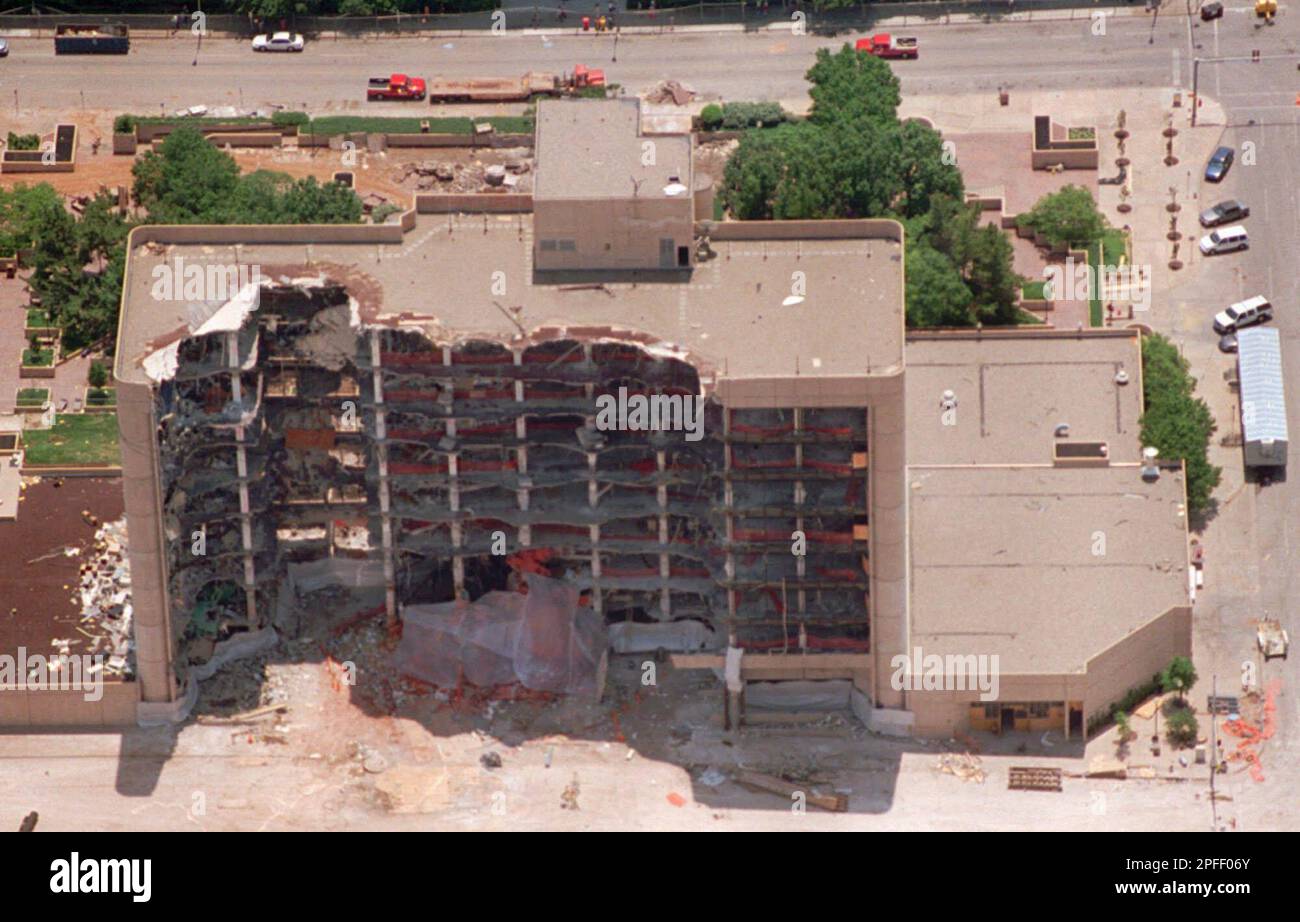
The Alfred P. Murrah Federal Building was a nine-story office complex in downtown Oklahoma City, Oklahoma, that served as the primary location for various federal agencies. It gained international attention on April 19, 1995, when a truck bomb destroyed the north face of the structure. Today, the site serves as the home of the Oklahoma City National Memorial, preserving the history of the event and the site’s former role in federal administration.
Architectural Overview and Original Purpose
Constructed in 1977, the Alfred P. Murrah Federal Building was designed as a modern administrative hub for the United States government. Located at 200 NW 5th Street, the building was named after Alfred Paul Murrah, a distinguished federal judge from Oklahoma who served on the United States Court of Appeals for the Tenth Circuit. The building’s design was representative of its era, characterized by an open, utilitarian concrete structure intended to house various federal services, including the Social Security Administration, the Department of Housing and Urban Development (HUD), and the Drug Enforcement Administration (DEA).
The building was a reinforced concrete structure featuring a unique "transfer girder" design. This structural choice was significant because it meant that the upper floors were supported by massive concrete columns, leaving the ground floor relatively open to accommodate a childcare center and a public entrance. While this design maximized aesthetic openness and access, it created a structural vulnerability that would prove catastrophic in the event of an explosive impact at the base level.
The 1995 Bombing and Structural Failure
On April 19, 1995, at 9:02 a.m. Central Time, a rented Ryder truck containing a sophisticated ammonium nitrate-fuel oil (ANFO) explosive device was detonated in front of the building. The blast resulted in the collapse of the north face of the building, where the primary load-bearing columns were situated. Because the building utilized a transfer girder system, the failure of these specific columns initiated a progressive collapse of the floor slabs above, eventually causing nearly half of the entire structure to fall.
The impact was felt across downtown Oklahoma City, shattering windows in buildings up to three miles away. Emergency response efforts began immediately, involving federal, state, and local agencies, as well as thousands of volunteers. This event remains one of the most significant domestic terrorist attacks in the history of the United States, claiming the lives of 168 people, including 19 children who were in the building's daycare center at the time of the blast.
Evolution of Federal Security Standards
The destruction of the Alfred P. Murrah Federal Building led to a fundamental shift in how the United States approaches the security and design of federal properties. Prior to 1995, many federal buildings were designed with an emphasis on accessibility and public openness. Following the attack, the General Services Administration (GSA) and the Interagency Security Committee (ISC) implemented rigorous new standards for the physical protection of government facilities.
These standards mandated the inclusion of blast-resistant glazing, increased setbacks from public roadways to prevent vehicle approaches, the installation of hardened bollards, and the reconfiguration of structural reinforcements to mitigate the risk of progressive collapse. The transformation of building codes after 1995 essentially ended the era of "open" federal architecture in favor of a fortress-like approach to infrastructure protection.
Comparison of Structural Design Philosophies
The following table summarizes the shift in design and security focus for federal buildings following the events at the Alfred P. Murrah site.
| Feature | Pre-1995 Standards | Post-1995 Standards |
|---|---|---|
| Site Setback | Minimal; proximity to public street | Mandatory standoff distances |
| Glazing | Standard glass windows | Shatter-resistant, blast-mitigation film/glass |
| Structural Loads | Standard gravity loads | Progressive collapse resistance |
| Perimeter | Public access maintained | Hardened barriers and security screening |
| Public Entrance | Unrestricted access | Controlled screening points |
Legacy and the Oklahoma City National Memorial
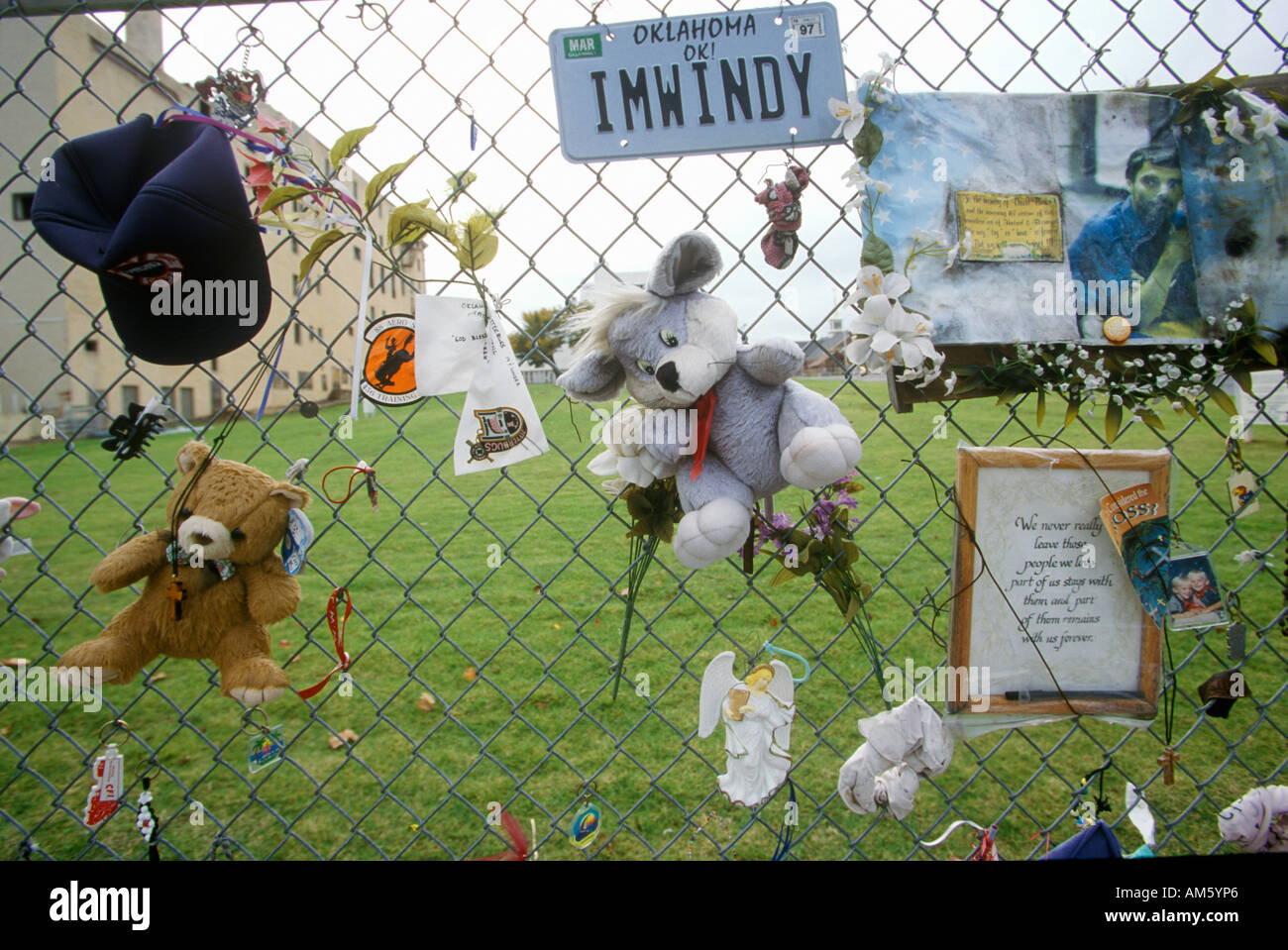
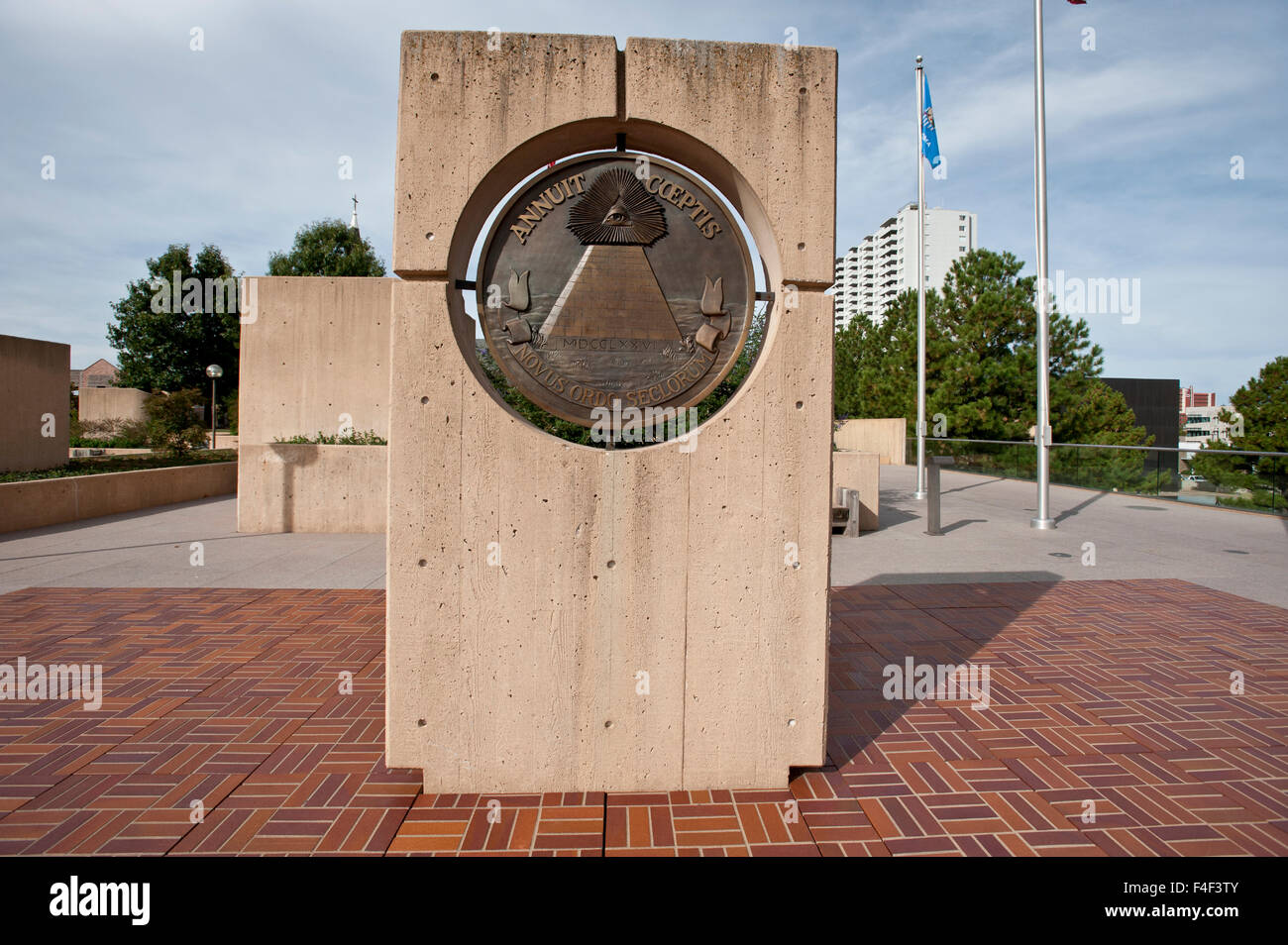
Following the emergency response and the subsequent forensic investigation of the site, the remains of the Murrah Building were demolished for safety reasons. The site was eventually transformed into the Oklahoma City National Memorial and Museum. Today, the memorial includes the "Field of Empty Chairs," representing the 168 victims, and the Reflecting Pool, which sits on what was once the footprint of NW 5th Street.
The site is maintained not only as a place of mourning but also as a center for education. It serves as a permanent reminder of the vulnerabilities of infrastructure and the importance of emergency management protocols. In 2026, the site continues to host educational programs, historical tours, and annual observances that emphasize the resilience of the local community and the evolution of federal safety standards.
Frequently Asked Questions
What agencies were housed in the Alfred P. Murrah Federal Building?
The building served as a centralized office for several federal departments, most notably the Social Security Administration, the Department of Housing and Urban Development (HUD), the Department of Agriculture, and the Drug Enforcement Administration (DEA). It also housed a federally operated daycare center.
Why did the building collapse in the way that it did?
The collapse was largely due to the structural design of the building, which relied on large transfer girders to support the upper stories. When the explosive blast destroyed the critical load-bearing columns on the ground floor, the building lost its vertical support, and the upper floors underwent a progressive collapse.
Can I visit the site of the Alfred P. Murrah Federal Building today?
Yes, the site is now the Oklahoma City National Memorial and Museum. It is a public space dedicated to the victims, survivors, and first responders of the 1995 attack. The memorial is open year-round, and visitors can access the outdoor symbolic grounds at any time, while the museum requires an admission fee.
Did the investigation result in changes to US law?
Yes. Beyond physical building standards, the tragedy led to the enactment of the Antiterrorism and Effective Death Penalty Act of 1996, which broadened federal law enforcement authority to prosecute terrorism-related crimes and enhanced judicial processes for victims of terrorism.
How are federal buildings protected in 2026?
Federal buildings are currently protected under the criteria set by the Interagency Security Committee (ISC). This includes a five-level risk management process that dictates everything from parking restrictions and vehicle inspection protocols to the use of advanced surveillance technology and blast-resistant structural materials.
Next Actions and Further Information
For those interested in the historical, structural, or legal impacts of the 1995 event, the official resource is the Oklahoma City National Memorial and Museum. Whether you are conducting academic research or planning a site visit, the following steps are recommended:
- Visit the Official Memorial Website: Consult the Oklahoma City National Memorial website to review updated museum hours, archival access policies, and educational resources regarding the building's history.
- Review GSA Security Guidelines: For information on current federal building security standards, search the General Services Administration (GSA) archives for the "Facility Security Level" (FSL) criteria.
- Access Government Archives: For historical data regarding the site's original construction and the subsequent federal investigations, utilize the National Archives and Records Administration (NARA) database.