Alfred Morris is a professional American football player known for his high-energy running style and his remarkable rise from a sixth-round draft selection to a productive starter in the National Football League (NFL). Throughout his career, he has been recognized for his reliability as a power back, his specific contribution to zone-blocking schemes, and his notable professional longevity spanning over a decade of active roster involvement.
Early Career and Collegiate Foundations
Before his tenure in the professional ranks, Alfred Morris developed his athletic profile at Florida Atlantic University (FAU). During his collegiate years, he emerged as a central figure for the Owls, demonstrating consistent production that eventually caught the attention of NFL scouts. His development at FAU was characterized by a focus on durability and fundamental ball security—traits that would later become the hallmarks of his professional playing style.
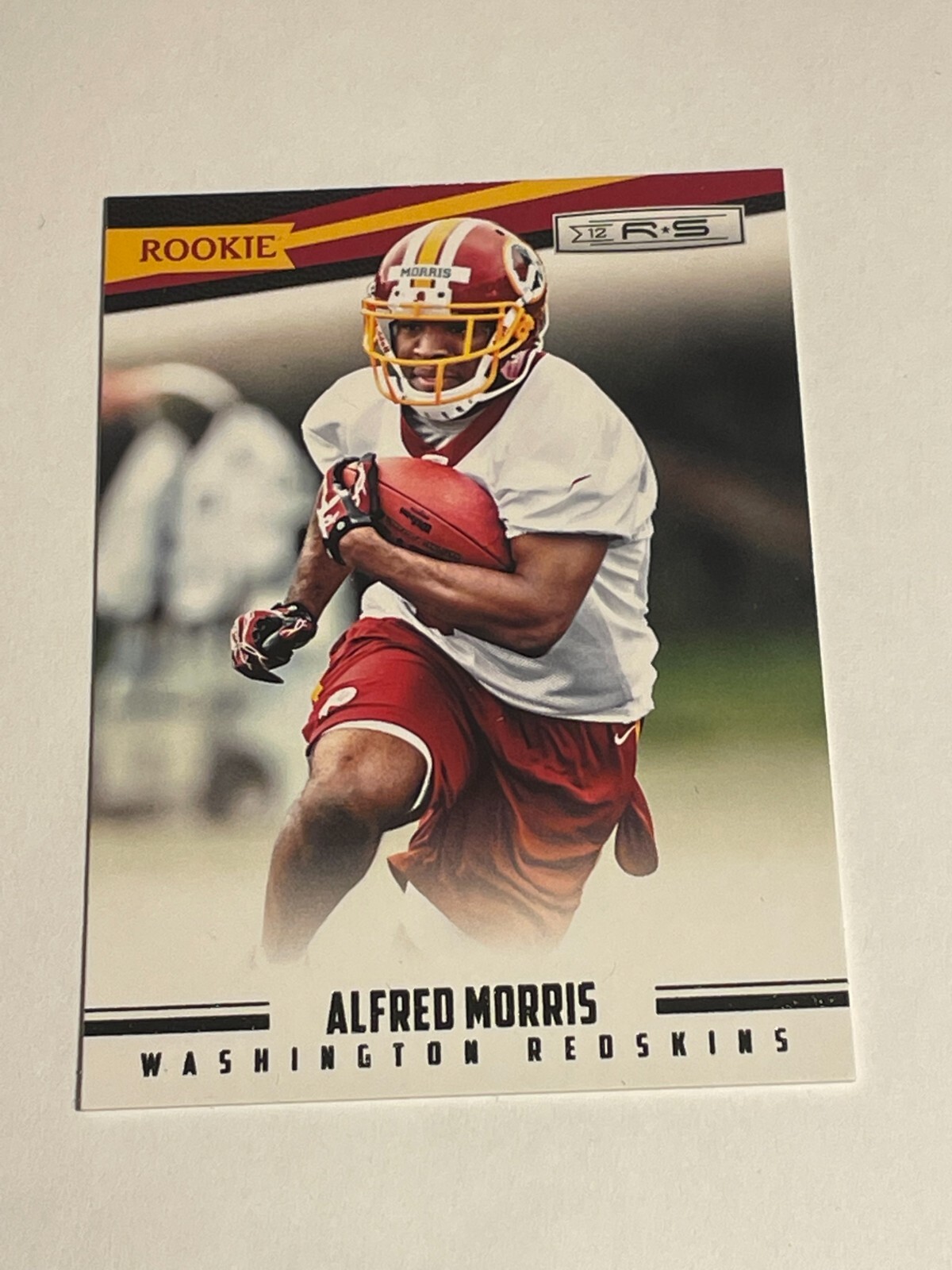
The collegiate landscape provided Morris with the opportunity to refine his vision in zone-running systems. By the time he entered the 2012 NFL Draft, he had compiled a resume that emphasized patience and the ability to maximize yardage after contact. While he was not viewed as a top-tier prospect in a class heavily populated by highly touted running backs, his selection by the Washington Redskins in the sixth round—pick number 173 overall—marked the beginning of a significant statistical trajectory in professional football.
Professional Breakthrough in Washington
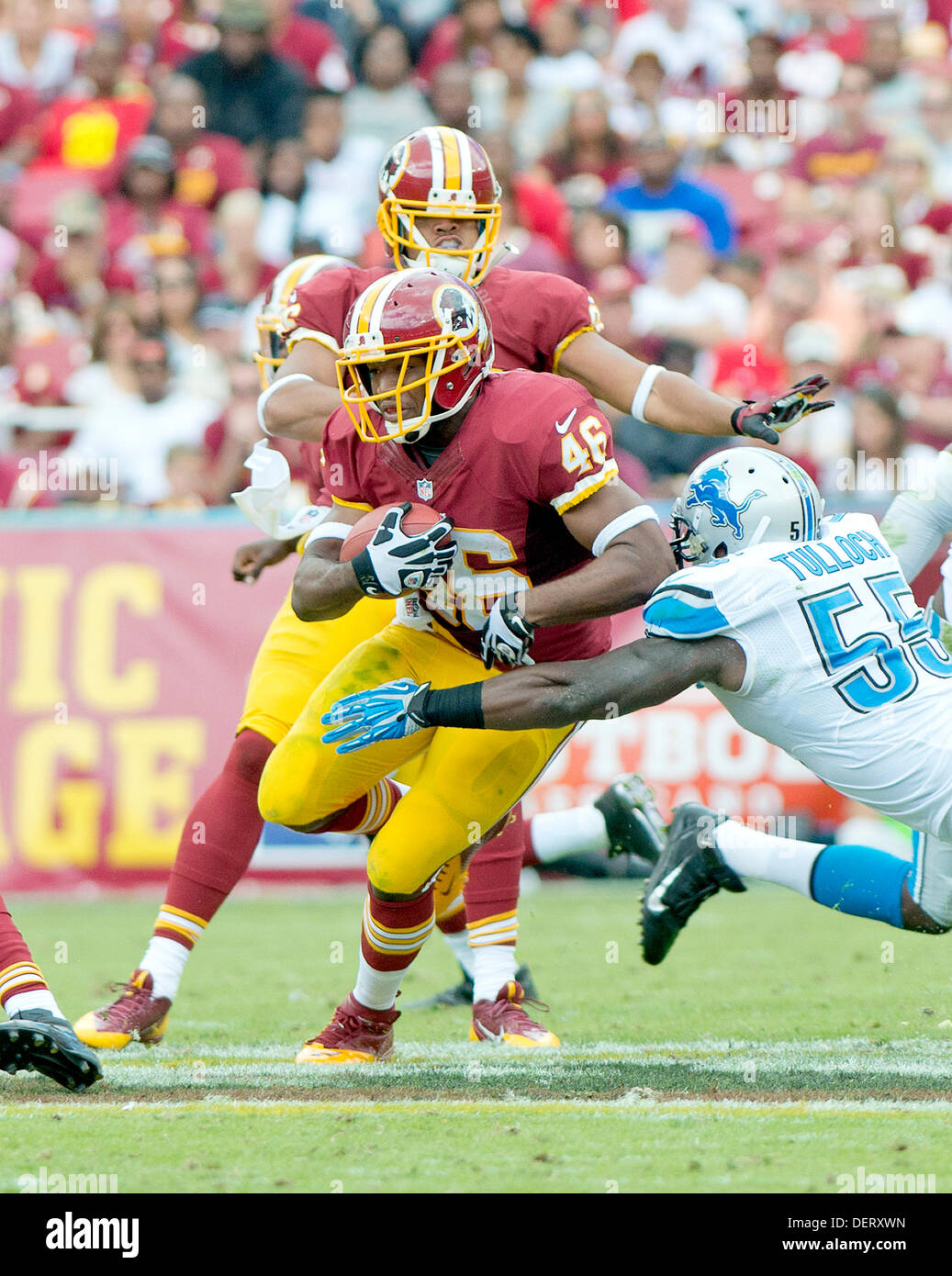
The most defining period of Alfred Morris’s career began in 2012 with the Washington Redskins. Under the offensive coaching philosophy of Mike Shanahan, Morris was thrust into a starting role almost immediately. His rookie season stands as one of the most productive debuts for a late-round draft pick in league history. He rushed for 1,613 yards and 13 touchdowns in his first year, effectively anchoring an offense that relied heavily on the play-action pass and an efficient rushing attack.
This era of his career established his reputation as a "blue-collar" back. He was frequently praised for his low center of gravity and his ability to churn out yardage between the tackles. This period also cemented his image as a humble professional, often noted by media outlets for his preference for modest transportation despite his professional success. The context of his tenure in Washington remains a study in how a specific offensive scheme can maximize the output of a running back who possesses high-level discipline and vision, even if he lacks the elite top-end speed often associated with superstar running backs.
Transitioning and Career Longevity
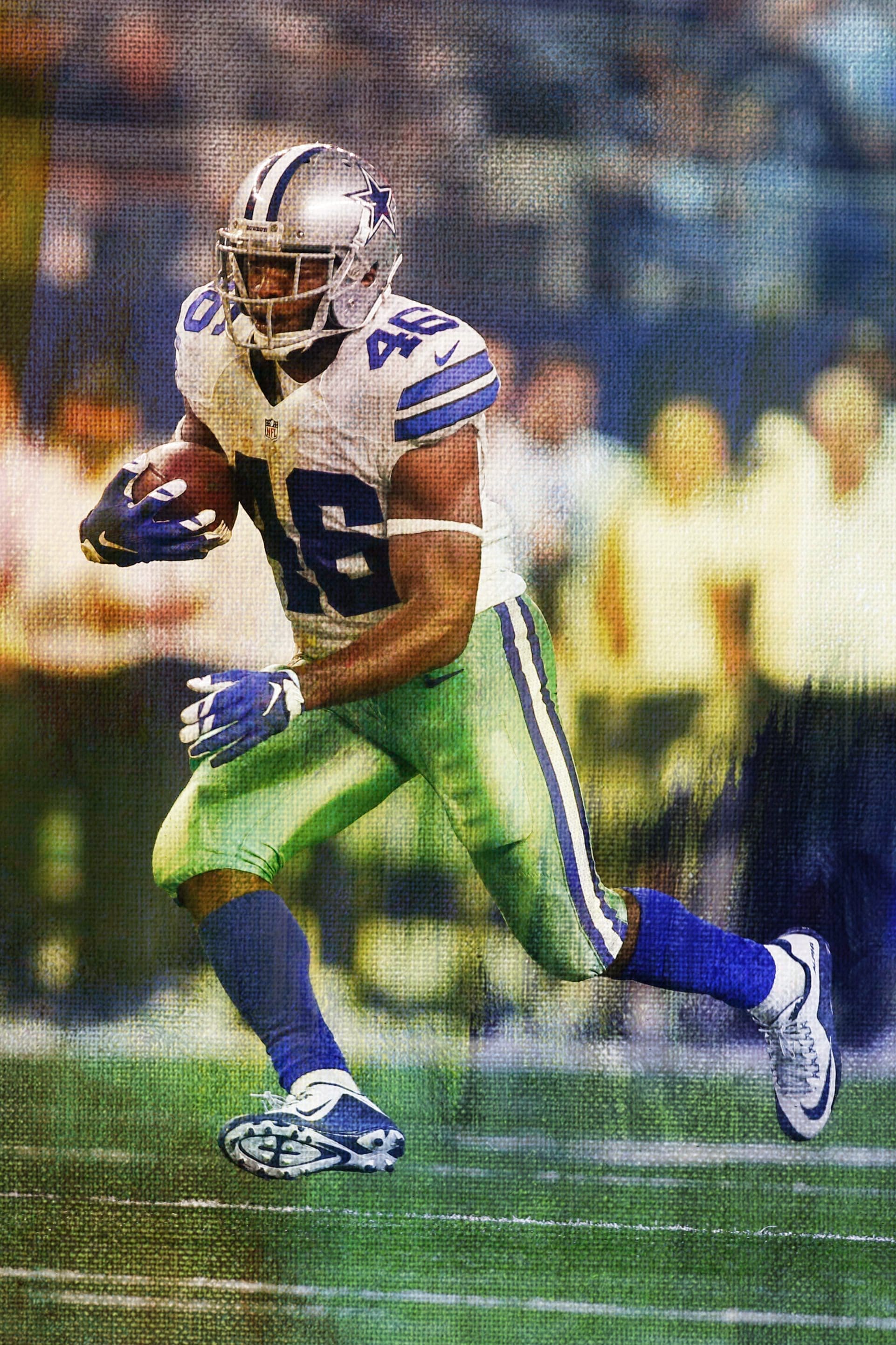
Following his initial stint in Washington, Morris’s career trajectory entered a phase of transition that is common for veteran running backs in the NFL. He spent time with the Dallas Cowboys, the San Francisco 49ers, the Arizona Cardinals, and the New York Giants. This portion of his profile is defined by his role as a reliable rotational player and a veteran mentor.
As players enter the latter stages of their careers, the requirements of their roles often shift from being the primary offensive engine to providing depth, pass protection, and situational utility. Morris adapted to this reality by leveraging his knowledge of defensive fronts and his experience in varied offensive systems. His ability to sustain a long career in a position noted for high injury rates and rapid turnover is a testament to his maintenance, preparation, and tactical awareness.
Statistical Benchmarks and Performance
When analyzing the career of Alfred Morris, it is essential to look at the intersection of volume and efficiency. While his rookie season remains an outlier in terms of total yardage, his subsequent years reflected the standard fluctuations of the NFL landscape.
| Metric Type | Typical Role/Expectation | Impact of Context |
|---|---|---|
| Early Career | Primary Back (Workhorse) | System-dependent, high volume |
| Mid-Career | Rotational/Committee Back | Efficiency-focused, situational usage |
| Late-Career | Veteran Depth/Mentor | Specialized usage, leadership value |
| Consistency | High Availability | Low injury frequency, steady production |
The above table illustrates the evolution of his professional utility. It is important to note that performance metrics in the NFL are heavily influenced by the quality of the offensive line, the play-calling philosophy of the head coach, and the presence of other offensive weapons. Morris operated in systems that required high-level discipline, and his performance remained relatively stable across multiple organizations because he provided a predictable and reliable baseline of production.
Tactical Strengths and Skillset
Alfred Morris’s success was rooted in a specific set of technical skills that made him a coach’s favorite. His primary strength was his "one-cut" running style. In a zone-blocking scheme, a running back is expected to read the movement of the defensive line and the development of the offensive line’s blocking path. Once a lane is identified, the back must commit fully to that path. Morris excelled at this, avoiding unnecessary lateral movement that often results in lost yardage behind the line of scrimmage.
Furthermore, his balance was consistently elite. Defenders often struggled to bring him down with arm tackles because of his compact frame and his tendency to keep his pads low. This physical profile allowed him to gain yards after contact, which is a critical metric for evaluating the effectiveness of a running back in tight-spaced defenses. Unlike backs who rely on agility or breakaway speed, Morris relied on a persistent, aggressive approach that wore down defensive units over the course of four quarters.
Professional Impact and Legacy
The legacy of Alfred Morris serves as a frequent case study for front-office evaluators regarding the value of mid-to-late round draft picks. His success proved that elite productivity is not exclusive to high-draft-capital selections. By focusing on players with high "football IQ," durability, and the right physical traits for a specific offensive system, teams can secure high-value performance without committing massive financial resources.
His career also highlights the importance of the relationship between a running back and his offensive scheme. Morris’s effectiveness was maximized when he was placed in systems that valued zone-blocking and power-running. When analyzing his profile, observers often note that his dip in total yardage in later years was less a reflection of skill degradation and more a result of being deployed in diverse schemes that did not always cater to his specific, north-south running style.
Frequently Asked Questions
What was the key to Alfred Morris’s immediate success as a rookie?
Alfred Morris succeeded as a rookie primarily due to his seamless fit into the zone-blocking scheme used by the Washington Redskins. His ability to quickly read blocking lanes and commit to a single cut allowed him to exploit gaps before defensive lines could adjust. This, combined with high-volume usage, turned him into one of the league's leading rushers in his first season.
How did Alfred Morris maintain a long career in the NFL?
He maintained a long career by prioritizing physical conditioning and mastering the mental aspects of the game, including pass protection and understanding defensive blitz patterns. His shift from a workhorse back to a reliable, veteran presence allowed him to provide value to multiple teams by filling specific gaps in their depth charts.
Did Alfred Morris play for multiple teams during his career?
Yes, after starting his career with the Washington Redskins, Morris played for the Dallas Cowboys, the San Francisco 49ers, the Arizona Cardinals, and the New York Giants. This movement between teams is common for veteran running backs who provide specialized utility rather than carrying the full load of an offense.
What are the main physical attributes that defined his style?
His style was defined by a low center of gravity, exceptional balance, and high-level vision. These attributes allowed him to absorb contact, maintain his trajectory through traffic, and consistently gain positive yardage, making him a reliable option for coaches needing to sustain drives.
Next Steps for Analysis
For researchers and analysts looking to deepen their understanding of Alfred Morris’s impact, the logical next step is to examine his "yards after contact" and "broken tackle" metrics across his different teams. Comparing his performance in the Washington zone-blocking system against his output in the more varied schemes he encountered later in his career will provide a clearer picture of how systemic fit influences the longevity and productivity of professional running backs. Furthermore, reviewing the specific offensive line composition during his peak seasons provides the necessary context for why his yardage totals were exceptionally high during his tenure in Washington.