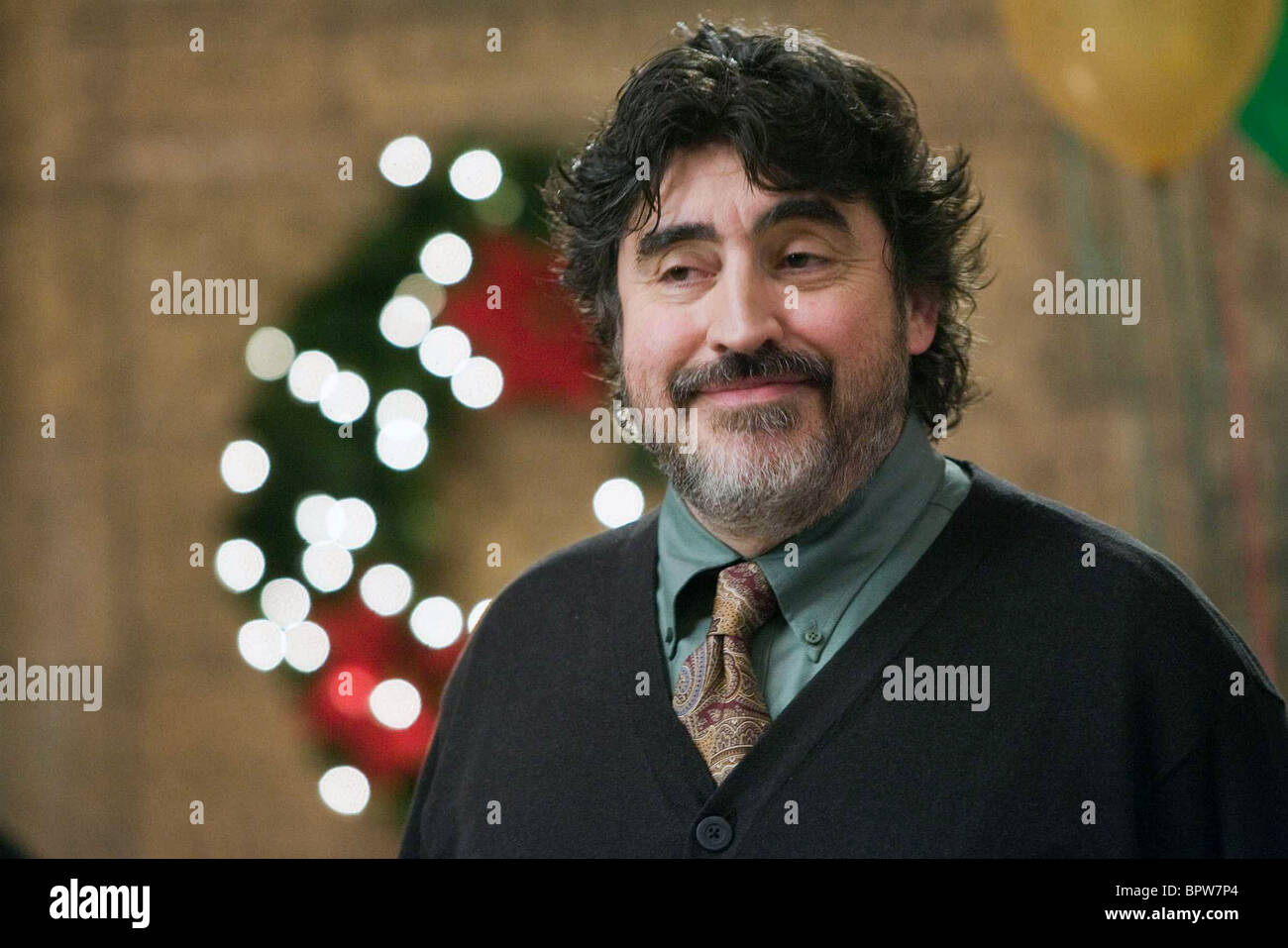
Alfred Molina is a versatile English-Spanish actor celebrated for his commanding screen presence and chameleon-like ability to transform across classical theatre, blockbuster cinema, and intimate independent films. Over a career spanning more than five decades, he has built a distinguished filmography characterized by memorable villains, historical figures, and complex dramatic performances.
The Foundations of a Stage and Screen Icon
Alfred Molina was born Alfredo Molina on May 24, 1953, in Paddington, London, to a Spanish father and an Italian mother. His early exposure to the arts fueled a passion for performance that led him to train at the prestigious Guildhall School of Music and Drama. During the 1970s, Molina honed his craft on the British stage, working extensively with regional theatre companies and eventually earning a place in the Royal Shakespeare Company. This classical theatrical grounding provided him with the vocal projection, physical control, and emotional depth that would later define his transition to film and television.
His breakout screen role arrived in 1982 when he was cast alongside Tom Hulce in Milos Forman’s Academy Award-winning film Amadeus. Playing the pompous and envious Italian composer Johann Nepomuk Weber, Molina made a striking cinematic impression despite his relatively limited screen time. This early exposure to high-caliber international productions established him as a reliable character actor capable of holding his own within large ensemble casts and period settings. Throughout the remainder of the 1980s and early 1990s, he balanced television appearances with supporting film work, steadily building a reputation for meticulous character construction and accent fluidity.
Defining Cinematic Roles Across Genres
Molina’s versatility became fully apparent in the mid-1990s as he took on a diverse array of characters that avoided typecasting. In 1995, he starred alongside Sally Field in the thriller Not Without My Daughter, delivering a complex and unsettling performance as an Iranian-American husband who traps his American wife and daughter in Tehran. While the film was controversial, Molina’s nuanced depiction of cultural conflict and psychological control demonstrated his capacity for heavy dramatic lifting. That same year, he appeared in Jim Jarmusch’s acclaimed acid western Dead Man, further proving his eclectic taste in cinematic projects.
Global recognition expanded exponentially when he joined the romantic comedy-drama Chocolat (2000) as the rigidly dogmatic Mayor Comte de Paulhet, locking horns with Juliette Binoche’s free-spirited chocolatier. His ability to balance unyielding authority with subtle vulnerability earned him a Screen Actors Guild Award nomination as part of the ensemble cast. Soon after, he delivered one of his most celebrated biographical performances in Julie Taymor’s Frida (2002), portraying the famous Mexican muralist Diego Rivera. Gaining significant weight for the role and capturing Rivera’s mercurial temperament, artistic genius, and tumultuous relationship with Frida Kahlo, played by Salma Hayek, Molina solidified his status as a dramatic heavyweight.
| Film Title | Release Year | Character Role | Key Genre / Recognition |
|---|---|---|---|
| Amadeus | 1982 | Johann Nepomuk Weber | Historical Drama / 8 Academy Awards |
| Not Without My Daughter | 1995 | Moody Mahmoody | Psychological Drama / Thriller |
| Chocolat | 2000 | Comte de Paulhet | Romantic Comedy-Drama / SAG Nominee |
| Frida | 2002 | Diego Rivera | Biographical Drama / Independent |
| Spider-Man 2 | 2004 | Dr. Otto Octavius / Doctor Octopus | Superhero / Blockbuster Franchise |
Entering Blockbuster Territory: Doctor Octopus
For global audiences, Molina achieved iconic status when director Sam Raimi cast him as the brilliant nuclear physicist turned tragic supervillain Dr. Otto Octavius in Spider-Man 2 (2004). Molina brought unexpected emotional resonance to the comic-book adaptation, portraying Doc Ock not as a mustache-twirling caricature, but as a sympathetic mentor figure driven mad by a failed experiment and the malevolent influence of his mechanical tentacles. His performance is widely regarded by critics and fans as one of the finest villainous turns in superhero cinema history, combining high-stakes action with genuine tragic pathos.
Nearly two decades later, Molina reprised this career-defining role in the Marvel Cinematic Universe crossover Spider-Man: No Way Home (2021). Utilizing state-of-the-art de-aging technology and returning to the character with renewed maturity, he seamlessly bridged generations of comic book filmmaking. His return was met with immense enthusiasm from audiences who had grown up watching his original performance, cementing his legacy within modern pop culture while proving the enduring appeal of his measured, character-driven approach to blockbuster acting.
Critical Acclaim in Independent and Ensemble Cinema
Beyond blockbuster franchises, Molina has maintained a robust presence in independent cinema, dark comedy, and prestige television. In 2009, he starred in Lone Scherfig’s coming-of-age drama An Education, playing the protective, conservative father of Carey Mulligan’s character. His performance captured the suffocating yet well-meaning parental strictures of 1960s suburban England, earning widespread critical acclaim and contributing to the film's multiple Academy Award nominations.
Equally adept at comedy, Molina teamed up with director Ira Sachs for the poignant drama Love Is Strange (2014), where he and John Lithgow played a long-term same-sex couple facing legal and financial turmoil after getting married in New York. The film received universal praise for its tender, naturalistic portrayal of aging and devotion, with Molina’s understated performance highlighting his remarkable range. On television, he earned an Emmy Award nomination for his portrayal of film director Robert Aldrich in the Ryan Murphy biographical miniseries Feud: Bette and Joan (2017), capturing the grueling creative pressures and industry politics of classic Hollywood.
The Stage Legacy and Directorial Pursuits
While film and television have brought him international fame, Molina has never abandoned his theatrical roots. He has maintained an active presence on London’s West End and Broadway, conquering difficult roles that demand immense stamina. In 1998, he made his Broadway debut in Yasmina Reza’s Tony Award-winning play Art, starring alongside Alan Alda and Victor Garber. He returned to Broadway to star in a revival of Fiddler on the Roof as Tevye, a role that earned him a Tony Award nomination in 2005.
Molina's theatre work demonstrates an ongoing commitment to complex psychological storytelling, often exploring themes of cultural identity, aging, and moral ambiguity. Whether performing in intimate black-box theatres or massive commercial venues, he approaches stage work with the same rigorous preparation that characterizes his cinematic career, ensuring that his artistic output remains varied, challenging, and deeply respected by peers and critics alike.
Frequently Asked Questions
What was Alfred Molina’s breakthrough movie role?
Alfred Molina’s breakthrough film role was in Milos Forman’s 1982 masterpiece Amadeus, where he played Johann Nepomuk Weber. Though he had previously worked extensively in British theatre and television, this international production introduced him to a global audience and established his credibility as a formidable character actor.
How did Alfred Molina prepare to play Diego Rivera in Frida?
To play Mexican muralist Diego Rivera in the 2002 biographical film Frida, Molina gained approximately 30 pounds and worked closely with dialect and art coaches. He studied Rivera's artistic techniques and mannerisms to capture the painter's intense charisma, intellectual depth, and turbulent personal life alongside co-star Salma Hayek.
Did Alfred Molina perform his own stunts as Doctor Octopus in Spider-Man 2?
While professional stunt doubles handled high-risk physical sequences and wirework, Molina performed a significant portion of his dramatic scenes, close-up interactions, and dialogue-driven action beats. He worked closely with the stunt team to coordinate the movements of the physical and CGI-enhanced mechanical tentacles to ensure a seamless, grounded performance.
Is Alfred Molina still active in theatre and film?
Yes, Alfred Molina remains highly active in both film, television, and theatre. He continues to take on diverse roles in independent dramas, voice acting projects for animated features, and high-profile television series, balancing commercial work with character-driven storytelling.
Has Alfred Molina won any major acting awards?
While Molina has not won an Academy Award, he has received numerous prestigious accolades and nominations throughout his career. These include nominations for Tony Awards, Emmy Awards, and Screen Actors Guild Awards, reflecting peer recognition of his sustained excellence across stage and screen.
Strategic Next Steps for Film Enthusiasts
To fully appreciate the scope of Alfred Molina’s career, viewers should look beyond his blockbuster credits and explore his extensive independent filmography. Start by examining his transformative biographical work in Frida, followed by his understated dramatic precision in An Education and Love Is Strange. For fans of his theatrical performances, seeking out recorded stage productions or exploring his extensive voice-acting credits in animated features offers a comprehensive look at how an enduring character actor sustains artistic relevance across five decades of changing cinematic landscapes.