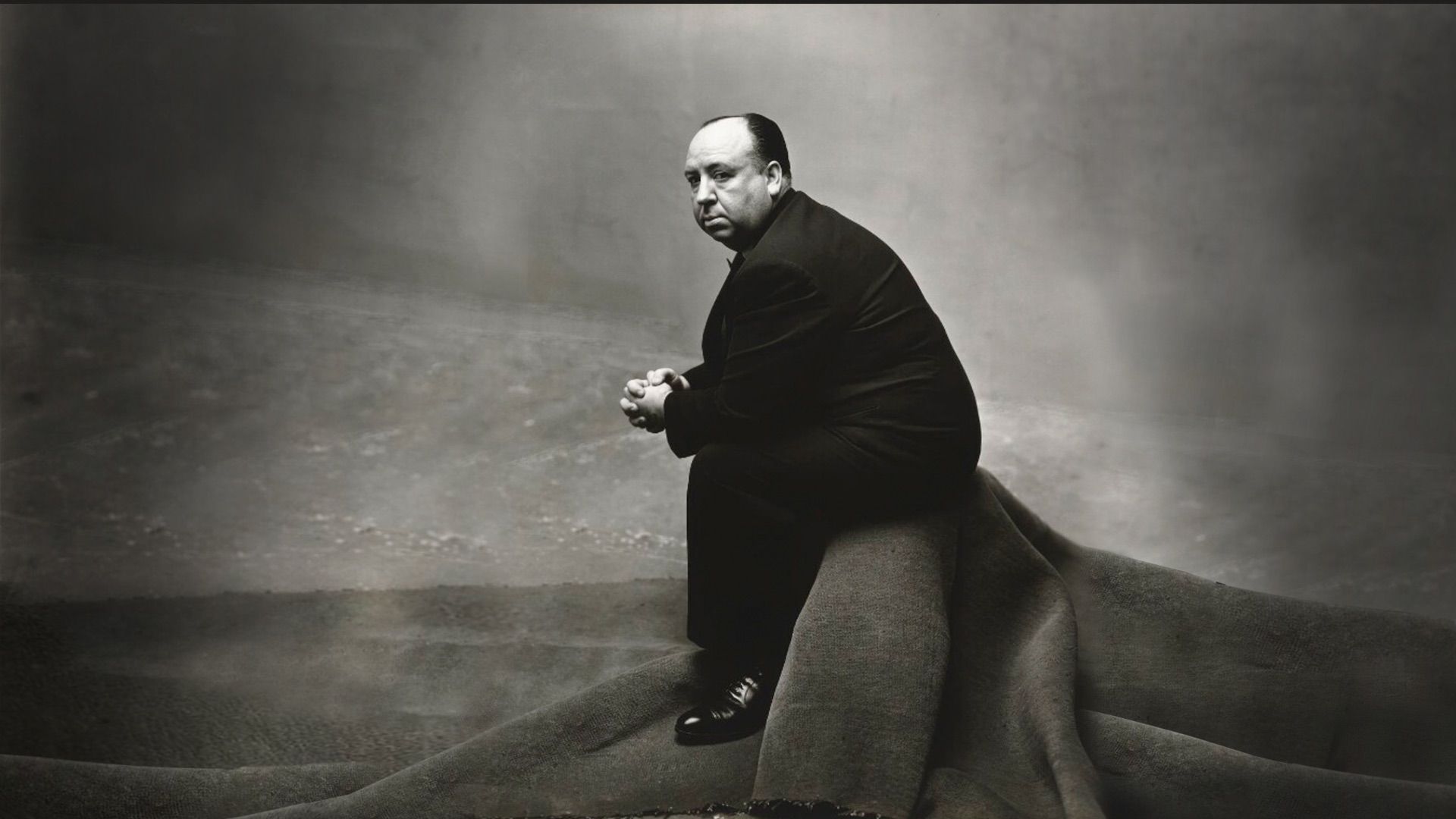
Alfred Hitchcock’s substantial physical presence was as integral to his public persona as the swirling vertigo camera moves and macabre plot twists of his cinematic masterpieces. Throughout his legendary career, the director managed his heavy frame through a shifting landscape of radical diets, medical interventions, and stubborn personal habits, projecting an instantly recognizable silhouette that he frequently leveraged for self-promotion and cameo appearances.
The Evolution of the Director's Silhouette
Alfred Hitchcock was not born with his famously portly frame; rather, his weight expanded steadily over decades, influenced by a combination of a sedentary lifestyle, a deep appreciation for fine dining, and the high-stress environment of Hollywood studio production. Early photographs from his British silent film era reveal a much leaner young man, yet by the time he transitioned to American psychological thrillers in the 1940s, his weight had become a defining characteristic. This physical evolution mirrored the growth of his professional authority. As his box-office clout increased with films like Shadow of a Doubt and Notorious, his distinctive silhouette transformed from a personal health trait into a globally recognized corporate trademark used on the title cards of Alfred Hitchcock Presents.
Managing this iconic physique was a lifelong struggle marked by public declarations and private relapses. Hitchcock’s relationship with food was both celebratory and compulsive. He was known for his epicurean tastes, frequently indulging in rich French sauces, heavy red meats, and copious amounts of alcohol, particularly wine and champagne. Yet, studio pressures and medical warnings periodically forced him into cycles of drastic weight reduction. These fluctuations rarely resulted in permanent lifestyle changes, highlighting the intense difficulty of managing severe obesity in an era before modern bariatric medicine and sophisticated nutritional science.
Dieting Scandals and Radical Weight Loss Regimens
Whenever Hitchcock’s weight reached dangerous thresholds, his physicians and studio executives intervened, prompting the director to embark on notoriously aggressive diets that often made headlines in the entertainment press. During the production of various films in the 1950s and 1960s, Hitchcock subjected himself to restrictive regimens that ranged from near-starvation liquid diets to bizarre mono-diets focused on specific food groups. One well-documented regimen involved subsisting almost entirely on boiled eggs and spinach for weeks at a time, a method that yielded rapid initial weight loss but proved entirely unsustainable over the long term.
These radical attempts at weight management frequently clashed with his love of gastronomy and his social obligations as a prominent Hollywood host. Biographers have noted that Hitchcock would often lose dozens of pounds under strict medical supervision only to regain the weight just as quickly once production wrapped and he resumed his customary dining habits at exclusive Los Angeles restaurants like Chasen’s and Romanoff’s. His approach to dieting lacked the psychological framing of modern weight management, treating the scale as an adversary to be conquered through sheer willpower rather than a metric for sustainable metabolic health.
| Diet Phase | Primary Method | Estimated Weight Shift | Primary Challenge |
|---|---|---|---|
| Early Hollywood Era | Standard affluent diet with heavy dining | Steady increase | Sedentary lifestyle and rich studio hospitality |
| Medical Interventions | Restrictive calorie counts and medical supervision | Rapid loss (30–50 lbs) | Severe dietary monotony and social restrictions |
| Crash Regimens | Mono-diets (e.g., boiled eggs, spinach, liquids) | Fluctuating drops | High rate of weight regain post-production |
| Later Years | Prescribed low-sodium and portion control | Moderate stabilization | Declining physical mobility and chronic fatigue |
Medical Challenges and the Impact on Filmmaking
Hitchcock’s heavy physique took a severe toll on his physical well-being, directly impacting his daily operations on the film set and forcing him to adapt his directing style to accommodate his physical limitations. By the time he directed complex, physically demanding sequences like the crop-duster attack in North by Northwest or the meticulous bird onslaught in The Birds, his mobility was severely restricted. He spent long hours seated in specially reinforced directorial chairs, relying on his trusted crew members—including his wife and invaluable film editor Alma Reville—to scout angles and manage physical setups that required extensive walking or climbing.
Health scares were common, and studio insurance underwriters frequently monitored his physical condition before greenlighting multi-million-dollar productions. Conditions associated with severe obesity, such as high blood pressure, cardiovascular strain, and severe arthritis, plagued his later years. Despite these mounting medical challenges, Hitchcock rarely allowed his physical suffering to derail his exacting creative vision. He used his bulk strategically, sometimes leaning into self-deprecating humor during interviews to disarm critics and maintain absolute control over his public narrative as the undisputed master of suspense.
Public Persona and Self-Caricature
Few filmmakers in cinematic history have weaponized their physical appearance for marketing purposes as effectively as Alfred Hitchcock. Rather than attempting to hide his obesity, he turned his body into a brand logo. The iconic minimalist profile drawing of his head and rounded stomach, sketched by Hitchcock himself, became the universal symbol for suspense, appearing on book jackets, television screens, and promotional merchandise. This self-caricature allowed him to control how the public perceived his weight, shifting the cultural narrative from one of unhealthiness to one of eccentric genius.
[Hitchcock Silhouette Sketch] ,---. / \ | () () | <-- Iconic profile used for title cards and merchandise \ _ / /-----\ / \ <-- Distinctive rounded torso framing his public brand
This mastery of branding manifested physically during his television introductions for Alfred Hitchcock Presents, where he would deadpan his way through dark comedic monologues while standing beside or sitting heavily behind a desk. By poking fun at his own girth—often quipping about his diet failures or heavy meals—he humanized his imposing physical presence while simultaneously reinforcing his authority. This calculated vulnerability masked a deeply private man who carefully guarded his personal life behind an impenetrable wall of British wit and cinematic precision.
Practical Lessons from Mid-Century Hollywood Health Struggles
Examining Alfred Hitchcock’s long battle with his weight provides a historical window into the primitive state of mid-century weight management and the immense psychological hurdles faced by individuals dealing with severe metabolic challenges. Without the benefit of modern endocrinology, nutritional education, or psychological support systems, Hollywood figures in the mid-20th century relied almost exclusively on crash dieting and temporary willpower. Hitchcock's cycle of rapid weight loss and subsequent regain underscores the fundamental scientific reality that restrictive, short-term regimens cannot overcome systemic lifestyle and metabolic factors without permanent behavioral modification.
For modern observers, the director's physical journey serves as a cautionary tale regarding the dangers of sedentary professional environments paired with high stress and rich diets. While Hitchcock managed to sustain a prolific, six-decade filmmaking career despite his severe health liabilities, his later years were undeniably compromised by the physical strain of his unmanaged physique. Modern wellness standards emphasize sustainable nutrition, cardiovascular health, and medical supervision—resources that, had they been available in the mid-1900s, might have extended the master's vitality well beyond his final film, Family Plot.
Frequently Asked Questions
How much did Alfred Hitchcock weigh at his heaviest?
At his heaviest during the peak of his career, Alfred Hitchcock reportedly weighed over 300 pounds (approximately 136 kilograms). His substantial frame was exacerbated by his lack of exercise, long hours sitting in editing rooms and on sets, and an appetite for rich foods and fine wines.
Did Alfred Hitchcock's weight affect his ability to direct films?
Yes, his weight severely limited his physical mobility in his later years, requiring him to direct large portions of his films from a specialized, reinforced chair. However, he maintained absolute mental command over his productions, relying on trusted crew members to handle physically demanding scouting and setup tasks.
What diets did Alfred Hitchcock try to manage his weight?
Hitchcock attempted numerous fad diets under medical supervision, including highly restrictive regimens focused on single foods like boiled eggs and spinach, as well as liquid-only fasting phases. These diets typically resulted in rapid short-term weight loss followed by a return to his previous weight once production schedules eased.
Why did Hitchcock use his silhouette as a logo?
Hitchcock transformed his distinct physical shape into a powerful marketing asset by commissioning a minimalist profile drawing of his head and rounded torso. This iconic caricature became his personal trademark, featuring prominently on television show intros, book covers, and promotional materials to build instant brand recognition.
How did Hollywood studios handle Hitchcock's health risks?
Studio executives and insurance underwriters closely monitored Hitchcock's health due to his severe obesity and advancing age, particularly during expensive multi-picture deals. Despite occasional health scares and required medical clearances, his consistent box-office success ensured studios continued financing his projects.
Final Action Plan for Health and Historical Context
When exploring the life and career of Alfred Hitchcock, researchers and cinema enthusiasts should view his physical struggles through the lens of mid-20th-century medical limitations. To deepen your understanding of his cinematic legacy and personal history, review contemporary biographies, examine studio production archives from Paramount and Universal, and analyze how his physical branding transformed the marketing of auteur cinema.