The comparison between Alfred Hitchcock and Ed Gein frames a defining collision between Hollywood auteurship and real-world rural horror, permanently altering the psychological boundaries of modern cinema through the creation of Psycho. This intersection of meticulous craftsmanship and harrowing deviance transformed how horror was conceived, marketed, and consumed on the silver screen.
The Architect of Suspense: Alfred Hitchcock’s Cinematic Evolution
Alfred Hitchcock entered the 1960s at the height of his critical and commercial success, having recently directed masterpieces such as Vertigo (1958) and North by Northwest (1959). Known as the Master of Suspense, Hitchcock possessed an immaculate technical command of the medium, utilizing precise framing, subjective camera angles, and innovative editing to manipulate audience emotions. However, by the late 1950s, the director sought a new challenge that would shock contemporary moviegoers and subvert conventional morality.
Hitchcock’s interest turned toward the macabre when he read Robert Bloch’s 1959 novel, Psycho. The book was loosely inspired by the horrific crimes of Ed Gein, a quiet handyman from Plainfield, Wisconsin, whose arrest in 1957 revealed a trail of grave-robbing, mutilation, and murder. Sensing an opportunity to push the boundaries of cinematic censorship and audience endurance, Hitchcock purchased the rights anonymously and set out to adapt the material. In doing so, he transitioned from high-society thrillers to visceral, intimate terror, betting his own capital on a production that studio executives initially rejected as too sordid and unfilmable.
The Monster of Plainfield: The Real Crimes of Ed Gein
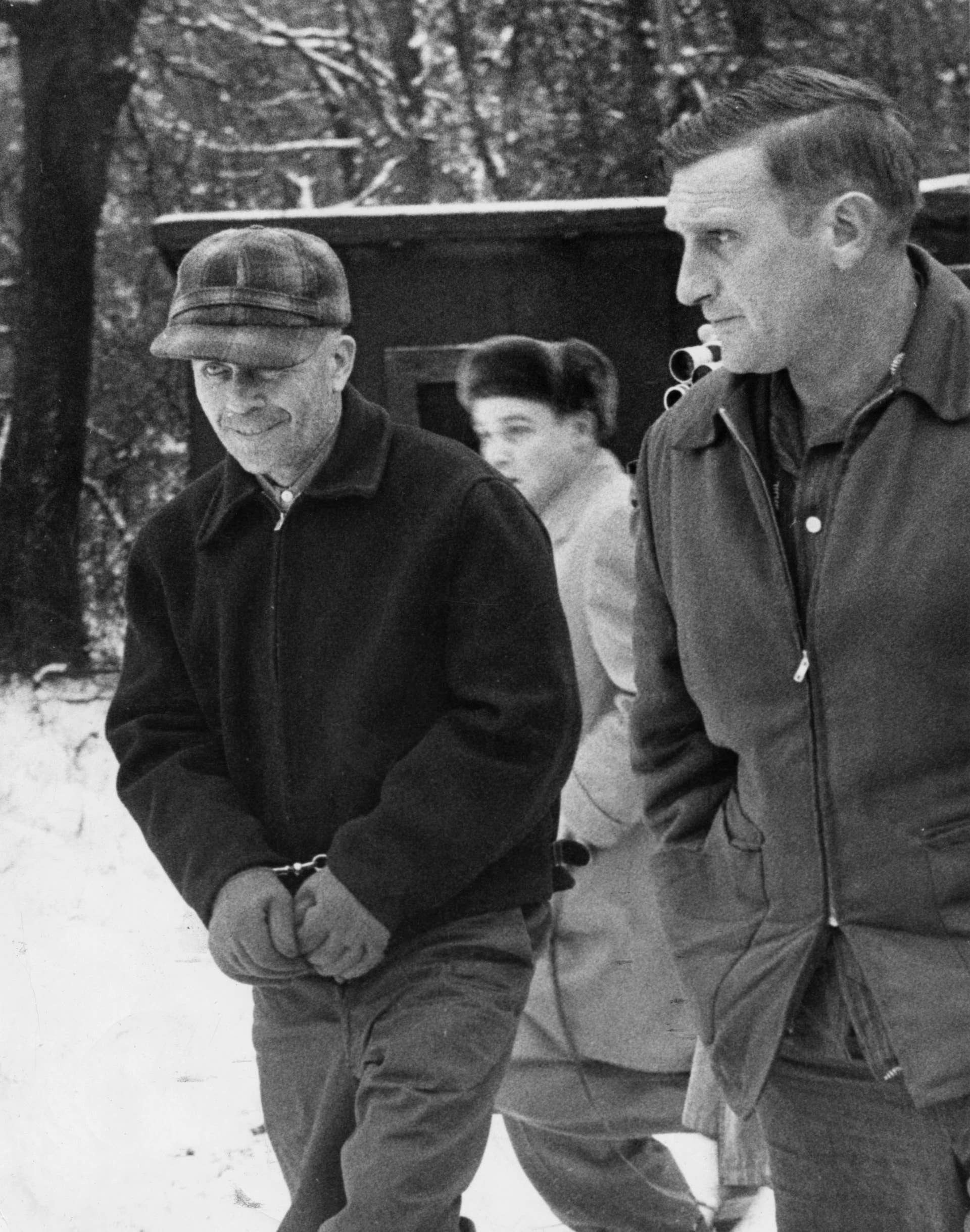
Ed Gein’s atrocities came to light in November 1957 when local authorities investigated the disappearance of Plainfield hardware store owner Bernice Worden. Upon entering Gein’s farmhouse, police uncovered a horrific tableau that defied ordinary human comprehension. Far beyond a typical serial killer, Gein had engaged in extensive body snatching from local cemeteries, utilizing human remains to craft household items, clothing, and masks.
Investigators recovered chairs upholstered in human skin, bowls made from skulls, and garments fashioned from female torsos. Gein confessed to the murders of Bernice Worden and Mary Hogan, along with the desecration of numerous graves in the local cemetery, driven by an obsessive, deeply disturbed fixation on his deceased mother, Augusta. The sheer bizarreness and localized horror of the case captivated the American public, instantly embedding Gein into the national consciousness as a symbol of domestic, hidden evil. While Gein was eventually found legally insane and remanded to a psychiatric institution for the remainder of his life, his legacy transcended true-crime history to become the foundational blueprint for modern cinematic monsters.
The Convergence: How Reality Built Norman Bates
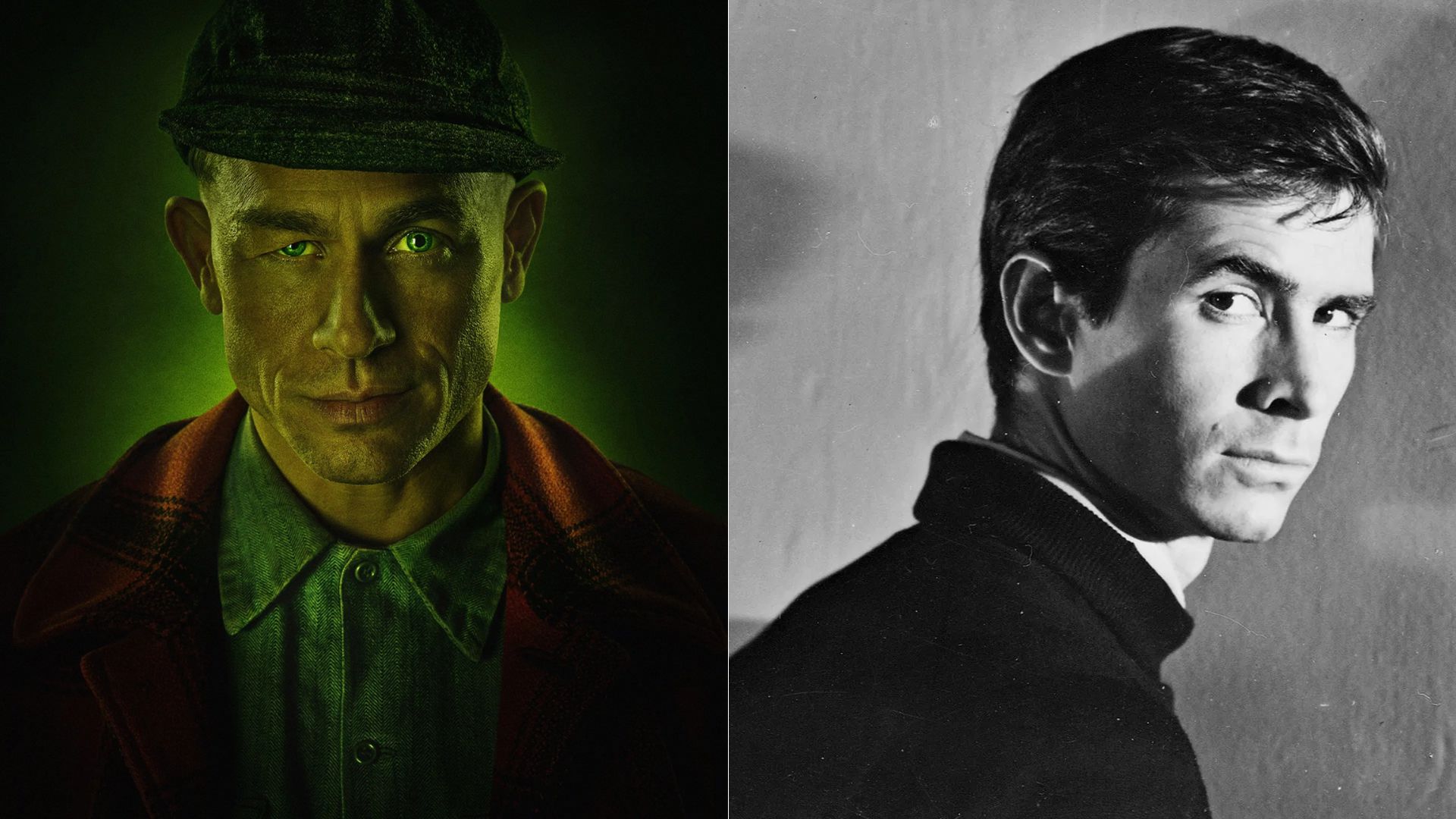
The collision between Hitchcock's fictional universe and Gein's reality occurred in the transfer of psychological motivation from page to screen. Robert Bloch used Gein as a loose starting point for Norman Bates, but Hitchcock and screenwriter Joseph Stefano refined the character into a complex, tragic figure trapped by maternal domination. The duality of Norman Bates—a polite, unassuming motel manager harboring a lethal, split personality—mirrored the public shock surrounding Ed Gein, who neighbors had regarded as a harmless, albeit eccentric, eccentric bachelor.
| Element | Alfred Hitchcock (Psycho) | Ed Gein (True Crime) |
|---|---|---|
| Primary Medium | Feature film and narrative fiction | Historical reality and criminal records |
| Location | The isolated Bates Motel, Colorado | Plainfield, rural Wisconsin |
| Core Motivation | Oedipal complex, maternal domination, and dissociative identity | Severe psychosis, trauma, and morbid fixation on his mother |
| Signature Artifact | The fruit cellar and Victorian mansion | Mutilated remains, skin suits, and bone artifacts |
| Cultural Impact | Revolutionized horror censorship, pacing, and marketing | Spawned the archetype of the isolated, psychotic rural killer |
This table highlights the direct translation and significant artistic embellishment that occurred when raw historical trauma was processed through the lens of Hollywood auteurship. While Gein’s actual crimes were chaotic and grotesque, Hitchcock distilled these elements into a sleek, tightly wound narrative that forced audiences to sympathize with a killer before revealing his true nature.
Breaking Censorship and Reshaping the Horror Genre
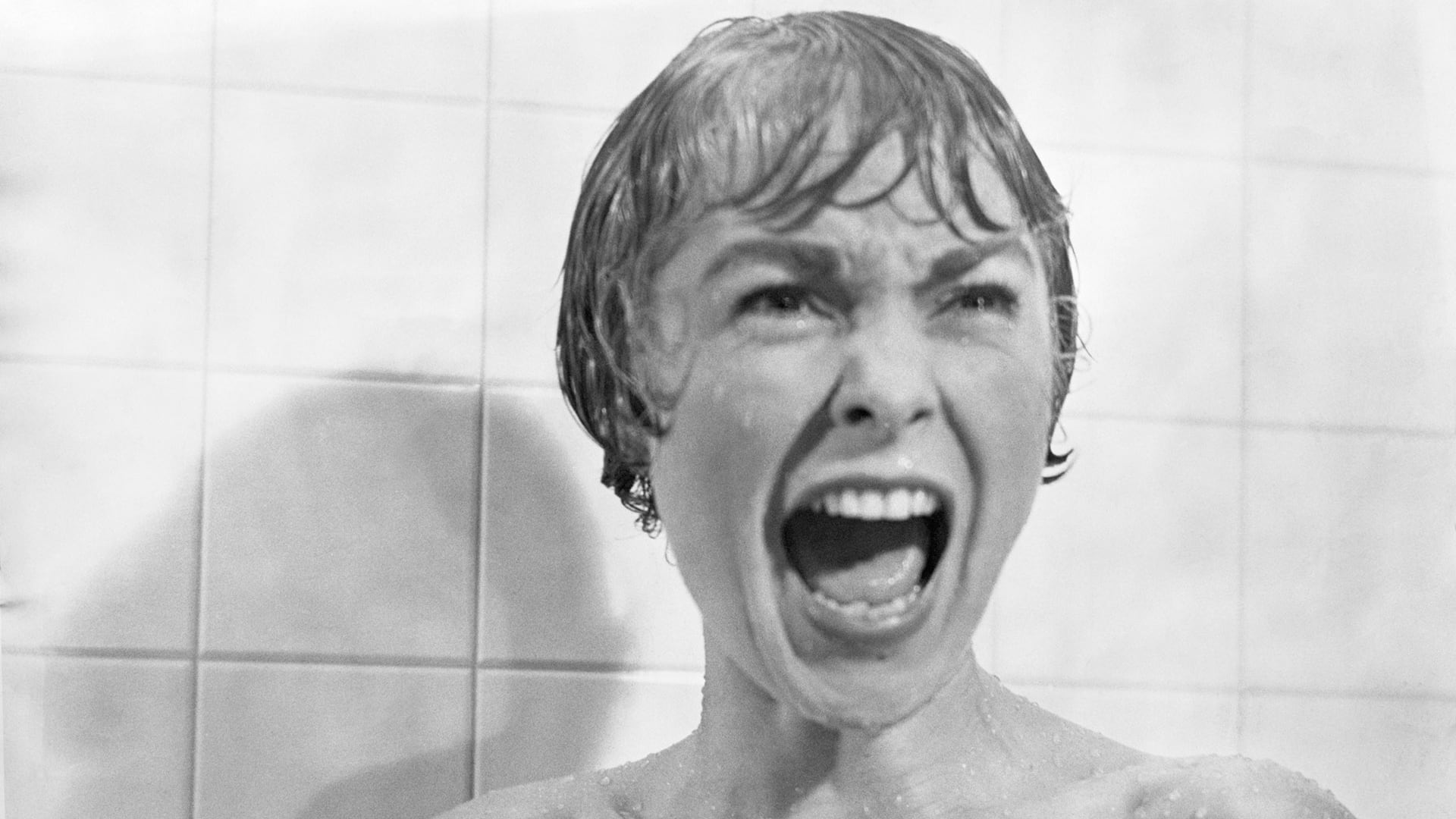
The production of Psycho represented a direct assault on the Motion Picture Production Code of 1930, commonly known as the Hays Code. Censors objected strenuously to multiple elements of the script, including the depiction of an unmarried couple sharing a bed in the opening scene, a flushing toilet, and the sheer brutality of the shower murder. Hitchcock navigated these obstacles through strategic negotiation, persistent lobbying, and clever misdirection, eventually conceding minor points while preserving the core elements of terror.
Furthermore, Hitchcock revolutionized film marketing and exhibition practices with Psycho. He instituted strict "no late admission" policies, forcing audiences to watch the film from the beginning and shattering the traditional casual viewing habits of 1960s theatergoers. By demanding secrecy and building unprecedented suspense around the marketing campaign, he transformed the moviegoing experience into an event. This strategy not only guaranteed massive box office returns but also proved that adult-oriented horror could be commercially viable on a major studio scale.
The Permanent Shadow: Gein’s Broader Cinematic Legacy
Beyond Psycho, Ed Gein’s life and crimes served as the primary inspiration for a generation of subsequent horror masterworks, cementing his status as the dark muse of American cinema. Tobe Hooper’s The Texas Chain Saw Massacre (1974) drew heavily upon Gein’s use of skin masks and gruesome domestic decor, while Jonathan Demme’s The Silence of the Lambs (1991) incorporated elements of Gein’s psychological profile into the characters of Buffalo Bill and Hannibal Lecter.
This cinematic lineage illustrates how the confrontation between Hitchcock and the ghost of Ed Gein opened a Pandora's box in popular culture. Filmmakers realized that the most terrifying monsters were not supernatural creatures or foreign invaders, but ordinary neighbors living quietly behind white picket fences. The darkest cinema showdown thus established a new paradigm, shifting horror away from gothic castles and toward the unsettling familiarity of the American landscape.
Frequently Asked Questions
Did Alfred Hitchcock meet Ed Gein in real life?
No, Alfred Hitchcock and Ed Gein never met. Hitchcock encountered Gein’s story exclusively through media reports and Robert Bloch’s 1959 novel, which was inspired by the sensationalized press coverage surrounding Gein’s 1957 arrest in Wisconsin.
Was Norman Bates an exact replica of Ed Gein?
No, Norman Bates was a fictionalized composite created by author Robert Bloch and adapted by screenwriter Joseph Stefano under Hitchcock’s direction. While Gein shared the traits of maternal obsession and isolation, his actual crimes involved extensive grave-robbing and cannibalistic tendencies far exceeding the fictionalized crimes of Bates.
How did Psycho change the horror film industry?
Psycho shattered traditional Hays Code censorship boundaries, proved that low-budget black-and-white films could achieve massive commercial success, and introduced revolutionary marketing tactics like strict anti-spoiler and no-late-admission policies that transformed modern distribution.
What other movies were inspired by Ed Gein?
In addition to Psycho, Ed Gein’s crimes directly inspired Tobe Hooper’s The Texas Chain Saw Massacre (1974), which utilized the concept of skin-wearing and rural isolation, and heavily influenced Thomas Harris’s novel The Silence of the Lambs (1991) regarding the character of Buffalo Bill.
Why is the confrontation between Hitchcock and Gein considered a showdown?
It represents a symbolic clash between high-art cinematic technique and raw, unfiltered true-crime horror. Hitchcock took the sordid reality of Gein’s rural atrocities and elevated them into a sophisticated artistic examination of guilt, voyeurism, and repression.
Strategic Next Steps for Film Historians and Researchers
To deepen your understanding of this pivotal era in cinema history, examine the original unedited script of Psycho alongside Robert Bloch’s 1959 source novel to observe how Hollywood sanitized and structured raw true crime into narrative art. Review historical documentation of the 1957 Plainfield investigation to separate factual criminal records from the sensationalized media myths that initially inspired the modern psychological horror genre.