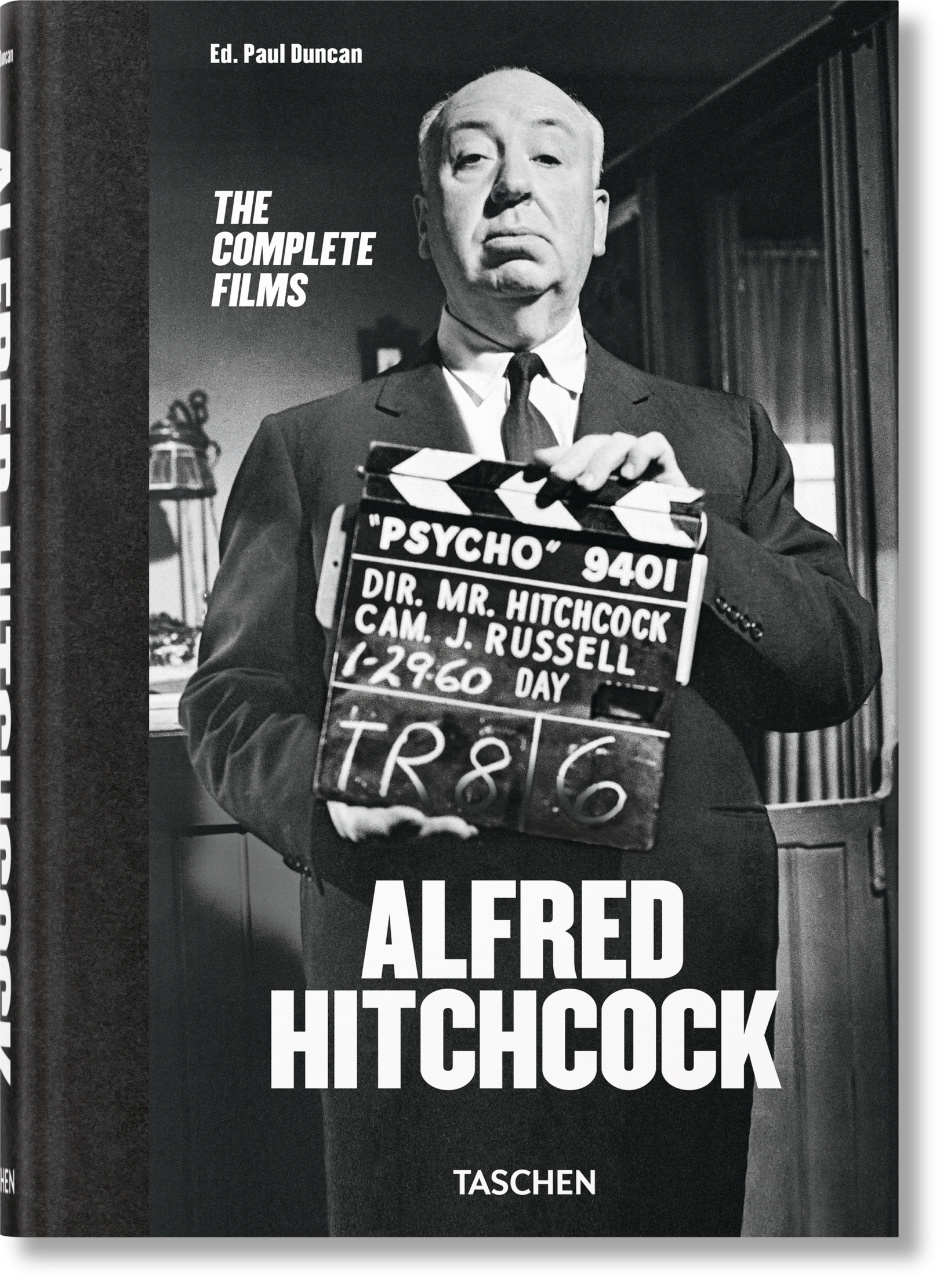
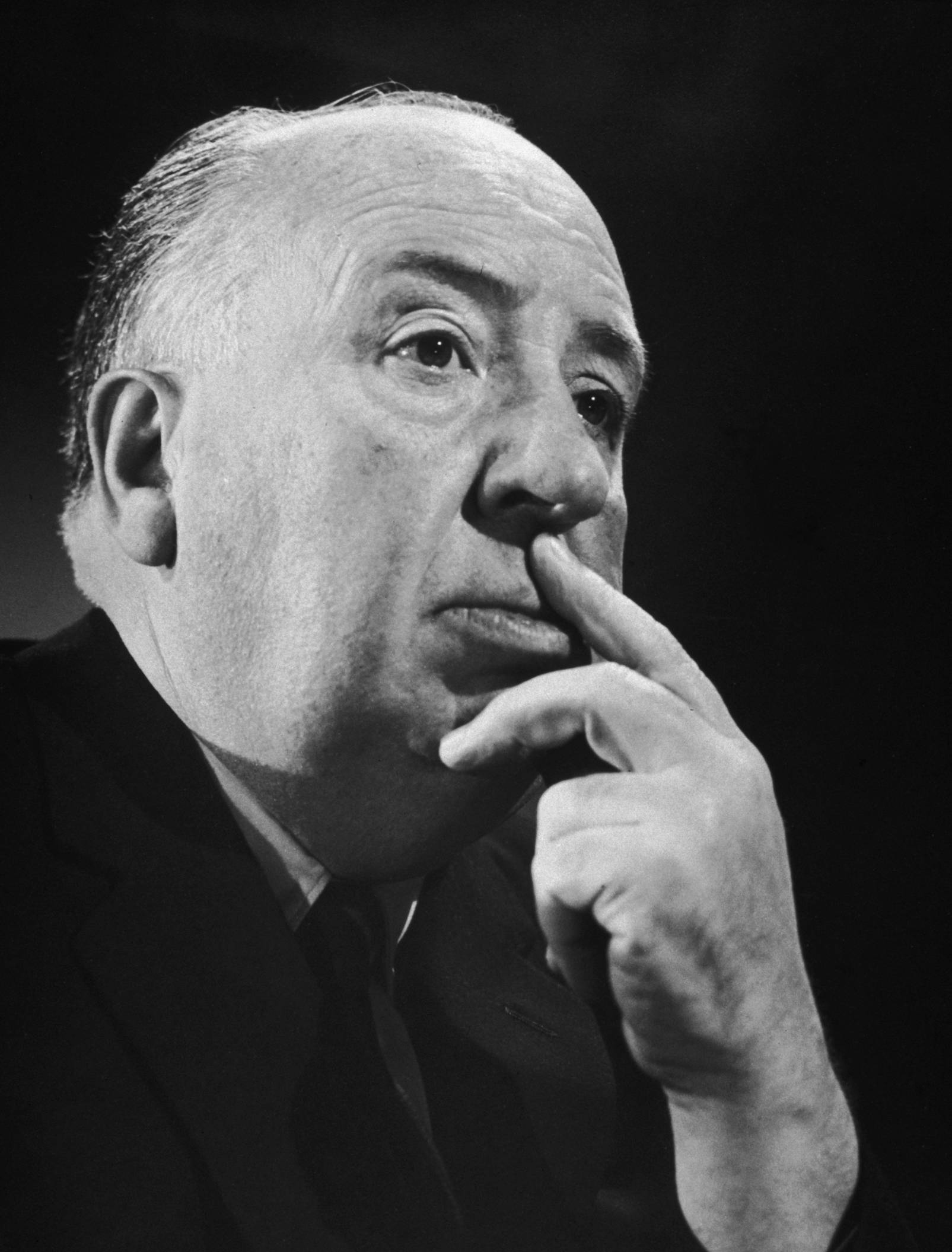
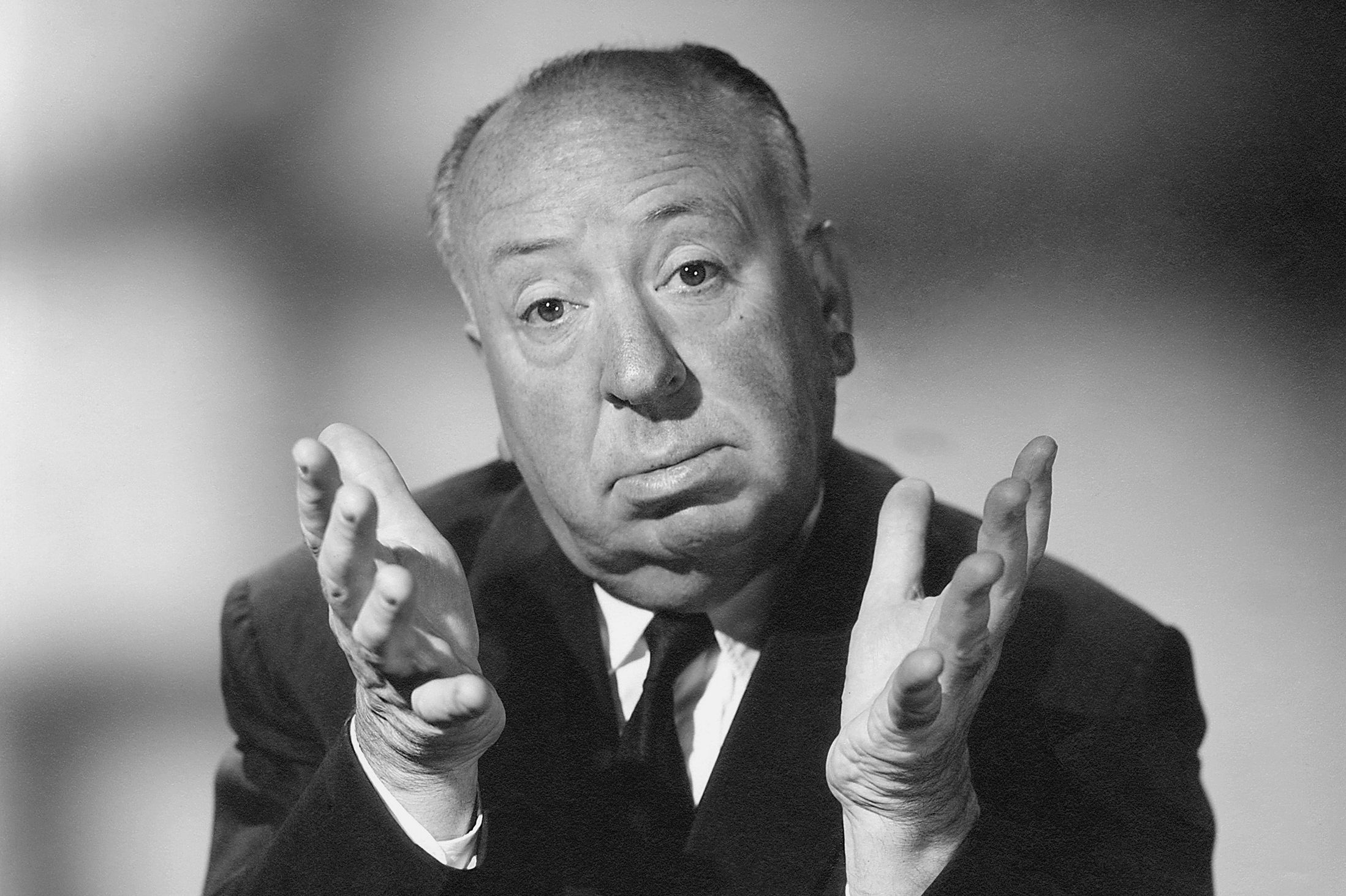
Sir Alfred Hitchcock remains one of the most influential and studied filmmakers in cinema history, renowned for pioneering modern techniques in suspense, psychological tension, and visual storytelling across a career spanning over five decades.
The Genesis of a Cinematic Vision: Early Life and British Period
Alfred Hitchcock was born in Leytonstone, London, on August 13, 1899. His early professional life began far away from the director's chair; he studied engineering and worked as a technical estimator and designer for a cable company. This background deeply informed his meticulous approach to filmmaking, where every frame was planned, storyboarded, and calculated before shooting commenced. In 1920, Hitchcock entered the film industry by designing title cards for the London branch of Famous Players-Lasky, which soon became Paramount Pictures.
During the silent film era and early British sound period, Hitchcock transitioned through various roles, including art director, scriptwriter, and assistant director, before making his directorial debut with The Pleasure Garden in 1925. His breakthrough film, The Lodger: A Story of the London Fog (1927), established many visual and thematic motifs that would define his entire career, such as the wrongly accused protagonist, expressionistic lighting, and deep explorations of guilt and paranoia. Throughout the 1930s, Hitchcock directed a string of celebrated British thrillers—including The 39 Steps (1935) and The Lady Vanishes (1938)—that demonstrated his mastery of pacing, wit, and audience manipulation. These successes caught the attention of Hollywood producer David O. Selznick, prompting Hitchcock’s relocation to the United States in 1939.
Hollywood Transition and the Golden Age of Thrillers
Moving to Hollywood marked a major shift in production scale and artistic autonomy for Hitchcock. His American debut, Rebecca (1940), won the Academy Award for Best Picture, instantly cementing his reputation in the American studio system. However, working within the Hollywood studio apparatus required constant negotiation with producers over creative control. Hitchcock solved this by exercising rigorous pre-production planning, rendering extensive storyboards that left little room for impromptu studio meddling during actual principal photography.
During the 1940s and 1950s, Hitchcock refined his technique, balancing commercial appeal with dark, psychological examinations. Films like Shadow of a Doubt (1943), Notorious (1946), and Strangers on a Train (1951) explored the proximity of evil to ordinary suburban life and the complex psychology of obsession. His collaboration with major stars of the era—including Cary Grant, Ingrid Bergman, Grace Kelly, and James Stewart—helped anchor his high-concept thrillers in emotional realism while maintaining strict visual control over the mise-en-scène.
Innovation in Visual Grammar and Narrative Technique
Hitchcock’s enduring impact on film theory and practice stems from his distinct cinematic grammar, which prioritized visual storytelling over exposition. He famously argued that if a film has to rely heavily on dialogue to explain a plot point, it is failing as pure cinema. His approach relied on several signature technical and narrative strategies:
- The MacGuffin: A plot device—such as a microfilm, stolen money, or an unexplained secret—that motivates the characters and drives the narrative forward, while its specific contents remain irrelevant to the audience's emotional engagement.
- Subjective Camera Work: Placing the audience directly into the psychological and physical perspective of the characters, forcing viewers to share their guilt, fear, or surveillance.
- Controlled Editing and Montage: Using rapid, calculated cuts to manipulate time, space, and audience emotional response, most famously demonstrated in the shower sequence in Psycho (1960).
- Spatial Geography: Establishing clear spatial relationships between characters and objects on screen so the audience always understands the physical stakes of a scene.
| Film Title | Release Year | Primary Subject / Premise | Key Technical Innovation |
|---|---|---|---|
| The Lodger | 1927 | A London community hunts a serial killer targeting blonde women. | Expressionistic shadows and subjective camera framing. |
| Rear Window | 1954 | A confined photographer suspects a neighbor has committed murder. | Single-set spatial geography and audience identification. |
| Vertigo | 1958 | An ex-detective suffers from acrophobia while trailing an enigmatic woman. | The "dolly zoom" effect to distort spatial perception. |
| Psycho | 1960 | A secretary flees with stolen cash and checks into an isolated motel. | Subversion of traditional narrative structure and rapid montage. |
The Masterpiece Era: Vertigo, North by Northwest, Psycho, and The Birds
Between 1958 and 1963, Hitchcock directed a tetralogy of films that many critics consider the absolute pinnacle of his artistic career. Each film tackled different facets of human obsession, identity, and irrational fear, while pushing the boundaries of contemporary censorship and studio expectations.
Vertigo (1958), initially met with mixed reviews and modest box office returns, has since been lauded by critics in international polls (such as the British Film Institute's Sight & Sound) as one of the greatest films ever made. It introduced the revolutionary "dolly zoom" (simultaneous camera zoom and track) to visually manifest the protagonist's severe vertigo. This was followed by the brisk, globally scaled espionage thriller North by Northwest (1959), which perfected the romantic thriller formula through iconic set pieces, such as the crop-duster attack.
In 1960, Hitchcock bypassed studio norms entirely by self-financing Psycho. Shot on a low budget with a television crew, the film shocked audiences by killing off its primary star early in the narrative and introducing complex psychological horror into mainstream cinema. He followed this with The Birds (1963), an apocalyptic thriller that relied on groundbreaking visual effects and an absence of a traditional musical score to create pervasive, inexplicable dread.
Cultural Impact, Television, and the "Hitchcock Blonde"
Beyond his theatrical feature films, Hitchcock expanded his cultural footprint through television and print media. From 1955 to 1965, he hosted the television anthology series Alfred Hitchcock Presents, delivering deadpan, cynical introductions and afterwords that turned the director into a globally recognized pop-culture icon. He also lent his name to a series of mystery short-story anthologies, further cementing his brand as the ultimate authority on suspense.
Within film studies, Hitchcock's work served as a primary battleground for auteur theory, championed by critics-turned-directors at Cahiers du Cinéma like François Truffaut and Jean-Luc Godard. They argued that Hitchcock possessed a distinct visual signature and thematic consistency that elevated him from a commercial entertainer to a major auteur artist. Concurrently, film scholars have closely analyzed the trope of the "Hitchcock Blonde"—sophisticated, coolly elegant women (such as Tippi Hedren, Grace Kelly, and Kim Novak) who often undergo psychological torment or transformation, reflecting complex examinations of power, desire, and control.
Evaluating Hitchcock's Legacy in Modern Cinema
Analyzing Alfred Hitchcock's work requires acknowledging both his immense technical contributions and the evolving critical discourse surrounding his personal and professional conduct. While modern directors from Martin Scorsese to David Fincher frequently cite his framing and tension-building as foundational textbooks for cinematic language, contemporary film historians also scrutinize the demanding working conditions and intense control he exerted over his leading actresses.
Despite these complex reassessments, Hitchcock's status as a foundational pillar of narrative cinema remains secure. His ability to turn cinematic technique into an instrument for psychological manipulation demonstrated that mainstream entertainment could simultaneously engage deeply with human anxiety, guilt, and the mechanics of fear.
Frequently Asked Questions
What was Alfred Hitchcock's signature cameo tradition?
Hitchcock made brief, uncredited physical appearances in almost all of his feature films, ranging from walking past a bus in the background to carrying a musical instrument or checking into a hotel. These cameos served as a playful inside joke for observant viewers and a way for the director to stamp his work without disrupting the narrative.
How did the Production Code affect Alfred Hitchcock's films?
The Motion Picture Production Code (Hays Code) enforced strict moral guidelines on American cinema from the 1930s through the 1960s, prohibiting explicit depictions of violence, crime, and sexuality. Hitchcock frequently tested these boundaries, using clever misdirection, symbolism, and editing tricks—such as the famous 45-second kissing scene in Notorious circumventing a three-second continuous-kiss rule—to explore taboo subjects while remaining compliant.
Why is Vertigo considered such a significant film?
Vertigo is celebrated for its deep psychological complexity, exploring themes of obsession, romantic idealism, and the construction of identity. Technically, it pioneered the "dolly zoom" effect and utilized color symbolism and Bernard Herrmann's sweeping musical score to externalize the emotional interiority of its protagonist.
Did Alfred Hitchcock ever win an Academy Award for Best Director?
Despite receiving five nominations for Best Director (Rebecca, Lifeboat, Spellbound, Rear Window, and Psycho), Hitchcock never won the competitive Academy Award in that category. However, in 1968, he received the Irving G. Thalberg Memorial Award from the Academy of Motion Picture Arts and Sciences in recognition of his body of creative work.
How did Hitchcock achieve the shower scene in Psycho?
The famous murder scene in Psycho relied entirely on rapid editing, meticulous storyboarding, and illusions rather than explicit gore. Comprising roughly 78 camera setups cut together in under a minute, the sequence used quick glimpses of a knife blade, rubber prop skin, chocolate syrup substituted for blood, and shrieking string arrangements by composer Bernard Herrmann to simulate violence without directly showing flesh being pierced.
Structuring Your Study of Hitchcock's Filmography
To fully appreciate Alfred Hitchcock's cinematic development, approach his work chronologically by examining key stylistic shifts rather than viewing films at random. Begin with his late British period (The 39 Steps) to understand his early mastery of pacing and suspense. Transition to his mid-century Hollywood peaks (Rear Window and Vertigo) to analyze his evolving use of subjective camera placement and psychological depth. Conclude by reviewing his late boundary-pushing works (Psycho) to observe how he permanently altered the economics and structural norms of commercial filmmaking.