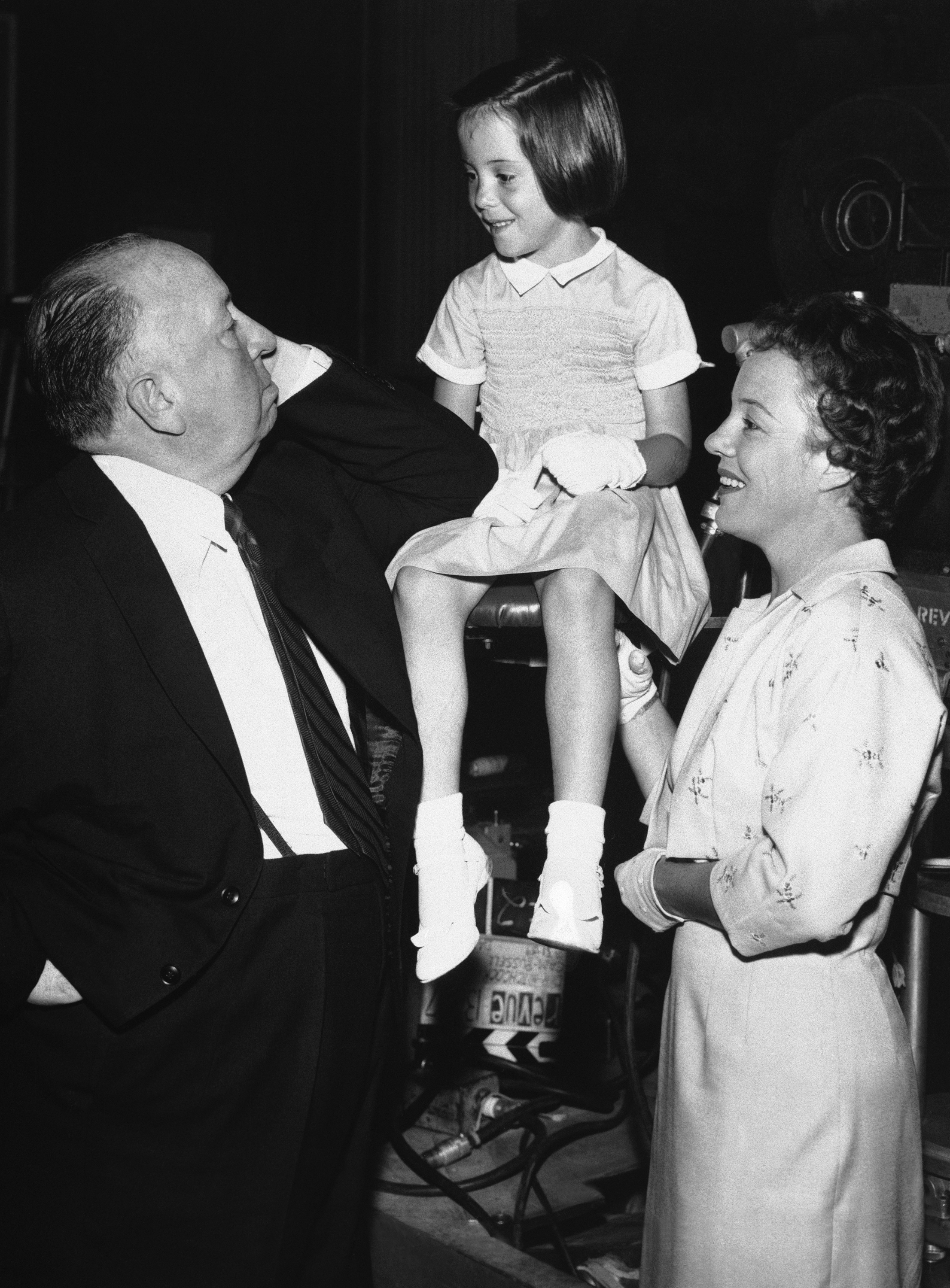
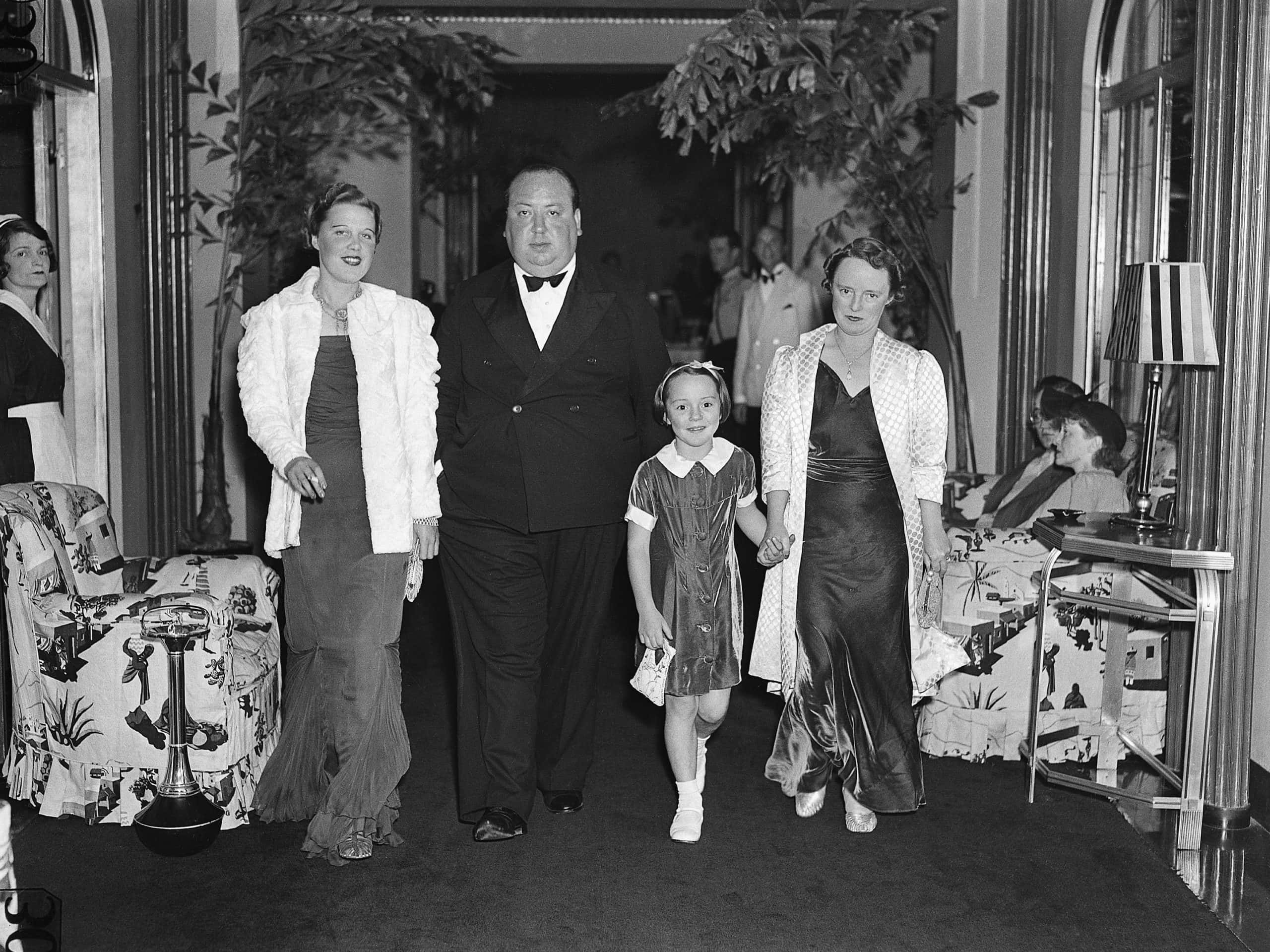
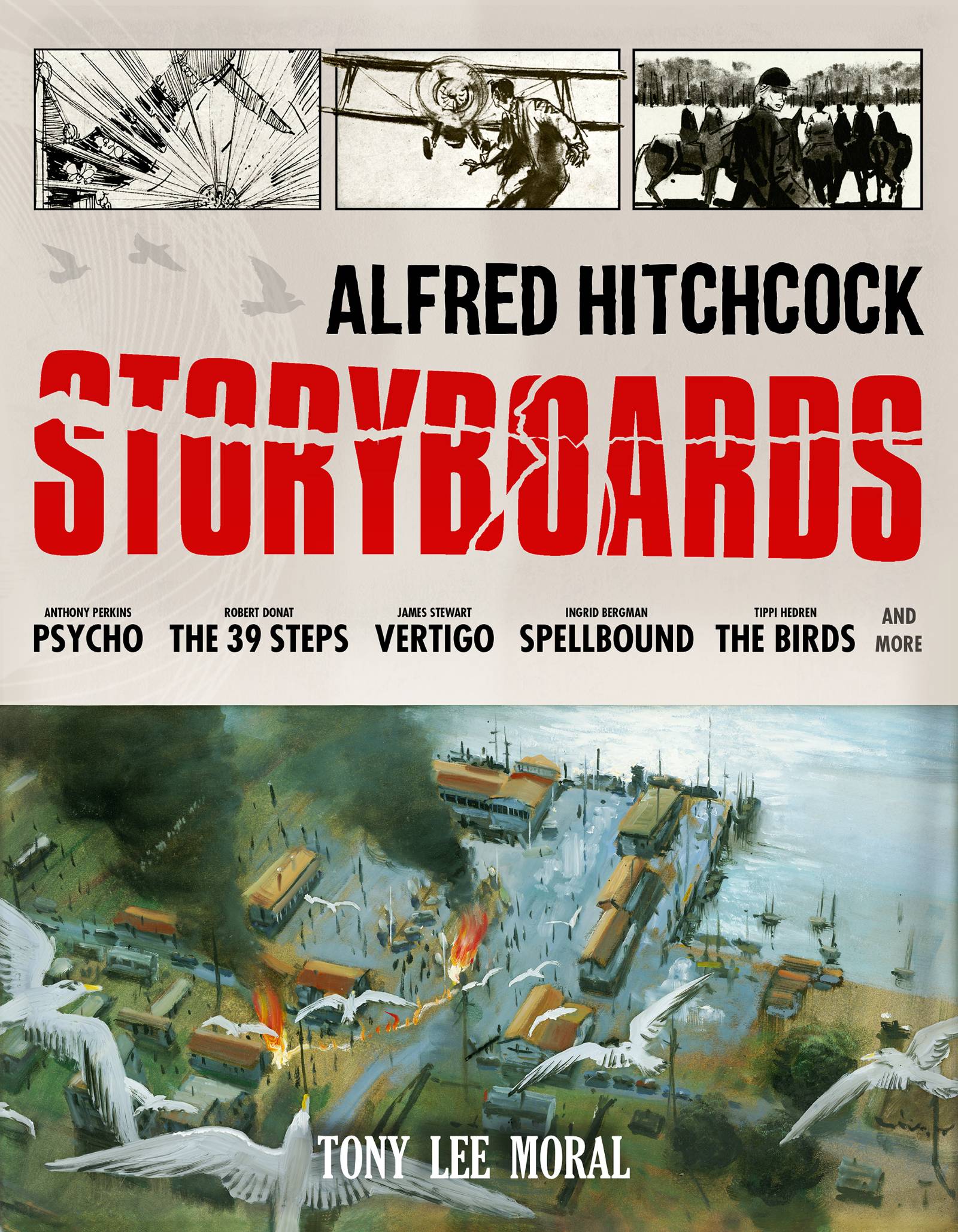
Patricia Hitchcock, the only child of legendary filmmaker Alfred Hitchcock and editor Alma Reville, carved out a distinct yet understated niche in entertainment history as an actress, producer, and the ultimate custodian of her parents' artistic legacy. While her father dominated cinematic history with suspense masterpieces like Psycho, Rear Window, and Vertigo, Patricia—often known professionally as Pat Hitchcock—maintained a vital behind-the-scenes presence while carving out her own paths in theater, television, and film. Her untold story reaches far beyond a mere footnote in Hollywood royalty; it encompasses a pioneering working-class industry upbringing, an accomplished acting career on stage and screen, and decades of tireless stewardship over one of the most famous filmographies in the world.
Understanding Pat Hitchcock requires separating cinematic myth from biographical reality. While popular culture often views the Hitchcock household through the lens of dark suspense, Patricia’s upbringing was characterized by a stable, deeply collaborative creative environment defined by her mother's towering influence as a film editor and screenwriter. This comprehensive examination explores her upbringing, her professional artistic achievements, her pivotal role in preserving film history, and her enduring impact on the preservation of classic cinema.
The Early Years: Growing Up in the Hitchcock Household
Born on July 7, 1928, in London, Patricia Alma Hitchcock grew up immersed in the film industry from her earliest days. By the time she was a toddler, her father was already establishing himself as a master of British suspense with films like Blackmail and The 39 Steps, while her mother, Alma Reville, worked quietly as an indispensable script supervisor and editor. In 1939, the family relocated permanently to Hollywood as Alfred Hitchcock transitioned to American studio systems, setting up residence in Bel Air, California.
Despite her father's rising prominence and the glamour of the studio system, Patricia’s parents fostered a grounded home environment. Alma Reville managed the household with pragmatic British sensibility, shielding their daughter from the excesses of child stardom while encouraging her intellectual and artistic curiosity. Patricia attended Catholic boarding schools in California and New York, developing a passion for the dramatic arts that eventually led her away from traditional academic routes and toward the stage.
Her transition into acting began in earnest during her teenage years. She participated in local theatrical productions and eventually enrolled at the Royal Academy of Dramatic Art (RADA) in London, studying classical performance techniques and gaining professional stage experience. This formal training distinguished her from many contemporary starlets of the studio era, equipping her with a rigorous technical foundation that prepared her for both live theater and screen work.
Entering the Spotlight: Film and Television Career
Pat Hitchcock’s professional career bridged the golden age of Hollywood cinema and the burgeoning medium of television. Her most visible contributions to film history remain her memorable collaborations with her father, specifically in three key motion pictures where her screen presence offered a sharp, relatable contrast to the glamorous leading ladies of the era.
Memorable Collaborations with Alfred Hitchcock
Her cinematic debut in an uncredited role came in Stage Fright (1950), but her breakout performance arrived later that same year in Strangers on a Train (1951). Playing Barbara Morton, the bespectacled, quick-witted sister of the female lead, Pat brought a naturalistic charm and intelligence to the screen that subverted traditional Hollywood tropes. Her performance in the tennis match sequence—where she stands out in a crowd of spectators all turning their heads in unison, except for the villain played by Robert Walker—remains one of the most subtly iconic visual gags in her father’s filmography.
| Film Title | Release Year | Role / Character Description |
|---|---|---|
| Stage Fright | 1950 | Chubby Girl (Uncredited cameo) |
| Strangers on a Train | 1951 | Barbara Morton (The sharp-witted, bespectacled friend) |
| Psycho | 1960 | Caroline (Marion Crane's office coworker) |
She returned to the screen a decade later to appear in Psycho (1960) as Caroline, the office coworker who offers Marion Crane tranquilizers to cure a headache, unwittingly highlighting the mundane pressures driving Marion's desperate actions. Beyond these feature films, Pat worked extensively in television during the 1950s and 1960s, appearing in multiple episodes of Alfred Hitchcock Presents as well as anthology series like Suspicion and General Electric Theater.
Stage Work and Family Life
While television and film offered high-profile exposure, Pat Hitchcock maintained a deep commitment to the stage. She performed in various regional and Broadway productions, including the 1944 Broadway play Solitaire. However, her trajectory shifted following her marriage to businessman Joseph E. O'Connell Jr. in 1952.
Choosing to step back from full-time acting to raise three daughters—Mary, Teresa, and Kathleen—she balanced family life with occasional acting roles and increasingly assumed administrative and advisory duties related to her father's expanding commercial empire. This transition marked the beginning of her transformation from working actress to primary guardian of the Hitchcock family brand.
Custodian of a Cinematic Legacy
Following the deaths of her mother in 1982 and her father in 1980, Pat Hitchcock assumed the monumental responsibility of managing their literary, cinematic, and personal estates. Far from being a passive beneficiary, she became an active, articulate advocate for her parents' artistic achievements, working tirelessly to ensure that Alma Reville received proper historical recognition for her uncredited contributions to Alfred Hitchcock's greatest films.
Championing Alma Reville’s Contributions
For decades, film historians focused almost exclusively on Alfred Hitchcock as a singular auteur. Pat consistently challenged this narrow narrative, emphasizing that her mother was an equal creative partner who shaped scripts, analyzed cutting patterns, and served as her father’s most trusted critic. Through interviews, lectures, and forewords, Pat ensured that Alma's legacy as a brilliant editor and screenwriter was permanently woven into the institutional memory of cinema studies.
Authoring the Definitive Family Biography
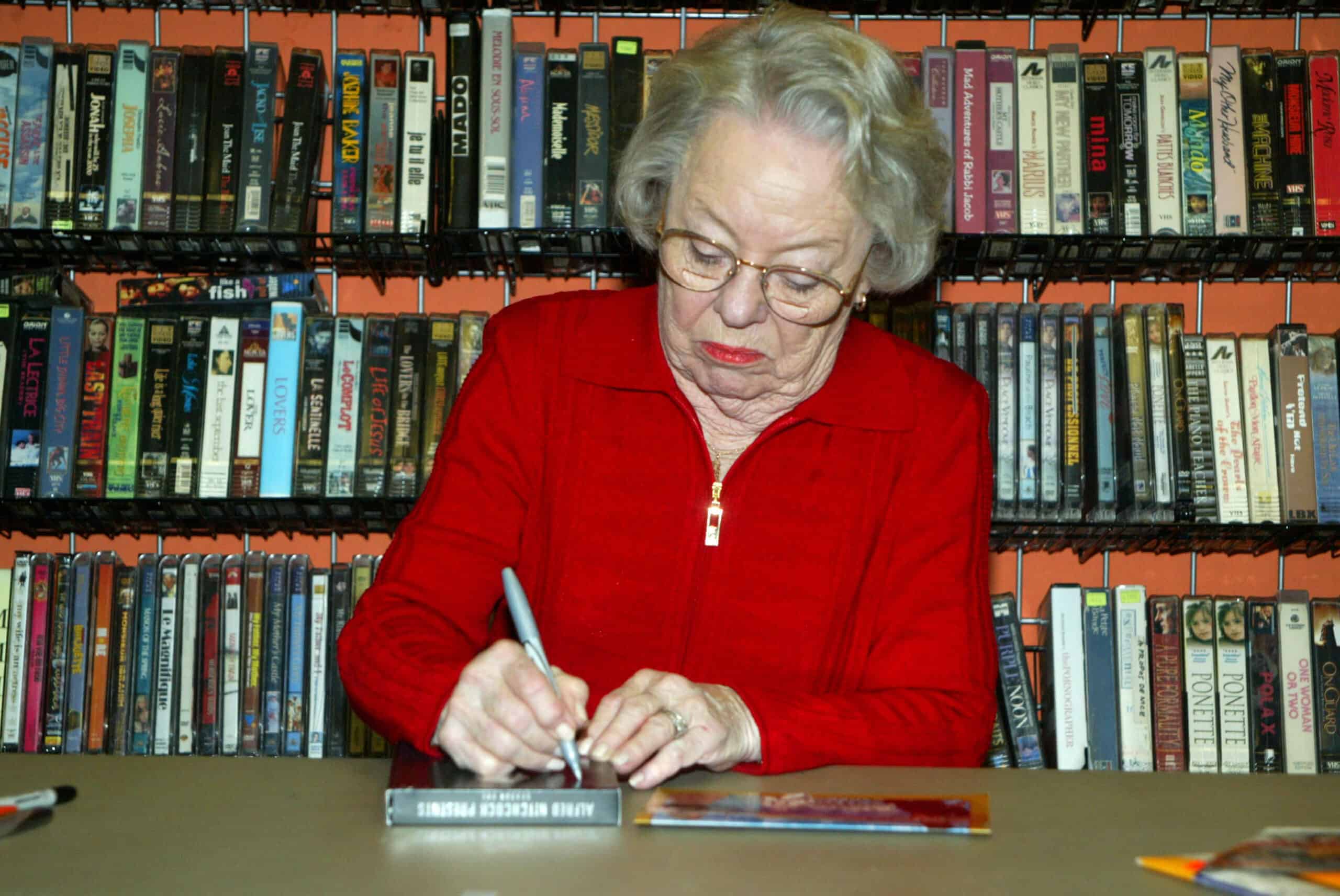
In 2003, Pat co-authored Alma Hitchcock: The Woman Behind the Man alongside Laurent Bouzereau. The biography provided an intimate, meticulously researched look at her mother's life and career, correcting decades of biographical oversights. By highlighting Alma's professional acumen and emotional grounding, Pat offered readers an authentic perspective on a Hollywood household that operated more like a dedicated creative workshop than a tabloid-friendly celebrity dynasty.
Navigating Challenges and Misconceptions
Life in the shadow of a cinematic titan presented unique personal and professional hurdles. Pat frequently fielded inquiries about her father's notorious perfectionism and complex working relationships with leading actresses like Tippi Hedren, Grace Kelly, and Ingrid Bergman.
Rather than shying away from difficult questions, she offered balanced, candid assessments of her father's temperament. She acknowledged his demanding nature on set while vigorously defending his professionalism, wit, and deep personal devotion to her mother. Her ability to navigate these competing narratives established her as a trusted authority on her family's history, bridging the gap between academic film analysis and personal familial reality.
The Continuing Relevance of Pat Hitchcock’s Work
Patricia Hitchcock passed away on August 9, 2021, at the age of 93, leaving behind a legacy defined by dignity, artistic integrity, and fierce familial loyalty. In an era where celebrity memoirs often prioritize sensationalism, her life's work demonstrated a steadfast commitment to historical accuracy and artistic appreciation.
Film scholars, archivists, and fans continue to rely on her recorded interviews, archival contributions, and biographical writings to understand the intricate collaborative machinery behind mid-century Hollywood filmmaking. Her performances on screen remain vibrant reminders of a versatile actress who could effortlessly command attention without relying on conventional star power.
Frequently Asked Questions
Did Pat Hitchcock appear in her father’s films?
Yes, Pat Hitchcock appeared in several of her father's most famous projects. Her most prominent film role is Barbara Morton in Strangers on a Train (1951). She also appeared briefly as Caroline in Psycho (1960) and had an uncredited role in Stage Fright (1950), alongside multiple appearances on the television anthology series Alfred Hitchcock Presents.
What was Pat Hitchcock’s role in preserving her parents' legacy?
Pat served as the primary custodian of Alfred Hitchcock and Alma Reville's estates after their passings. She worked tirelessly with film archivists, gave numerous educational lectures, co-authored the definitive biography Alma Reville: The Woman Behind the Man, and consistently advocated for public recognition of her mother’s essential behind-the-scenes contributions to cinema.
Why did Pat Hitchcock step away from acting?
While Pat enjoyed a successful run in theater, television, and film during the late 1940s and 1950s, she chose to step back from full-time professional acting following her marriage to Joseph E. O'Connell Jr. in 1952 to focus on raising her three daughters, though she continued to take occasional roles and manage family business affairs.
What was Alma Reville’s actual contribution to Alfred Hitchcock’s films?
Alma Reville was a highly skilled film editor, continuity supervisor, and screenwriter who collaborated on virtually every film directed by Alfred Hitchcock. She worked closely with him from the scripting phase through final editing, serving as his most trusted creative sounding board and foundational critic.
Where can modern viewers watch Pat Hitchcock’s performances?
Her major cinematic performances are widely available on physical media (Blu-ray and 4K UHD home video editions released by Warner Bros. and Universal Pictures) as well as major digital streaming and video-on-demand platforms that host classic cinema libraries, including Strangers on a Train and Psycho.
Preserving the Cinematic Record
For those interested in exploring the deeper history of the Hitchcock family, engaging directly with original source material offers the most accurate perspective. Researchers and film enthusiasts should consult Pat Hitchcock's co-authored biography, Alma Hitchcock: The Woman Behind the Man, alongside archival interviews housed at the Academy of Motion Picture Arts and Sciences. Examining these primary and secondary records ensures a comprehensive, nuanced understanding of how Patricia Hitchcock successfully preserved her family's monumental place in cinematic history.