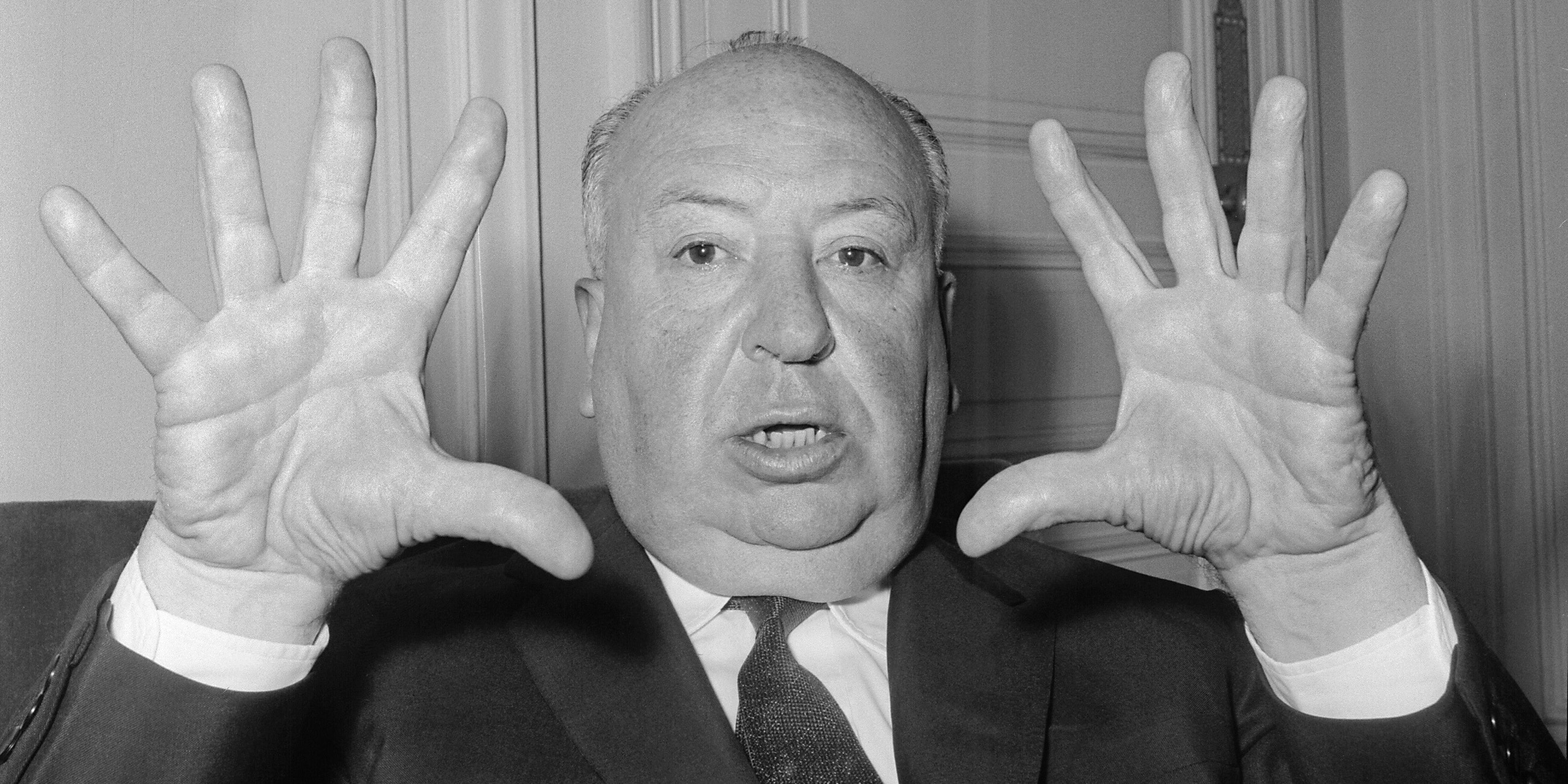
Alfred Hitchcock accumulated an estimated estate valued between $10 million and $50 million at the time of his death in 1980, driven primarily by his astute business foresight, extensive television syndication royalties, and valuable real estate holdings. While exact public probate records varied, his lifelong financial structuring transformed cinematic creative control into enduring personal wealth.
The financial standing of one of cinema’s most iconic directors remains a subject of considerable interest, particularly given the unprecedented business model he forged within the Hollywood studio system. Understanding Alfred Hitchcock net worth at death how much was he worth requires a detailed examination of his pioneering production choices, television ventures, international distribution deals, and post-mortem estate management. Rather than relying solely on traditional studio salaries, Hitchcock leveraged ownership stakes that generated revenue long after his passing.
Early Career Earnings and the Shift to Independence
During his formative years in British silent film and his early American studio era under David O. Selznick, Alfred Hitchcock operated largely as a salaried employee. While his compensation grew substantially following his relocation to Hollywood in 1939 with films like Rebecca, he remained subject to standard studio contracts that limited his long-term upside from box office revenues.
The turning point in Hitchcock’s financial trajectory occurred in the late 1940s and early 1950s when he transitioned to independent production. By establishing his own production companies—such as Transatlantic Pictures and later Alfred Hitchcock Productions—he shifted from a work-for-hire director to an equity holder. This structural change allowed him to retain ownership of his negative rights, a decision that would define his ultimate wealth.
The Revolutionary Economics of Alfred Hitchcock Presents
A critical driver of Hitchcock's long-term wealth was his groundbreaking foray into television with the anthology series Alfred Hitchcock Presents, which premiered in 1955. Instead of taking a flat directing fee for the episodes he helmed, Hitchcock negotiated a masterclass in syndication economics.
- Upfront Directing Fee: He accepted modest fees to direct select episodes, reserving his primary financial leverage for backend ownership.
- Ownership Stake: He secured a substantial equity share in the production company (Shamley Productions) that owned the show.
- Hosting and Packaging: By acting as the witty on-screen host, he leveraged his personal brand, increasing the show's marketability and securing a percentage of the network licensing fees.
- Syndication Resales: When the series entered off-network syndication in the 1960s, these reruns generated continuous, passive revenue streams that dwarfed his initial television earnings.
The Masterstroke of Psycho and Ownership Percentages
Perhaps the most famous financial maneuver of Hitchcock's career involved the production and distribution of Psycho (1960). Facing resistance from Paramount Pictures over the film's controversial subject matter and low budget, Hitchcock financed the production independently by using his television crew and mortgaging his own home.
Rather than taking a large upfront salary, Hitchcock traded his standard director's fee for a 60% ownership stake in the film's negative and a substantial percentage of the gross profits. Because Psycho became a massive, unprecedented box office phenomenon, this single risk yielded millions of dollars in theatrical, television, and home video revenues, permanently elevating his net worth.
Real Estate Holdings and Personal Assets
Beyond his film and television royalties, Hitchcock accumulated significant real estate portfolios in both California and the United Kingdom. His primary residences served as both personal sanctuaries and sound financial investments during a period of considerable Southern California property appreciation.
| Asset Category | Description | Primary Revenue / Value Driver |
|---|---|---|
| Film Negative Rights | Equity stakes in classics like Rear Window, Vertigo, and Psycho | Perpetual licensing, theatrical re-releases, and home video royalties |
| Television Equity | Ownership in Shamley Productions and Alfred Hitchcock Presents | Profitable multi-network syndication and international distribution |
| Real Estate Portfolio | Estates in Bel Air, California, and Scotts Valley, California | Long-term capital appreciation in prime real estate markets |
| Merchandising & Licensing | Associated branding, book anthologies, and magazine ventures | Royalties from print, audio, and commercial licensing agreements |
Estate Planning, Taxes, and the Final Valuation
When Alfred Hitchcock passed away on April 29, 1980, at the age of 80, his estate entered a complex legal and financial phase managed by executors and family representatives. Estimating his exact net worth at death is complicated by the valuation of his film library, which was subsequently managed and sold to Universal Pictures.
Universal acquired the rights to the "Universal package" of Hitchcock films—including Rear Window, Vertigo, The Trouble with Harry, Rope, and The Man Who Knew Too Much—in a multi-million-dollar transaction that secured long-term financial security for his surviving family members, including his wife Alma Reville and their daughter Patricia Hitchcock. While initial probate documents listed conservative physical asset valuations, the true long-term market value of his intellectual property rights placed his estate well into the tens of millions of dollars.
Frequently Asked Questions
How did Alfred Hitchcock make most of his money?
Alfred Hitchcock generated the majority of his wealth by retaining ownership of his film negatives and securing equity stakes in his television projects rather than working purely for a flat salary. His financial independence, particularly with Psycho and Alfred Hitchcock Presents, allowed him to capture long-term backend profits and syndication royalties.
Did Alfred Hitchcock own the rights to his own movies?
He gradually gained ownership rights to a significant portion of his filmography, particularly those produced independently or under favorable studio agreements from the 1950s onward. Films like Vertigo, Rear Window, and Psycho provided immense residual value through subsequent re-releases and television broadcasting rights.
How much was Alfred Hitchcock paid for Psycho?
Hitchcock deferred his standard $250,000 directing salary for Psycho in exchange for a 60% ownership stake in the film's negative and a major cut of the profits. This calculated risk ultimately earned him millions of dollars as the low-budget thriller became a global box office sensation.
What happened to Hitchcock's estate after he died?
Following his death in 1980, his estate managed his extensive intellectual property rights, real estate holdings, and television assets. Many of his classic film rights were later consolidated and managed through lucrative distribution agreements with major studios like Universal Pictures, ensuring continuous revenue for his heirs.
Why is Alfred Hitchcock considered a pioneer in Hollywood business?
He was one of the first major film directors to successfully break free from the traditional studio system's tight control. By establishing independent production entities, retaining copyright ownership, and embracing television before many of his peers, he redefined how creative control could translate into lasting personal wealth.
Securing Intellectual Property Legacies
For modern creators, filmmakers, and estate planners, the financial history of Alfred Hitchcock underscores the enduring value of retaining intellectual property rights. Creators looking to model similar long-term financial stability should prioritize contract negotiations that secure backend equity, manage ownership of master negatives or digital assets, and establish robust estate trusts to protect passive income streams for future generations.