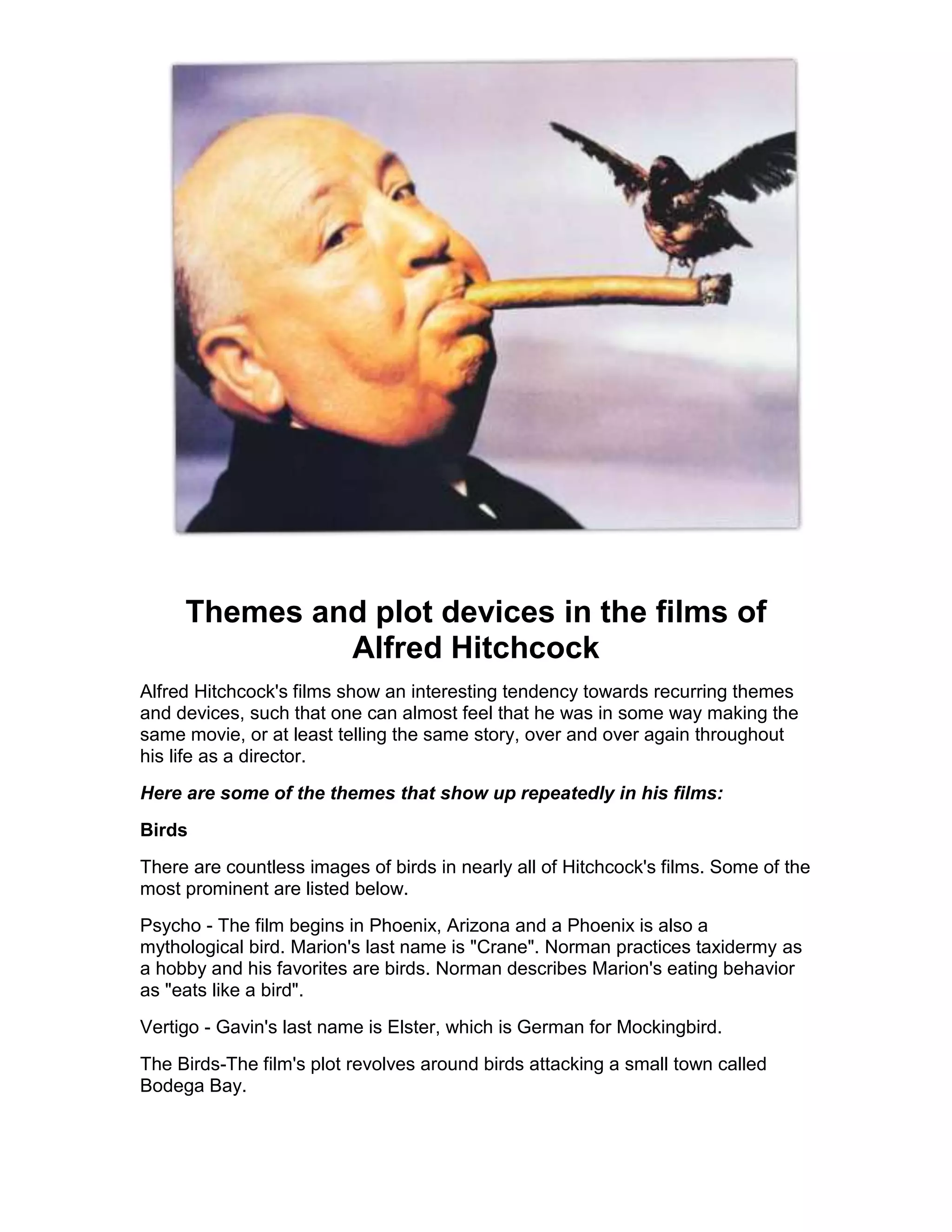
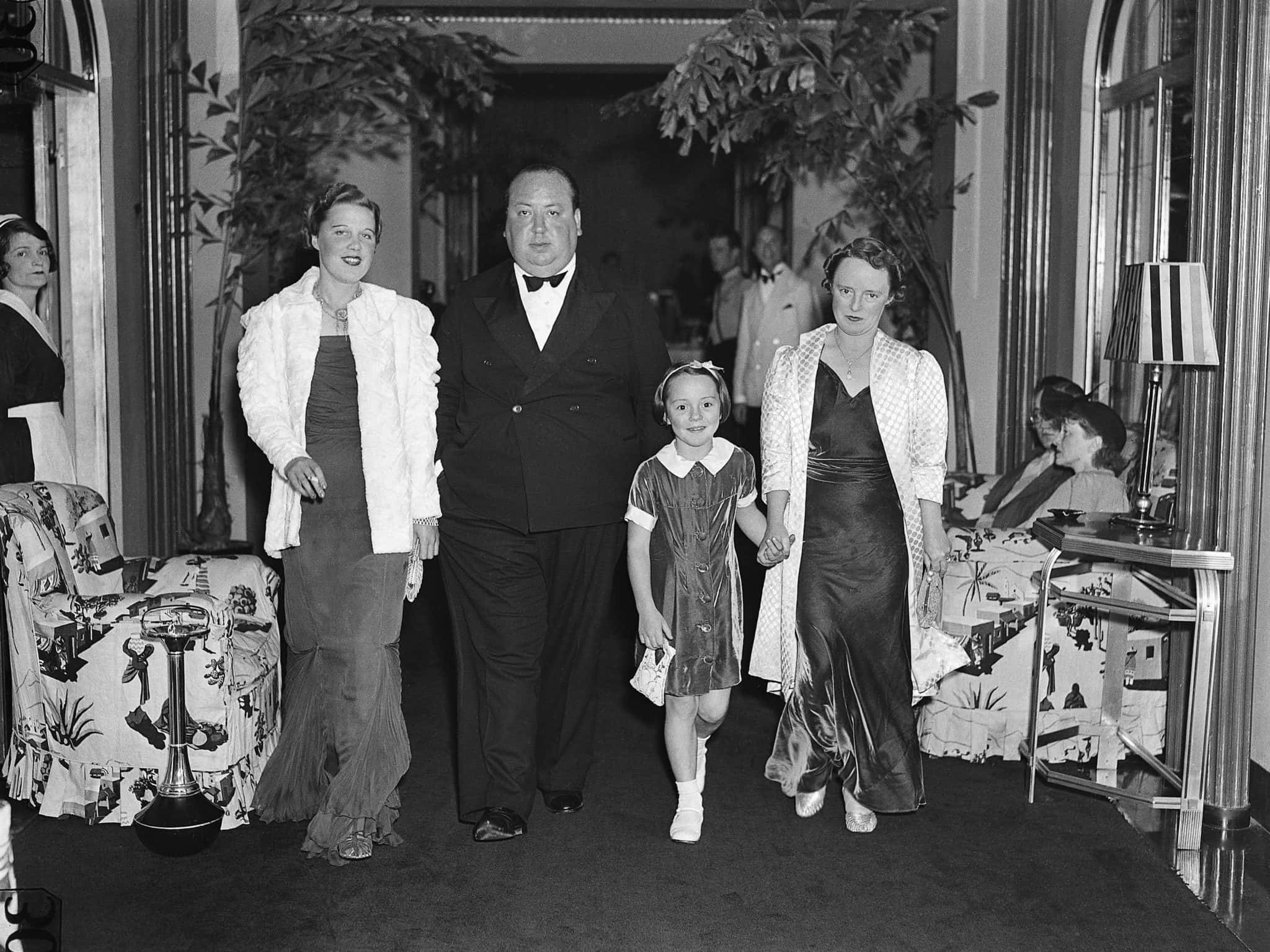
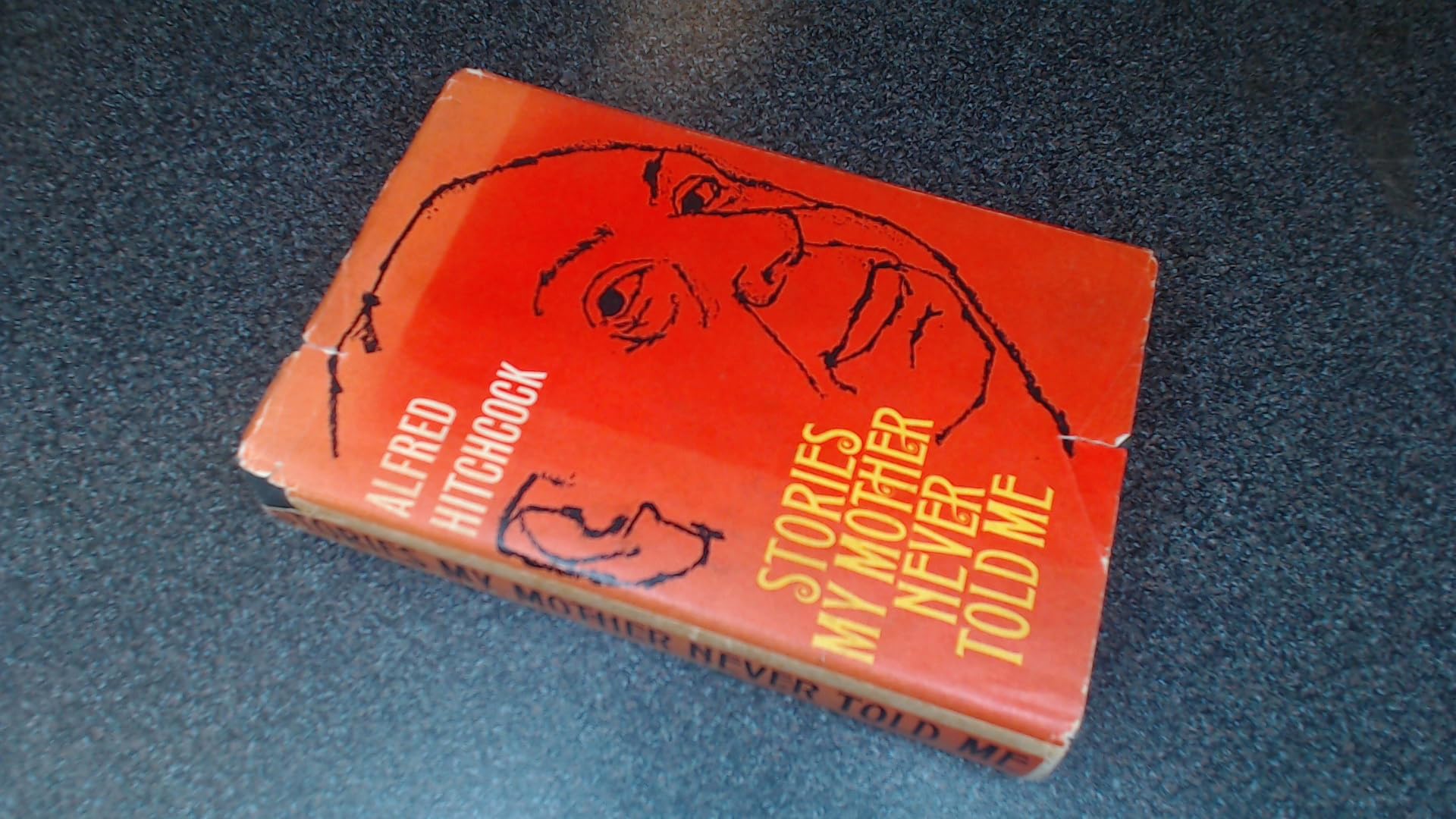
Alfred Hitchcock’s cinematic mastery was deeply intertwined with a complex, restrictive psychological upbringing orchestrated by his mother, Emma Jane Hitchcock. Rather than a simple tale of childhood trauma, the shocking truth behind the genius reveals an environment of rigid control, emotional surveillance, and intense maternal intimidation that permanently shaped his worldview, recurring motifs, and iconic depictions of guilt, fear, and dominant women on screen.
The Victorian Foundation of the Hitchcock Household
To understand Alfred Hitchcock’s complex relationship with his mother, one must examine the strict Victorian environment into which he was born in 1899. Raised in a Catholic household in Leytonstone, London, Hitchcock grew up under the watchful eye of William Hitchcock, a greengrocer, and his fiercely disciplined wife, Emma Jane. While his father was a relatively distant figure due to the demands of his business, Emma Jane established an atmosphere characterized by unyielding order, punctuality, and moral rigidity.
Biographers and film historians have long noted that Hitchcock’s childhood was anything but ordinary. He frequently recounted anecdotes designed to illustrate his mother's draconian disciplinary methods. On one notable occasion, as a young boy, Hitchcock was sent by his father to the local police station with a note asking the desk sergeant to lock him away for ten minutes as punishment for a minor infraction. While this incident has occasionally been debated for its absolute veracity—as Hitchcock was known to mythologize aspects of his own life—it encapsulates the overriding theme of his youth: constant surveillance, sudden judgment, and the terrifying threat of arbitrary confinement.
This early conditioning fostered a pervasive sense of guilt that would later become the thematic bedrock of his cinematic oeuvre. In Hitchcock’s universe, innocence is rarely a shield against punishment; characters are frequently thrust into nightmarish scenarios where they must prove their innocence against an overwhelming, indifferent authority. The psychological blueprint for this dynamic was forged in the family kitchen and parlor, where Emma Jane held absolute sway over behavioral expectations.
Psychological Control and the Architecture of Guilt
The emotional architecture of the Hitchcock household relied heavily on psychological containment. Emma Jane Hitchcock maintained rigorous control over her son's physical and social movements. He was a solitary child, partly due to his physical appearance and awkwardness, but largely because his mother discouraged casual socialization outside the strict boundaries she approved. This enforced isolation cultivated a rich, albeit anxious, inner life, forcing him to channel his observations, fears, and burgeoning imagination into meticulous mental planning.
Emma Jane’s methods of control were rarely physical in a brutal sense; instead, they relied on emotional manipulation, silent treatments, and the imposition of profound moral responsibility. She expected perfection and absolute obedience, creating an environment where love felt conditional upon compliance. This dynamic directly influenced Hitchcock's famous cinematic blondes—graceful, seemingly untouchable women who harbor hidden vulnerabilities or secrets, only to be subjected to intense psychological and physical torment by the narrative forces around them.
The director himself occasionally offered cryptic insights into how this upbringing shaped his creative output. He famously maintained a lifelong aversion to local police officers, tracing the sentiment directly back to the childhood note incident. More profoundly, his films continually explore themes of entrapment, claustrophobia, and the inescapable gaze of a judgmental mother figure. Characters like Norman Bates in Psycho represent an exaggerated, cinematic manifestation of maternal dominance, where the boundaries between mother and son have completely dissolved into a singular, psychotic identity.
| Cinematic Motif | Psychological Origin in Childhood | Key Film Manifestations |
|---|---|---|
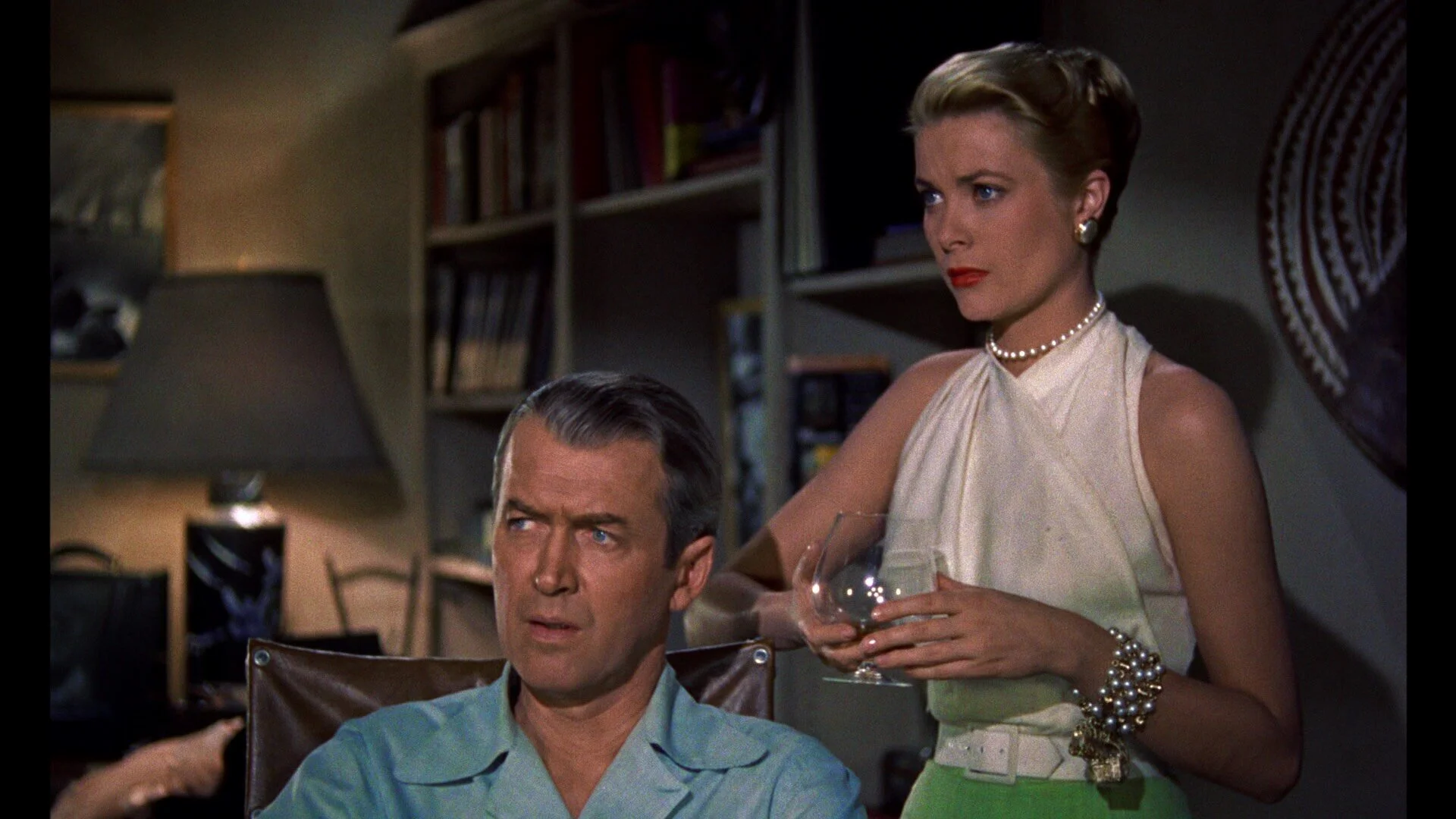
| Enforced Confinement | The childhood police station incident and domestic restrictions | Rear Window, Lifeboat, Rope |
| The Controlling Mother | Emma Jane Hitchcock’s rigid behavioral and moral demands | Psycho, Notorious, The Birds |
| Pervasive Guilt | Constant surveillance and the arbitrary threat of punishment | The Wrong Man, Vertigo, North by Northwest |
| The Distant Father | William Hitchcock’s withdrawal and focus on business | Spellbound, Frenzy |
The Reality of the Mother-Son Dynamic Behind Closed Doors
Popular culture and sensationalized journalism often reduce the Hitchcock-mother dynamic to a simple caricature of cinematic horror, yet historical records indicate a far more intricate psychological reality. Emma Jane was not merely a monster of fiction; she was a woman of her era who projected her ambitions, anxieties, and societal expectations onto her youngest child. Hitchcock remained deeply financially and emotionally dependent on his parents well into his adulthood, living under their roof until his marriage to Alma Reville in 1926.
Even after establishing his career in the film industry, Hitchcock’s relationship with his mother remained a central pivot of his emotional life. Biographer Donald Spoto and other researchers have documented that Hitchcock would report back to his mother with meticulous detail regarding his daily activities, creative projects, and social interactions. The psychological tether remained taut, ensuring that Emma Jane's invisible presence lingered in every editing room, script conference, and directorial decision he made.
The psychological impact of this prolonged attachment manifested in Hitchcock’s complex attitude toward women throughout his life and career. While he frequently collaborated with brilliant female professionals—most notably his wife and vital creative partner, Alma Reville—his public persona often played into a dark, controlling fascination with his leading actresses. Actresses like Tippi Hedren and Kim Novak have recounted instances of intense psychological pressure and demanding control on set, mirroring the exact dynamics of authoritarian oversight he experienced under his mother's roof.
How Childhood Repression Fueled Cinematic Genius
It is a well-documented psychological phenomenon that profound personal trauma and repression can serve as fertile ground for artistic innovation. For Alfred Hitchcock, the emotional constriction of his youth did not stifle his creativity; rather, it forged the precise visual and narrative grammar of suspense. Because he lived in a world where danger could emerge without warning from figures of authority, he understood how to manipulate audience expectations, withholding information and building unbearable tension.
Hitchcock’s famous distinction between "surprise" and "suspense" is rooted in this worldview. Surprise relies on a sudden, shocking revelation—much like the unexpected punishments of his childhood—while suspense relies on the audience knowing danger is coming while the characters remain oblivious. By placing viewers in the position of helpless observers trapped under a looming threat, Hitchcock effectively externalized his own childhood anxieties onto the silver screen.
Furthermore, his obsessive attention to technical detail, storyboarding, and control over every frame of his films can be read as a direct counter-reaction to the chaotic, unpredictable nature of his early emotional environment. If his childhood taught him that safety was an illusion and that authority figures were unpredictable, his professional life became an exercise in absolute control. On the set, Hitchcock was the ultimate orchestrator, leaving nothing to chance, improvisation, or the whims of actors.
Analyzing the Myth Versus the Historical Record
Pop-history accounts often exaggerate the darker elements of famous biographical profiles to create compelling narratives, making it essential to separate verifiable biographical facts from speculative psychoanalysis. While Hitchcock’s films frequently feature murderous mothers and deeply troubled domestic relationships, film scholars caution against reading his entire filmography as a direct, literal confession of maternal abuse.
- Examine Primary Biographies: Relying on extensively researched works, such as Donald Spoto's The Dark Side of Genius or Patrick McGilligan’s Alfred Hitchcock: A Life in Darkness and Light, provides a grounded view of Emma Jane Hitchcock's personality without resorting to pure cinematic fiction.
- Contextualize Victorian Parenting: Understand that strict discipline, emotional distance, and high moral expectations were standard parenting models in lower-middle-class late-Victorian England, even if they produced severe psychological outcomes for sensitive children.
- Evaluate Creative Agency: Acknowledge that while personal history informs art, Hitchcock was a conscious, highly skilled cinematic technician who deliberately manipulated his own neuroses to engage and terrify global audiences.
What Drives the Enduring Fascination with Hitchcock's Private Life?
Why do audiences remain so obsessed with Alfred Hitchcock’s relationship with his mother?
Audiences and researchers remain fascinated because the dynamic offers a direct psychological key to understanding some of the most influential thrillers in cinema history. The bridge between a lonely, repressed boy in Leytonstone and the Master of Suspense provides a compelling narrative of how personal pain can be alchemized into enduring art.
Was Emma Jane Hitchcock truly as abusive as the director claimed in interviews?
Biographical evidence suggests that while Emma Jane was undeniably strict, demanding, and emotionally imposing, Hitchcock frequently mythologized and embellished his childhood stories later in life to build a compelling personal mythology that matched the dark themes of his films.
How did Alma Reville help Hitchcock manage his psychological burdens?
Alma Reville, Hitchcock’s wife and closest collaborator, provided a stable, grounding emotional partnership that counterbalanced the lingering anxieties of his upbringing. She served as his sharpest editor, sounding board, and steady companion throughout his personal and professional life.
Did Hitchcock's mother live to see his international success?
Yes, Emma Jane Hitchcock lived until 1942, witnessing her son's transition from a prominent British silent film director to a celebrated Hollywood auteur following the release of films like Rebecca, which won the Academy Award for Best Picture in 1940.
Are there other films besides Psycho that reflect his maternal complex?
Yes, themes of dominant, suffocating, or morally compromised maternal figures appear throughout his filmography, most notably in Notorious, where an ex-nazi mother exerts a toxic hold over her son, and The Birds, which examines anxieties surrounding maternal possessiveness and emotional suffocation.
Next Actions for Film Scholars and Enthusiasts
To deepen your understanding of Alfred Hitchcock's psychological landscape and creative process, move beyond standard retrospective documentaries and engage directly with authoritative biographical texts and primary film sources. Begin by reading comprehensive, well-documented biographies that contextualize his upbringing within late-Victorian London society rather than relying on sensationalized summaries. Conclude by re-examining key cinematic masterworks such as Notorious, Vertigo, and Psycho with a focused eye on how spatial confinement, guilt, and authority figures drive the narrative tension. By viewing his filmography through the lens of verified historical context, you gain a richer, more nuanced appreciation of how personal constraint was transformed into cinematic genius.