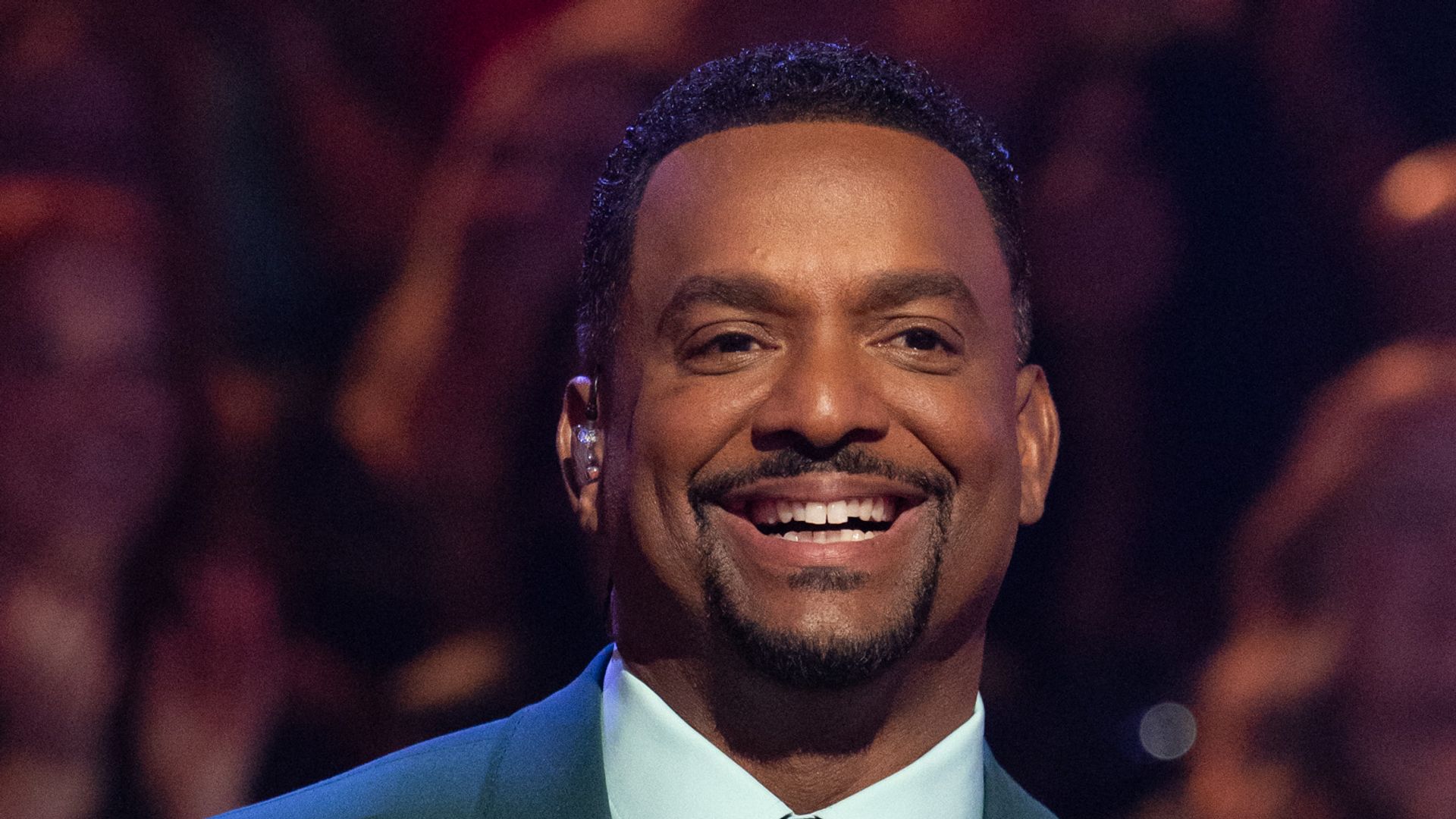
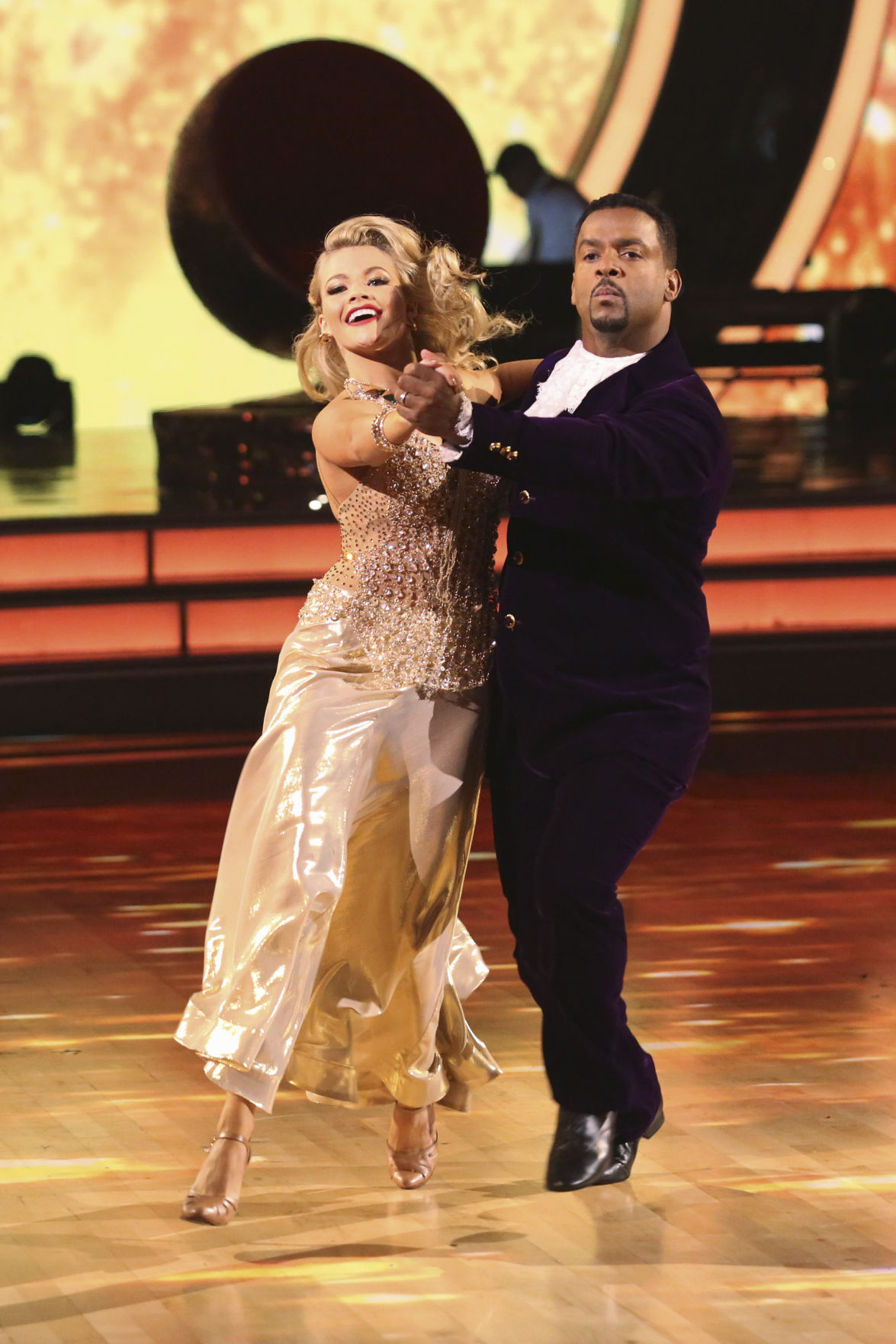
Alfonso Ribeiro’s tenure on Dancing with the Stars represents a masterclass in stage presence, technical progression, and cultural impact. His triumphant run during Season 19 solidified his legacy as a fierce competitor who combined beloved nostalgia with high-level ballroom execution.
The Cultural Roots and Pre-Show Pedigree
Before stepping onto the ballroom floor for Season 19, Alfonso Ribeiro was already etched into television history. Audiences worldwide knew him best as Carlton Banks from The Fresh Prince of Bel-Air, a role characterized by razor-sharp comedic timing and, most notably, a uniquely synchronized dance style known universally as "The Carlton." This foundational pop-culture footprint established massive public expectations. Viewers anticipated an entertainer who could bring theatrical flair, but ballroom dance demands a distinct discipline that separates casual movers from technical contenders.
Ribeiro entered the competition not as an untrained novice, but as a performer with musical theater credentials, having starred in The Tap Dance Kid on Broadway during his youth. This early tap training provided him with superior rhythm, musicality, and footwork speed. However, transitioning from Broadway tap and comedic television routines to the strict biomechanics of Latin and standard ballroom styles required a complete paradigm shift. Posture, frame, hip action, and floorcraft had to be built from scratch, transforming his innate performance instincts into competitive dance technique.
Entering Season 19: Strategy and Partner Pairing
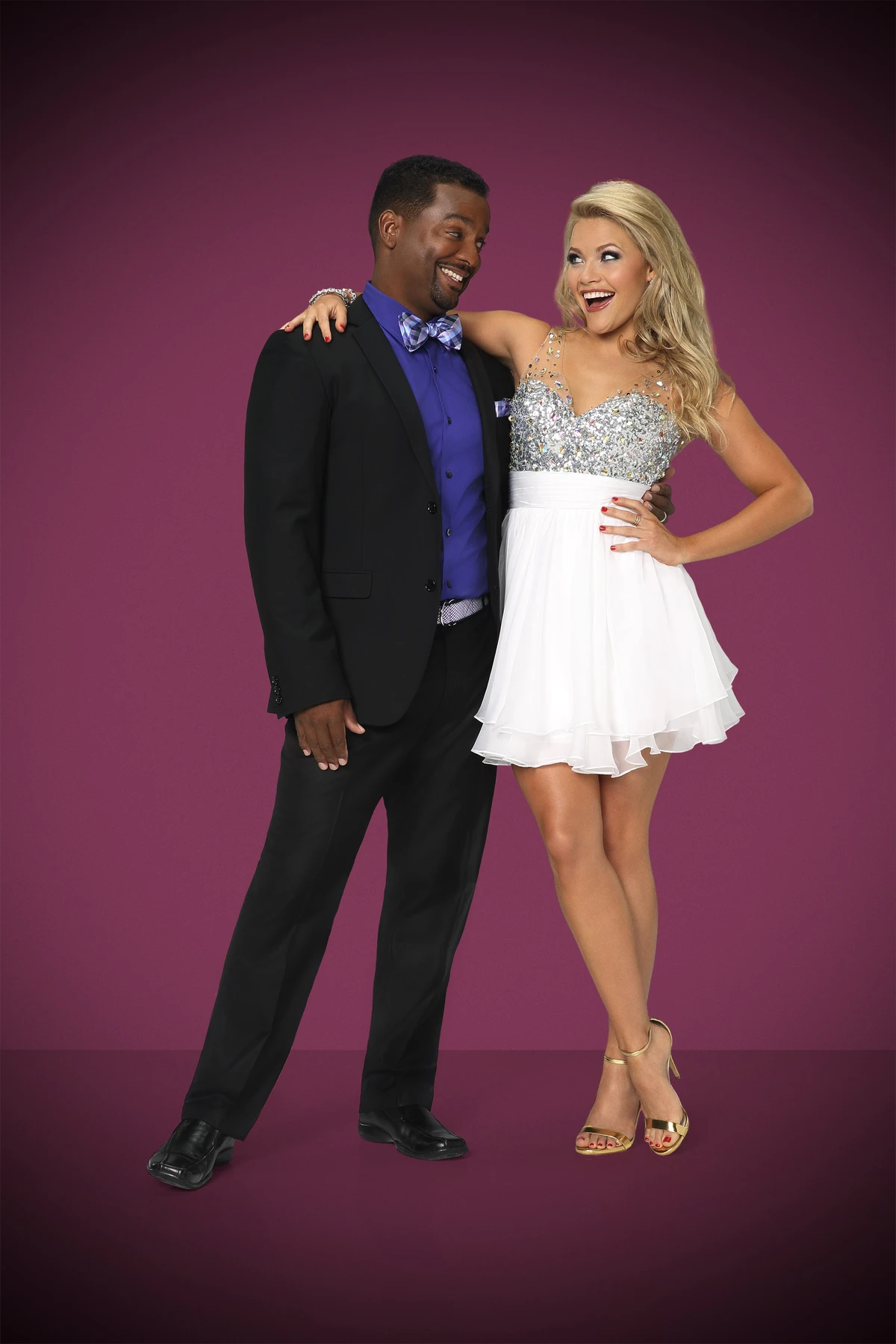
When ABC announced the celebrity cast for Dancing with the Stars Season 19, Ribeiro stood out as a front-runner, bringing both intense enthusiasm and high stakes. Success on the program relies heavily on the synergy between the celebrity and their professional partner. Ribeiro was paired with Witney Carson, who was then a rising star in her second season as a pro. Carson recognized immediately that her partner possessed an exceptional work ethic to match his natural rhythm, allowing them to bypass basic synchronization phases and focus directly on complex choreography.
| Week | Dance Style | Song | Judges' Score |
|---|---|---|---|
| Week 1 | Cha-Cha-Cha | "Ain't That a Kick in the Head?" | 36 / 40 |
| Week 2 | Jive | "Shake a Tail Feather" | 32 / 40 |
| Week 3 | Samba | "Oye Como Va" | 32 / 40 |
| Week 4 | Jazz | "Carlton" Medley | 40 / 40 |
| Week 5 | Foxtrot | "Beyond the Sea" | 36 / 40 |
Their strategic approach involved leaning into Ribeiro’s theatrical strengths while relentlessly refining technical weaknesses. In Latin dances like the samba and cha-cha-cha, judges frequently critique celebrities for stiff frame lines and restricted hip movement. Carson designed routines that challenged Ribeiro to maintain upper-body posture while executing rapid foot changes. This demanding curriculum positioned them at the top of the leaderboard early, establishing a standard that few competing couples could match.
Defining Moments and Iconic Routines
The trajectory of Ribeiro’s journey was punctuated by performances that transcended regular television competition, becoming viral cultural artifacts. The turning point of the season arrived during Week 4, themed around memorable years. Ribeiro and Carson delivered a high-energy Jazz routine set to a medley that culminated in the long-awaited resurrection of "The Carlton." The routine bridged the gap between his television past and his present ballroom mastery, earning the season's first perfect score of 40 from the judging panel.
Beyond the viral appeal, Ribeiro excelled in traditional ballroom disciplines that tested his versatility. His Argentine Tango displayed sharp intensity, intricate leg wraps, and precise balance, proving that his capability extended far beyond upbeat party dances. Throughout the competition, he balanced physical strain—notably managing severe back spasms that threatened his participation—with unwavering showmanship. This resilience turned potential vulnerabilities into compelling narratives of dedication, endearing him further to both the studio audience and home voters.
The Finale and the Mirrorball Trophy Triumph
As the competition narrowed down to the final weeks, the pressure mounted across technical, physical, and mental dimensions. The finale of Season 19 featured a formidable final four, including duck dynasty star Sadie Robertson and media personality Janel Parrish. To secure the victory, Ribeiro and Carson had to execute a flawless fusion dance, combining multiple styles into a single, seamless routine under immense live-broadcast constraints.
Their freestyle routine, set to "Sing, Sing, Sing (With a Swing)," showcased a blistering blend of Charleston, jazz, and big-band swing. The choreography exploited Ribeiro’s fast footwork and theatrical execution, leaving the judges standing and the audience roaring. When co-host Tom Bergeron announced Ribeiro and Carson as the winners of the Mirrorball Trophy, it capped a journey defined by consistent excellence. The victory validated the demanding physical effort required to master ballroom technique while honoring a lifetime of entertainment performance.
Legacy and Impact on the Franchise
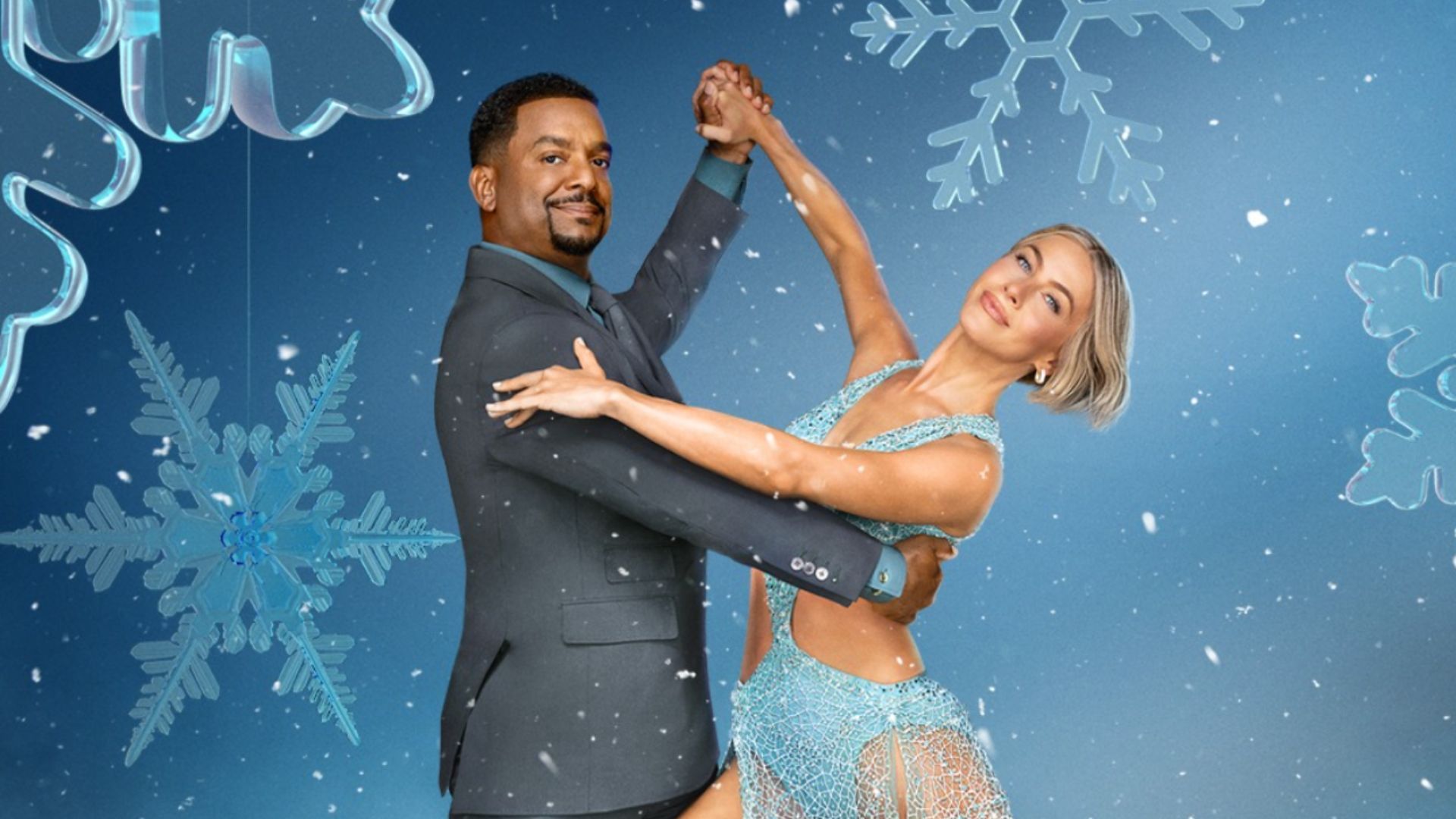
Alfonso Ribeiro’s journey on Dancing with the Stars left a permanent imprint on the reality television landscape. He demonstrated that legacy performers could successfully transition into technical dance competitions without relying solely on past fame. His commitment to mastering the nuance of frame, hold, and foot placement elevated the competitive bar for subsequent seasons.
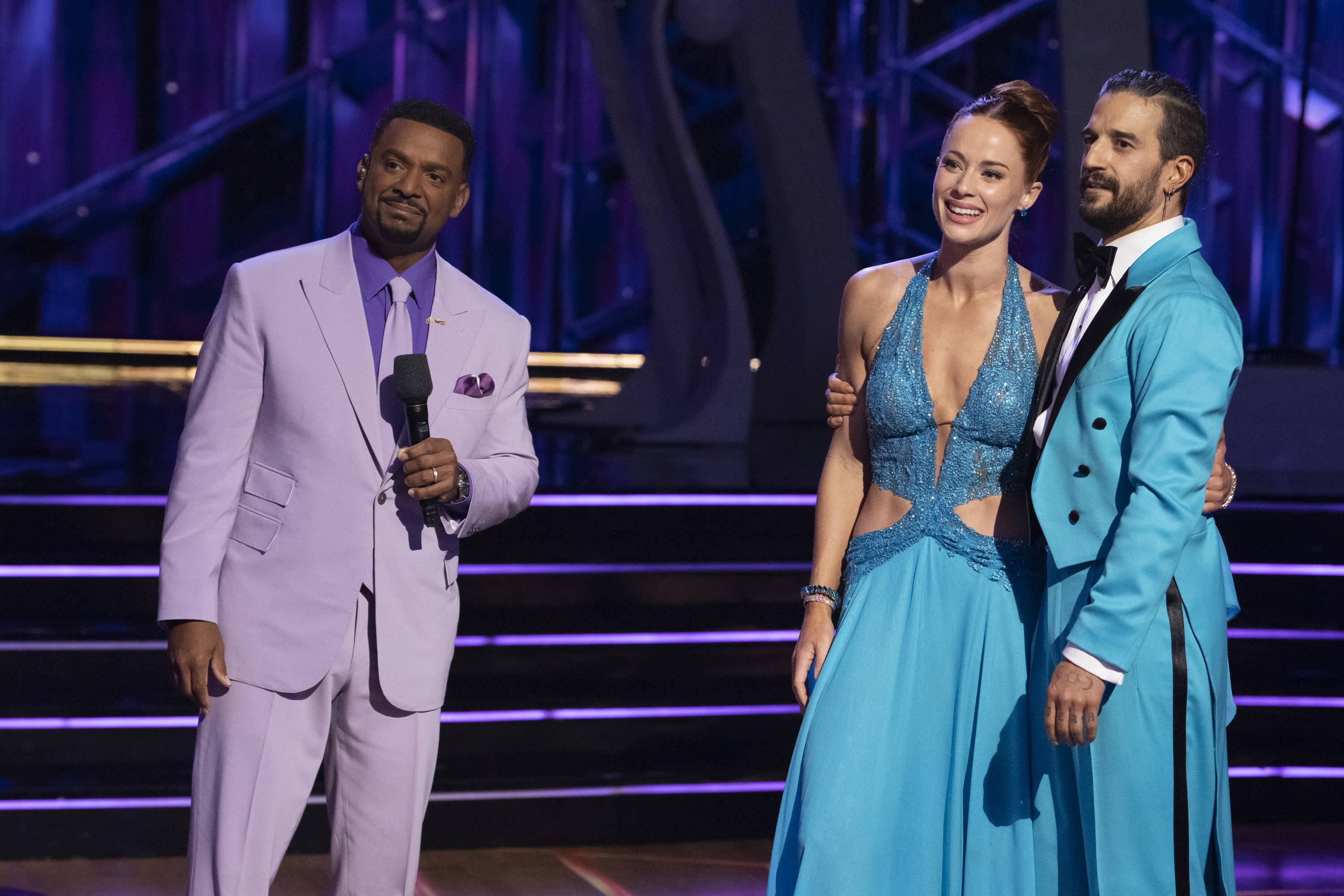
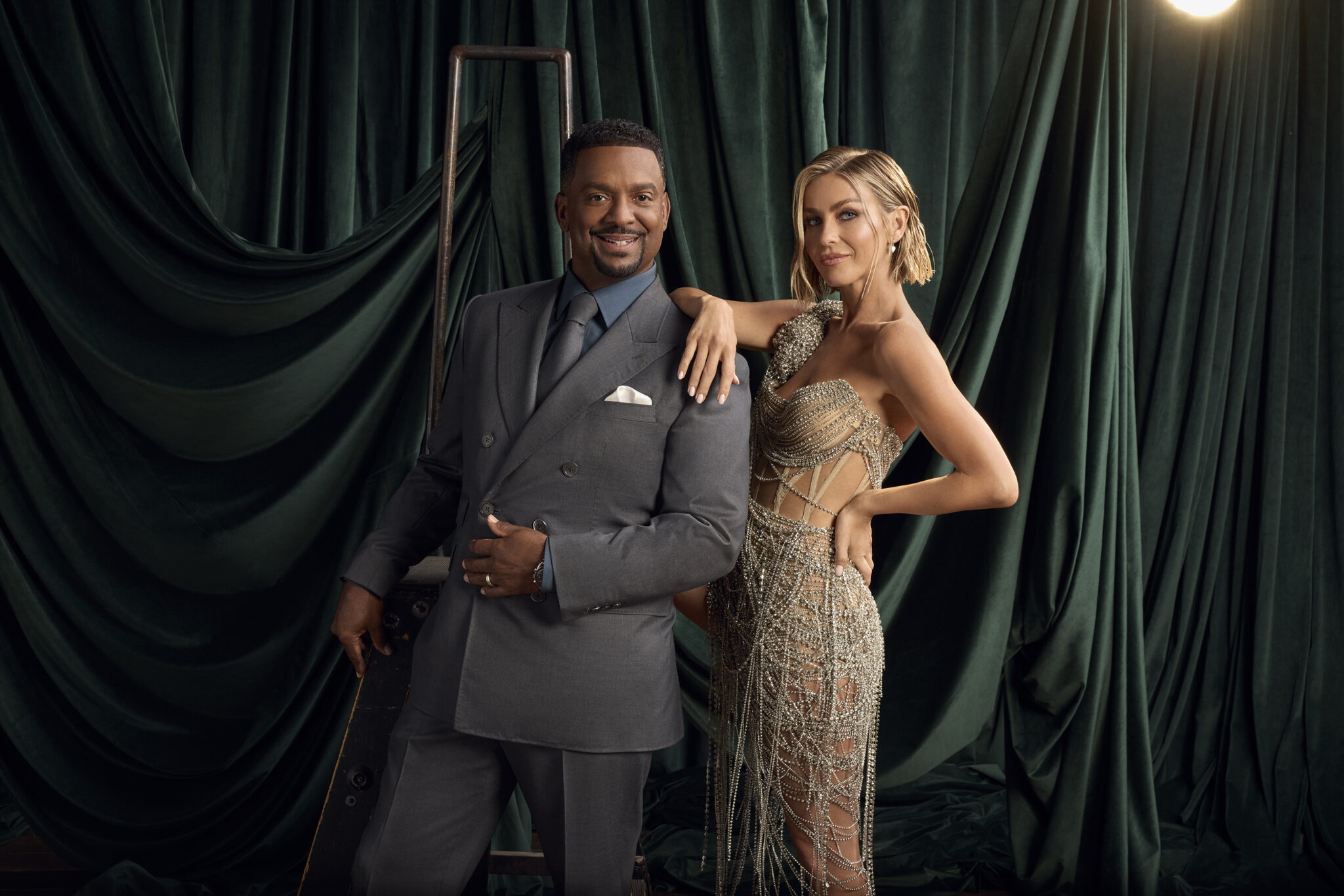
Furthermore, his involvement didn't end with Season 19. Ribeiro later returned to the franchise in a professional capacity, joining host Tyra Banks as co-host starting in Season 31 before taking over primary hosting duties. This evolution from contestant to master of ceremonies underscores his enduring relationship with the production and his deep understanding of what competitors experience on the dance floor. His path remains a benchmark for how celebrity contestants can combine technical ambition, fan connection, and respectful execution of a demanding art form.
Frequently Asked Questions
What season of Dancing with the Stars did Alfonso Ribeiro win?
Alfonso Ribeiro won Season 19 of Dancing with the Stars, which aired in the fall of 2014. He competed alongside professional dance partner Witney Carson, culminating in their victory and the lifting of the Mirrorball Trophy during the finale.
Who was Alfonso Ribeiro's professional dance partner on the show?
His professional partner throughout Season 19 was Witney Carson. Carson, an Emmy-nominated choreographer and professional dancer, tailored routines that maximized Ribeiro's natural rhythm and Broadway background while rapidly building his traditional ballroom technique.
Did Alfonso Ribeiro dance before joining Dancing with the Stars?
Yes. Before his television career, Ribeiro starred on Broadway as a child actor in The Tap Dance Kid, which required advanced tap dancing skills. However, he had no formal training in standard ballroom or Latin dance styles prior to entering the competition.
How did Alfonso Ribeiro's back injury affect his performance?
During Season 19, Ribeiro suffered severe back spasms that limited his rehearsal time and threatened his ability to perform live. Despite medical concerns, he performed through the pain by utilizing physical therapy and strategic pacing, ultimately securing high scores and continuing in the competition.
What is Alfonso Ribeiro's current role on Dancing with the Stars?
Alfonso Ribeiro serves as the co-host of Dancing with the Stars, having transitioned from winning contestant to hosting alongside fellow presenters in recent seasons of the live competition broadcast.