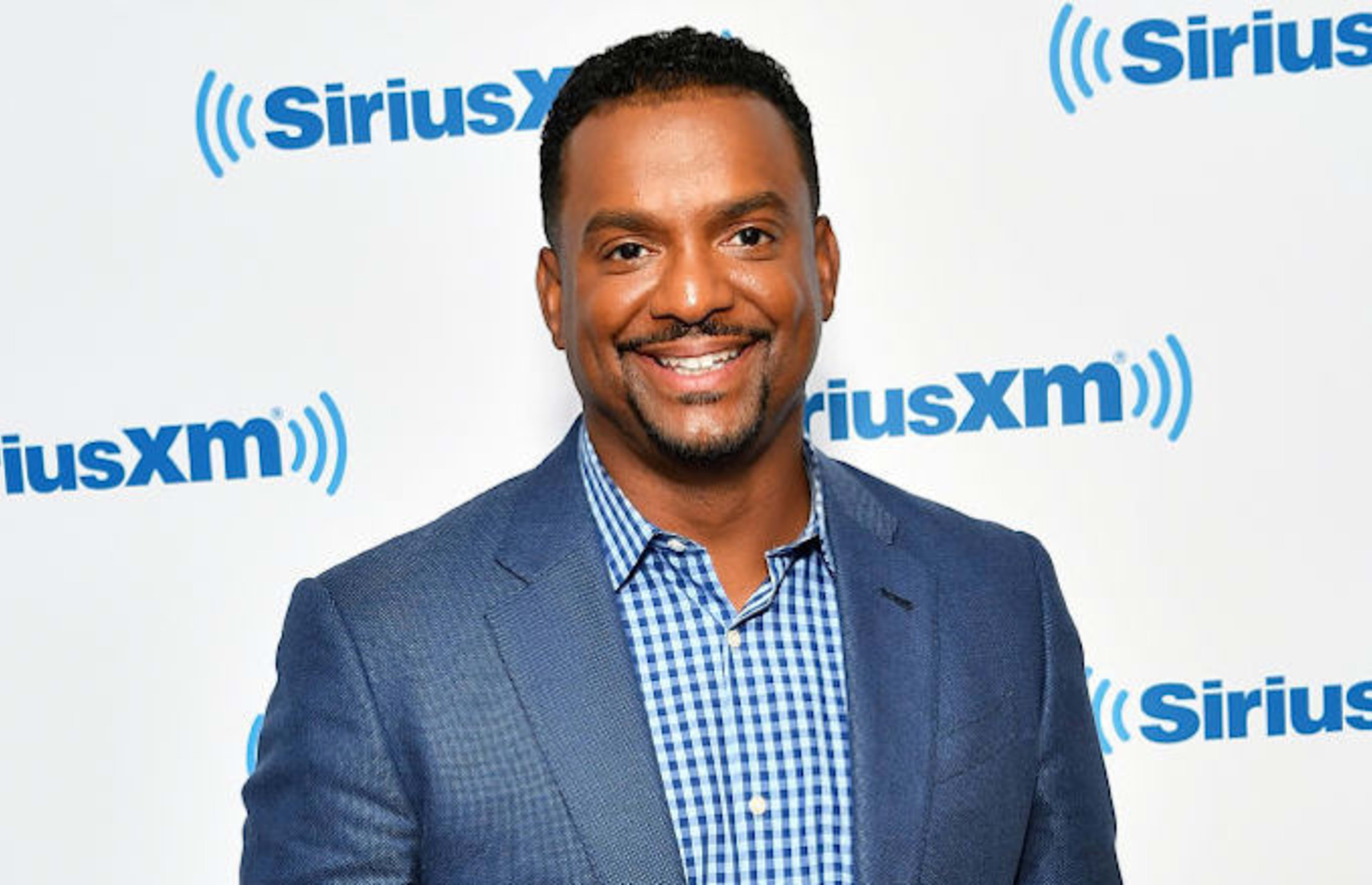
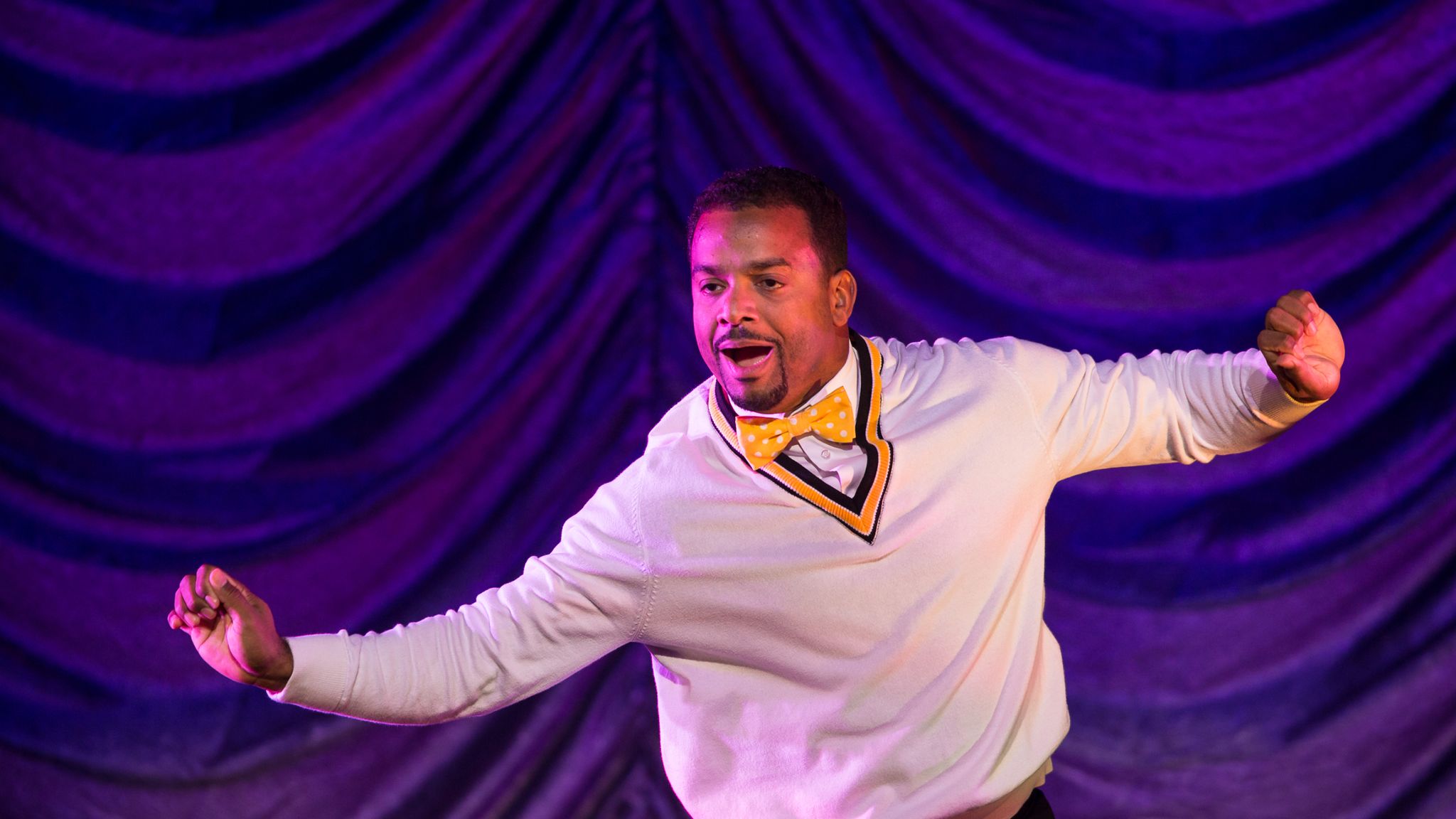
The Carlton Dance, famously performed by Alfonso Ribeiro as Carlton Banks on the 1990s television sitcom The Fresh Prince of Bel-Air, is a globally recognized pop culture phenomenon defined by swinging arms, rhythmic hip sways, and energetic footwork set to Tom Jones's song It's Not Unusual. Mastering this iconic sequence requires precise coordination of upper-body swings and lower-body steps executed in a cheerful, uninhibited character style.
Historical Context and Cultural Impact of The Carlton Dance
The genesis of The Carlton Dance is rooted in physical comedy and character development on The Fresh Prince of Bel-Air. Alfonso Ribeiro conceptualized the routine as an physical manifestation of his character's uptight, preppy persona letting loose to music he genuinely loved. Rather than traditional professional choreography, Ribeiro drew inspiration from 1960s dance crazes and physical comedians like Courteney Cox in Bruce Springsteen’s "Dancing in the Dark" music video and Eddie Murphy’s comedic routines.
Over the decades, the dance transcended its television origins to become a staple of pop culture nostalgia. Its enduring appeal lies in its joyful accessibility and distinctive rhythm. While it looks deceptively simple, successfully executing the routine demands precise timing, posture, and weight shifts. Understanding the anatomical and mechanical breakdown of each movement allows dancers, performers, and enthusiasts to replicate the routine accurately while capturing the spirited energy that made it famous.
Prerequisite Posture and Rhythm Fundamentals
Before attempting the footwork and arm swings, a dancer must establish the correct posture and rhythm. Carlton Banks is portrayed as an immaculately groomed, posture-conscious young man from Bel-Air, meaning slouching destroys the authenticity of the performance.
- Spine and Shoulders: Stand tall with your spine extended, shoulders back, and chest open. Avoid hunching or looking down at your feet.
- Knee Softness: Keep your knees slightly bent to absorb impact and allow rapid weight shifts between the left and right sides. Locking your knees makes the movement rigid and difficult to execute at tempo.
- Musical Timing: Listen to a mid-tempo upbeat track, ideally "It's Not Unusual" by Tom Jones. The dance is structured around a standard 4/4 count, with major movements hitting squarely on beats one and three.
- Facial Expression: The performance is incomplete without an expression of uncontainable joy, complete with wide eyes, a bright smile, and an air of complete confidence.
| Movement Phase | Primary Focus | Key Physical Action | Target Count |
|---|---|---|---|
| Preparation | Posture & Stance | Upright spine, soft knees, weight centered | Beat 1 (Setup) |
| The Swing | Arm & Hip Isolation | Arms cross down and swing up outward | Beats 1 - 2 |
| The Step-Touch | Lower Body Footwork | Step right, tap left, step left, tap right | Beats 3 - 4 |
| The Snap | Accent & Rhythm | Finger snap paired with head bob | Beat 4 (Resolution) |
Phase One: The Arm Swing and Torso Isolation
The signature visual element of The Carlton Dance is the simultaneous movement of the arms sweeping from side to side in opposition to the hips. This upper-body mechanics anchors the entire routine.
To execute the arm swing, begin with your hands relaxed near your waist. As you shift your weight to the left foot, swing both arms across your body to the right side, keeping your elbows slightly bent. Your torso should twist naturally following the momentum of your arms.
Instantly reverse the motion: swing your arms back across your body toward the left side while shifting your weight to your right foot. The key to capturing Ribeiro's style is maintaining loose wrists and elbows. The arms should not look like rigid military instruments; they should swing fluidly with a bouncy, animated quality that suggests exuberant performance for an imaginary audience.
Phase Two: Lower Body Footwork and Step-Touch Sequence
While the arms provide theatrical flair, the lower body executes a steady, bouncy step-touch pattern that keeps the dancer moving across the floor.
- The Right Step: Step your right foot out to the right side while simultaneously tapping your left toe behind or beside your right foot.
- The Hip Sway: As your right foot steps out, push your right hip outward in a distinct, cartoonish pop.
- The Left Step: Reverse the motion by stepping your right foot back to center and immediately stepping your left foot out to the left side.
- The Counter-Sway: Pop your left hip outward as your weight transfers to the left foot.
Maintain a continuous up-and-down bounce in your knees throughout this sequence. The feet should never drag; each step must be crisp and placed deliberately on the beat of the music.
Phase Three: Integrating Upper and Lower Body Coordination
The primary challenge of The Carlton Dance is coordinating the opposing movements of the upper and lower body without losing balance. When your arms swing to the left, your lower body should step to the right.
To practice this integration, slow the tempo down to half-speed. Stand in your starting posture with soft knees. As you step your right foot out to the side, swing your arms in the opposite direction toward the left. As you bring your feet back together, reset your arms to the center.
Gradually increase your speed until you reach the standard tempo of the song. Pay close attention to your torso alignment; ensure you are not leaning forward from the waist. The chest must remain lifted, projecting the theatrical, show-stopping confidence that defines the character.
Common Mistakes and Troubleshooting
Dancers attempting this routine often encounter specific coordination hurdles that detract from the authentic look of the dance. Identifying these pitfalls helps refine the execution.
- Rigid Arms: Keeping the arms stiff makes the dance look robotic rather than playfully expressive. Ensure your wrists and elbows remain flexible.
- Locked Knees: Failing to keep the knees soft prevents rapid weight shifts, making the side-to-side steps look heavy and strained.
- Incorrect Timing: Moving faster than the musical beat causes the arm swings to fall out of sync with the hip sways. Always anchor your movements to the 4/4 rhythm of the song.
- Slouching Posture: Allowing the shoulders to roll forward destroys the preppy, proud demeanor required to embody Carlton Banks accurately.
Frequently Asked Questions
What song is typically played during The Carlton Dance?
The Carlton Dance is most famously performed to Tom Jones's 1965 hit single "It's Not Unusual." The upbeat brass arrangement and driving rhythm match the tempo and cheerful energy of the choreography.
Did Alfonso Ribeiro invent The Carlton Dance?
Alfonso Ribeiro conceived and improvised the dance moves on the set of The Fresh Prince of Bel-Air. He combined physical comedy elements inspired by Courteney Cox in a Bruce Springsteen music video and Eddie Murphy's stand-up routines to create the character's signature style.
Is The Carlton Dance difficult to learn for beginners?
The dance is beginner-friendly and accessible to individuals with little to no formal dance training. Breaking the routine down into separate upper-body arm swings and lower-body step-touches allows most learners to master the basics within a short practice session.
How do I get the hip movement right in The Carlton Dance?
The hip movement relies on keeping your knees soft and shifting your body weight entirely onto one foot while pushing the opposite hip outward. Exaggerating this weight shift creates the signature bouncy pop seen in the television series.
Can The Carlton Dance be adapted for modern fitness routines?
The routine provides an excellent cardiovascular workout due to its continuous bouncing, arm movements, and weight shifts. Many fitness enthusiasts incorporate modified versions of the dance into upbeat cardio and aerobic dance workouts.
Practicing for Performance and Next Actions
To achieve performance-ready execution, practice the routine in front of a full-length mirror to monitor your posture, arm angles, and facial expressions. Begin by drilling the arm swings and footwork independently for five minutes each before combining them at a slow tempo. Once you can execute the full sequence smoothly without losing your balance or posture, gradually increase your speed to match the original song. Focus on maintaining high energy and uninhibited theatricality from start to finish.