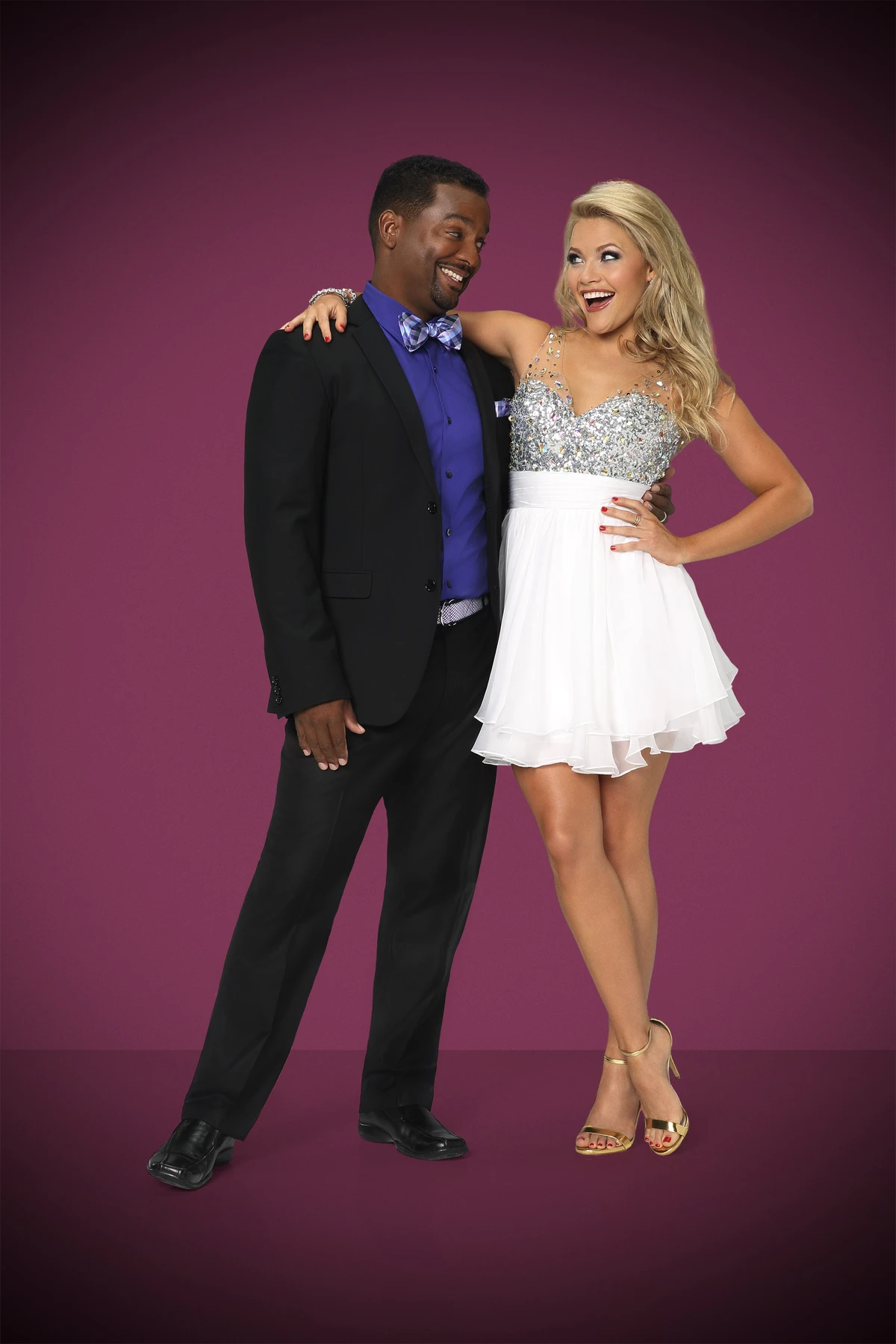
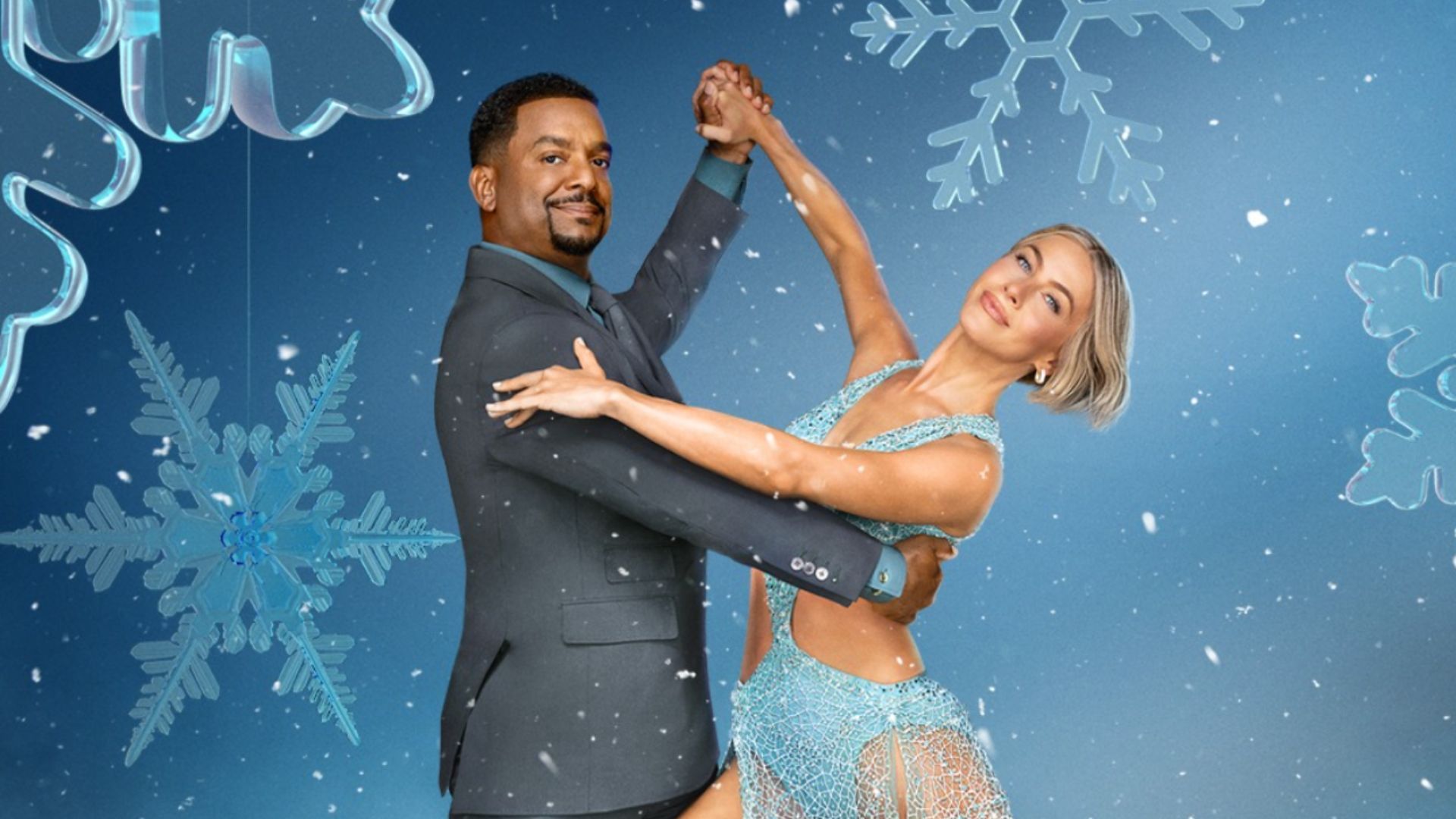
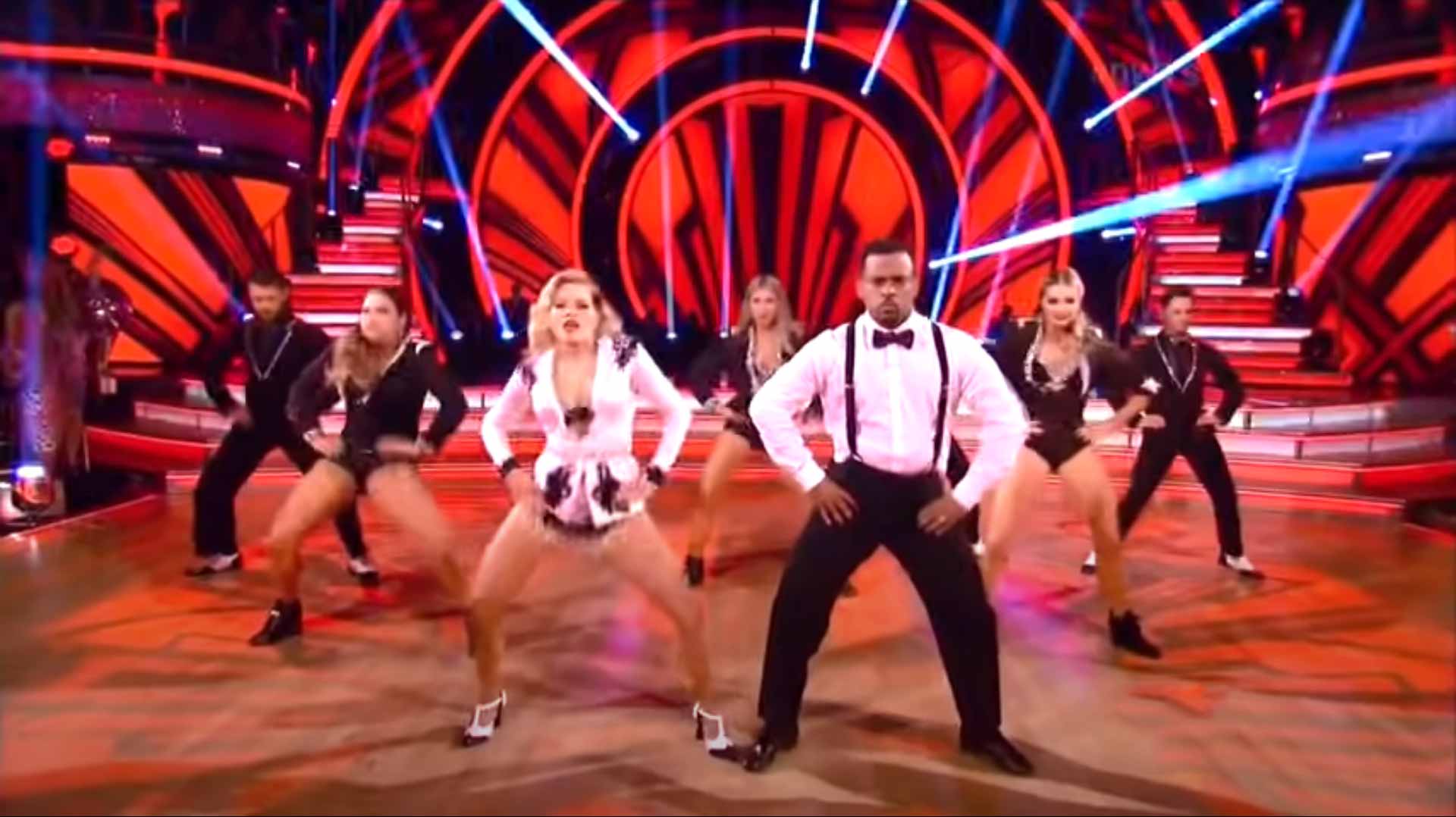
Alfonso Ribeiro’s iconic "Carlton Dance" performance on Dancing with the Stars represents a masterclass in television virality, combining nostalgia, precision choreography, and immaculate timing to captivate global audiences. When the actor and television personality took to the ballroom floor alongside professional partner Witney Carson during Season 19, their rendition of Tom Jones’s "It’s Not Unusual" transcended the boundaries of a standard reality television competition. The routine immediately captured cultural consciousness, generating millions of digital streams across social media platforms and cementing its status as one of the most memorable moments in the history of reality television broadcasting.
Understanding how a single television routine achieves such widespread digital dominance requires examining the intersection of nostalgic television history, physical comedy, precise execution, and digital distribution strategies. This analysis explores the background of the performance, the technical choreography that drove its success, the media ecosystem that amplified its reach, and its enduring cultural footprint.
The Cultural Foundation: From Sitcom Origins to Ballroom Revival
Long before stepping onto the ballroom stage, Alfonso Ribeiro established his place in television history through his portrayal of Carlton Banks on the 1990s NBC sitcom The Fresh Prince of Bel-Air. The character’s trademark dance—characterized by loose-limbed, exaggerated arm swings, pelvic thrusts, and synchronized head bobs performed with absolute earnestness—became an enduring pop culture meme years before the term became ubiquitous in the digital age.
When Ribeiro joined the cast of Dancing with the Stars Season 19 in 2014, viewers immediately anticipated a nod to his famous television persona. The anticipation created a high-stakes environment where expectations met execution. Ribeiro and Witney Carson did not merely reference the dance as a novelty gag; they integrated it seamlessly into a high-energy Jive routine. This contextual framing allowed fans of the original sitcom to reconnect with a cherished piece of television history while evaluating Ribeiro’s legitimate technical growth as a ballroom competitor.
Choreographic Breakdown and Technical Execution
A viral television performance rarely relies on novelty alone; it requires exceptional technical execution to sustain viewer engagement. The Jive is one of the fastest and most physically demanding Latin dances in competitive ballroom, characterized by rapid footwork, precise leg extensions, kicks, flicks, and continuous bounce action.
| Routine Element | Technical Requirement | Execution Quality | Impact on Audience |
|---|---|---|---|
| Tempo & Timing | Maintained strict adherence to fast 4/4 syncopated swing timing. | Flawless synchronization with the live brass arrangement. | Established immediate rhythmic authority. |
| Footwork & Posture | Clean ball-heel placement with appropriate ankle articulation. | Sustained high energy without loss of technical frame. | Demonstrated genuine dance competency. |
| The Signature Break | Transitioned mid-routine into the iconic Carlton choreography. | Executed with deadpan comedic timing and sharp isolation. | Triggered immediate emotional resonance and nostalgia. |
| Partner Integration | Maintained seamless transitions with Witney Carson. | Balanced solo showcases with synchronized partner work. | Highlighted collaborative performance value. |
The brilliance of the performance lay in its structural architecture. Ribeiro and Carson opened with standard, high-level Jive choreography that proved Ribeiro possessed the stamina and technique required by the judges. Midway through the routine, the music shifted, and the choreography broke into the anticipated Carlton movements. By anchoring the viral novelty within a technically demanding routine, the performance satisfied both strict judges and casual viewers looking for entertainment.
The Mechanics of Television Virality
The transition from a broadcast television segment to a viral digital phenomenon depends on several distinct factors that aligned perfectly during Ribeiro’s performance. In the mid-2010s, television production companies increasingly recognized that standalone clips uploaded to platforms like YouTube and Facebook served as primary drivers of audience engagement and cultural relevance.
Several specific catalysts fueled the rapid dissemination of the performance:
- Instant Emotional Hook: The immediate visual recognition of a beloved 1990s pop culture reference provided an instant dopamine hit for viewers, encouraging immediate sharing across social networks.
- Platform-Optimized Duration: The dance segment was self-contained, lasting roughly two minutes—an ideal length for digital consumption, embedding, and rapid re-sharing on mobile devices.
- Cross-Generational Appeal: Older viewers recognized the original sitcom reference, while younger demographics engaged with the comedic timing and physical dynamism of the choreography as a fresh meme.
- Active Endorsement by Production: The official broadcasting network aggressively distributed high-definition clips across digital channels within hours of the live broadcast, capitalizing on initial search momentum.
Critical Reception and Judge Validation
The performance received near-universal acclaim from both the judging panel and the viewing public. Judges Bruno Tonioli, Carrie Ann Inaba, and Julianne Hough praised not only the entertainment value but also the underlying technique required to transition from classic ballroom forms into character-driven choreography without missing a beat.
The routine earned a score of perfect tens from the judging panel, reflecting the consensus that the routine achieved a rare balance: it satisfied the technical criteria of the competition while delivering an unforgettable moment of pure theatrical joy. This validation insulated the viral moment from criticisms of being a mere gimmick, proving that humor and high-level athletic performance could coexist successfully in a competitive arena.
Enduring Legacy in Reality Television History
Years after its initial broadcast, the performance remains a benchmark for how reality television contestants can leverage personal history to create culturally resonant moments. It demonstrated that modern virality requires more than algorithmic luck; it demands authenticity, precise execution, and a deep understanding of what resonates with collective memory.
For Dancing with the Stars, the routine set a high-water mark for mid-season engagement, proving that live variety programming could generate the same digital velocity as dedicated internet-native content. Ribeiro went on to win the competition, but his Jive performance remains the defining artifact of that season, frequently cited in retrospectives celebrating the intersection of classic television and modern digital culture.
Frequently Asked Questions
What season of Dancing with the Stars did Alfonso Ribeiro perform the viral dance?
Alfonso Ribeiro performed the viral routine during Season 19 of Dancing with the Stars, which aired in the autumn of 2014 in the United States.
Who was Alfonso Ribeiro’s professional dance partner for the routine?
His professional dance partner throughout Season 19 was Witney Carson, who choreographed the routine and integrated the iconic sitcom movements into a competitive Jive.
What song was used for the viral Alfonso Ribeiro dance performance?
The routine was set to Tom Jones’s classic 1965 soul and pop hit "It’s Not Unusual," which provided the driving brass arrangement necessary for a high-tempo Jive.
Did the performance receive a perfect score from the judges?
Yes, the routine earned a score of 30 out of 30, receiving a perfect ten from each of the three primary judges on the panel.
Why did the dance become such a massive viral success?
The routine combined genuine Jive dance technical competence with heavy nostalgia for Ribeiro’s character on The Fresh Prince of Bel-Air, creating a universally appealing and easily shareable digital moment.
Strategic Next Steps for Content Creators and Analysts
Analyzing cultural phenomena like Alfonso Ribeiro’s viral television moment offers valuable insights for digital media strategists, producers, and researchers studying audience behavior. To apply these insights effectively, examine how contemporary entertainment properties engineer shareable moments by combining nostalgia with high production standards. Review archival broadcast clips to study pacing, camera blocking, and audience reaction integration, ensuring a comprehensive understanding of how live television translates into sustained digital engagement.