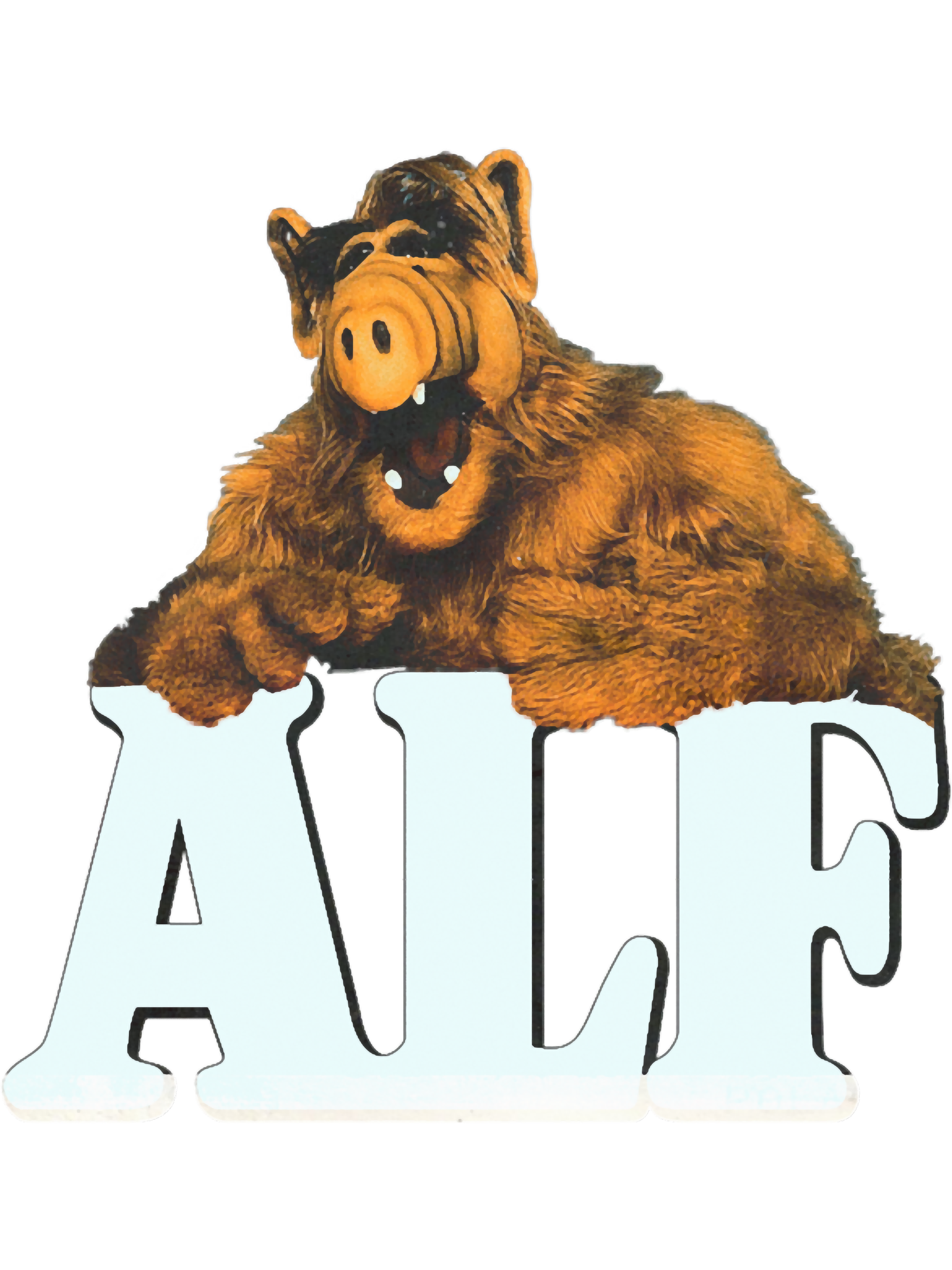
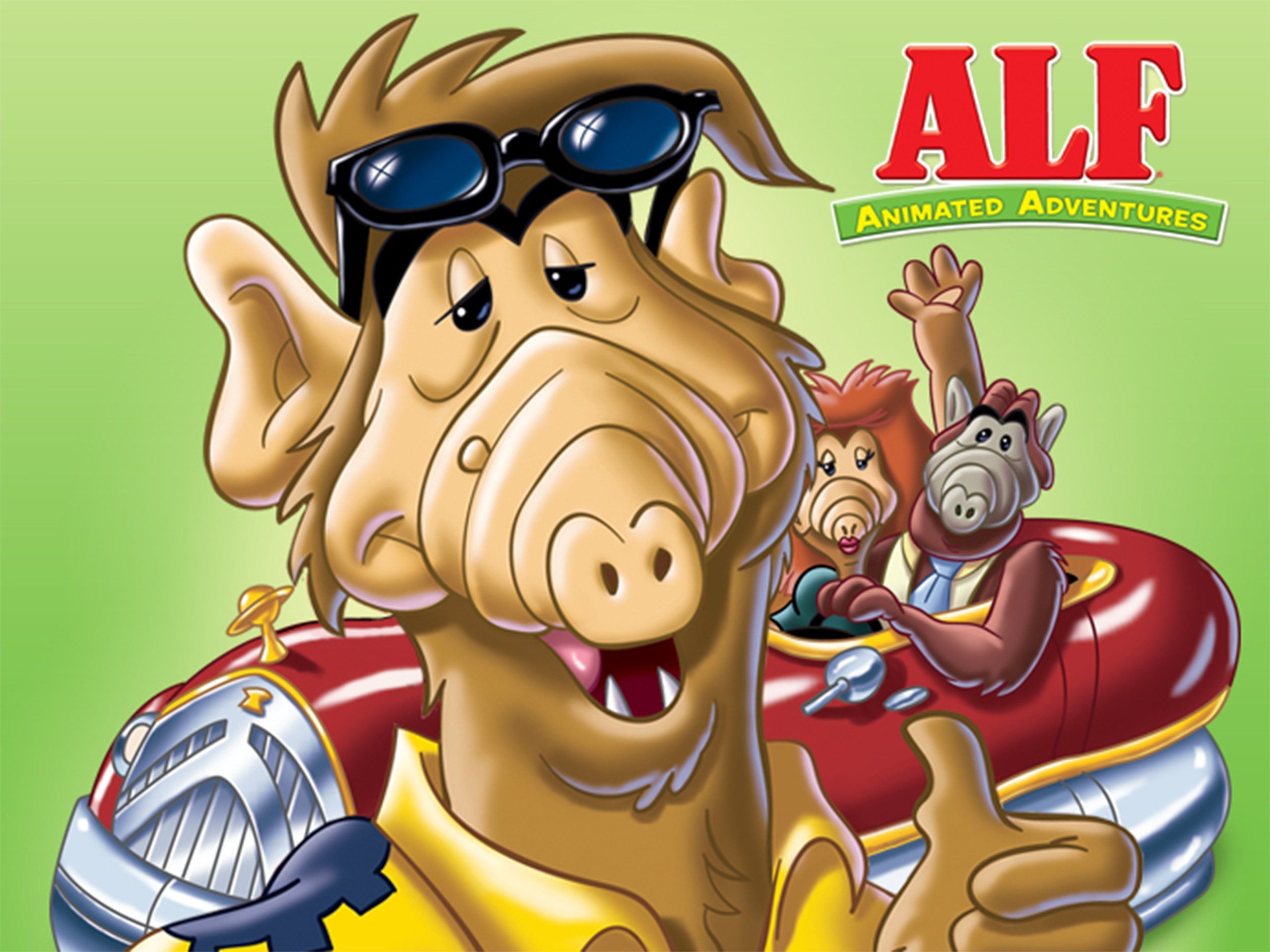
Alf images span digital collections, television history, and pop culture archives, serving as a primary touchpoint for fans and researchers seeking visual media related to the iconic 1980s sitcom character, Alien Life Form. Navigating these visual assets requires understanding copyright boundaries, digital image resolution standards, and the specific platforms where high-resolution promotional stills, promotional art, and broadcast captures are indexed.
The cultural footprint of the character ALF—born Gordon Shumway on the planet Melmac—spans four television seasons on NBC from 1986 to 1990, a syndicated cartoon series, comic books, and a 1996 television film. Because of this multi-decade media presence, alf images encompass a wide spectrum of visual files, ranging from vintage promotional transparency scans to modern digital wallpaper, vector fan art, and high-definition screencaps from digital streaming platforms. Finding, verifying, and utilizing these assets requires a systematic approach to digital asset management, digital archiving ethics, and technical image specifications.
Origins and Evolution of ALF Visual Assets
The visual history of the titular character began in 1986 with Puppet Productions and creators Paul Fusco and Tom Patchett. Early promotional alf images were captured on 35mm film transparencies for television guide listings, magazine covers, and network press kits. These physical prints and slides established the foundational look of the character, featuring the distinct orange-brown fur, snout, and facial expressions carefully engineered by puppeteers and technicians on the Los Angeles set.
As the series transitioned from network television to global syndication, the volume and variety of official visual assets expanded. Syndication packages provided local stations with new promotional packets, expanding the library of alf images available to print media. During the 1990s, the emergence of the consumer internet transformed these physical photographs into digital scans. Early fansites and archival hobbyists began digitizing television guides, trading cards, and cereal box art, creating decentralized online repositories for the character's imagery.
In the modern digital landscape, the nature of alf images has shifted toward high-definition restoration. With the series remastered for digital streaming and high-definition broadcast syndication, newer visual assets feature sharper detail, wider color spaces, and improved contrast compared to standard-definition VHS recordings or 1980s television broadcasts. This technological upgrade allows graphic designers, video editors, and digital archivists to access cleaner visual cuts and higher-fidelity frames for retrospectives, video essays, and pop-culture databases.
Technical Specifications and Digital Formats for Visual Archives
When sourcing or storing alf images, digital creators and researchers must evaluate file formats, color profiles, and resolution standards to ensure optimal utility. Visual assets retrieved from the web vary widely in quality, requiring a clear understanding of technical specifications to separate low-resolution thumbnails from archival-grade masters.
Most archival scans of vintage promotional photography are distributed in JPEG or TIFF formats. TIFF files preserve uncompressed pixel data, making them ideal for professional print media, museum archiving, and extensive image manipulation. Conversely, compressed formats like JPEG and WebP are standard for web publishing, social media, and digital content management systems due to their smaller file sizes and efficient browser rendering capabilities.
| Format | Primary Use Case | Compression Type | Advantages | Limitations |
|---|---|---|---|---|
| TIFF | Archival storage, print publishing | Lossless | Preserves maximum dynamic range and detail | Large file sizes, high storage overhead |
| JPEG | Web integration, general sharing | Lossy | Universally supported, small file size | Generates artifacts upon repeated saving |
| PNG | UI elements, transparent cutouts | Lossless | Supports transparency, sharp lines | Larger file sizes for photographic imagery |
| WebP | Modern web optimization | Lossy / Lossless | Superior compression ratio, supports alpha channels | Incompatible with legacy systems |
Resolution requirements depend heavily on the intended application. Standard-definition broadcast captures from the original 480i television transmission measure 640x480 pixels in a 4:3 aspect ratio. Modern restorations scale these assets or present them in pillarboxed high-definition frames, typically 1920x1080 pixels, while preserving the historical aspect ratio. Attempting to upscale low-resolution legacy images beyond their native pixel grid often introduces interpolation artifacts, blurring fine details in the character's synthetic fur and set textures.
Navigating Copyright, Licensing, and Usage Rights
The distribution, reproduction, and commercial utilization of alf images are governed by strict intellectual property laws. The character ALF and associated promotional materials are protected by copyright held by Alien Productions, Warner Bros. Television, and subsequent corporate rights holders. Understanding these legal frameworks is essential for publishers, content creators, and educators seeking to incorporate these visuals into new media projects.
Under United States copyright law and international Berne Convention treaties, official promotional photographs, television stills, and character designs are protected intellectual property. Unauthorized commercial exploitation—such as printing merchandise, reselling digital art prints, or using proprietary stills for brand advertising without a licensing agreement—constitutes copyright infringement. Rights holders maintain legal mechanisms to issue digital millennium copyright act (DMCA) takedown notices or pursue statutory damages for unauthorized commercial use.
However, non-commercial uses, such as academic commentary, historical criticism, transformative video essays, and fan documentation, frequently fall under the legal doctrine of fair use. Evaluators must weigh four statutory factors when determining fair use: the purpose and character of the use, the nature of the copyrighted work, the amount and substantiality of the portion used, and the effect of the use upon the potential market for or value of the copyrighted work. Creators should carefully document their transformative purpose and limit asset extraction to what is strictly necessary for commentary or educational context.
Locating and Verifying Archival ALF Images
Finding authentic, high-quality alf images requires exploring specialized digital repositories rather than relying solely on generalized web searches. General search engines often index aggregated, low-resolution copies stripped of contextual metadata, attribution, and color accuracy.
Primary sources for verifiable visual assets include television network press archives, historical entertainment magazines indexed in libraries, and dedicated fan-run preservation databases. When examining an image for authenticity, researchers should inspect metadata tags such as EXIF data, original publication dates, and watermarks left by historical syndication services. Authentic promotional stills frequently bear studio release stamps, serial numbers on the reverse side of physical prints, or catalog codes from press distribution agencies.
- Inspect Source Domain (Official vs. Aggregator)
- Analyze Resolution & Aspect Ratio (4:3 vs 16:9)
- Check for Studio Metadata or Watermark Stamps
- Evaluate Transformative Intent (Fair Use Check)
Researchers must also remain vigilant against AI-generated imagery and heavily manipulated fan art circulating across modern social media platforms. Synthetic image generators frequently produce distorted proportions, incorrect hand or facial structures, or anachronistic costume details that deviate from the actual 1980s puppet design. Cross-referencing suspected images against verified television episodes or official episode guides prevents the propagation of inaccurate visual history.
Common Challenges and Troubleshooting in Image Retrieval
Users frequently encounter specific technical and logistical hurdles when attempting to source high-grade alf images for digital projects. Identifying these obstacles early streamlines the research workflow and prevents wasted effort on unusable assets.
One prominent issue is pixelation resulting from the widespread circulation of low-resolution television screencaps from the late 1990s internet era. Many early web archives compressed images severely to accommodate dial-up bandwidth limitations. When modern displays upscale these legacy files, the resulting image degradation makes them unsuitable for high-definition print or video production. Sourcing material directly from modern remastered digital streaming releases or physical Blu-ray and DVD box sets provides superior source files.
Another frequent obstacle is incorrect aspect ratio rendering. Because the original series was broadcast in a standard 4:3 television format, modern widescreen displays often crop, stretch, or pillarbox the video feed. Archival researchers must ensure that extracted digital frames maintain the correct geometric proportions to prevent unnatural vertical or horizontal distortion of the character's facial features and studio set pieces.
Finally, navigating broken links within decentralized fan communities requires utilizing web archiving tools like the Wayback Machine. Many historical fan repositories that cataloged rare promotional photography have gone offline over the decades. Accessing cached snapshots of these defunct domains remains an effective method for discovering rare bibliographic references, magazine scans, and press kit imagery that would otherwise be lost to digital decay.
Frequently Asked Questions
Where can I find official high-resolution alf images?
Official high-resolution alf images are primarily sourced from studio-released press kits, remastered home video releases, and authorized television database archives. General web search engines index these assets, but users should verify source authenticity to avoid low-quality compression artifacts or unauthorized edits.
Are alf images protected by copyright?
Yes, the character ALF, official promotional photographs, and television broadcasts are protected by copyright held by the production companies and media conglomerates that own the intellectual property. Commercial use requires formal licensing, while non-commercial commentary or educational use may qualify under fair use doctrines.
What aspect ratio should original ALF television stills maintain?
Original television stills and broadcast captures from the 1980s series should maintain a 4:3 aspect ratio. Modern digital displays may present these images within a 16:9 frame using pillarboxing, but the core image data should not be artificially stretched or cropped.
How can I distinguish authentic promotional stills from fan art?
Authentic promotional stills feature period-accurate film grain, studio catalog numbers, standard television network press framing, and consistency with the physical puppet designs used on set between 1986 and 1990. Fan art or synthetic digital creations often display anachronistic styling, digital painting brushwork, or anatomical inconsistencies.
Can I use alf images for my personal blog or website?
Using these images for personal blogs or non-commercial fan sites often falls under gray-area fair use, provided the usage is transformative, non-commercial, and accompanied by critical commentary or historical review. However, rights holders retain the legal right to request the removal of copyrighted assets.