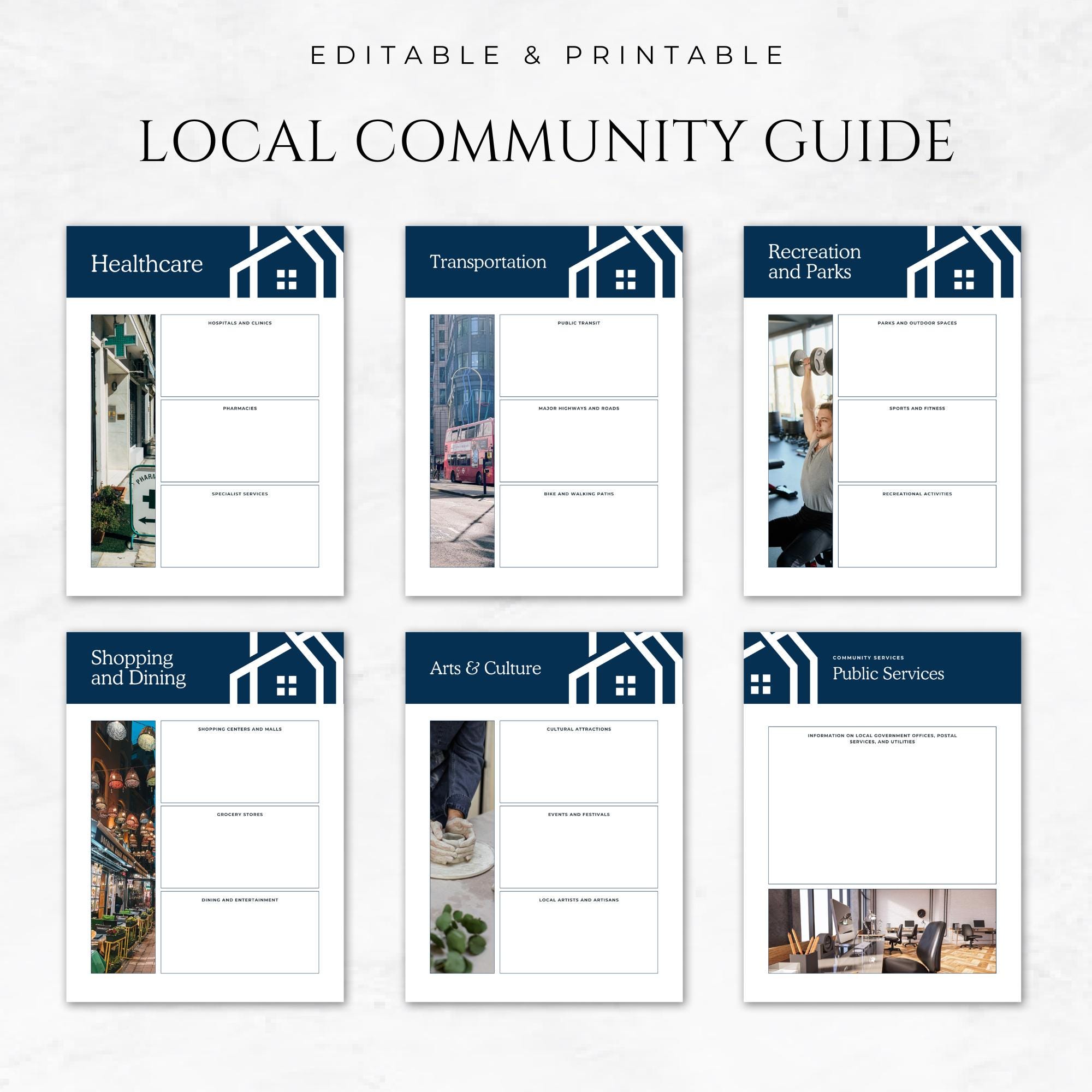
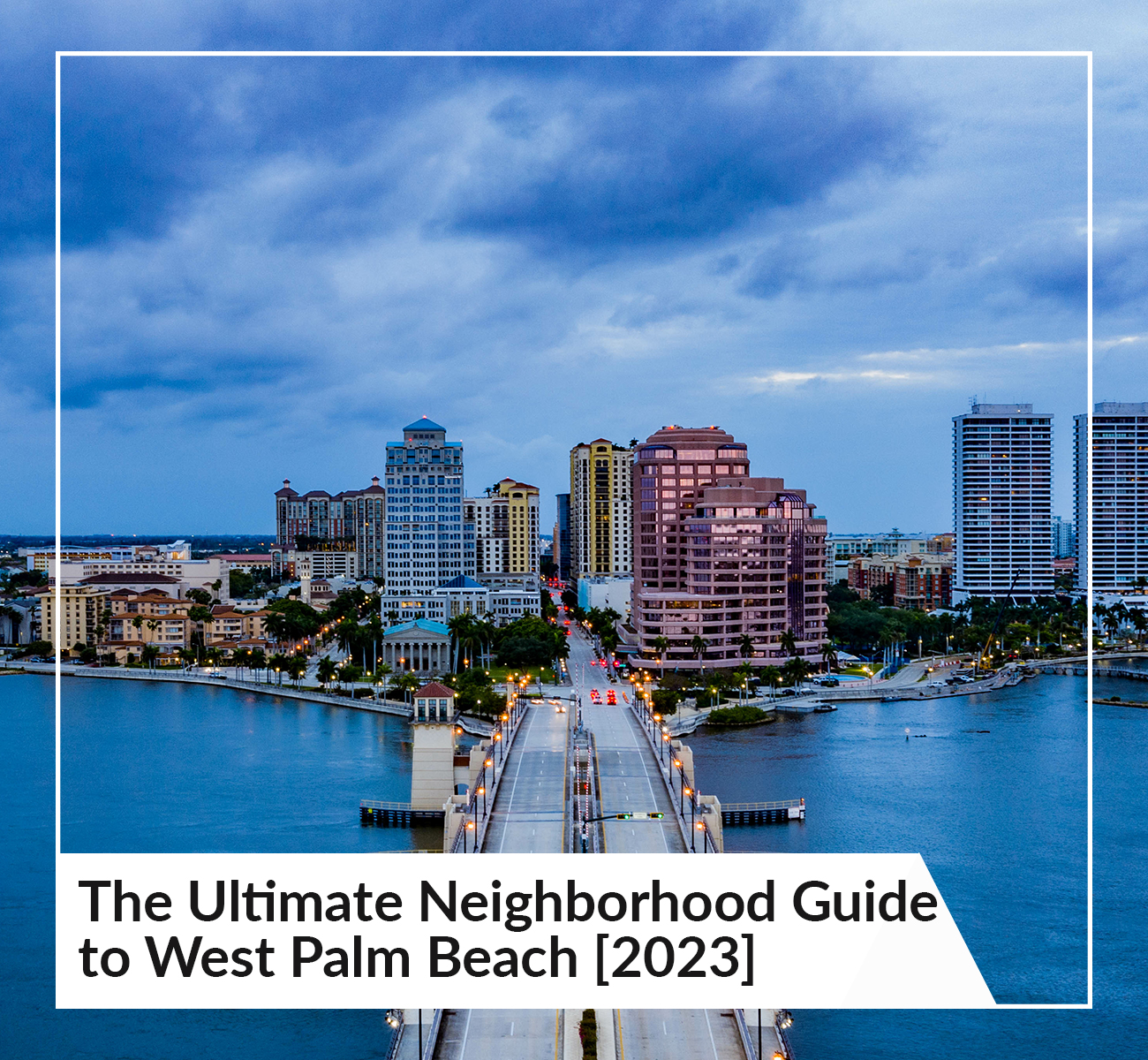
Navigating a specific community requires an understanding of its unique layout, foundational history, local businesses, and everyday practicalities. This comprehensive guide serves as an exploration of the neighborhood associated with Alexis, detailing its geographic context, community amenities, local culture, and essential logistical tips for residents and visitors alike.
Understanding the Geographic Footprint and History
Every distinct community is shaped by its physical boundaries and the historical context that influenced its development. To understand the neighborhood of Alexis, one must examine how local zoning, historical expansion, and architectural styles define the area today.
The structural layout typically features a blend of residential housing, commercial storefronts, and accessible public spaces designed to accommodate pedestrian and vehicular traffic. Over time, urban planning initiatives have sought to balance modern development with the preservation of local heritage. Streets are laid out to connect key commercial nodes with residential enclaves, ensuring that daily necessities remain within a reasonable distance for inhabitants.
Historical markers and architectural preservation efforts often highlight the evolution of the neighborhood from its early days to its current status. Recognizing these foundational elements helps visitors and newcomers appreciate the community identity, understanding why certain commercial districts or residential pockets retain distinct characteristics.
Core Amenities and Everyday Infrastructure
A functional neighborhood relies on robust infrastructure, including transportation networks, educational institutions, healthcare access, and recreational facilities. Evaluating these amenities reveals how well the community supports the daily lives of its population.
Transportation options within the area generally encompass a mix of public transit routes, dedicated bike lanes, and major arterial roadways for vehicular commuting. Sidewalk infrastructure and crosswalk safety measures are critical components that influence walkability scores and pedestrian engagement.
Local services crucial to daily living include neighborhood grocery stores, pharmacies, banking institutions, and post offices. Furthermore, proximity to municipal services such as public libraries, community centers, and parks ensures that residents have spaces for leisure, continuous learning, and social gatherings.
| Amenity Category | Typical Offerings | Primary Benefit |
|---|---|---|
| Transportation | Bus routes, bike lanes, arterial roads | Connects residents to wider municipal networks |
| Commerce | Grocery stores, pharmacies, local cafes | Ensures daily necessities are accessible on foot |
| Recreation | Public parks, community centers, playgrounds | Provides green space and family-oriented activities |
| Public Services | Libraries, postal outlets, emergency services | Enhances civic engagement and safety |
Local Economy, Commerce, and Dining
The economic vitality of the neighborhood is anchored by independent businesses, local service providers, and dining establishments that give the area its unique flavor. Supporting local commerce fosters a self-sustaining community ecosystem.
Retail options range from boutique shops offering specialty goods to practical everyday convenience stores. Dining establishments often reflect the demographic makeup and cultural background of the region, featuring a diverse array of culinary choices from casual cafes to family-owned restaurants.
| Business Type | Typical Focus | Neighborhood Impact |
|---|---|---|
| Independent Retail | Specialty goods, clothing, books | Enhances distinct community character |
| Dining & Cafes | Local eateries, bistros, coffee shops | Creates social gathering spaces |
| Professional Services | Legal, medical, and financial offices | Provides essential career and health support |
Navigating Housing and Real Estate Options
Housing in the neighborhood reflects a diverse architectural history, offering everything from single-family homes and townhouses to multi-unit apartment buildings and modern condominiums. Understanding the housing stock is essential for those looking to relocate or invest in the area.
Rental markets and homeownership trends fluctuate based on broader economic conditions, but the fundamental appeal of the neighborhood remains tied to its walkability, school districts, and community safety. Prospective residents should research property taxes, zoning laws, and homeowner association guidelines where applicable before finalizing any real estate transactions.
Community Culture and Annual Events
Beyond concrete infrastructure and commercial enterprises, the soul of the neighborhood lies in its social fabric. Community groups, neighborhood associations, and local volunteers work collaboratively to organize events that bring residents together throughout the year.
Seasonal festivals, farmers markets, and holiday celebrations serve as key milestones on the local calendar. These gatherings not only provide entertainment and support for local vendors, but they also strengthen interpersonal connections among neighbors, fostering a sense of belonging and collective security.
Frequently Asked Questions
What are the primary transportation options available in the neighborhood?
Residents and visitors typically rely on a combination of local bus transit, personal vehicles, and active transportation methods like walking and cycling. Major roads connect the area to the broader metropolitan grid, while pedestrian-friendly sidewalks facilitate local movement.
Are there good educational institutions located nearby?
The neighborhood features a selection of public and private schools, ranging from early childhood education centers to secondary schools, alongside nearby access to public libraries and community learning programs.
How can newcomers get involved in community activities?
New residents can engage with the community by attending local association meetings, visiting the neighborhood farmers market, volunteering at community centers, or participating in neighborhood-organized events and clean-up days.
What types of housing are most common in the area?
The housing stock is varied, featuring a mix of single-family detached homes, townhouses, and low- to mid-rise apartment buildings, accommodating various household sizes and lifestyles.
Where can I find local dining and shopping recommendations?
Local businesses are primarily clustered along the main commercial corridors of the neighborhood. Exploring these central streets reveals independent cafes, restaurants, and retail shops operated by community members.
Maximizing Your Experience in the Neighborhood
To make the most of your time in Alexis, approach the area with curiosity and a willingness to explore beyond the primary thoroughfares. Take time to walk residential side streets, converse with local business owners, and participate in scheduled community gatherings. Whether you are establishing a permanent residence or visiting for a short duration, engaging directly with the local infrastructure, parks, and commerce will provide a complete and authentic understanding of what the neighborhood offers.