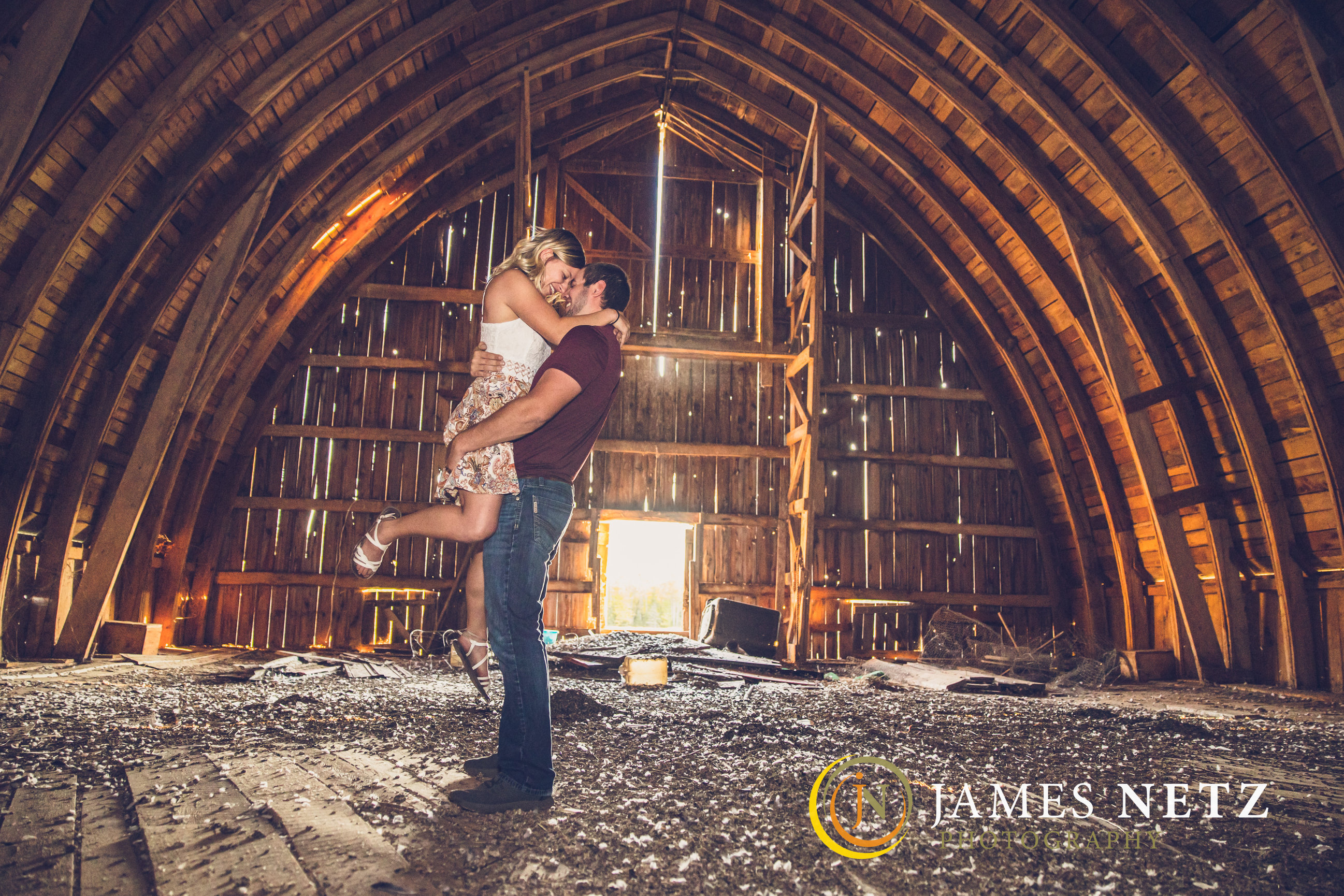
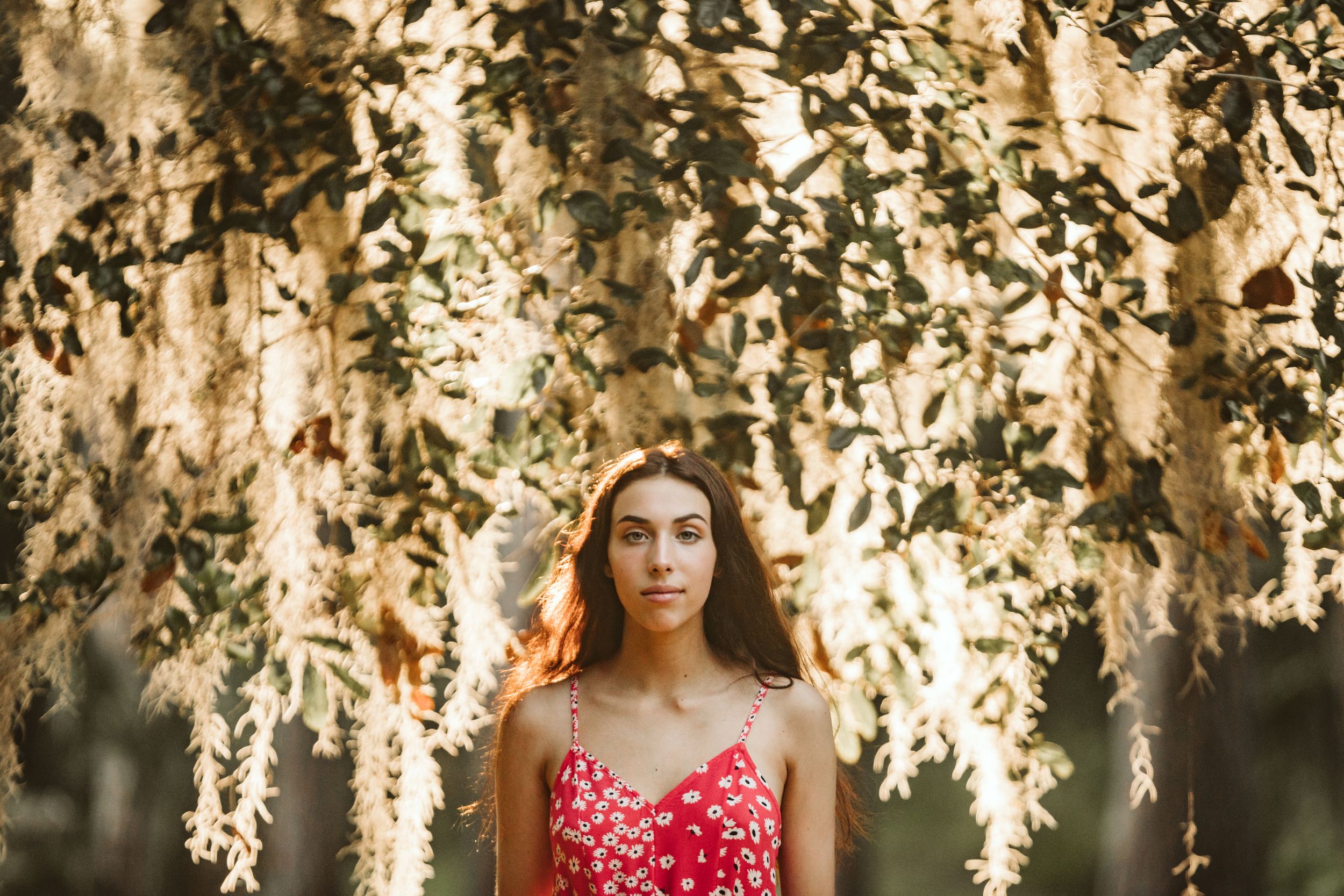
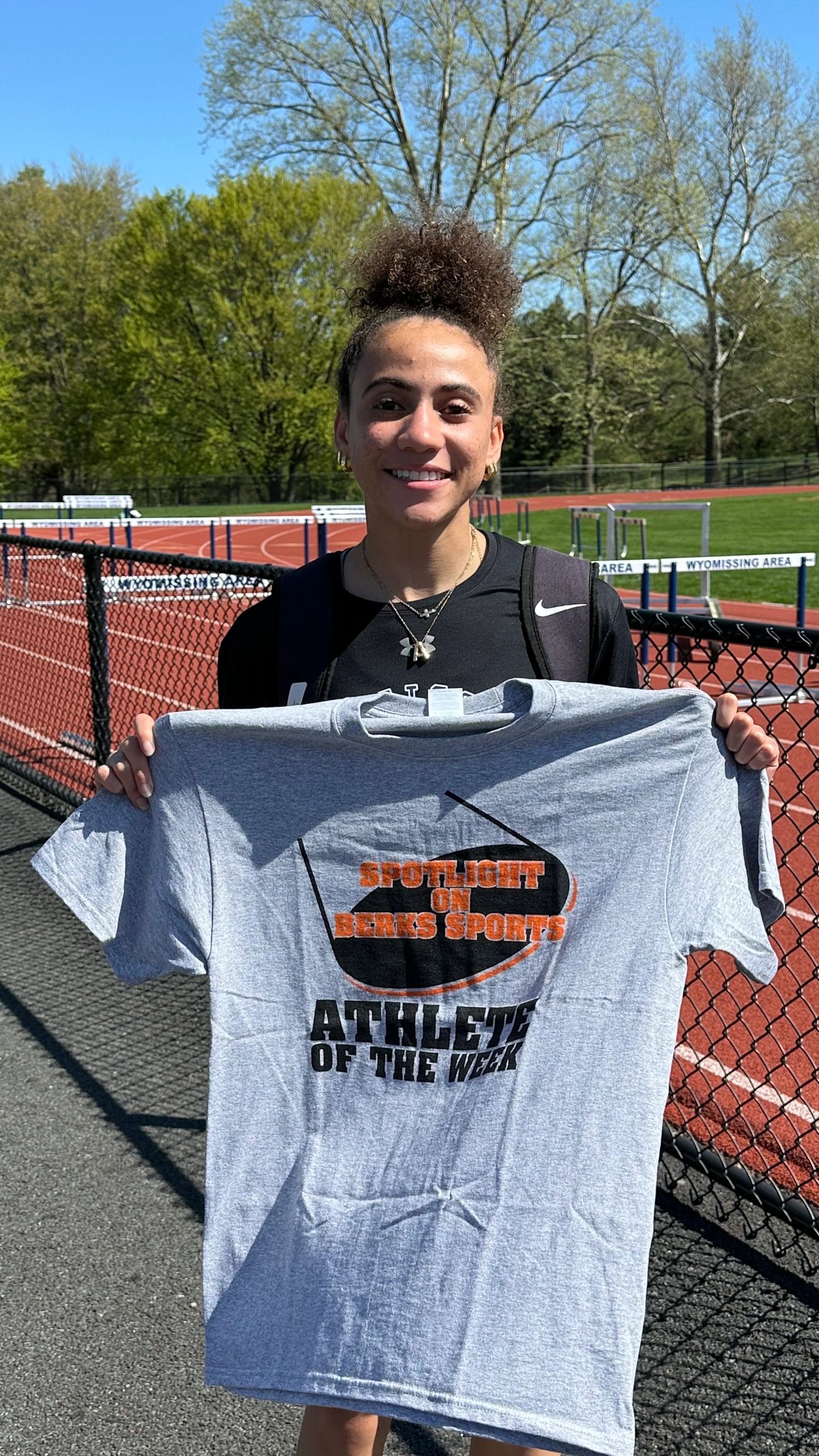
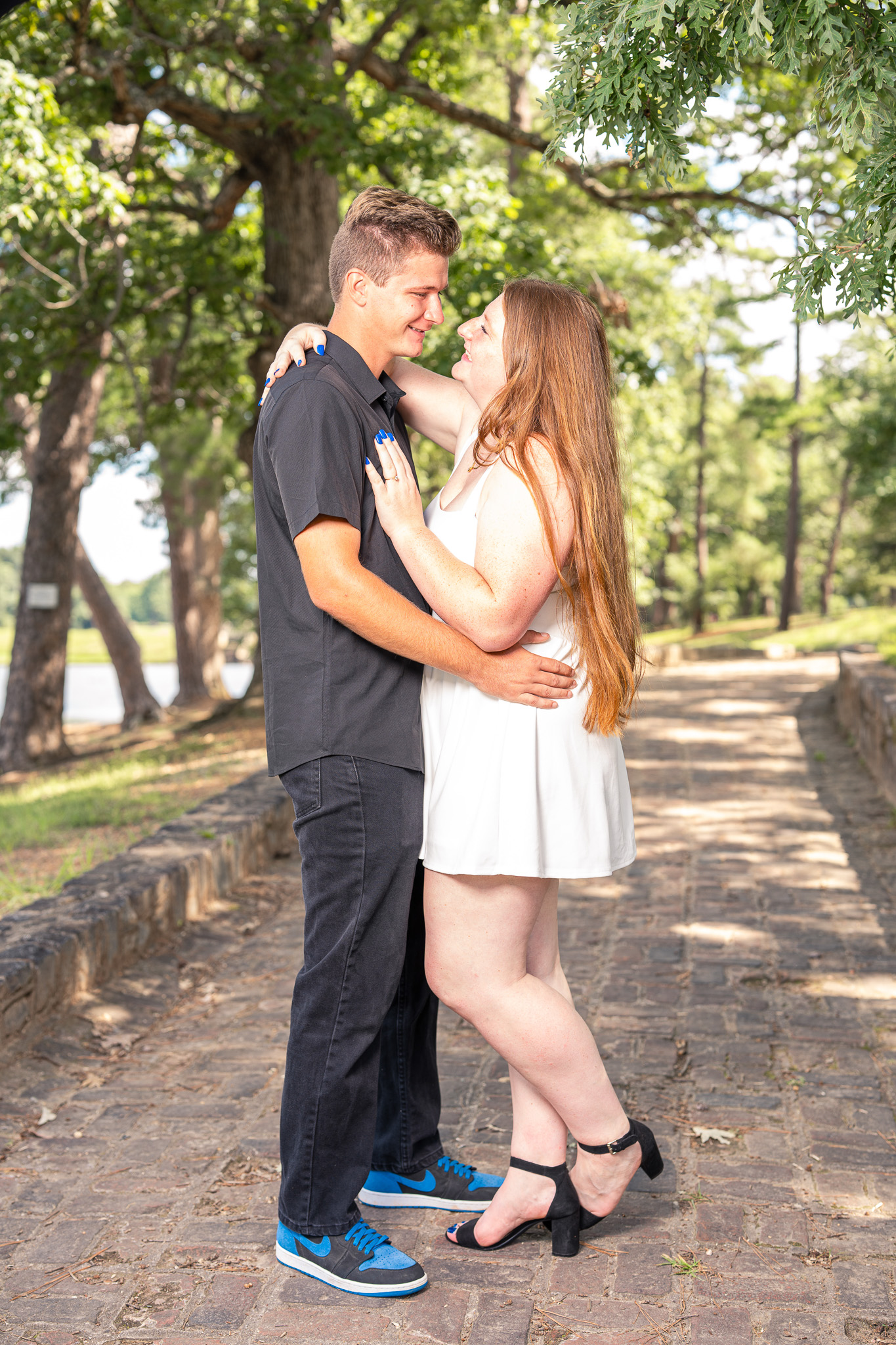
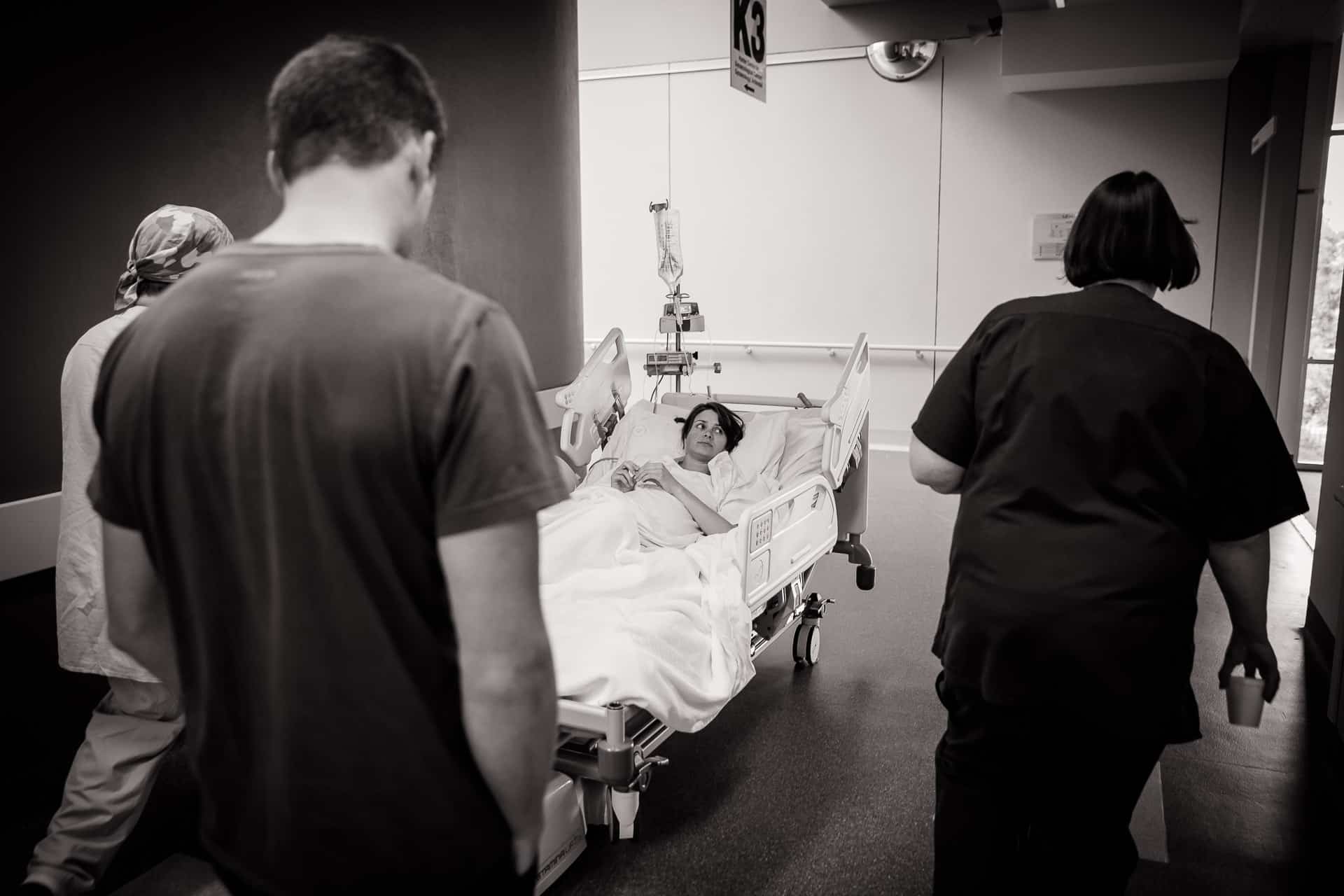
Alexis Hardy photography represents a specialized approach to commercial, portrait, and editorial imaging defined by technical precision and a distinctive artistic vision. Characterized by clean lighting compositions, intentional subject framing, and meticulous post-production workflows, stunning visuals by Alexis Hardy cater to clients seeking high-end imagery for branding, publication, and personal archives. Understanding the core methodologies, technical equipment, and service frameworks behind this portfolio reveals how professional image-makers achieve striking results in contemporary visual media.
Defining the Artistic Vision and Niche
The foundation of professional imagery rests upon a clear stylistic direction that separates standard photography from high-end visual art. Alexis Hardy photography typically bridges the gap between commercial clarity and artistic narrative, ensuring that every frame serves a distinct communicative purpose. Rather than relying on transient trends, the work emphasizes timeless aesthetic principles such as balanced contrast, deliberate color grading, and organic subject interaction.
In commercial contexts, the primary objective is to translate brand values into compelling visual assets. This requires a deep understanding of market positioning, target demographics, and the technical constraints of various output mediums, ranging from large-scale print billboards to high-density mobile displays. By maintaining a signature look characterized by crisp detail and moody yet accessible lighting, stunning visuals by Alexis Hardy provide businesses and individuals with a recognizable visual identity that stands out in crowded media landscapes.
Technical Foundations and Equipment Standards
Achieving exceptional image clarity and tonal range requires a rigorous approach to technical execution. Professional photographers rely on advanced camera systems, precision optics, and controlled lighting environments to capture scenes with maximum fidelity.
The gear ecosystem utilized in high-end photography generally includes full-frame or medium-format digital sensors capable of rendering fine textures and wide dynamic ranges. Prime and high-speed zoom lenses are chosen for their optical sharpness, minimal distortion, and ability to create pleasing depth-of-field separation. Furthermore, lighting tools—ranging from high-output studio strobes to portable continuous LED panels—allow for complete command over illumination, regardless of environmental challenges.
- Camera Bodies: High-resolution sensors offering uncompressed RAW capture and dual-card redundancy for professional reliability.
- Optics: Professional-grade glass with wide maximum apertures (such as f/1.4 or f/2.8) for low-light performance and precise focus control.
- Lighting Infrastructure: Studio strobes, softboxes, and reflectors designed to sculpt light and mimic natural atmospheric conditions.
- Support Systems: Heavy-duty carbon fiber tripods and specialized gimbals ensuring absolute stability during long exposures or dynamic shoots.
The Production Workflow: From Concept to Delivery
A successful photographic project moves through distinct, structured phases to ensure that the final output aligns perfectly with client expectations. Skipping any step in this sequence often leads to compromised image quality or misaligned creative goals.
1. Pre-Production & Concept Design -> Mood boards, location scouting, and shot list finalization. 2. Production & Capture -> On-site execution, lighting management, and real-time histogram monitoring. 3. Post-Production & Editing -> Culling, color grading, retouching, and final file export.
The pre-production phase establishes the scope of work through collaborative consultations, mood boards, and detailed schedules. During production, the focus shifts to technical execution, where the photographer directs the subject or arranges elements to maximize visual impact. Finally, the post-production stage involves digital asset management, non-destructive editing in software such as Adobe Lightroom and Photoshop, and meticulous retouching that preserves natural textures while eliminating distracting elements.
Client Engagement and Service Offerings
Navigating professional photography services requires an understanding of how projects are structured, priced, and delivered. Alexis Hardy photography accommodates a diverse clientele, ranging from corporate enterprises and fashion labels to private individuals seeking bespoke portraiture.
Service packages are typically tailored to the specific demands of the engagement, factoring in variables such as licensing rights, day rates, crew requirements, and post-production turnaround times. Clear contracts and licensing agreements protect both the creator and the client, outlining exact usage parameters across digital, print, and broadcast channels.
| Service Tier | Primary Focus | Typical Deliverables | Usage Rights |
|---|---|---|---|
| Commercial Branding | Corporate identity, product catalogs, advertising | Fully retouched high-resolution digital assets | Full commercial licensing |
| Editorial & Fashion | Magazine features, lookbooks, conceptual storytelling | Stylized image galleries, print-ready files | Editorial and limited commercial |
| Private Portraiture | Professional headshots, family milestones, personal branding | Curated selection of high-end digital portraits | Personal use and portfolio display |
Common Challenges in Professional Photography
Even with advanced preparation, professional photo shoots frequently present operational and technical hurdles that require experienced problem-solving. Environmental unpredictability is a primary concern for outdoor or on-location projects. Sudden shifts in weather, harsh midday sunlight, or inadequate indoor ambient lighting demand rapid adaptation using portable diffusion panels, auxiliary strobes, or rescheduling strategies.
Another common challenge involves managing subject expectations and comfort. Professional portraiture requires establishing immediate rapport to eliminate camera shyness and capture authentic expressions. Experienced practitioners utilize continuous communication, relaxed pacing, and clear direction to guide subjects naturally into flattering postures without creating rigid or forced compositions.
Frequently Asked Questions
What types of photography does Alexis Hardy specialize in?
Alexis Hardy photography primarily focuses on commercial branding, editorial projects, and high-end portraiture. The work emphasizes clean lighting, precise composition, and sophisticated color grading tailored to corporate and artistic clients.
How are final image deliverables provided to clients?
Final images are typically delivered via secure, high-resolution cloud galleries. Clients receive fully edited, retouched digital files optimized for both print production and digital display formats.
What should clients prepare before a professional photo shoot?
Clients should prepare by defining their core objectives, assembling inspirational mood boards, and securing necessary wardrobe or styling elements. A pre-production consultation helps align these details with the photographer's creative vision.
Can commercial image licensing terms be customized?
Yes, licensing terms are customized based on the intended scope of use, geographic distribution, and duration of the campaign. Contracts are structured to provide appropriate legal protections and usage rights for all parties involved.
What is the typical turnaround time for post-production?
Post-production timelines vary depending on the scale and complexity of the project. Standard portrait galleries are usually delivered within two weeks, while extensive commercial campaigns require customized schedules outlined in the initial agreement.
How does lighting choice affect the overall mood of an image?
Lighting dictates the emotional tone, contrast, and texture of a photograph. Soft, diffused lighting creates gentle transitions and flattering portraits, whereas hard, directional lighting builds dramatic shadows and high-impact commercial aesthetics.
Strategic Next Steps for Prospective Clients
Securing high-end visual assets begins with a thorough assessment of your current brand positioning or personal documentation needs. Reviewing existing portfolios helps identify stylistic preferences, while direct consultation allows for precise budgeting, scheduling, and concept alignment. To initiate a project, compile your reference materials and reach out directly to discuss availability, custom scope requirements, and production timelines.