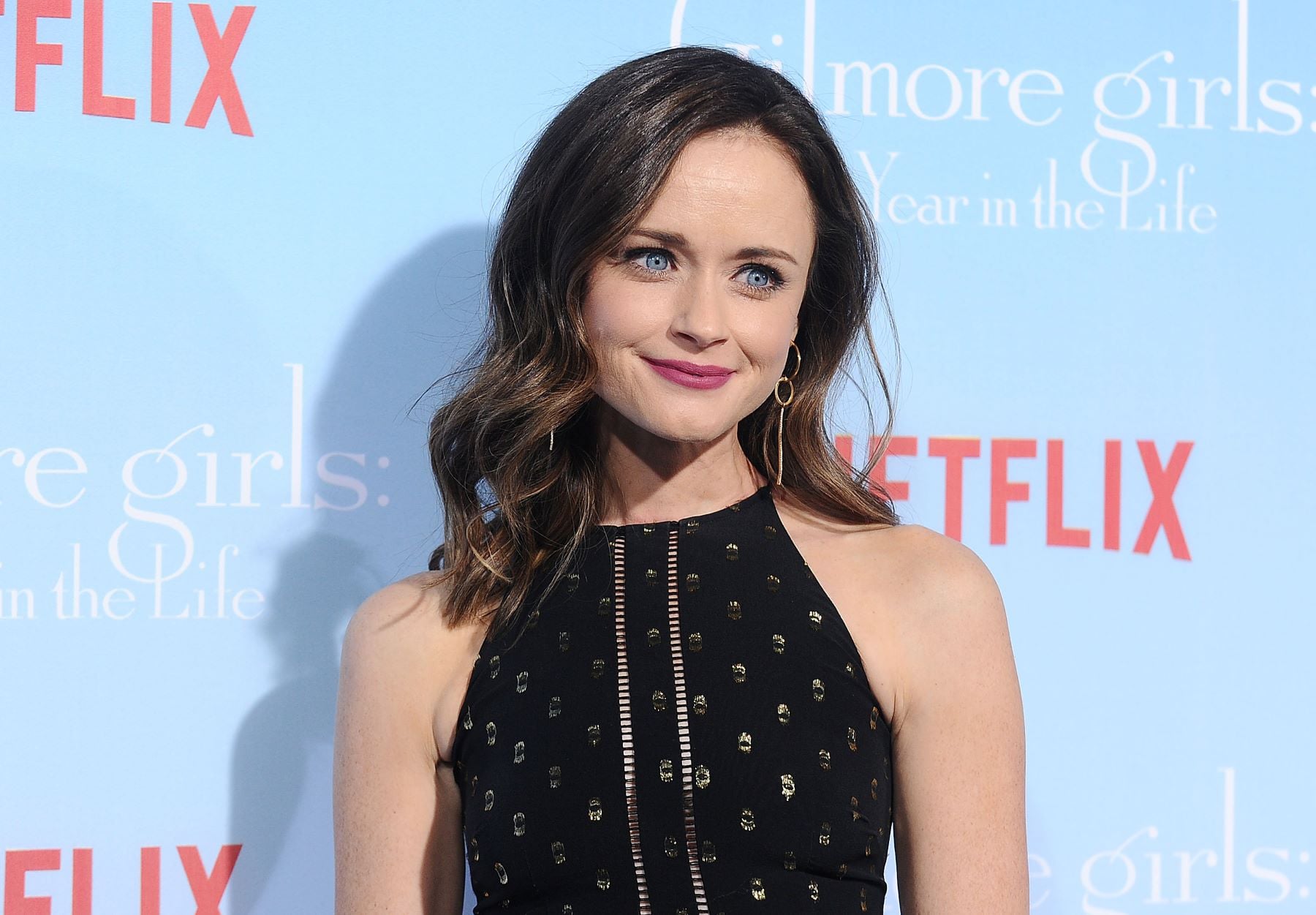
Alexis Bledel holds an estimated net worth of approximately $10 million to $15 million, accumulated primarily through her extensive television and film career, most notably starring in the cultural phenomenon Gilmore Girls and the critically acclaimed dystopian series The Handmaid's Tale.
Understanding the financial standing of a prominent television and film actor requires looking beyond simple tabloid estimates to evaluate the actual mechanics of long-running series residuals, streaming syndication deals, executive salaries, and strategic career choices. Over a career spanning more than two decades, Alexis Bledel has transitioned from a breakout teen television star into an Emmy Award-winning dramatic actress. This evolution has directly shaped her earning capacity, contract negotiations, and overall wealth accumulation.
The Foundation of Fame: Gilmore Girls Earnings and Syndication Residuals
The bedrock of Alexis Bledel’s financial portfolio originates from her breakout role as Rory Gilmore on the WB and CW comedy-drama series Gilmore Girls. Bledel starred alongside Lauren Graham for all seven original seasons, which aired from 2000 to 2007 across 153 episodes.
When Bledel and Graham first stepped onto the set in 2000, neither actor possessed significant industry leverage, resulting in modest starting salaries typical of network freshman series. However, as the series gained a dedicated cult following and cemented its status as a foundational television staple of the 2000s, salary negotiations escalated significantly. By the final seasons of the original run, lead actors on the show commanded substantial per-episode fees, though exact figures for those early years remain private.
The true enduring financial asset from Gilmore Girls is not merely the production-era salary, but the long-tail revenue generated through syndication, physical media sales, and digital streaming rights. Television contracts for hit network shows during this era typically included backend participation clauses. These clauses ensure that principal cast members receive financial compensation—commonly known as residuals—every time an episode airs in syndication on television networks or is licensed to streaming platforms.
When Netflix acquired the global streaming rights to the entire seven-season library of Gilmore Girls in late 2014, and subsequently commissioned the four-part revival miniseries Gilmore Girls: A Year in the Life in 2016, the financial impact for the lead actors was immense. Reports indicated that Bledel and Graham earned approximately $750,000 per episode for the 2016 Netflix revival, totaling $3 million for the four-episode event alone. This single high-paying streaming project significantly accelerated her net worth trajectory.
| Project | Role | Estimated Compensation Structure | Primary Revenue Source |
|---|---|---|---|
| Gilmore Girls (Original Run) | Rory Gilmore | Scaled up per-season network television salary | Network syndication residuals and physical media |
| The Sisterhood of the Traveling Pants | Lena Kaligaris | Standard feature film upfront talent fee | Box office scale and secondary media distribution |
| Gilmore Girls: A Year in the Life | Rory Gilmore | $750,000 per episode ($3 million total) | Premium subscription video-on-demand licensing |
| The Handmaid's Tale | Ofglen / Emily Malek | Tiered episodic fee plus Emmy winner bonuses | Premium cable and streaming platform production budgets |
Critical Acclaim and Prestige Television: The Handmaid's Tale
Following the success of her foundational television work, Bledel deliberately shifted toward darker, more challenging dramatic material, culminating in her casting as Ofglen / Emily Malek in the Hulu dystopian drama series The Handmaid's Tale. This strategic career pivot not only redefined her artistic reputation but also placed her within the highest tiers of prestige streaming compensation.
The Handmaid's Tale, adapted from Margaret Atwood's seminal novel, became a flagship property for Hulu, driving massive subscriber acquisition and critical acclaim. As a core member of the ensemble cast alongside Elisabeth Moss, Bledel appeared across multiple seasons, establishing a consistent, high-tier episodic salary. Premium streaming services like Hulu typically budget significantly higher per-episode costs for prestige dramas compared to traditional network television, allowing established actors to command competitive baseline salaries.
Furthermore, Bledel’s performance on the series brought major industry validation. In 2017, she won the Primetime Emmy Award for Outstanding Guest Actress in a Drama Series, marking a historic milestone as the first person to win an Emmy in a guest category for a streaming series. She subsequently received multiple nominations in supporting categories as her character transitioned to a series regular. These accolades not only elevated her professional stature but also strengthened her negotiating position for subsequent film and television projects, ensuring that her talent fee remained competitive within top-tier Hollywood circles.
Film Ventures and Diversified Acting Portfolio
While television remains the primary engine of Alexis Bledel's net worth, feature films have contributed a steady stream of income and industry visibility. Early in her career, parallel to her work on Gilmore Girls, Bledel starred in the commercial and critical success The Sisterhood of the Traveling Pants (2005) and its sequel The Sisterhood of the Traveling Pants 2 (2008). These teen-oriented ensemble films performed well at the box office against modest budgets, securing her status as a viable cinematic lead.
Beyond commercial studio features, Bledel has participated in a variety of independent films, short subjects, and theatrical productions. Independent cinema typically operates on deferred compensation, profit-participation models, or modest upfront stipends rather than blockbuster salaries. Consequently, these projects served primarily as artistic diversification and brand maintenance rather than direct wealth-building vehicles. Notable independent and supporting film credits include:
- Tuck Everlasting (2002), a Disney fantasy-drama that established her presence in family-oriented feature films.
- Sin City (2005), Robert Rodriguez and Frank Miller's stylized neo-noir crime anthology, which exposed her to a completely different demographic of filmgoers and box office success.
- The Conspirator (2010), a historical legal drama directed by Robert Redford, showcasing her range in period pieces alongside an ensemble cast of veteran actors.
- Jenny's Wedding (2015), an independent drama highlighting contemporary social themes.
Financial Management, Assets, and Real Estate
Evaluating a celebrity's true net worth requires examining asset allocation, including real estate holdings, investment portfolios, and financial management practices. Like many actors who achieve financial success early in their careers, Bledel has maintained a relatively private personal life, avoiding the high-profile financial controversies or ostentatious spending habits that frequently plague young stars.
Real estate holdings form a substantial component of celebrity wealth preservation. Over the years, public property records and entertainment industry reporting have occasionally highlighted residential transactions associated with Bledel and her former spouse, actor Vincent Kartheiser. Real estate investments in prime metropolitan markets like New York City and Los Angeles historically appreciate significantly, providing a stable, tangible hedge against industry employment volatility. While specific, up-to-the-minute property portfolios remain private for security and personal privacy reasons, prudent property acquisition represents a standard wealth-preservation strategy for actors operating at her income level.
Additionally, professional earnings are subject to significant structural deductions, including talent agency commissions (typically 10%), manager fees (often 10% to 15%), legal representation costs, federal and state income taxes (particularly high in California and New York), and business management expenses. Consequently, gross career earnings from projects like Gilmore Girls and The Handmaid's Tale are tempered by these professional overhead costs before entering private investment portfolios or savings vehicles.
Frequently Asked Questions About Alexis Bledel's Career and Earnings
How much did Alexis Bledel make per episode of Gilmore Girls?
During the original seven-season run of Gilmore Girls, exact per-episode figures were kept confidential, though standard television salary progression applies, starting modest and rising significantly by season seven. For the 2016 Netflix revival Gilmore Girls: A Year in the Life, Bledel and co-star Lauren Graham earned $750,000 per episode, totaling $3 million for the four-part miniseries.
What was Alexis Bledel's salary for The Handmaid's Tale?
While exact per-episode salaries for individual cast members of The Handmaid's Tale are proprietary to Hulu and the production studio MGM, principal and recurring cast members on high-profile streaming prestige dramas typically command tens of thousands to hundreds of thousands of dollars per episode, scaled according to their billing tier, award recognition, and character importance.
Does Alexis Bledel still receive royalties from Gilmore Girls?
Yes. Principal actors in television series typically retain contractual provisions for backend syndication and streaming residuals. Every time Gilmore Girls is broadcast on traditional television networks or licensed across global streaming platforms like Netflix, participating cast members receive residual payments governed by union agreements (SAG-AFTRA) and private contract terms.
What is Alexis Bledel's primary source of income?
Acting remains Alexis Bledel's primary source of wealth generation. Her income stems from upfront talent fees for television and film roles, supplemented by long-term syndication residuals, streaming licensing payments, and promotional or press-related compensation tied to major project releases.
Has Alexis Bledel retired from acting?
Alexis Bledel has not officially retired from acting, though she has maintained a selective approach to project selection. Following her departure from The Handmaid's Tale ahead of its final season, she has occasionally evaluated new scripts and creative opportunities while maintaining a deliberate focus on personal privacy and family life.
Navigating Career Transitions and Wealth Preservation
For actors and public figures maintaining a long-term presence in the entertainment industry, financial stability depends as much on prudent career management as on initial salary figures. Alexis Bledel’s career trajectory illustrates the value of balancing commercial television success with critical acclaim in prestige streaming projects. By securing high-paying legacy roles that continue to generate passive residual income, alongside critically validated performances that sustain industry demand, she has insulated her financial standing against the inherent volatility of the entertainment business. Readers evaluating celebrity net worth figures must recognize that public estimates represent broad calculations of lifetime earnings, asset appreciation, and historical contract data rather than liquid bank balances, but in Bledel's case, a decade-plus of foundational hits and award-winning prestige work firmly underpins her estimated $10 million to $15 million valuation.