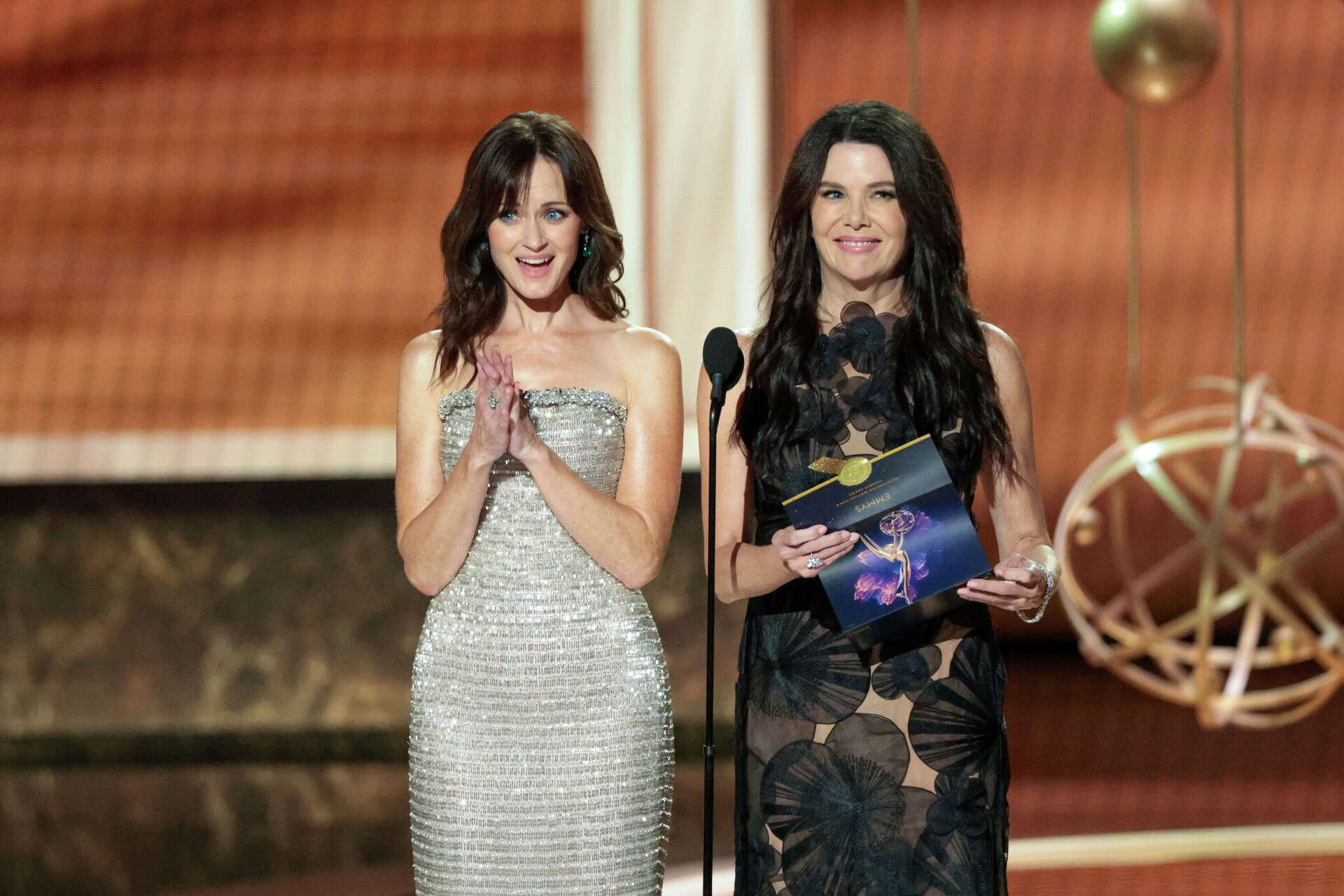
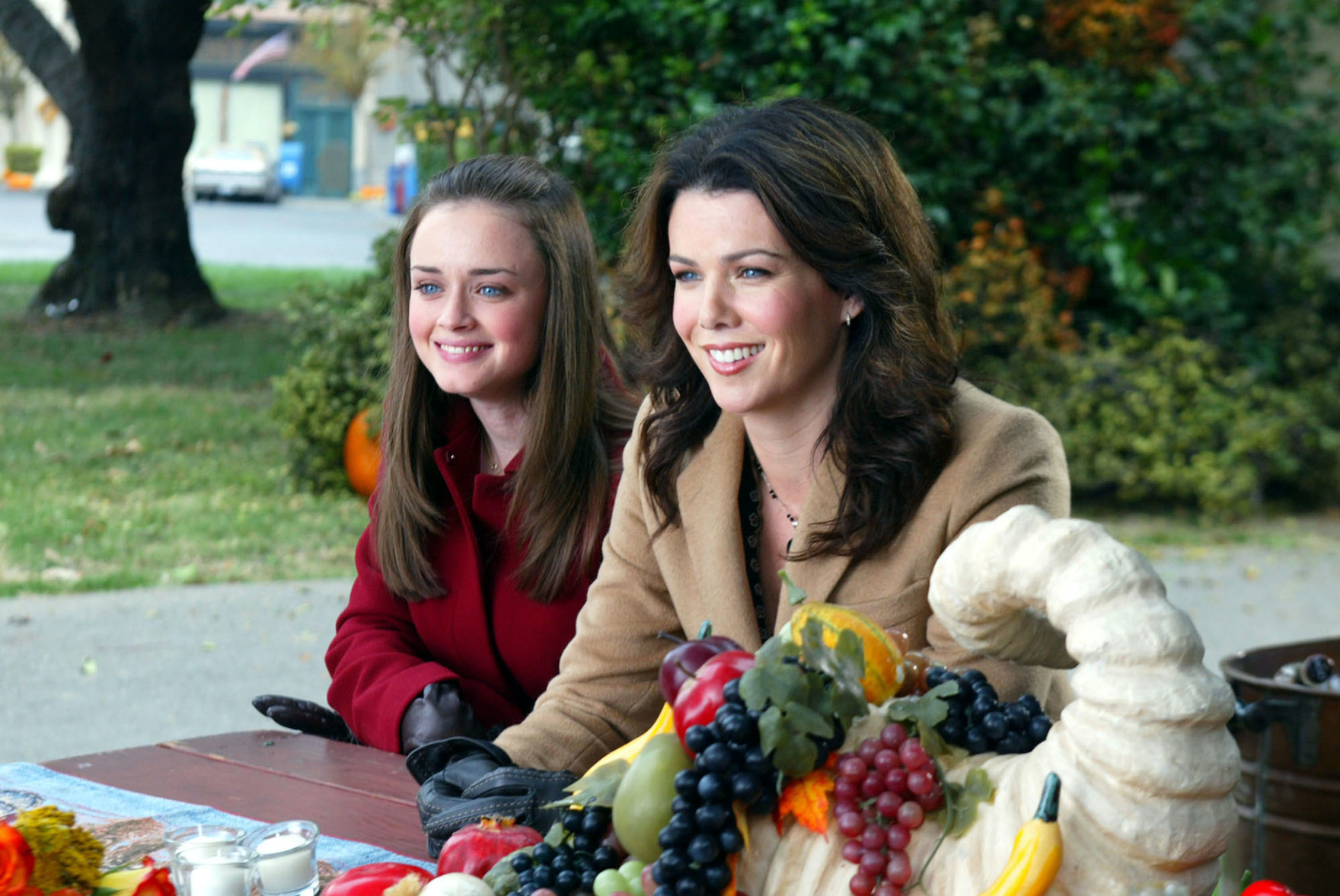
The dynamic between Alexis Bledel and Lauren Graham defined the emotional core of Gilmore Girls, translating an intense on-screen mother-daughter bond into a subject of enduring fascination. Public perception of their relationship has evolved across decades of television history, shifting from early speculation about their behind-the-scenes rapport to a nuanced appreciation of their enduring professional mutual respect.
The Foundations of the On-Screen Bond
The creative architecture of Gilmore Girls, created by Amy Sherman-Palladino and premiered on The WB in 2000, relied entirely on the chemistry between Lorelai Gilmore, played by Lauren Graham, and Rory Gilmore, played by Alexis Bledel. The characters were written as fast-talking, pop-culture-obsessed equals who shared a unique boundary-blurring relationship. Achieving this dynamic required a careful balance of contrasting acting backgrounds. Lauren Graham brought years of television experience, comedic timing, and grounded emotional delivery, whereas Alexis Bledel stepped onto the set with virtually no prior professional acting experience.
This disparity in professional background initially shaped their working relationship on set. Bledel has frequently recounted in retrospective interviews that she learned the craft of television acting in real-time, often looking to Graham for cues on hitting marks, managing long dialogue-heavy scenes, and navigating the exhausting production schedules typical of network television. Graham, in turn, embraced a supportive mentor-like stance, creating a safe collaborative environment that allowed Bledel to grow into the demanding role. Their early television interviews reflect a polite, warm professional courtesy, establishing a baseline of mutual admiration that audiences immediately projected onto their fictional counterparts.
Media Scrutiny and the Private Nature of Their Off-Screen Relationship
Throughout the original seven-season run of Gilmore Girls and the subsequent Netflix revival, Gilmore Girls: A Year in the Life (2016), entertainment media frequently scrutinized the personal connection between Bledel and Graham. Tabloid culture and fan communities often conflated the closeness of Lorelai and Rory with the real-life personal lives of the actors. Unlike many modern co-stars who cultivate public personas centered around shared social media appearances, constant public hangouts, or joint branding, both Bledel and Graham maintained notably private personal lives.
This deliberate separation between public personas and private realities occasionally fueled unfounded media rumors regarding tension or distance between the two actors. Industry observers noted that their infrequent public socializing outside of official press obligations was sometimes misinterpreted as a lack of warmth. However, subsequent interviews with both actors and members of the production crew consistently clarified that their relationship was defined by deep mutual professional respect rather than Hollywood-style codependency. They occupied different stages of life and career paths during and after the show's initial run, which naturally shaped the contours of their adult friendship.
Evolution of Public Perception Across Eras
Public perception of the Bledel-Graham dynamic underwent a distinct transformation across three major periods: the original broadcast era, the syndication and streaming boom, and the post-revival landscape.
| Era | Primary Media Context | Dominant Public Perception | Nature of Interaction |
|---|---|---|---|
| Original Broadcast (2000–2007) | The WB and The CW weekly broadcasts; print entertainment magazines. | Viewers viewed them as an inseparable unit, viewing their fictional bond as a direct reflection of real life. | Collaborative mentorship on set; polite, structured press junket appearances. |
| Streaming Boom (2007–2015) | DVD box sets, syndication on ABC Family, and early digital streaming platforms. | Appreciation shifted toward technical analysis of their rapid-fire comedic timing and distinct acting styles. | Limited public contact; careers diverged into separate theatrical and television projects. |
| Revival & Beyond (2016–Present) | Netflix revival release, convention panels, and retrospective podcast culture. | Nostalgic reverence; public understanding matured to recognize their bond as a professional sisterhood. | Warm reunions during press cycles; explicit verbal affirmations of mutual support. |
This structural shift in media consumption allowed audiences to analyze their performances with greater detachment, separating the actors from the characters while still celebrating the unique lightning-in-a-bottle chemistry that defined the show.
Career Parallels and Professional Divergence
Examining the professional trajectories of Alexis Bledel and Lauren Graham reveals distinct career paths that further contextualize their public dynamic. Following the conclusion of Gilmore Girls, both actors sought out projects that challenged typecasting while maintaining strong footprints in television and film.
Lauren Graham transitioned successfully into both television starring roles, notably as Sarah Braverman in NBC’s Parenthood (2010–2015), and established herself as a critically acclaimed author with memoirs such as Talking as Fast as I Can (2016) and multiple novels. Her public presence remained conversational, witty, and deeply reflective of her writing career.
Alexis Bledel pursued independent feature films, such as The Sisterhood of the Traveling Pants (2005) and The Conspirator (2010), before achieving major critical acclaim and an Emmy Award for her portrayal of Ofglen / Emily Malek in Hulu’s dystopian drama The Handmaid's Tale (2017–2021). Her public persona evolved into one of quiet reservation, favoring prestige dramatic roles over broad commercial exposure.
Despite these divergent professional choices, public commentary frequently links their names together. Whenever retrospective articles or anniversary retrospectives are published, the conversation invariably returns to how their distinct acting styles complemented one another on the Warner Bros. lot.
Addressing Common Misconceptions Regarding Their Connection
Because media narratives surrounding television duos often rely on binary frameworks—either lifelong best friends or bitter rivals—nuanced professional relationships are frequently misunderstood. A primary misconception is that their private reserve indicates personal animosity. Both actors have addressed this in various press panels, explaining that the intensity of production schedules on a show with notoriously fast dialogue meant that their time together was consumed entirely by demanding work rather than off-set socializing.
Another common misconception centers around their communication during the production of the 2016 Netflix miniseries. Media outlets frequently sensationalized minor scheduling conflicts required to accommodate their separate, concurrent television contracts. Industry tracking and behind-the-scenes accounts confirmed that these logistical hurdles were standard industry practices rather than interpersonal disputes. Their ability to step back into the rhythm of mother and daughter after a decade apart demonstrated a high level of professional discipline and enduring mutual trust.
What Fans Can Take Away from Their Legacy
For enthusiasts of television history and character dynamics, the connection between Alexis Bledel and Lauren Graham offers a textbook example of successful casting and professional collaboration. Understanding their public perception requires looking past tabloid speculation and recognizing the foundation of mutual respect that allowed two actors with vastly different levels of experience to anchor a cultural touchstone.
When evaluating their legacy, observers should look toward their respective bodies of work and the enduring popularity of Stars Hollow as evidence of their collective impact. Their relationship remains a study in how professional boundaries, mutual admiration, and distinct artistic paths can combine to create one of television's most memorable partnerships.