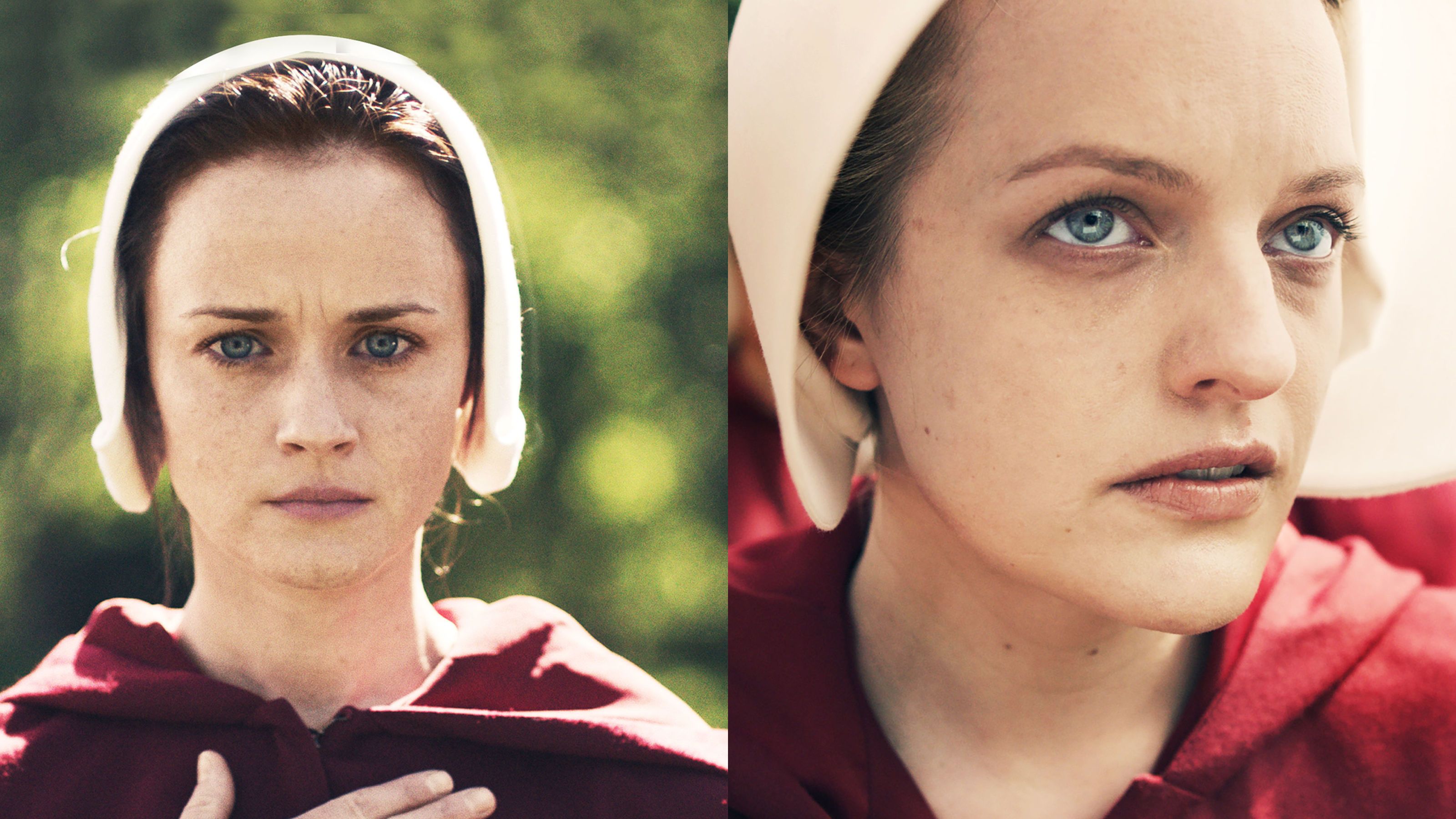
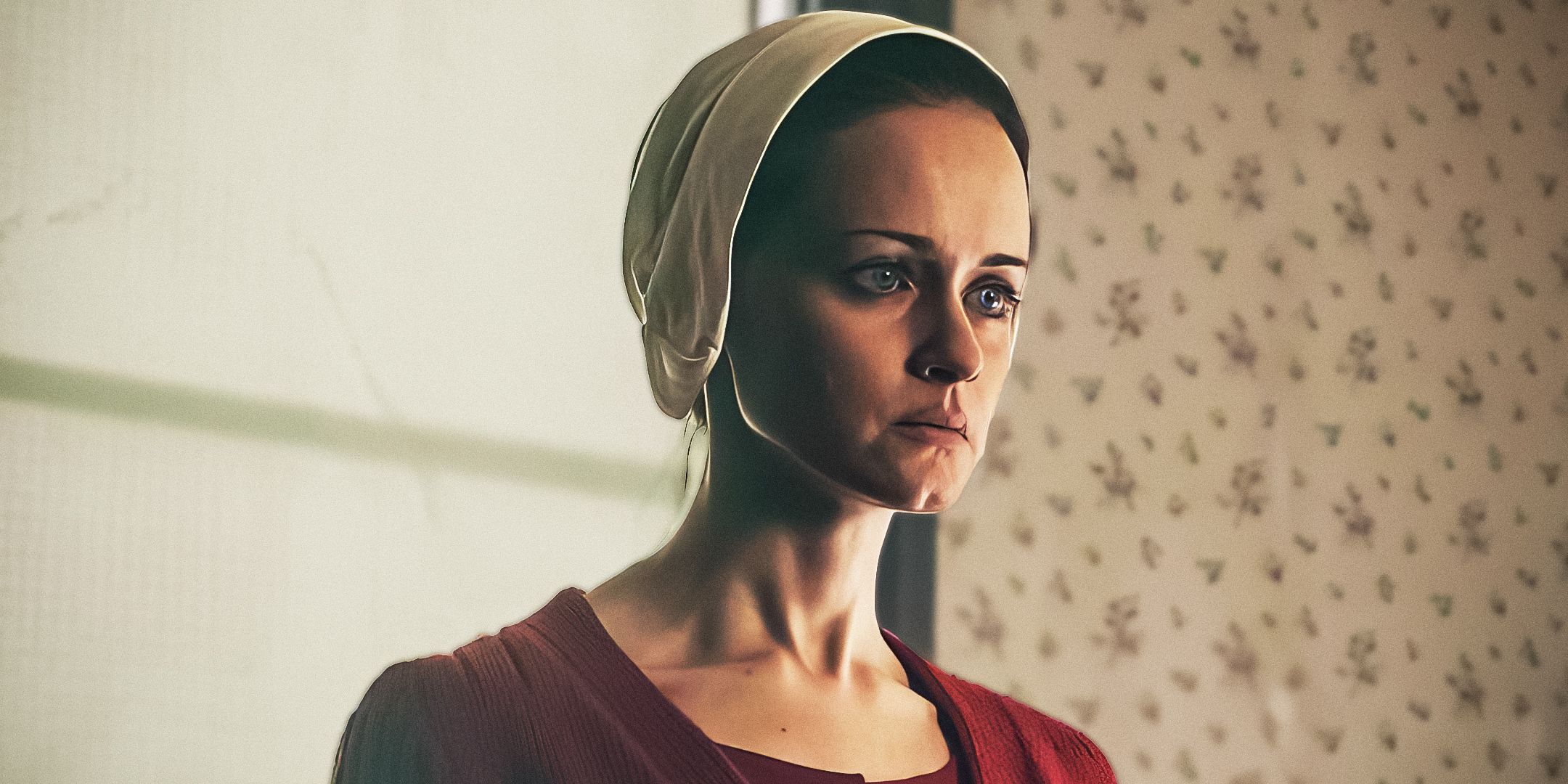
Alexis Bledel’s portrayal of Ofglen / Dr. Emily Malek in Hulu’s critically acclaimed series The Handmaid’s Tale marked a profound departure from the cozy, fast-talking comforting world of Gilmore Girls that made her a household name, showcasing a gritty, emotionally raw, and physically punishing transformation that completely redefined her career trajectory and earned her critical acclaim, including a Primetime Emmy Award.
When a beloved actor known for a defining, comforting television role steps into a dark, dystopian narrative, the resulting shift in public perception and artistic range can alter the trajectory of an entire career. For Alexis Bledel, transitioning from the idyllic, quick-witted environment of Stars Hollow to the totalitarian, patriarchal nightmare of Gilead in The Handmaid’s Tale required shedding every vestige of her previous public persona. This radical departure was not merely a change in costume or genre; it was a comprehensive evolution in dramatic delivery, physical performance, and psychological intensity. By examining how Bledel approached the character of Emily Malek, audiences gain insight into the mechanics of career reinvention, the demands of prestige television, and the power of silent, micro-expressions in high-stakes storytelling.
The Foundations of a Paradigm Shift in Television Casting
Casting decisions in prestige television often rely on counter-intuitive choices to maximize emotional impact. When series creator Bruce Miller and director Reed Morano cast Alexis Bledel as Emily (initially known as Ofglen), they deliberately leveraged her familiar, innocent aesthetic—her wide, expressive blue eyes and soft-spoken demeanor—to weaponize audience expectations. In Gilmore Girls, Bledel played Rory Gilmore, an ambitious, bookish student who navigated elite prep schools and universities with youthful optimism.
Placing that same face into a society where women are stripped of their names, bodily autonomy, and human rights created an immediate, visceral dissonance for viewers. This casting choice established a powerful narrative contrast. The horror of Gilead was heightened precisely because the audience watched an actor they associated with wholesome youth endure unspeakable institutional cruelty. This foundational shift required Bledel to abandon the rapid-fire, dialogue-heavy delivery style of her youth and master a new vocabulary defined by silence, restraint, and profound interiority.
Deconstructing the Character of Emily Malek
Emily Malek is introduced in the first season of The Handmaid's Tale as a fellow Handmaid assigned to walk alongside Offred (Elisabeth Moss). Initially appearing compliant and terrified, Emily quickly reveals herself to be a fierce, calculating, and deeply wounded member of the Mayday resistance. Her character arc spans multiple seasons, taking her from a subjugated Handmaid to a brutalized captive in the brutal environment of the Colonies, and ultimately to a refugee seeking asylum in Canada.
Portraying this trajectory demanded immense physical and emotional endurance. Bledel had to convey the inner life of a woman who had lost her wife and son, endured state-mandated mutilation under the guise of punishment, and survived backbreaking labor in radioactive environments. Unlike dialogue-driven dramas, Emily’s internal state was frequently communicated through subtle shifts in posture, trembling hands, and intense, unbroken gazes. Bledel’s ability to anchor these harrowing experiences with profound dignity transformed Emily from a standard dystopian archetype into a complex, morally ambiguous survivor.
Physicality and Performance Under Extreme Conditions
The transformation of Alexis Bledel extended far beyond internal psychological adjustments; it required a complete reconfiguration of physical presence. In The Handmaid’s Tale, the visual language of the show relies heavily on tight framing, stark primary colors, and restrictive costumes—specifically the heavy red cloaks and stiff white wings that obscure peripheral vision.
Bledel used these physical constraints to enhance her performance. The white wings, designed to isolate Handmaids from the world and prevent them from looking around freely, became a tool for portraying hyper-vigilance. Bledel’s subtle head movements and darting eyes captured the constant state of fear and calculation required to survive in a surveillance state. Furthermore, her portrayal of Emily in the Colonies showcased a willingness to strip away conventional glamour. Stripped of makeup, wearing coarse and filthy garments, and exhibiting the physical toll of radiation poisoning, Bledel delivered a grounded, unvarnished performance that starkly contrasted with the polished aesthetics of her earlier television work.
| Attribute | Gilmore Girls (Rory Gilmore) | The Handmaid's Tale (Emily Malek) |
|---|---|---|
| Genre | Comedy-Drama / Family | Dystopian Psychological Thriller |
| Acting Style | Fast-paced, verbal, reactive | Internal, silent, highly physical |
| Character Arc | Academic ambition to journalism | State subjugation to radical survivor |
| Visual Aesthetic | Bright, collegiate, casual fashion | Oppressive red cloaks, zero makeup |
| Critical Recognition | Fan favorite, cultural staple | Primetime Emmy Award for Guest Actress |
Critical Reception and Industry Validation
The risk Bledel took by stepping into such a dark and demanding role paid off immediately within the industry. In 2017, for her work in the first season of The Handmaid's Tale, Bledel received her first Primetime Emmy Award nomination and won in the category of Outstanding Guest Actress in a Drama Series. This victory was historic, marking her transition from a beloved teen icon to a respected dramatic actor capable of holding her own alongside heavyweights like Elisabeth Moss and Ann Dowd.
Critics universally praised her ability to convey rage, grief, and resilience with minimal dialogue. Reviewers frequently highlighted a pivotal scene in the first season where Emily undergoes a brutal punishment. Bledel’s performance without words—communicating sheer terror followed by an unbreakable, defiant spirit—became one of the most memorable sequences of the series. This validation signaled a permanent shift in how casting directors and producers viewed her range, opening doors to more mature, complex cinematic and television projects.
Cultural Impact and the Evolution of the Prestige Drama Actor
Bledel’s transformation in The Handmaid's Tale reflects a broader industry trend where actors associated with long-running broadcast network shows consciously seek out subversive streaming or cable projects to redefine their artistic identities. By choosing a character who commits acts of violent retribution and navigates queer romance within a terrifying political regime, Bledel actively dismantled the typecasting that often traps actors who spend formative years on comfort television.
This evolution serves as a masterclass in career reinvention. It demonstrates that an actor does not need to abandon their past work to be taken seriously in prestige drama; rather, they can use their audience's familiarity as a narrative lever. The shock value of seeing Rory Gilmore broken, radicalized, and fighting for her life in Gilead supercharged the emotional stakes of the series, proving that strategic casting choices can elevate speculative fiction into profound social commentary.
Frequently Asked Questions About Alexis Bledel and The Handmaid's Tale
What role does Alexis Bledel play in The Handmaid's Tale?
Alexis Bledel plays Emily Malek, who is introduced as Ofglen (and later ofsteven), a fellow Handmaid to Elisabeth Moss’s character Offred. Emily is a former university biology professor, a wife, and a mother who is captured and forced into the Handmaid program due to her sexual orientation, eventually becoming a key operative in the resistance movement.
Why did Alexis Bledel win an Emmy for the show?
Alexis Bledel won the Primetime Emmy Award for Outstanding Guest Actress in a Drama Series in 2017. Her win recognized her visceral, emotionally complex portrayal of trauma, resilience, and quiet defiance during the harrowing events of the show's first season, particularly her performance in the fourth episode, "Nolite Te Bastardes Carborundorum."
Did Alexis Bledel leave The Handmaid's Tale permanently?
Yes, Alexis Bledel departed The Handmaid's Tale ahead of its fifth season, which premiered in 2022. She released a statement indicating that after much thought, she felt she needed to step away from the series, thanking creator Bruce Miller, Hulu, MGM, and her fellow cast members for their support.
How did her role differ from her work in Gilmore Girls?
While Gilmore Girls relied on rapid-fire dialogue, lighthearted dramatic stakes, and a warm, comforting aesthetic, The Handmaid's Tale required Bledel to perform in a silent, highly physical, and emotionally brutal environment. Her character in Gilead was defined by trauma, physical endurance, and revolutionary anger rather than academic ambition and small-town charm.
What were the physical demands of playing Emily in Gilead and the Colonies?
Playing Emily required Bledel to endure grueling physical conditions, including filming outdoors in harsh weather, wearing restrictive costumes that limited movement, and portraying severe physical trauma without the use of standard cosmetic enhancements. The role demanded a stripped-down, unvarnished look that emphasized the brutal reality of life in a totalitarian regime.
Strategic Next Steps for Exploring Dystopian Prestige Television
Audiences looking to further examine the acting techniques and narrative structures found in high-concept dystopian dramas should explore the source material by Margaret Atwood, alongside analyses of how directors translate page to screen. Reviewing interviews with showrunner Bruce Miller and lead actor Elisabeth Moss provides deeper context regarding the collaborative environment that allowed cast members to deliver such raw, transformative performances. For those studying career transitions in media, contrasting Bledel's filmography across different networks highlights the critical importance of deliberate artistic choices in sustaining longevity within the entertainment industry.