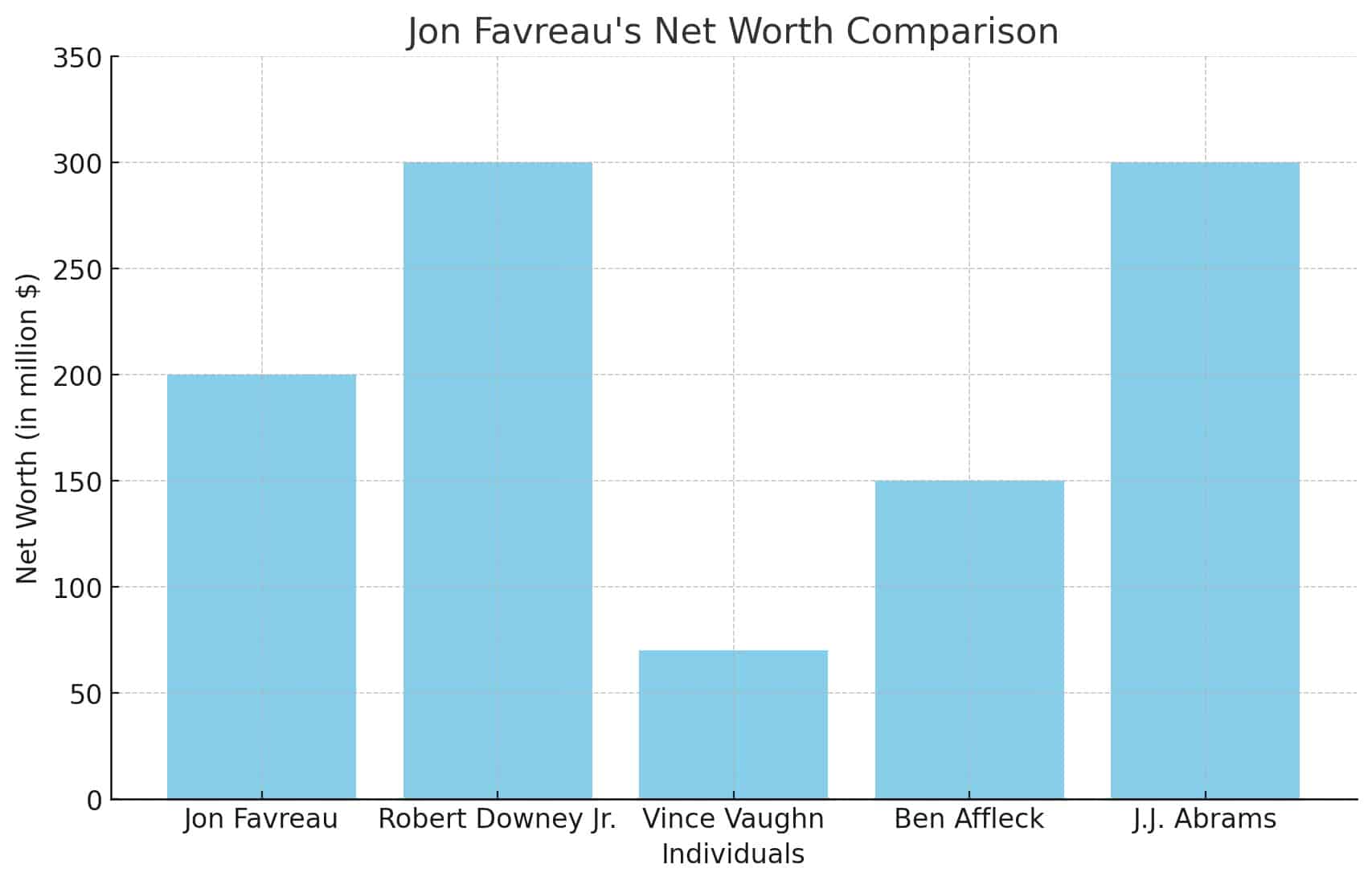
Evaluating public figures, private entrepreneurs, or specialized personalities often invites public curiosity regarding their financial status, asset portfolios, and earning mechanisms. While exact, real-time figures for individuals operating outside of major publicly traded corporate structures remain closely guarded private matters, examining an estimated financial profile requires looking at known revenue streams, historical asset accumulation patterns, and industry-standard valuation frameworks. This comprehensive breakdown explores the methodological approaches used to evaluate earnings, the underlying economic drivers of comparable modern profiles, and the inherent limitations of public net worth estimations.
Understanding the Methodology Behind Financial Valuations
Net worth calculations for modern professionals, creators, and business founders are rarely derived from verified bank statements or transparent tax filings. Instead, financial analysts, investigative journalists, and wealth-tracking publications utilize an analytical framework based on public disclosures, reported transactional histories, and comparative industry benchmarks. To establish a credible picture, analysts separate total wealth into liquid assets, real estate holdings, equity stakes in private or public enterprises, and intellectual property value.
Liquid assets typically encompass cash reserves, short-term marketable securities, and accessible investment accounts. However, determining liquidity is notoriously difficult without direct disclosure. Real estate acquisitions, on the other hand, often leave public paper trails through property deeds, mortgage registrations, and municipal tax assessments, allowing researchers to estimate net equity by subtracting estimated liabilities from market values. The most substantial variance in any financial breakdown usually stems from equity valuations in private companies, where revenue multiples, funding rounds, and market conditions dictate the paper value of founder shares.
Primary Revenue Streams and Earnings Architecture
Evaluating the ongoing earnings of a contemporary professional requires looking beyond a single salary or primary source of income. Modern financial portfolios are typically diversified across multiple streams that reinforce one another. Understanding how these streams function provides a clearer view of long-term wealth accumulation than a static net worth number alone.
- Primary Business Operations: Direct income generated through core business ventures, consulting, executive compensation, or proprietary product sales usually forms the foundation of annual cash flow.
- Investment Portfolios: Capital gains, dividend distributions, and interest earned from stocks, bonds, venture capital investments, and alternative asset classes.
- Intellectual Property and Licensing: Royalties, licensing agreements, and residual payments derived from proprietary content, software, media appearances, or published works.
- Strategic Partnerships and Endorsements: Brand collaborations, sponsored initiatives, and advisory roles that leverage professional reputation for supplementary compensation.
| Revenue Stream Type | Risk Profile | Liquidity Potential | Typical Wealth Contribution |
|---|---|---|---|
| Primary Business Equity | High | Low (Illiquid until exit) | High (Primary driver) |
| Public Market Investments | Medium-High | High | Moderate-High |
| Real Estate Holdings | Low-Medium | Low | Moderate |
| Advisory & Endorsements | Low | High | Low-Moderate |
Evaluating Asset Allocation and Wealth Preservation
Accumulating substantial wealth is only the first phase of a comprehensive financial strategy; long-term security relies heavily on asset allocation and wealth preservation mechanisms. High-net-worth individuals typically structure their holdings to mitigate tax liabilities, protect against market volatility, and ensure generational transfer capabilities. Diversification across asset classes prevents localized economic downturns from catastrophic capital erosion.
Tax optimization strategies often involve utilizing specialized legal entities, trusts, and corporate structures designed to manage income tax brackets and capital gains exposure legally. Furthermore, liquidity management ensures that cash is available for strategic reinvestment when market opportunities arise, without requiring the forced liquidation of appreciating long-term assets like real estate or private equity.
Common Misconceptions Regarding Public Wealth Estimates
The public fascination with net worth figures frequently leads to widespread misconceptions. The most common error is equating total net worth with liquid cash. An individual possessing a high net worth tied up in illiquid startup equity, commercial real estate, or long-term locked investments may have a modest amount of immediately accessible cash.
Another frequent pitfall is relying on unverified internet aggregators that publish arbitrary figures without methodological transparency. These estimates often conflate gross revenue with personal net income, ignoring operating expenses, debt obligations, business partner splits, and significant tax burdens. True financial analysis requires separating promotional valuation inflation from audited or verifiable economic reality.
What Factors Influence Financial Growth Over Time?
Navigating long-term financial growth involves interacting macroeconomic forces, industry trends, and personal execution capabilities. Several core factors dictate whether an individual's financial standing expands or contracts over time:
- Market Cyclicality: Economic downturns and bull markets directly impact equity valuations, real estate pricing, and investment portfolio yields.
- Scalability of Operations: Ventures that rely on digital infrastructure, scalable software, or automated systems tend to grow revenue faster than labor-intensive service models.
- Debt Management: Utilizing leverage strategically can accelerate growth, while unmanaged liabilities can severely depress net worth during liquidity contractions.
- Adaptability to Industry Shifts: Staying ahead of regulatory changes, technological disruptions, and shifting consumer demands protects existing revenue streams from obsolescence.
Frequently Asked Questions
Why do public net worth estimates vary so wildly between sources?
Public net worth estimates vary because they rely on speculation, unverified assumptions about private equity values, and outdated financial data. Without access to private tax returns, debt disclosures, and exact ownership percentages, different publications use varying formulas and multipliers to guess a subject's financial standing.
Is net worth the same as annual earnings?
No, net worth represents the total value of all assets owned minus total liabilities owed, accumulated over a lifetime. Annual earnings refer strictly to the total income generated within a single calendar year before taxes and living expenses are deducted.
How do private equity holdings affect personal net worth?
Private equity holdings can represent the largest portion of a founder's net worth on paper, but they are highly illiquid. Until a company is acquired, goes public, or facilitates a secondary share sale, this wealth cannot be easily accessed to purchase everyday goods or services without securing loans against the equity.
What role does debt play in high-net-worth calculations?
Debt is a crucial balancing factor in any accurate financial breakdown. Total liabilities, including mortgages, business loans, and lines of credit, must be subtracted from total assets to arrive at a true net worth figure. High-net-worth individuals often leverage debt strategically to fund investments while preserving liquid capital.
Can financial breakdowns of private individuals be legally verified?
No, financial breakdowns of private individuals cannot be legally verified unless the subject chooses to make their financial records public or is required to disclose them due to regulatory oversight, such as holding an executive position in a publicly traded company or undergoing legal proceedings.
Strategic Financial Assessment and Next Actions
For those seeking to analyze financial profiles or apply similar wealth-building principles to their own enterprises, focusing on verifiable metrics rather than speculative estimates is essential. Prioritize building diversified income streams, maintaining a healthy balance between liquid reserves and illiquid growth assets, and consulting certified financial planners or tax professionals to navigate complex asset protection strategies. Understanding the mechanics behind earnings and asset allocation offers a grounded, actionable perspective on modern wealth management.