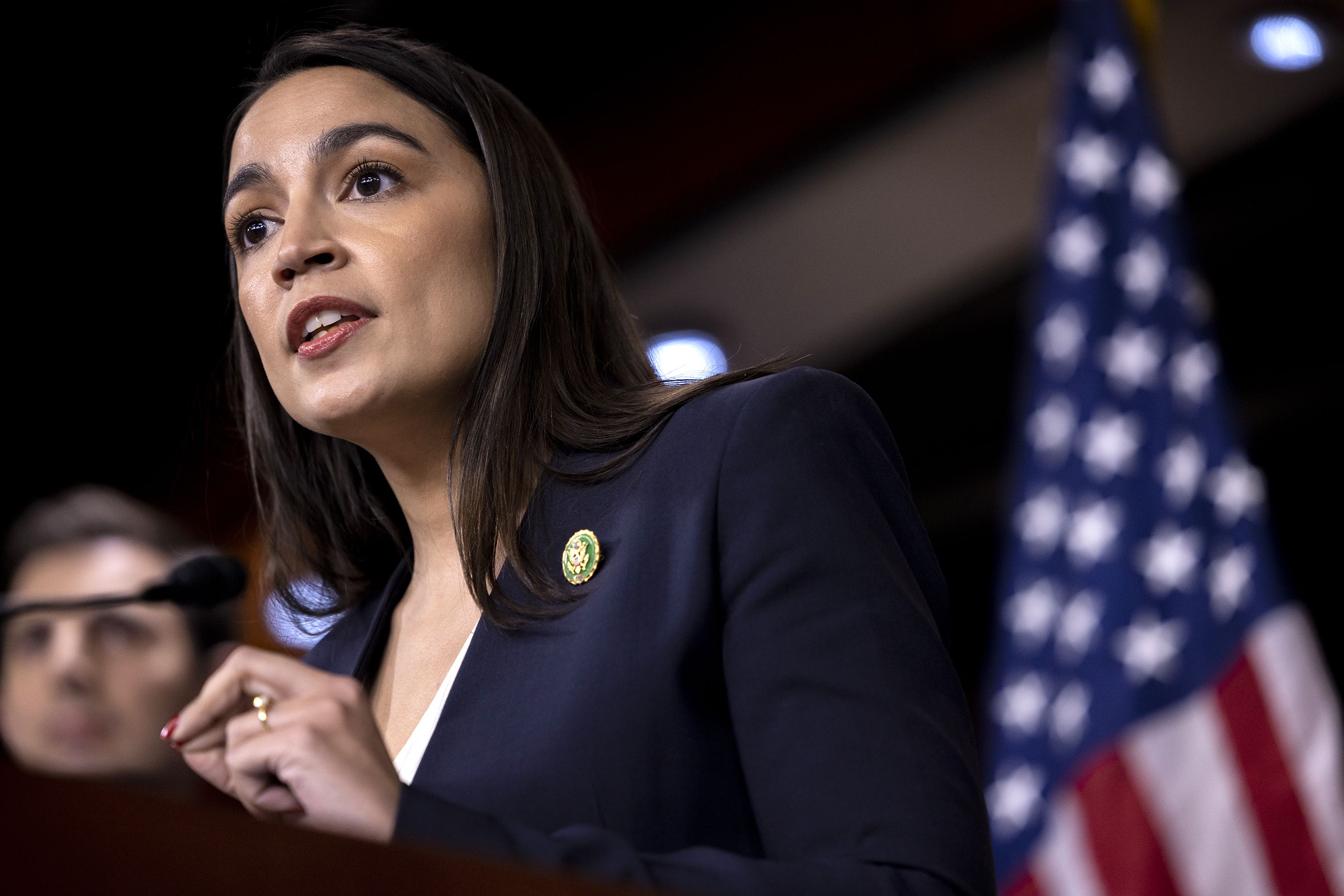
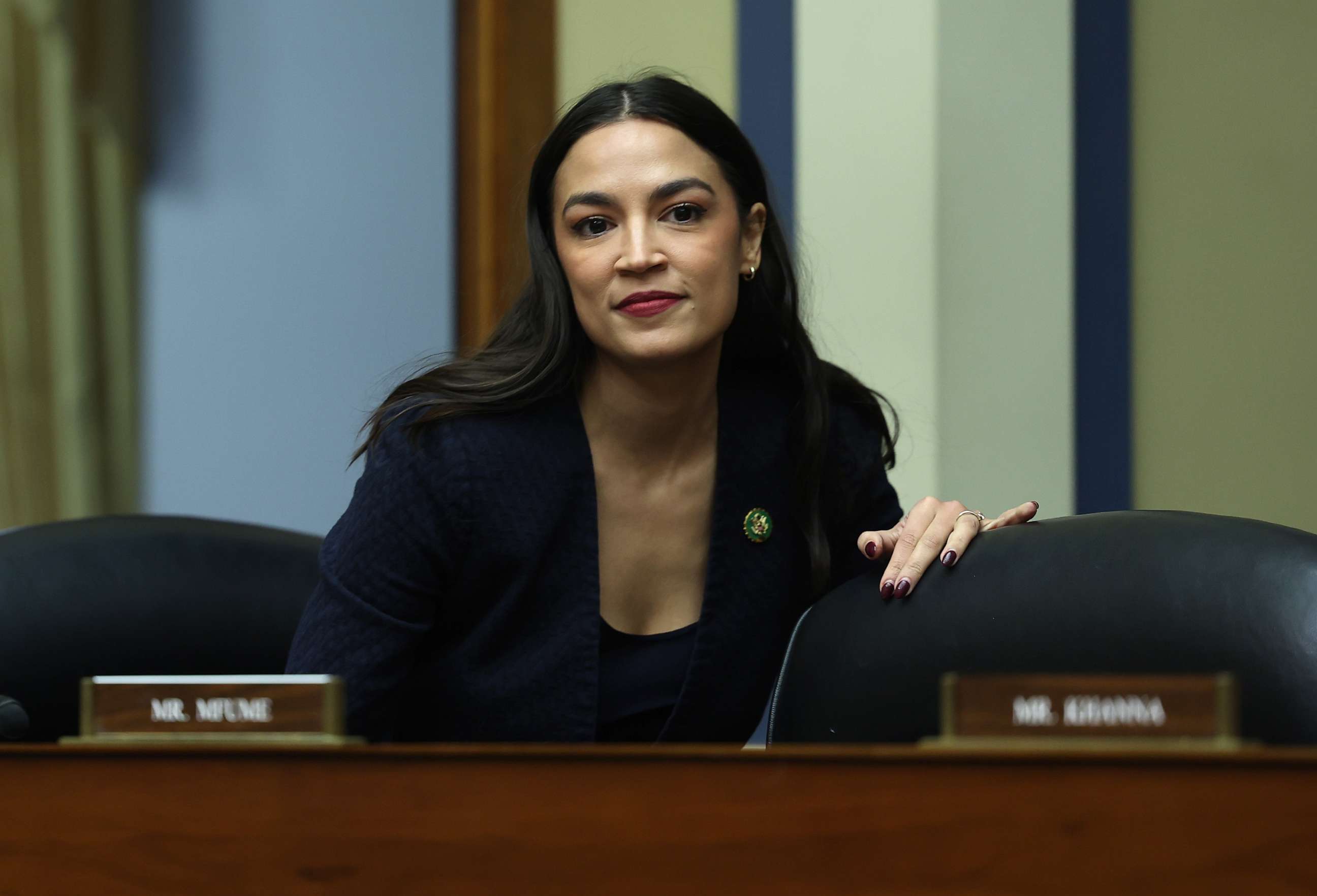
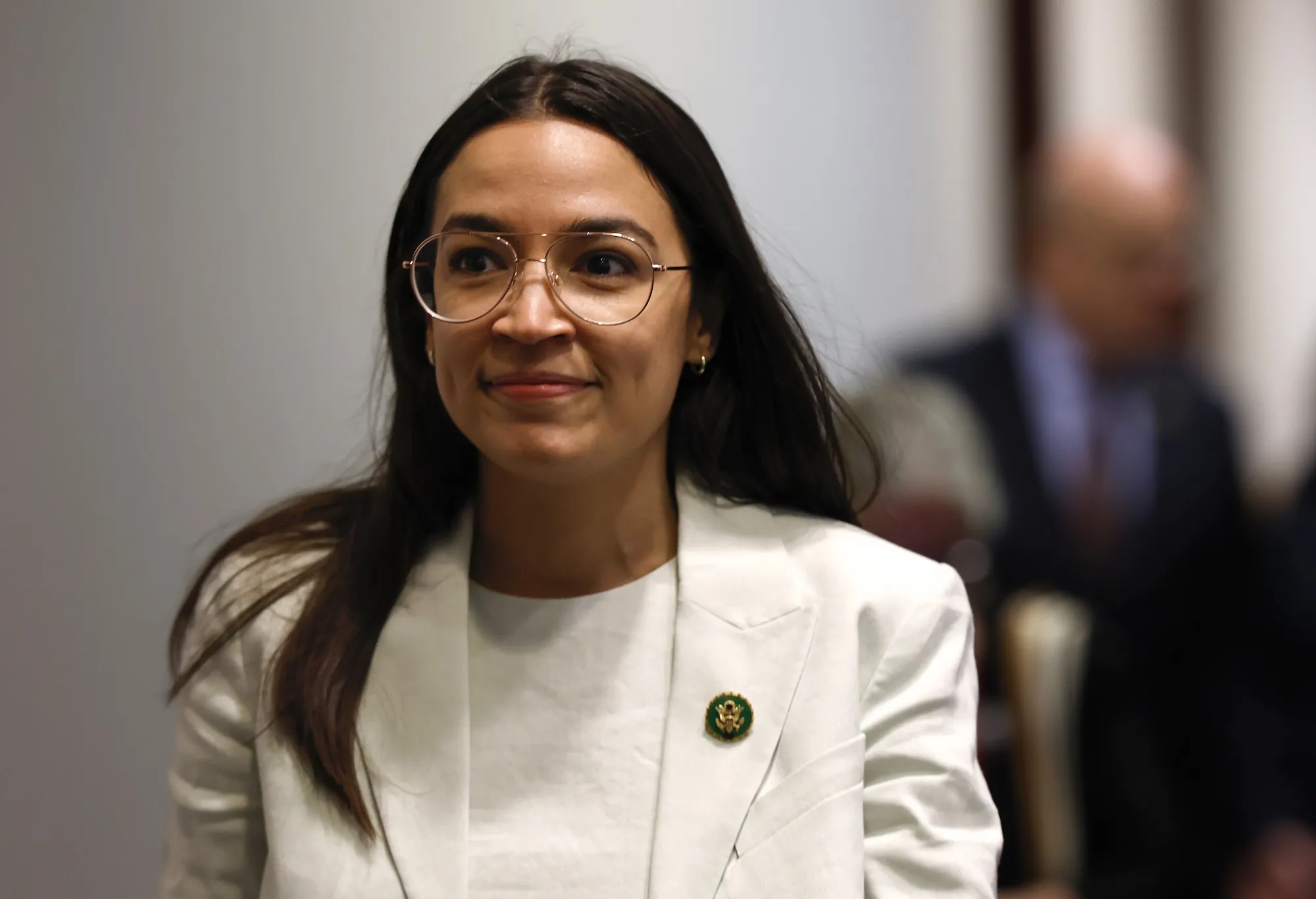
Representative Alexandria Ocasio-Cortez (AOC) remains one of the most influential figures in modern American politics, representing New York’s 14th Congressional District. This overview provides up-to-date insights into her legislative initiatives, committee assignments, economic and environmental policy proposals, media strategy, and her expanding role within the progressive movement and the broader Democratic Party leadership.
Political Trajectory and Congressional Role of Representative Alexandria Ocasio-Cortez
Since her landmark primary victory in 2018 against a ten-term incumbent, Representative Alexandria Ocasio-Cortez has transitioned from a political political disruptor to a pivotal lawmaker within the U.S. House of Representatives. Representing New York’s 14th Congressional District—which encompasses portions of the Bronx and Queens—she advocates for a urban electorate characterized by working-class demographics, racial diversity, and high rates of immigrant households.
Over successive congressional terms, Ocasio-Cortez has focused on institutional policy mechanics while preserving her identity as a progressive organizer. Her elevation within congressional structures includes serving on key panels such as the House Committee on Oversight and Accountability. In her committee appointments, she has utilized focused, detail-oriented line of questioning during high-profile hearings to scrutinize corporate governance, financial regulation, environmental policy, and government ethics.
Her political trajectory highlights a broader shift in how modern lawmakers balance grassroots mobilization with legislative strategy. Rather than limiting her focus to internal Capitol Hill negotiations, Ocasio-Cortez leverages her platform to elevate progressive issues to the forefront of the national debate. Her legislative record demonstrates a consistent effort to connect micro-level constituency issues in Queens and the Bronx—such as public housing upgrades, environmental remediation, and healthcare accessibility—with macro-level federal legislative policy.
Key Policy Platforms and Legislative Initiatives Driving the AOC Agenda
Representative Ocasio-Cortez’s policy portfolio covers environmental justice, economic reform, labor rights, and public infrastructure. Understanding her current legislative profile requires examining the core policy pillars she champions in Congress:
The Green New Deal and Environmental Justice
First introduced alongside Senator Edward Markey, the Green New Deal resolution remains a defining framework for Ocasio-Cortez’s legislative agenda. The policy framework links climate change mitigation directly with job creation, public investment, and racial and economic equity. Recent iterations of this policy push focus on targeted, actionable legislation, including:
- The Green New Deal for Public Housing: Legislation aimed at weatherizing and retrofitting public housing developments, reducing carbon emissions while improving living conditions and creating localized union jobs.
- The Green New Deal for Cities: Federal funding grants designed to assist municipal governments in developing zero-emission public transit, clean drinking water infrastructure, and urban heat-island mitigation programs.
Economic Reform, Labor Protection, and Corporate Oversight
Ocasio-Cortez advocates for sweeping structural changes to the American economy. Her legislative priorities regularly challenge corporate concentration and wealth inequality through specific measures:
- Federal Minimum Wage Expansion: Supporting legislative mandates to increase the federal minimum wage to a living wage indexed to inflation.
- Labor Union Protections: Co-sponsoring the Protecting the Right to Organize (PRO) Act to eliminate state-level anti-union legislation and strengthen worker collective bargaining rights.
- Corporate Financial Accountability: Introducing and backing legislation to cap credit card interest rates, restrict executive pay disparities, and ban members of Congress from trading individual stocks while in office.
Healthcare, Housing, and Social Infrastructure
Recognizing cost-of-living pressures in high-cost urban centers like New York City, Ocasio-Cortez consistently backs policy measures aimed at expanding the social safety net:
- Medicare for All: Reaffirming support for a single-payer healthcare system that eliminates out-of-pocket costs and guarantees comprehensive medical, dental, and mental health coverage.
- Tenant Protections and Affordable Housing: Sponsoring measures to expand federal funding for the Housing Choice Voucher program (Section 8) and implementing federal tenant protections to curb rent gouging by corporate landlords.
Comparative Overview of Key Legislative Focuses and Policy Benchmarks
To evaluate the policy footprint of Representative Ocasio-Cortez, the following table summarizes her primary legislative frameworks, core policy goals, target committees, and current strategic focus within Congress.
| Policy Framework | Key Legislative Focus | Primary Goals & Objectives | Institutional Focus Area | Strategic Implementation Level |
|---|---|---|---|---|
| Green New Deal Resolution | Decarbonization & Economic Equity | Transition to 100% clean energy; create millions of green union jobs; fund infrastructure in frontline communities. | Committee on Natural Resources / Energy & Commerce | Federal Policy & Regional Grant Allocations |
| PRO Act & Worker Rights | Labor Organization Rights | Overhaul federal labor laws; protect organizing rights; impose penalties for corporate unfair labor practices. | Committee on Education and the Workforce | National Labor Relations Board (NLRB) Rules |
| ETHICS Act & Financial Oversight | Stock Trading Bans for Congress | Eliminate conflicts of interest by prohibiting members of Congress and spouses from owning individual equities. | House Oversight Committee / House Administration | Congressional Ethics Rules & Federal Statute |
| Green New Deal for Public Housing | Public Housing Retrofits | Fully fund HUD backlog repairs; install clean energy grids; eliminate toxic materials in HUD facilities. | Committee on Financial Services (Housing Sub-panel) | U.S. Department of Housing & Urban Development |
| Just Society Legislative Package | Social Safety Net & Poverty Line | Update the official Federal Poverty Line calculation; tie federal contracts to strict worker pay standards. | House Oversight Committee / Ways & Means | Federal Administrative Regulations & Census Bureau |
Media Strategy, Digital Engagement, and Grassroots Political Influence
A key aspect of Representative Ocasio-Cortez’s influence is her digital communication strategy. Unlike traditional politicians who rely predominantly on legacy media appearances and formal press releases, AOC maintains a direct line of communication with millions of constituents and followers across digital platforms.
She regularly utilizes live video streams on platforms like Instagram and Twitch to explain complex legislative processes, unpack pending votes, and answer real-time questions from the public. This high level of transparency has reshaped political communications standards, forcing institutions to adapt to interactive direct-to-voter engagement.
Furthermore, her digital reach underpins a powerful grassroots fundraising operation. By relying almost exclusively on small-dollar contributions from individual donors rather than Corporate Political Action Committees (PACs), Ocasio-Cortez retains financial and political independence. This funding model allows her to channel financial support toward progressive primary challengers, down-ballot candidates, and mutual aid funds across the nation during environmental and humanitarian crises.
Committee Work, Oversight Hearings, and Cross-Aisle Dynamics
While recognized for public communications, Ocasio-Cortez's work in congressional committees demonstrates a methodical, research-driven legislative approach. During committee proceedings—particularly within the House Oversight and Accountability Committee—she frequently deploys precise lines of questioning to elicit key admissions from corporate executives, government officials, and policy witnesses.
Her committee work focuses on key areas including:
- Government Ethics and Sunshine Laws: Investigating potential conflicts of interest among public officials, regulatory capture, and compliance with the Ethics in Government Act.
- Financial Industry Regulation: Examining consumer protection standards, predatory lending practices, and the climate-related financial risks of major banking institutions.
- Environmental Accountability: Holding fossil fuel executives accountable regarding historical corporate awareness of climate change and internal environmental research.
Although often viewed as a partisan lightning rod, Ocasio-Cortez has co-sponsored bipartisan measures when legislative objectives align. Notably, she has partnered with conservative colleagues on ethics reforms, including strict legislation to ban members of Congress from trading individual stocks and lobbying restrictions for former lawmakers.
Navigating Intra-Party Dynamics and National Progressive Strategy
As her seniority in Congress grows, Representative Ocasio-Cortez plays an increasingly strategic role within the Democratic Party. Balancing her position as an ideological progressive with the pragmatic requirements of legislative governance requires navigating complex intra-party dynamics.
As an active leader within the Congressional Progressive Caucus (CPC), AOC influences legislative negotiations on major spending packages, budget resolutions, and policy agendas. Her strategic approach has evolved from protesting outside party leaders' offices to negotiating inside committee rooms. She maintains leverage by uniting progressive votes to ensure that major legislative initiatives include robust investments in climate mitigation, labor protections, and social equity.
Nationally, Ocasio-Cortez serves as a key surrogate during election cycles, mobilizing young voters, working-class communities, and progressive voters. Her endorsements carry significant weight in Democratic primaries, capable of tilting outcomes in federal and state contests. Her ability to bridge movement activism and legislative mechanics cements her role as a leader of the Democratic Party's progressive wing.
Recommended Action: Tracking Representative Ocasio-Cortez’s Official Record
For policy analysts, constituents, journalists, and civic advocates seeking to monitor Representative Ocasio-Cortez’s legislative activity without partisan filter, public databases provide authoritative, real-time records:
- Official Voting Record: Access Congress.gov to review sponsored bills, co-sponsored legislation, roll call votes, and official committee assignments for the 119th Congress.
- Committee Hearing Transcripts: Track active proceedings, recorded testimony, and questioning on the House Committee on Oversight and Accountability official portal.
- Constituent Services & Regional Impact: View local community project funding requests, district updates, and federal grant allocations directly on her official congressional site at ocasio-cortez.house.gov.
- Campaign Finance Disclosures: Review financial records, small-dollar donor breakdowns, and expenditure reporting verified through the Federal Election Commission.
Frequently Asked Questions (FAQs)
What congressional district does Alexandria Ocasio-Cortez represent?
Representative Alexandria Ocasio-Cortez represents New York’s 14th Congressional District. The district includes portions of the eastern Bronx and north-central Queens, encompassing neighborhoods such as Astoria, Jackson Heights, Elmhurst, Woodside, Parkchester, and Pelham Bay.
What are Representative Ocasio-Cortez's core legislative priorities?
Her primary legislative priorities include mitigating climate change through the Green New Deal framework, expanding access to universal healthcare via Medicare for All, strengthening labor union protections (such as the PRO Act), increasing federal investments in public housing, and implementing strict ethics rules for members of Congress.
How does AOC fund her political campaigns?
Representative Ocasio-Cortez funds her campaigns almost exclusively through small-dollar donations from individual contributors. She rejects contributions from corporate Political Action Committees (PACs) and federal lobbyists, utilizing a grassroots funding model that supports both her re-election efforts and her political action committee, Courage to Change.
What committee assignments does Alexandria Ocasio-Cortez hold?
Representative Ocasio-Cortez serves on the House Committee on Oversight and Accountability, where she focuses on financial regulation, executive branch transparency, corporate oversight, and government ethics. She has also served on the House Committee on Natural Resources.
How can public researchers track AOC's legislative voting record?
Researchers can track her complete legislative record, including introduced bills, co-sponsorships, committee proceedings, and recorded roll call votes, by visiting the official federal repository at Congress.gov or checking her public page on House.gov.