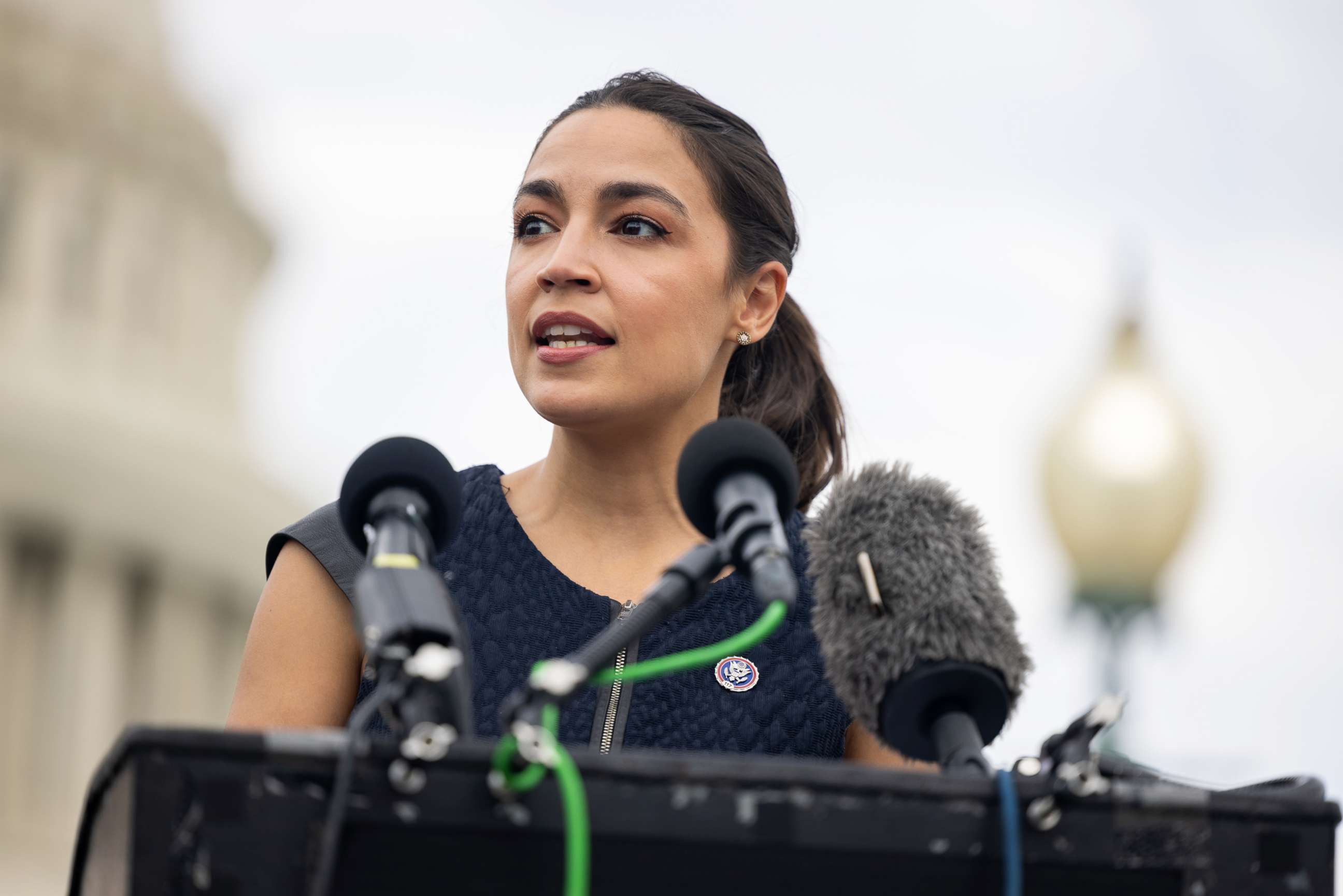
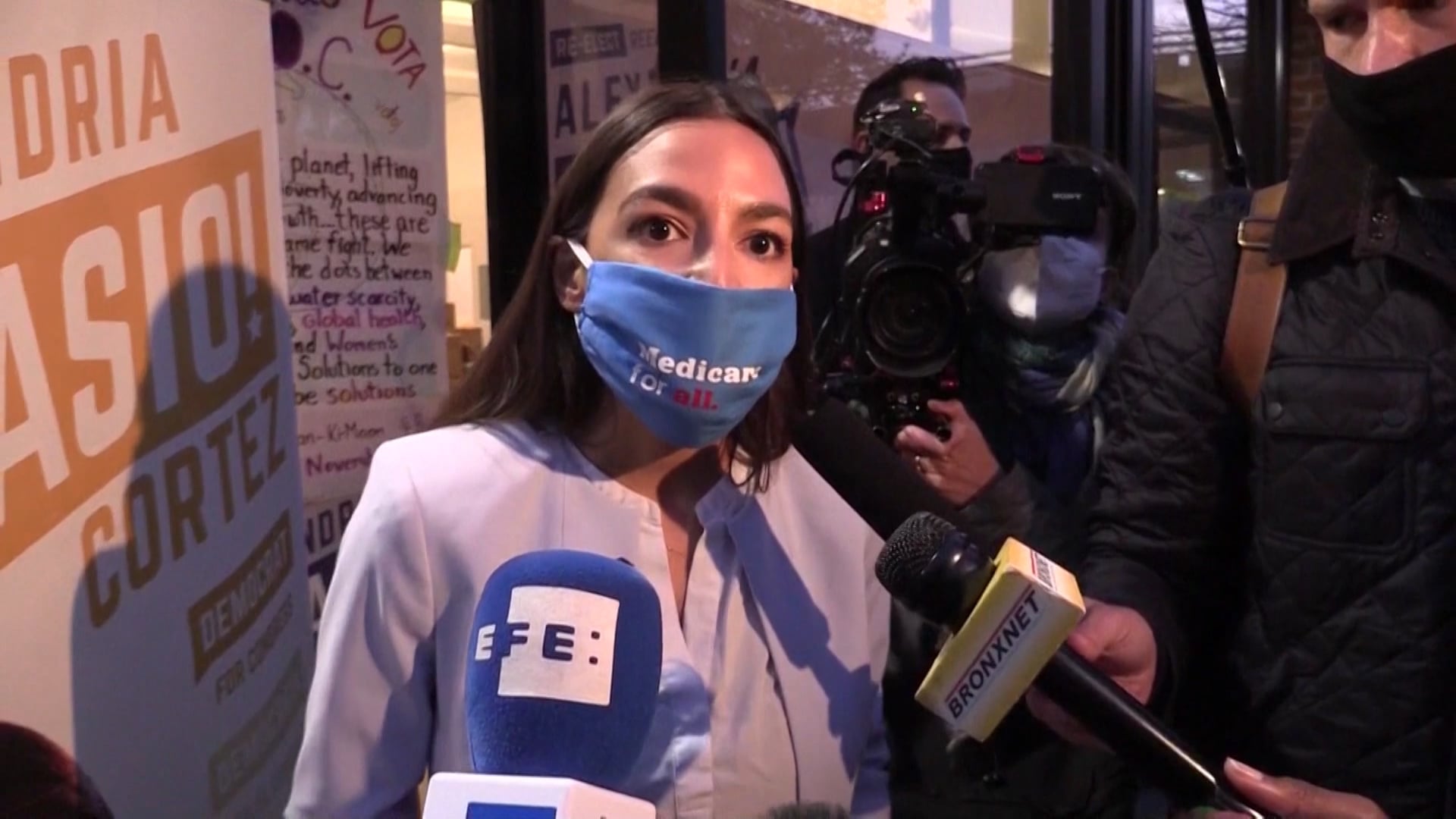
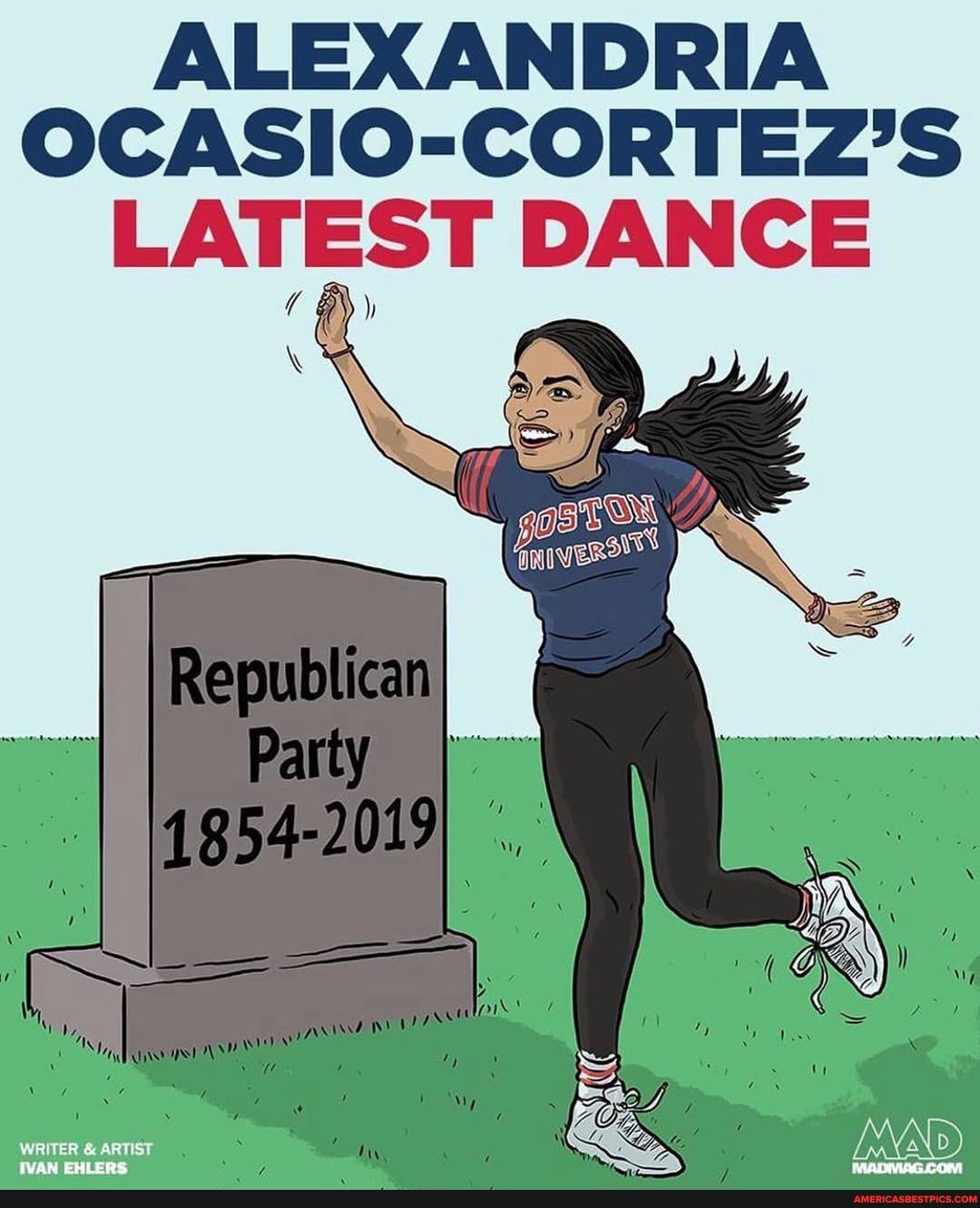
U.S. Representative Alexandria Ocasio-Cortez (frequently searched under name variations such as Alexandria Acosta Cortez) remains one of the most prominent and influential figures in modern American governance. This comprehensive overview examines her ongoing legislative initiatives, congressional committee work, policy priorities, and public statements, offering citizens, policy researchers, and analysts clear insights into her impact on the legislative process.
Entity Clarification: Naming Variations and Public Record
When searching for political coverage, public records, and legislative updates regarding "Alexandria Acosta Cortez," online users are overwhelmingly seeking information about U.S. Representative Alexandria Ocasio-Cortez (often referred to by her initials, AOC). Phonetic misspellings and name blendings—such as substituting "Acosta" for "Ocasio"—are common in digital search queries, yet official federal records, legislative tracking databases, and news archives index her work exclusively under her legal name, Alexandria Ocasio-Cortez.
First elected to the United States House of Representatives in 2018 to represent New York’s 14th Congressional District—which encompasses portions of the Bronx and Queens—Ocasio-Cortez established a national platform centered on progressive economic policy, environmental justice, consumer protection, and political transparency. Understanding her actual legislative record requires navigating official government repositories rather than relying on unverified third-party summaries or misspelled search indexes.
Separating viral commentary from substantive legislative action is essential when assessing any high-profile elected official. Representative Ocasio-Cortez’s congressional career is characterized by structural policy proposals, rigorous committee questioning, and a distinct digital communication strategy that directly engages constituents and the broader public on complex federal policy matters.
Core Policy Initiatives and Legislative Priorities
Representative Ocasio-Cortez’s policy platform spans structural economic reforms, environmental legislation, social safety net enhancements, and judicial oversight. Her legislative proposals often serve as foundational reference points within congressional policy debates.
Environmental Policy and the Green New Deal Framework
The hallmark of Ocasio-Cortez’s policy platform remains the Green New Deal framework, introduced alongside Senator Ed Markey as a non-binding joint resolution. The resolution outlines a ten-year national mobilization plan designed to achieve net-zero greenhouse gas emissions while simultaneously addressing income inequality and economic hardship.
Key legislative pillars within this framework include:
- Infrastructure Decarbonization: Federal investment in smart electric grids, high-speed rail, energy-efficient building retrofits, and renewable power generation.
- Environmental Justice: Directing capital and regulatory remedies to frontline and historically marginalized communities affected by industrial pollution.
- Economic Transition Protections: Wage guarantees, retraining programs, and job security measures for workers transitioning out of fossil fuel industries.
Economic Equity, Taxation, and Worker Protections
On economic matters, Ocasio-Cortez advocates for progressive taxation structures and strengthened labor rights. Her economic agenda focuses on closing the wealth gap through targeted statutory changes.
Specific policy stances include proposing higher marginal tax rates on ultra-high earners, expanding the Child Tax Credit, raising the federal minimum wage, and strengthening collective bargaining rights under the Protecting the Right to Organize (PRO) Act. Furthermore, her office frequently highlights the intersection of federal tax policy and corporate accountability, pressing regulatory bodies to eliminate tax loopholes that favor large multi-national entities.
Housing Affordability and Urban Infrastructure
Representing an urban district with high living costs, housing policy forms a central component of her legislative efforts. Ocasio-Cortez co-introduced the Green New Deal for Public Housing, aimed at deploying federal funds to rehabilitate public housing stocks across the United States. This initiative emphasizes energy efficiency upgrades, mold remediation, structural repairs, and local job creation within public housing communities.
Congressional Committee Work and Oversight Scrutiny
While public speeches generate widespread headline coverage, a legislator's structural impact often unfolds inside congressional committee hearing rooms. Representative Ocasio-Cortez has served on key House committees, utilizing her platform to conduct detailed cross-examinations of private sector executives and executive branch officials.
| Committee | Policy Oversight Focus |
|---|---|
| House Committee on Oversight and Accountability | Government Operations, Corporate Ethics, Federal Regulatory Compliance |
| House Committee on Financial Services | Consumer Banking, Housing Finance, Capital Markets, Financial Technology |
Oversight and Accountability
As a senior member of the House Committee on Oversight and Accountability, Ocasio-Cortez has focused on administrative transparency, executive branch ethics, and corporate compliance. Her questioning style typically emphasizes methodical, fact-based inquiries regarding financial conflicts of interest, environmental compliance reporting, and federal contracting practices.
Notable oversight focus areas include:
- Pharmaceutical Pricing Practices: Examining how corporate patent strategies influence drug costs for Medicare and private insurance policyholders.
- Executive Ethics Enforcement: Inquiring into gift reporting, financial disclosures, and recusals among high-ranking administrative and judicial officials.
- Emergency Relief Spending: Tracking federal expenditures to verify that disaster relief and emergency assistance reach targeted populations without waste or mismanagement.
Financial Services and Consumer Protection
Through her work on the House Committee on Financial Services, Ocasio-Cortez scrutinizes predatory financial practices, residential housing finance systems, and capital market accessibility. She advocates for expanded public banking infrastructure, tighter oversight of non-bank financial intermediaries (fintech), and stricter enforcement of fair lending laws under the Consumer Financial Protection Bureau (CFPB).
Policy Matrix: Key Focus Areas and Legislative Impact
To clarify how Representative Ocasio-Cortez’s policy proposals align with congressional jurisdictions, the following table details her primary focus areas, key legislative mechanisms, and target public outcomes:
| Policy Domain | Key Legislative Proposals & Frameworks | Primary Committee / Jurisdiction | Target Public & Economic Outcomes |
|---|---|---|---|
| Climate & Energy | Green New Deal Resolution; Just Transition Legislation | House Oversight / Energy & Commerce | Decarbonization of grid infrastructure; creation of clean-tech employment opportunities |
| Housing & Infrastructure | Green New Deal for Public Housing Act; Tenant Protection Bills | House Financial Services / Transportation | Physical repair of public housing; weatherization; capped residential rent escalation |
| Financial Regulation | Public Banking Act; Corporate Transparency Measures | House Financial Services | Expanded banking access for underserved areas; heightened scrutiny of private equity acquisitions |
| Labor & Wages | Federal Minimum Wage Increase; Support for the PRO Act | House Education & the Workforce | Increased base compensation for hourly workers; legal protections for union organizing drives |
| Judicial Governance | Supreme Court Ethics and Recusal Acts; Court Transparency | House Oversight / Judiciary | Mandatory financial disclosure requirements; formal ethics enforcement frameworks for federal jurists |
Political Positioning, Communication Strategy, and National Influence
Representative Ocasio-Cortez occupies a distinct position within the U.S. House of Representatives as both an institutional lawmaker and a prominent movement organizer. Her political strategy reflects a deliberate combination of parliamentary maneuvering and direct grassroots engagement.
Modern Congressional Communication
Ocasio-Cortez fundamentally altered how federal lawmakers interact with the public. By using live-streamed policy breakdowns, interactive Q&A sessions, and plain-language explanations of legislative votes, she demystifies parliamentary procedures for millions of citizens. This transparency strategy allows her office to contextualize policy decisions, counter opposition narratives in real time, and mobilize constituent involvement around specific legislative votes.
Coalition Building within the Democratic Caucus
As a key figure within the Congressional Progressive Caucus (CPC), Ocasio-Cortez actively participates in internal negotiations over major legislative packages. Her approach balances principled policy positions with pragmatic voting strategies when key legislative priorities—such as infrastructure investments or budget reconciliations—are on the line.
Her influence extends beyond her immediate district boundaries. Candidates nationwide seek her endorsement, and her policy platforms regularly serve as baseline templates for progressive policy debates across state and federal elections.
How to Verify Official Actions and Track Legislation
Given the high volume of media commentary surrounding Representative Ocasio-Cortez, relying on primary government sources is the most accurate method to track her legislative record, committee votes, and public statements.
Step-by-Step Guide to Tracking Congressional Activity
Search Federal Legislative Repositories Visit the official U.S. Congress database at Congress.gov to review every bill sponsored or co-sponsored by Representative Ocasio-Cortez. Users can filter results by congress, policy area, bill status, and co-sponsor status.
Examine Official Committee Hearing Records Watch live streams and review transcript archives directly through the House Committee on Oversight and Accountability and the House Committee on Financial Services. These platforms publish official witness testimony, member questioning, and committee vote tallies.
Review Roll-Call Vote Tallies Access the official website of the Clerk of the United States House of Representatives to view recorded roll-call votes. This ensures an unbiased account of how Representative Ocasio-Cortez voted on specific amendments, procedural motions, and final statutory passages.
Subscribe to Official Press Releases and the Congressional Record Read verbatim statements, formal speeches, and floor remarks through the official House member site at ocasio-cortez.house.gov or by querying the official Congressional Record.
Frequently Asked Questions
Why is Alexandria Ocasio-Cortez sometimes searched as Alexandria Acosta Cortez?
"Alexandria Acosta Cortez" is a common phonetic misspelling or name confusion occurring in digital search engines. Her correct legal name is Alexandria Ocasio-Cortez. Official federal government databases, voting records, and legislative documents list her exclusively under Alexandria Ocasio-Cortez.
Which congressional district does Representative Ocasio-Cortez represent?
Representative Ocasio-Cortez represents New York’s 14th Congressional District. The district includes portions of the eastern Bronx and north-central Queens in New York City.
What are Representative Ocasio-Cortez’s primary committee assignments in the House?
She serves on key congressional committees, including the House Committee on Oversight and Accountability and the House Committee on Financial Services, where she focuses on administrative compliance, corporate accountability, financial technology, and housing policy.
How can I read the full text of bills sponsored by Representative Ocasio-Cortez?
You can search the official, free federal database at Congress.gov. Enter "Ocasio-Cortez, Alexandria" into the sponsor filter to view, read, and download the full text, legislative status, and amendment history of all her bills.
What is the core legislative objective of the Green New Deal resolution?
The Green New Deal resolution (H.Res.109) is a policy framework designed to transition the U.S. economy to net-zero greenhouse gas emissions through federal public investments, infrastructure modernization, job creation, and targeted environmental protection for vulnerable communities.
Monitoring Congressional Governance: Practical Next Steps
Evaluating the legislative output of high-profile elected officials requires consistent reliance on primary documentation rather than social media commentary or third-party interpretations. Whether evaluating economic proposals, environmental legislation, or committee oversight performance, tracking official legislative records provides an objective view of congressional activities.
To stay informed on active federal legislation, citizens and researchers should bookmark official government tools such as Congress.gov and the House Clerk’s portal. Monitoring public committee hearings, reviewing legislative co-sponsorships, and reading primary text drafts remain the most effective methods to verify political news and track the evolving legislative career of Representative Alexandria Ocasio-Cortez.