Count Alexandre de Lesseps is frequently associated with Alexandre Dumas’s classic novel The Count of Monte Cristo due to shared aristocratic titles, French heritage, and high-society intrigues. However, the true story of the real-life Count centers on his lineage from Suez Canal developer Ferdinand de Lesseps, his career as an international film producer, and his pioneering work in microfinance.
Disambiguating the Myth: Alexandre Dumas vs. Count Alexandre de Lesseps
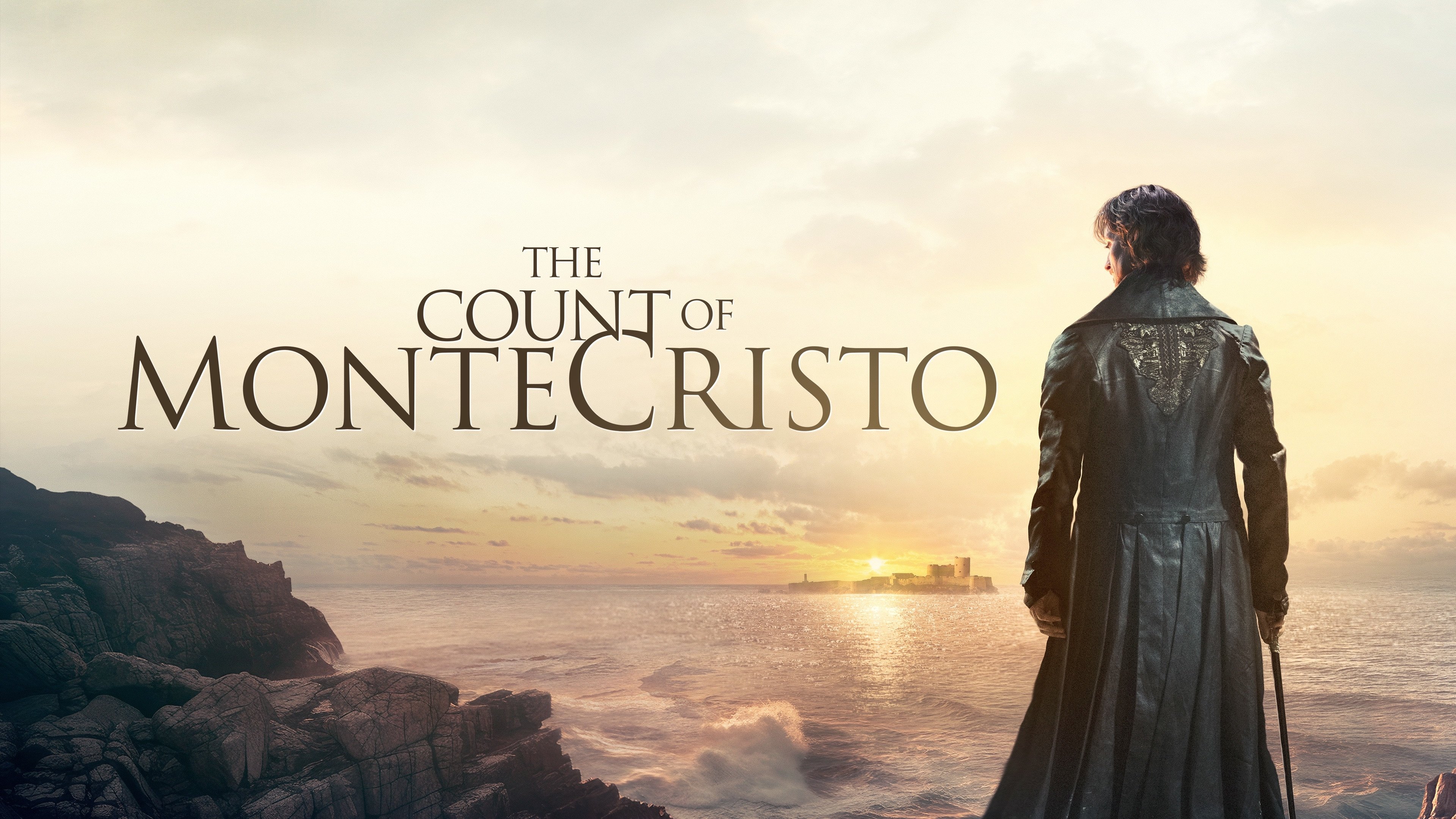
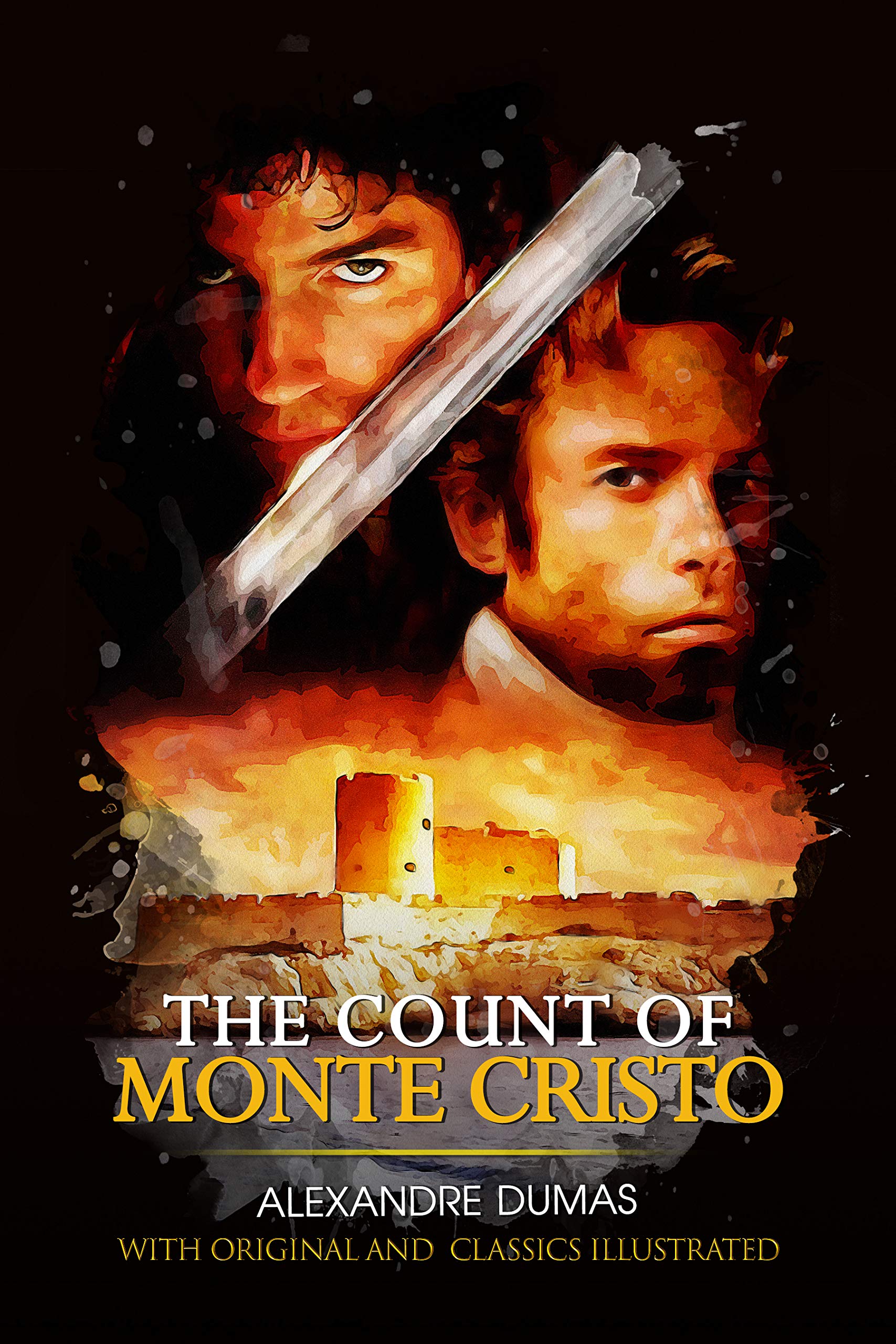
Public intrigue surrounding the phrase "Alexandre de Lesseps Count of Monte Cristo" often stems from a fusion of historical fiction, aristocratic titles, and pop culture naming coincidences. In literary history, The Count of Monte Cristo is an 1844 adventure novel written by Alexandre Dumas. The protagonist, Edmond Dantès, acquires a vast fortune and assumes the noble title of the Count of Monte Cristo to exact revenge on those who wronged him.
By contrast, Count Alexandre de Lesseps (born 1949) is an actual French businessman, film producer, and nobleman. His title is not a fictional construct or an assumed alias, but an authentic hereditary distinction passed down through French nobility. The overlap in the name "Alexandre," the noble designation "Count," and the cinematic allure surrounding French high society has led many readers and television viewers to conflate the literary legend with the modern historical figure.
Understanding the distinction requires untangling fiction from family genealogy. While Edmond Dantès represents romanticized 19th-century vengeance and private wealth, Alexandre de Lesseps represents a 20th- and 21st-century narrative defined by media entrepreneurship, global impact investing, and a family lineage deeply woven into modern world history.
The Historical Lineage: From the Suez Canal to Modern Aristocracy
To understand Alexandre de Lesseps, one must examine the legacy of his family line. He is a direct descendant of Viscount Ferdinand de Lesseps (1805–1894), the celebrated French diplomat who spearheaded the construction of the Suez Canal, connecting the Mediterranean Sea to the Red Sea and fundamentally altering global maritime trade.
Lesseps Family Historical Timeline: 1815: Mathieu de Lesseps ennobled / title recognized in Spain & France 1859–1869: Ferdinand de Lesseps directs Suez Canal construction 1949: Birth of Alexandre de Lesseps in Paris 1993: Marriage to Luann Nadeau (later Countess Luann) 2001: Co-founding of BlueOrchard Finance (microfinance)
The Lesseps family title of nobility dates back to the early 19th century. Mathieu de Lesseps, Ferdinand's father, served as a senior diplomat under Napoleon Bonaparte and King Louis XVIII, receiving titles of nobility in recognition of his service to the French state and diplomatic missions across the Mediterranean. This heritage imbued subsequent generations of the family with international mobility, political connections, and access to capital markets.
Ferdinand de Lesseps’s later attempt to construct a sea-level canal in Panama ended in corporate failure and financial scandal during the 1890s, showcasing the dramatic swings of fortune that characterized the family’s history. This real-world saga of monumental ambition, financial ruin, and public redemption closely mirrors the dramatic themes found in classic French literature, contributing to the romantic aura that still surrounds the Lesseps family name.
Film Production, Television, and Media Endeavors
Long before his name appeared in American reality television discussions, Alexandre de Lesseps established a successful career in international film and television production. Operating across Europe, Latin America, and North America, he focused on content distribution, co-productions, and documentary filmmaking.
In the 1980s and 1990s, de Lesseps served as a key executive and co-founder of media companies including Coral Pictures. He recognized early on the commercial potential of distributing Latin American television programs, particularly telenovelas, into emerging European and international markets. His work facilitated cross-cultural media exchange long before digital streaming platforms digitized international content distribution.
In addition to commercial television, de Lesseps invested in documentary projects that highlighted environmental conservation, historical narratives, and cultural heritage. His work behind the camera reflected a desire to leverage media as an educational tool, maintaining a private profile away from the camera lenses that would later capture his personal life.
Microfinance Pioneer: The BlueOrchard Initiative
Beyond media and film, Alexandre de Lesseps played a key role in early 21st-century social impact investing. In 2001, working alongside microfinance specialist Jean-Philippe de Schrevel, de Lesseps co-founded BlueOrchard Finance, an asset management firm based in Geneva, Switzerland.
BlueOrchard was established under the initiative of the United Nations to foster private sector investment in microfinance institutions across developing economies. The core objective was to bridge the financial gap for low-income entrepreneurs who lacked access to traditional banking services.
- Capital Deployment: Raising debt capital from institutional and private investors to fund microloans for small business owners in Africa, Asia, and Latin America.
- Risk Mitigation: Creating structured finance vehicles that protected investor capital while providing sustainable interest rates to local microfinance institutions.
- Social Impact Management: Measuring environmental, social, and governance (ESG) performance metrics alongside financial returns.
Under de Lesseps's initial leadership and co-direction, BlueOrchard grew into one of the world's leading microfinance investment managers. By demonstrating that financial returns could co-exist with social poverty alleviation, de Lesseps helped pioneer the modern impact-investing sector long before major Wall Street institutions formalized their own ESG practices.
Reality Television, Public Perception, and Reality
In the late 2000s, Alexandre de Lesseps’s public identity underwent an unexpected shift due to American pop culture. In 1993, he married Luann Nadeau, an American nurse and model. During their marriage, she took the title Countess Luann de Lesseps. Following her casting in 2008 on Bravo’s hit reality show The Real Housewives of New York City (RHONY), the family’s aristocratic name became a household brand in American households.
The reality show portrayed an image of aristocratic elegance and high-society protocol. However, Alexandre de Lesseps himself rarely appeared on screen, preferring to maintain his privacy and focus on international business commitments. The couple divorced in 2009, but the media coverage surrounding the divorce and Luann’s continued public use of the title keeping the name "de Lesseps" fixed in pop culture headlines.
For many viewers, this reality television portrayal obscured Alexandre’s actual professional achievements. While television audiences viewed him as an elusive figure defined primarily by his title and wealth, his actual career was grounded in global media distribution, structured impact finance, and corporate venture capital.
Fictional Archetype vs. Historical Reality
To provide a clear comparative view of how the fictional "Count of Monte Cristo" framework contrasts with the verified biography of Count Alexandre de Lesseps, the following table highlights the core distinctions:
| Feature / Dimension | The Count of Monte Cristo (Edmond Dantès) | Count Alexandre de Lesseps (Real-Life Figure) |
|---|---|---|
| Origin of Title | Fictional self-assumed title derived from the island of Montecristo | Hereditary French nobility granted through diplomatic service |
| Primary Domain | Literary fiction (1844 novel by Alexandre Dumas) | Historical business, film production, and financial markets |
| Source of Fortune | Fictional buried treasure discovered on a deserted island | Media syndication, corporate investment, and financial services |
| Key Achievements | Executing revenge plots against 19th-century French elites | Co-founding BlueOrchard Finance and international film distribution |
| Historical Ancestry | Purely fictional character creation | Great-grandson of Suez Canal builder Ferdinand de Lesseps |
| Media Association | Classic French literature and cinematic adaptations | Documentaries, television syndication, and broadcast news |
Essential Guidance for Historical and Archival Research
Researchers and media historians seeking to verify facts regarding the Lesseps family line or media history should consult official archives rather than secondary entertainment commentary.
- Verify French Nobility Records: Consult official French genealogical registries such as the Association d'entraide de la noblesse française (ANF) to trace legitimate diplomatic patents and family titles dating back to the First French Empire and Restorations.
- Review Microfinance Archives: For accurate details regarding the establishment of impact finance, review the early publications of the United Nations International Year of Microcredit and official corporate filings from BlueOrchard Finance.
- Examine Media Syndication History: Search historical trade journals such as Variety and Broadcasting & Cable from the late 1980s and 1990s to document the distribution contracts negotiated by Coral Pictures and associated European production entities.
Is Count Alexandre de Lesseps related to author Alexandre Dumas?
No. Count Alexandre de Lesseps is not related to author Alexandre Dumas. The connection between them in online searches is due to shared names ("Alexandre"), the noble title "Count," and public interest in French aristocratic history.
How did Alexandre de Lesseps inherit his title of Count?
The title of Count in the Lesseps family is a legitimate hereditary title granted through French noble lineage. It traces back to diplomatic honors conferred upon Mathieu de Lesseps and his son Ferdinand de Lesseps during 19th-century French administration.
What was Alexandre de Lesseps's involvement in microfinance?
In 2001, Alexandre de Lesseps co-founded BlueOrchard Finance alongside Jean-Philippe de Schrevel. The firm became a major global microfinance investment manager, directing capital into small business development across low-income countries.
Did Alexandre de Lesseps produce a movie adaptation of The Count of Monte Cristo?
While Alexandre de Lesseps had a career producing international films, documentaries, and television series, he was not the writer of Dumas's classic novel, nor did he direct the primary commercial Hollywood adaptations of the work.
Why is Alexandre de Lesseps associated with reality television?
Alexandre de Lesseps became familiar to American television audiences through his marriage to Luann de Lesseps, who starred in The Real Housewives of New York City. Although he rarely appeared on camera, the show heavily referenced his noble background.
Verified Avenues for Exploring the Lesseps Archive
To further investigate the historical and economic footprint of the Lesseps family beyond media folklore, examine primary archival collections and official publications. Researchers can access the records of the Compagnie universelle du canal maritime de Suez held at the Archives Nationales du Monde du Travail in Roubaix, France, which contain primary documentation on Ferdinand de Lesseps’s engineering and financial enterprises. Additionally, review impact investment reports published by the Microfinance Information Exchange (MIX Market) for documentation on BlueOrchard Finance’s role in expanding capital access throughout the 2000s and 2010s.