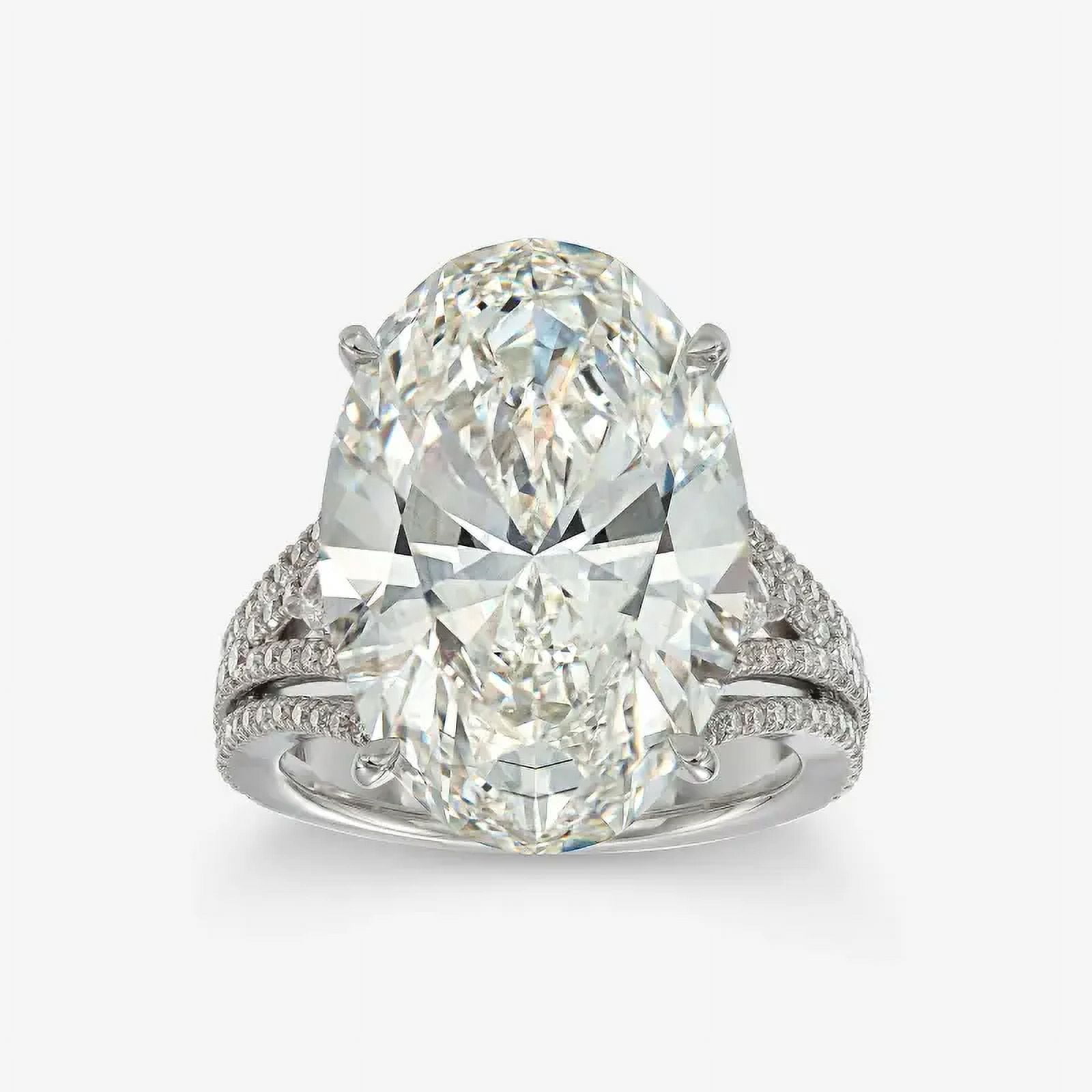
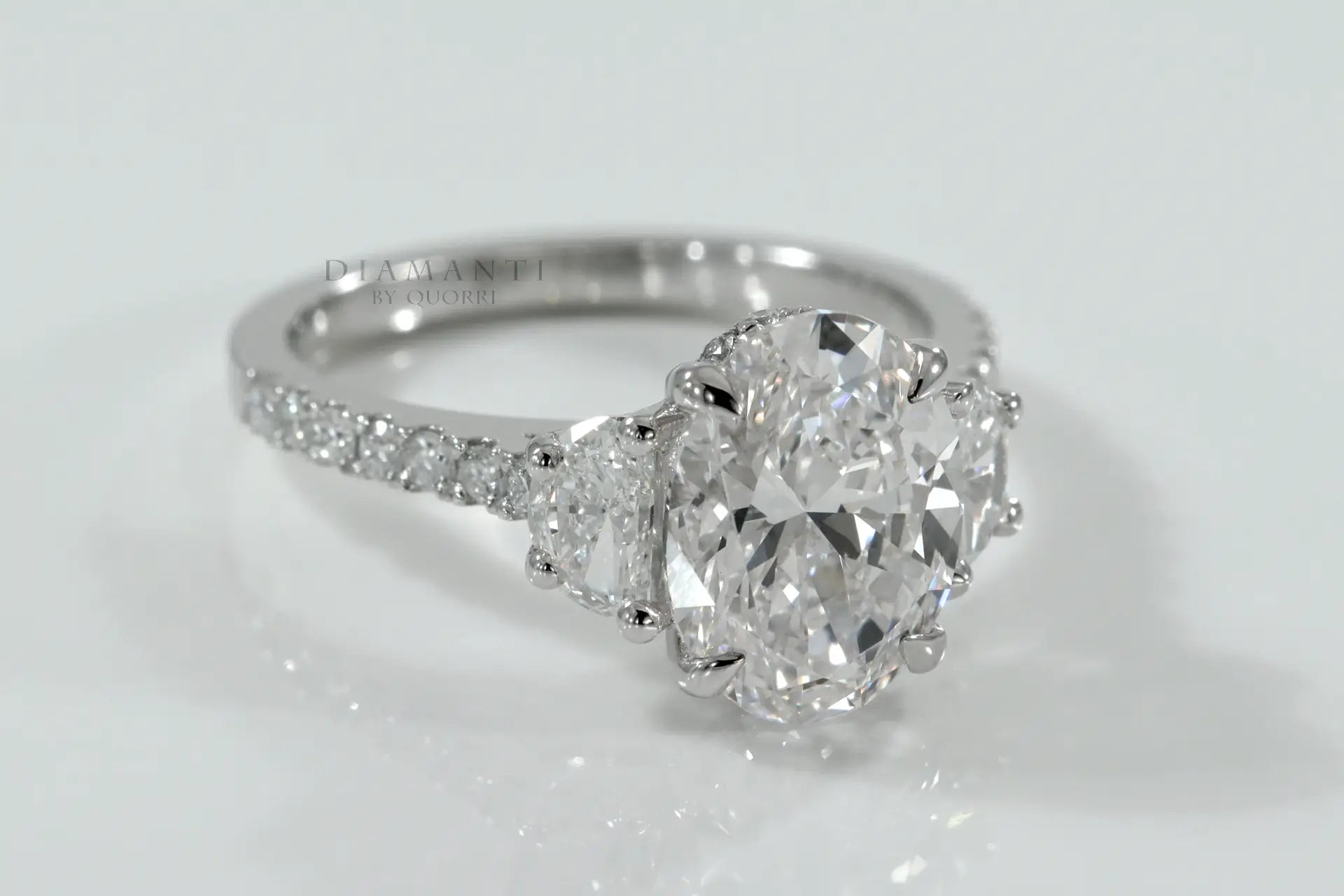
While visual artist Alexandra Grant and actor Keanu Reeves have maintained a close personal and professional partnership for years, widespread curiosity surrounds whether the couple is officially engaged and what kind of ring she wears. Media speculation frequently highlights an artistic, vintage-inspired diamond ring aesthetic that mirrors Grant's refined, low-key approach to fine jewelry.
The Story Behind the Alexandra Grant Engagement Rumors
The ongoing fascination with an engagement ring for Alexandra Grant stems directly from her public relationship with actor Keanu Reeves. The pair first collaborated in 2011 on the illustrated book Ode to Happiness, followed by their 2016 art project Shadows. In 2017, they co-founded the independent publishing house X Artists' Books. Their long-standing friendship evolved into a romantic relationship that became public when they walked the red carpet together at the LACMA Art + Film Gala in Los Angeles in November 2019.
Because Reeves is one of Hollywood's most cherished and private figures, public interest in their romantic milestones has remained exceptionally high. Over the years, tabloid reports and celebrity media outlets have periodically reported rumors of secret proposals, vintage diamond purchases, and private ceremonies. However, neither Grant nor Reeves has officially announced an engagement or released statement details regarding an official engagement ring.
Despite the absence of a formal press release, jewelry enthusiasts and media commentators regularly analyze the rings Grant wears during public gallery openings, literary events, and red carpet galas. Rather than sporting mass-market celebrity solitaires, Grant's jewelry choices consistently favor intentional design, historical character, and fine metal craftsmanship. This distinctive personal style has transformed the concept of the "Alexandra Grant engagement ring" into a benchmark for artistic, non-traditional bridal jewelry.
Deconstructing the "Alexandra Grant Aesthetic": Art Meets Fine Jewelry
Alexandra Grant is an accomplished visual artist whose work encompasses painting, drawing, sculpture, and text-based installations. Her artistic identity heavily influences her personal fashion and jewelry choices. Unlike traditional Hollywood red carpet looks dominated by oversized commercial diamonds and uniform halo settings, Grant’s aesthetic emphasizes individuality, texture, and understated sophistication.
For artistic professionals, fine jewelry serves as an expression of personal identity rather than a display of raw financial scale. The design elements that define this aesthetic include:
- Subtle Elegance Over Carat Size: Prioritizing stone quality, unique faceting, and proportions over extreme carat weight.
- Historical and Antique Cuts: A preference for diamonds cut during early gemological eras, such as the Victorian, Edwardian, or Art Deco periods.
- Tactile and Organic Metalwork: Utilizing brushed gold, platinum, or hand-engraved bands that showcase artisan goldsmithing.
- Low-Profile Wearability: Settings designed to sit close to the finger, allowing an active, hands-on artist to work without jewelry catching or slipping.
This art-focused philosophy appeals strongly to modern couples who prioritize craftsmanship, story, and sustainability over commercial diamond trends.
Key Diamond Ring Styles Associated with the Alexandra Grant Look
When jewelry designers and stylists discuss diamond rings inspired by Alexandra Grant, they highlight several specific cut styles and settings that complement her artistic background.
1. Old European and Antique Cushion Cuts
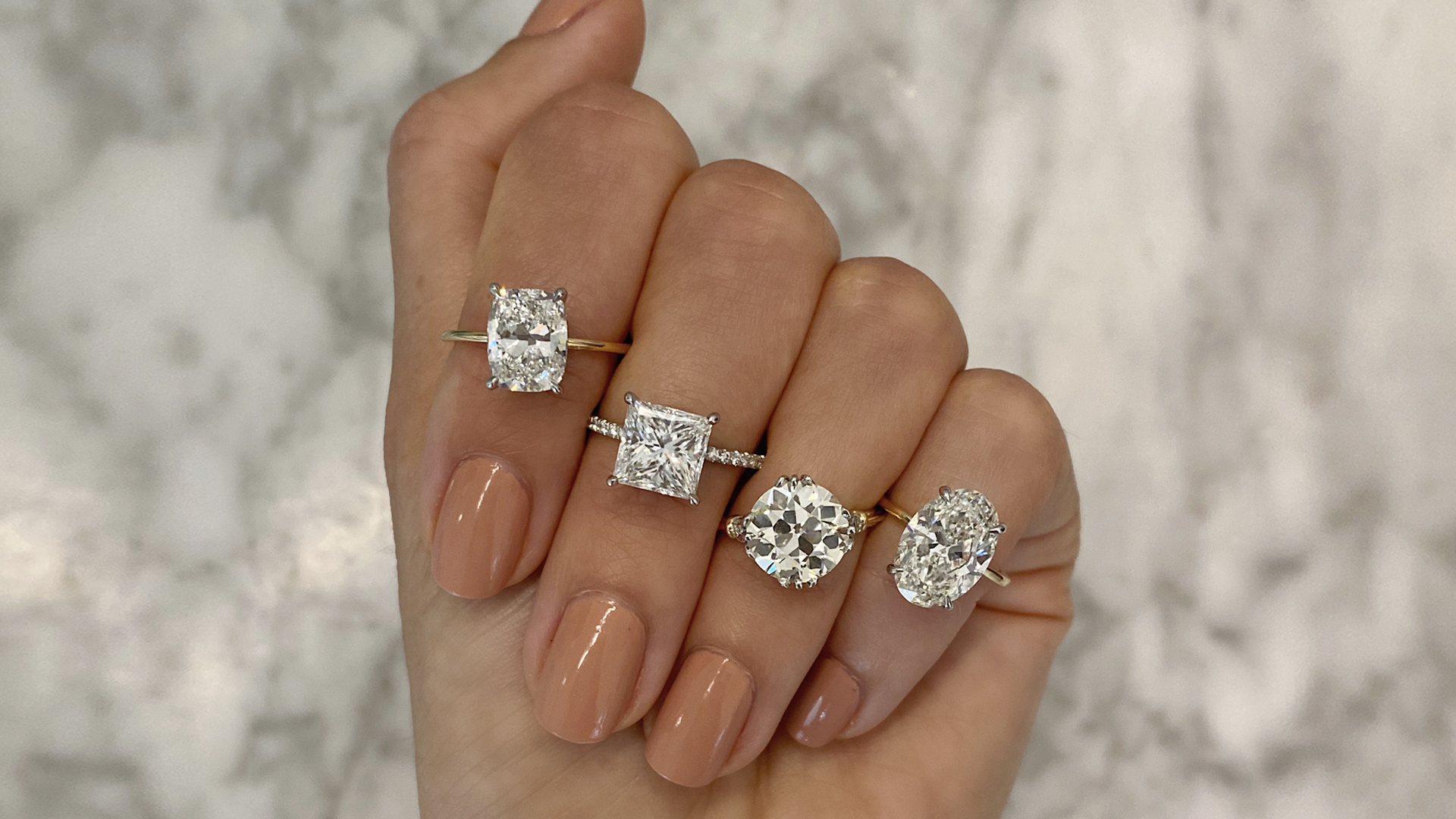
Antique diamond cuts are central to the art-inspired bridal aesthetic. The Old European Cut—the precursor to the modern round brilliant cut—was developed in the 19th century and crafted by hand under candlelight. These diamonds feature a smaller table, a higher crown, a large culet, and broader facets that produce soft flashes of warm light rather than intense disco-ball sparkle.
Similarly, Antique Cushion Cuts (often referred to as Mine Cuts) offer soft, rounded corners and deep proportions. Choosing an antique diamond aligns perfectly with an appreciation for art history, offering a piece of craftsmanship that carries historical narrative.
2. Emerald and Asscher Step Cuts
For lovers of clean lines and geometric precision, step-cut diamonds such as the Emerald Cut and Asscher Cut represent an architectural approach to engagement ring design. Asscher cuts, popular during the Art Deco movement of the 1920s and 1930s, feature square proportions with cropped corners and concentric step facets. These cuts create a visual "hall-of-mirrors" effect, offering an understated elegance that focuses on clarity and structure rather than flashy brilliance.
3. Bezel and Flush Settings
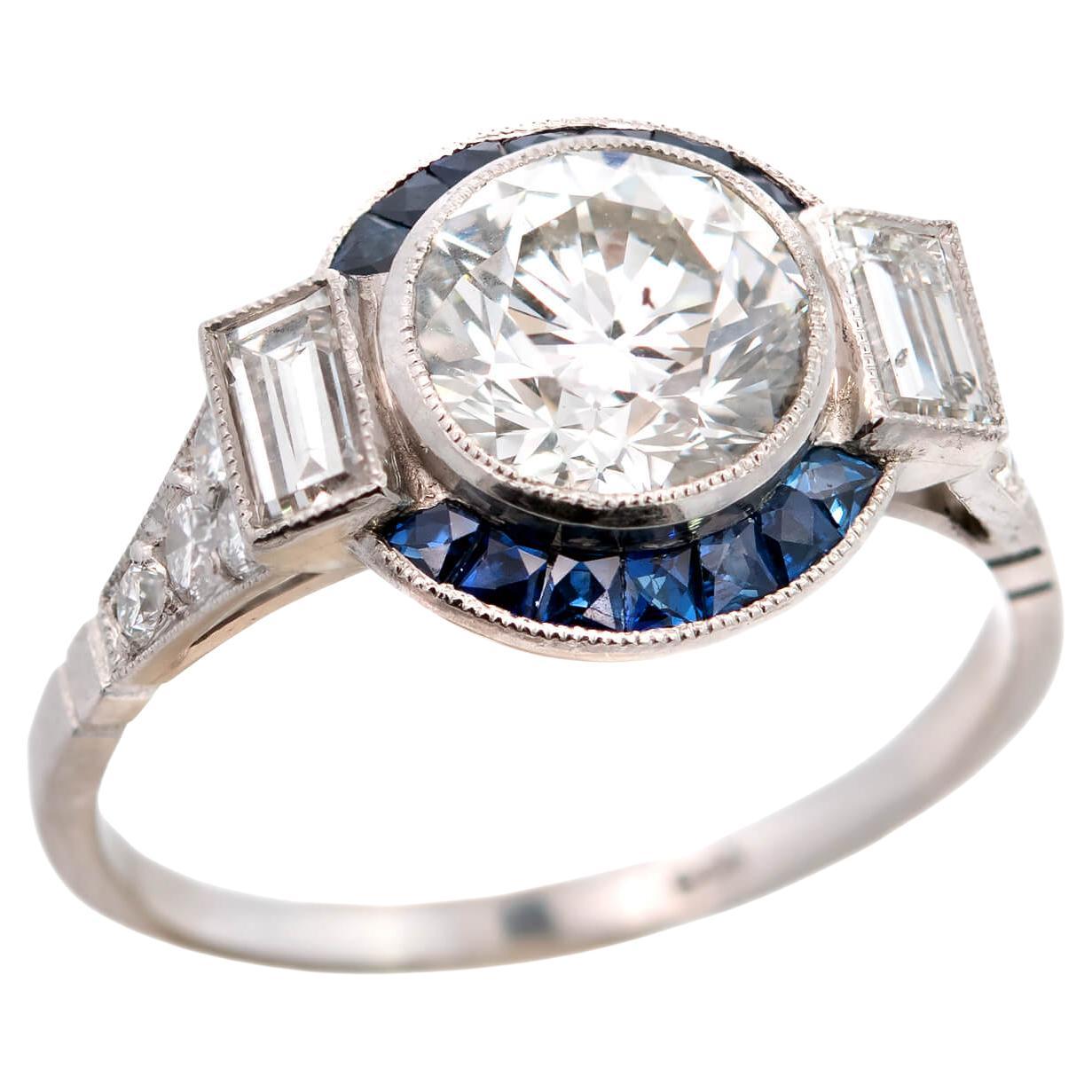
A major departure from standard multi-prong solitaire rings is the use of bezel settings. A bezel setting completely or partially encircles the diamond in a thin rim of precious metal. This setting style offers two distinct advantages: it highlights the geometric silhouette of the gemstone and protects the diamond's perimeter from everyday impacts. For an active visual artist working with heavy canvas, stone, or clay, a low-profile bezel setting offers superior protection and comfort.
4. Textured and Mixed-Metal Bands
Rather than pairing a center diamond with a simple, high-polish thin band, artistic diamond rings often feature textured metal finishes. Techniques such as satin brushing, hammer texturing, or micro-molding give the ring a soft, worn-in patina. Mixed-metal designs—such as setting a colorless diamond in platinum while using a yellow gold band—add warmth and depth to the overall composition.
Comparing Diamond Ring Styles: Classic Hollywood vs. Artistic Vintage
To better understand how an artist-inspired diamond ring differs from traditional celebrity bridal jewelry, consider the key structural and aesthetic differences outlined below:
| Feature | Classic Hollywood Solitaire | Alexandra Grant-Inspired Style |
|---|---|---|
| Primary Diamond Cut | Modern Round Brilliant or Oval Cut | Old European, Asscher, or Antique Cushion Cut |
| Facet Style | High brilliance, maximum light dispersion | Warm, broad flashes; step-cut clarity; historical geometry |
| Setting Type | High-set thin prongs (often diamond-paved) | Low-profile bezel, flush, or protective basket setting |
| Metal Finish | High-polish platinum or white gold | Satin-brushed, hammered, or vintage yellow/rose gold |
| Design Priority | Visual scale, high carat presence | Artistic integrity, comfort, historical character |
| Durability & Wear | Requires careful daily wear to protect prongs | Excellent durability; resistant to daily wear and tear |
Ethical Sourcing and Sustainable Diamond Choices
Another key component of the jewelry aesthetic associated with Alexandra Grant is a focus on ethical sourcing and environmental responsibility. Contemporary artists and collectors frequently seek out ring components that reflect modern social values.
Repurposed Antique Diamonds
Using an authentic vintage or antique diamond is one of the most sustainable choices in fine jewelry. Because antique stones were mined and cut decades or centuries ago, purchasing them requires no new mining activity. These stones reduce environmental impact while offering rare, one-of-a-kind faceting patterns that modern machinery rarely replicates.
Lab-Grown Diamonds
For those seeking precision-cut modern stones with a clean supply chain, lab-grown diamonds provide an identical chemical and optical alternative to mined diamonds. Lab-created gems allow couples to focus their investment on custom setting design and high-grade metalwork while maintaining complete transparency regarding origin.
Recycled Precious Metals
Complementing an ethically sourced center stone with 100% recycled gold or platinum ensures that the entire ring minimizes ecological disruption. Fine jewelry bench jewelers specializing in artistic, custom work typically prioritize certified recycled metals in their casting processes.
How to Design an Artist-Inspired Diamond Engagement Ring
If you are drawn to the low-profile, vintage-inspired elegance connected with Alexandra Grant’s personal style, designing a custom ring involves a few practical steps.
Step 1: Select a Gemstone with Unique Faceting
Begin by exploring non-standard diamond cuts. Look beyond standard modern brilliant rounds and consider Old European cuts, warm-toned antique cushions, or clean Asscher step cuts. Examine the stone under natural light to assess how its facets interact with light.
Step 2: Choose a Low-Profile, Functional Setting
Prioritize daily wearability by selecting a low-profile setting. A full or semi-bezel setting, a low-set four-prong basket, or a split-shank setting will hold the diamond securely against the hand, reducing snags on clothing or materials.
Step 3: Add Tactile Metal Details
Work with a custom bench jeweler to refine the surface texture of the band. Options include:
- Matte or Satin Finish: Reduces glare and emphasizes the rich color of the metal.
- Hand Engraving: Incorporates subtle geometric or botanical motifs along the band's profile.
- Milgrain Edging: Tiny beaded metal detailing along the border of the setting that provides an authentic vintage accent.
Step 4: Balance Proportions and Comfort
Ensure the band width comfortably supports the center stone's weight. A slightly wider band (2.0mm to 3.0mm) often provides better physical balance and a grounded, sculptural aesthetic compared to ultra-thin micro-bands.
Frequently Asked Questions
Are Keanu Reeves and Alexandra Grant officially engaged?
As of 2026, neither Keanu Reeves nor Alexandra Grant has publicly confirmed an official engagement. While engagement rumors circulate regularly in media outlets, the couple keeps their personal life private and has not released official details regarding a wedding or proposal.
What style of ring is most associated with Alexandra Grant?
Alexandra Grant’s jewelry choices emphasize artistic, vintage-inspired aesthetics. Her preferred look centers on low-profile settings, antique diamond cuts (such as Old European or cushion cuts), clean geometry, and brushed fine metals rather than traditional high-set commercial solitaires.
Why are Old European cuts popular in artistic engagement rings?
Old European cuts were hand-faceted between the late 19th and early 20th centuries. They feature a higher crown, smaller table, and unique facet proportions that produce a soft, warm light pattern. Artists and vintage enthusiasts favor them for their historic character and organic beauty.
Is a bezel setting practical for everyday wear?
Yes, a bezel setting is one of the most practical and protective jewelry settings available. By surrounding the diamond's edge with a continuous strip of precious metal, it shields the stone from chips, prevents prongs from catching on fabrics, and sits low on the finger for optimal comfort.
How can I make a diamond ring look more artistic and unique?
To achieve an artistic look, focus on custom design details such as choosing an antique or step-cut diamond, incorporating textured metal finishes like satin or hammered gold, choosing a low-profile bezel setting, and selecting asymmetrical or geometric side stones.
Choosing the Right Diamond Style for Your Personal Aesthetic
Whether inspired by the quiet elegance of Alexandra Grant's red carpet appearances or seeking a meaningful alternative to commercial bridal trends, selecting an engagement ring is ultimately an exercise in personal expression. By focusing on historical diamond cuts, protective bezel settings, and artisanal metalwork, you can create a piece of fine jewelry that serves as both a lasting symbol of commitment and a functional work of wearable art. Prioritize comfort, ethical sourcing, and timeless design over transient social media trends to ensure your ring remains captivating for decades to come.