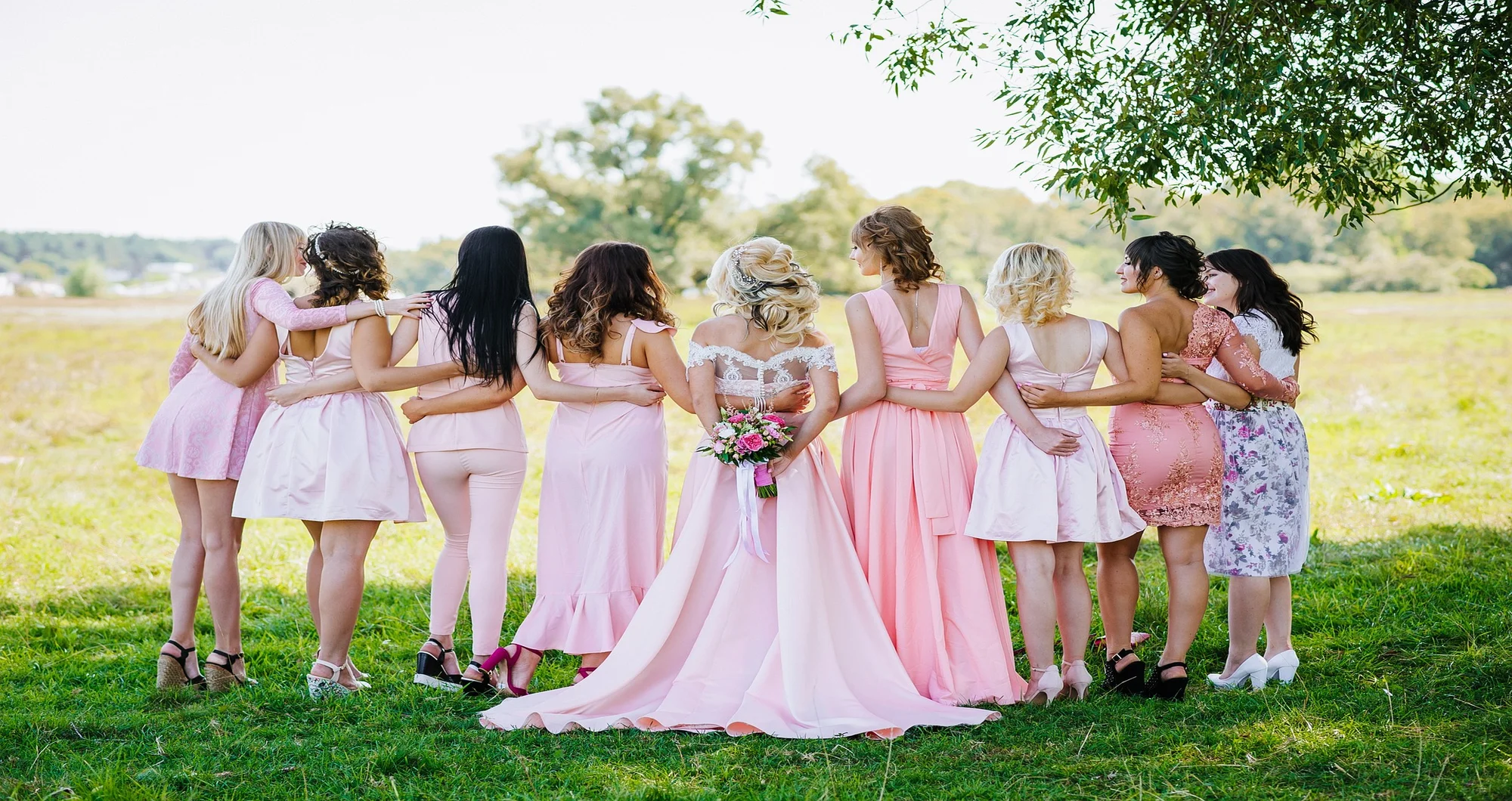
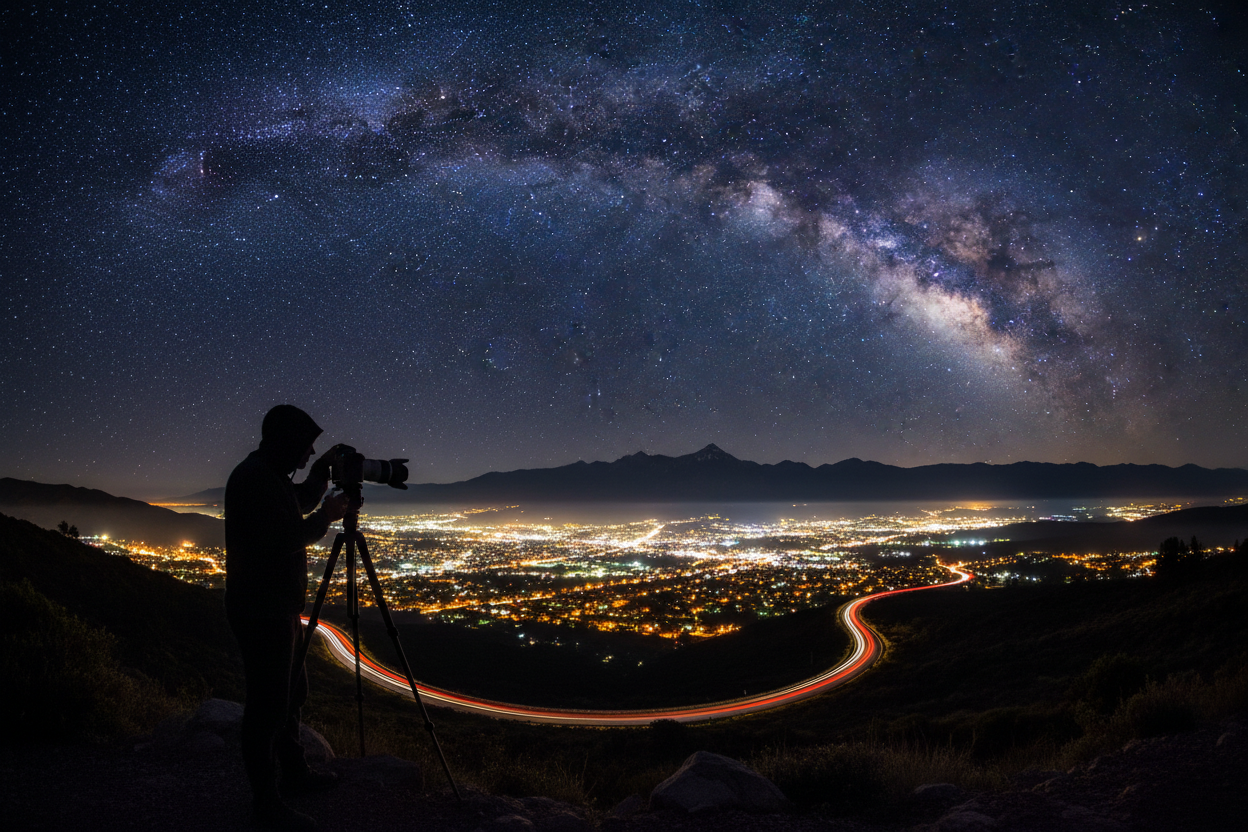
Alexandra Edison has established a distinctive presence in visual storytelling by combining technical precision with atmospheric lighting to capture authentic, evocative imagery. Known for her ability to uncover subtle human emotion and transform ordinary landscapes into luminous compositions, her work bridges fine art portraiture and documentary photography, offering a masterclass in lens craftsmanship and visual narrative.
The Artistic Vision: Defining "Capturing Magic" Through the Lens
At the core of Alexandra Edison’s work is the belief that photography is less about recording a scene and more about interpreting mood, light, and hidden energy. The phrase "capturing magic" refers not to digital trickery or exaggerated effects, but to the precise alignment of timing, atmospheric light, and candid human response. Edison’s approach relies on deep observation, waiting for the split second where a subject drops their posture or where natural sunlight fractures through architectural or organic boundaries.
In modern portraiture and environmental photography, visual clutter often distracts from the core narrative. Edison mitigates this by focusing on quiet framing and intentional negative space. By emphasizing low-contrast shadows and organic highlights, her work yields a painterly quality that feels timeless rather than tied to fleeting modern filter trends. This commitment to visual purity requires both psychological intuition when working with human subjects and rigorous patience when waiting for environmental conditions to align.
Furthermore, Edison’s philosophy rejects rigid, hyper-staged posing in favor of structured guidance. Rather than commanding a subject to freeze in an unnatural pose, she establishes environmental boundaries and invites fluid movement. This methodology allows genuine expressions—a subtle curve of the lip, a reflective glance away from the camera, or an unscripted shift in posture—to emerge naturally, creating images that resonate with emotional clarity.
Technical Core: Gear Selection, Optics, and Sensor Dynamics
Behind every atmospheric image is a calculated selection of hardware and optical parameters. Alexandra Edison’s technical setup prioritizes sensor dynamic range, optical sharpness, and precise depth-of-field control. While equipment alone cannot replace artistic vision, choosing the correct combination of sensor, focal length, and glass dictates how light translates into digital data.
- Subject & Light
- Wide-Aperture Prime Lens: Controls Depth of Field & Bokeh
- High Dynamic Range Sensor: Preserves Highlight/Shadow Details
- 14/16-Bit RAW capture: Retains Maximum Color Flexibility
Lens Choice and Optical Character
Edison frequently relies on fast prime lenses, particularly 35mm, 50mm, and 85mm focal lengths equipped with wide maximum apertures ($f/1.2$ to $f/1.8$). Prime lenses offer superior optical rendering compared to standard zoom lenses, delivering edge-to-edge sharpness while minimizing chromatic aberration.
- 85mm Primes: Selected for tight portraiture due to their flattering compression of facial features and exceptional subject separation from the background. The narrow field of view isolates the subject, rendering distant backgrounds into soft, cream-like bokeh.
- 50mm Primes: Used for intimate, environmental portraits. Operating near the field of view of human perspective, the 50mm focal length creates an honest, un-distorted view of the subject within their surroundings.
- 35mm Primes: Deployed for environmental storytelling, documentary sequences, and wide portraiture. The slightly wider field of view incorporates background architecture and landscape elements, embedding the subject into a broader physical narrative.
Sensor Mechanics and Exposure Metering
To capture subtle gradient transitions in highlights and deep shadows, high-resolution full-frame and medium-format mirrorless camera bodies serve as the digital backbone of Edison's work. High bit-depth capture (14-bit or 16-bit RAW format) ensures that subtle color shifts—especially across human skin tones—are recorded without banding or truncation.
Exposure strategies are calibrated to preserve highlight detail, often employing a technique known as Expose to the Right (ETTR) without clipping bright areas. By pushing the exposure as high as possible while monitoring the camera's histogram, the sensor records maximum signal with minimal shadow noise. During post-production, these shadow details can be lifted cleanly, yielding rich midtone contrast and luminous skin tones.
Studio and Environmental Lighting Architecture
Light is the primary brush stroke in Edison’s photography. Mastering light requires controlling its quality (soft vs. hard), direction (key, fill, rim), color temperature (Kelvin scale), and intensity. Whether working under open skies or within controlled studio environments, Edison structures light to shape form and sculpt emotion.
- Subject
- Softbox / Diffuser (Key Light - 45° Angle)
- Reflective Surface
- Natural Window Light (Rim/Accent)
- Negative Fill Board (Subtractive Shadow Creation)
Sculpting with Natural and Ambient Light
In field settings, golden hour (early morning or late afternoon) provides a soft, directional light key that minimizes harsh facial shadows. Edison manipulates open shade and backlighting to create a natural halo or rim light around the subject’s silhouette. To prevent dark facial shadows when backlighting, large collapsible white or silver reflectors bounce ambient light onto the subject's face without introducing harsh artificial tones.
When working indoors, northern-facing window light serves as a soft, continuous large-aperture light source. By placing subjects adjacent to wide windows at a 45-degree angle, the continuous fall-off of light across the face creates dramatic, Rembrandt-style lighting transitions naturally.
Integrating Modified Artificial Light
When natural light is insufficient or inconsistent, Edison incorporates off-camera flash units modified by large softboxes, parabolic umbrellas, or diffusion grids. Artificial lighting is balanced to mirror natural physical properties:
- Large Light Source Area: The larger the light source relative to the subject, the softer the transition between light and shadow. Large 60-inch softboxes or octaboxes simulate soft skylight.
- Color Temperature Synchronization: Flashes are gelled with CTO (Color Temperature Orange) or CTB (Color Temperature Blue) filters to match the ambient Kelvin temperature of the environment, ensuring consistent skin tones across the entire image.
- Subtractive Lighting: Rather than always adding light, Edison frequently uses black flags or v-flats (negative fill) to block reflected bounce light from one side of a subject. This accentuates shadows, adding dramatic structure to cheekbones and architectural forms.
Direction and Connection: The Human Element Behind the Lens
Technical excellence alone cannot produce evocative portraiture if the human subject feels self-conscious or rigid. Alexandra Edison places high emphasis on psychological direction, transforming the photo session into a collaborative conversation rather than an invasive performance.
Overcoming Camera Anxiety
Most non-professional subjects experience heightened tension when faced with a lens. Edison mitigates this by maintaining active communication before raising the camera body. Establishing trust involves discussing non-photographic topics, observing natural body language, and identifying natural posture patterns.
Action-Based and Sensory Prompts
Instead of instructing a subject to hold a static expression, Edison uses motion-based and conceptual prompts that yield authentic reactions:
- Movement Continuity: Instructing the subject to walk slowly toward a specific marker, look away, and turn around on a soft verbal cue preserves dynamic fluid movement.
- Tactile Focus: Asking a subject to adjust a collar, run hands through hair, or feel the texture of their surroundings shifts focus away from the camera lens, breaking tension.
- Thought Shifts: Requesting the subject to recall a quiet memory or focus on a specific distant sound alters eye micro-expressions, creating depth and sincerity in the eyes that cannot be faked.
Digital Darkroom Workflow: Color Grading and Tonal Preservation
The creative process extends beyond the click of the shutter into the digital darkroom. Edison treats post-processing as an accentuation tool rather than a corrective crutch, focusing on preserving raw texture while establishing a refined color palette.
Color Space Management and Tonal Split
To maintain maximum color information, raw files are processed in wide-gamut color spaces such as ProPhoto RGB or Adobe RGB before final export to sRGB for web presentation. This prevents color clipping in highly saturated spectral bands.
Color grading typically involves subtle split-toning:
- Highlights: Slightly warmed with subtle yellow or amber undertones to reflect atmospheric sunlight.
- Shadows: Infused with cool teal, deep blue, or neutral charcoal tones to accentuate visual depth and shadow contrast.
- Midtones: Strictly protected to ensure skin tones remain anatomically accurate and natural, avoiding over-saturation.
Texture and Micro-Contrast Editing
Rather than applying heavy global contrast filters, Edison utilizes frequency separation and localized curve adjustments. Frequency separation isolates texture (high frequencies) from color and tone (low frequencies). This allows micro-adjustments—such as softening skin blemishes or evening out tonal patches—without destroying the fine skin texture or natural pore structure that gives photographs authentic detail.
Photographic Workflow & Technical Specification Matrix
The following matrix compares common scenarios encountered in fine-art atmospheric photography, detailing recommended setups, exposure settings, and processing priorities modeled after Edison’s practical methodology.
| Shooting Environment | Recommended Optics | Lighting Strategy | Target Exposure (Aperture/ISO) | Color & Post-Processing Focus |
|---|---|---|---|---|
| Golden Hour Environmental Portrait | 85mm f/1.4 Prime | Backlit natural sun with large white reflector bounce | f/1.8 – f/2.8, ISO 100, 1/1000s | Highlight protection; warm tone push in highlights; subtle shadow lift. |
| Indoor Ambient Window Studio | 50mm f/1.2 Prime | Side window light (45°) with black v-flat negative fill | f/1.4 – f/2.0, ISO 200–400, 1/250s | Rembrandt lighting shadow control; high midtone clarity; skin tone preservation. |
| Low-Light / Twilight Narrative | 35mm f/1.4 Prime | Mixed ambient sky light with gelled off-camera strobe | f/1.4 – f/2.0, ISO 800–1600, 1/125s | Teal/blue shadow split-toning; noise reduction preserving edge sharpness. |
| Architectural Fine Art Landscape | 24-70mm f/2.8 Zoom | Deep directional daylight or overcast soft diffusion | f/8.0 – f/11, ISO 64 (Tripod bound), 1/15s | Maximizing dynamic range; micro-contrast sharpening; geometric correction. |
| Candid Documentary / Motion | 35mm f/1.4 Prime | Unmodified continuous daylight or ambient street lamps | f/2.8 – f/4.0, ISO 400–3200, 1/500s | High contrast black-and-white conversion or grain structure retention. |
Common Challenges in High-End Visual Storytelling and Solutions
Achieving consistent quality in varied photographic environments requires overcoming distinct optical, environmental, and technical hurdles.
Challenge 1: Dynamic Range Clipping in High-Contrast Scenes
- Problem: Bright skies become blown out (pure white) when exposing for subject shadow detail, or subject faces become silhouetted when exposing for sky detail.
- Solution: Use bracketing techniques (combining multiple exposures) or deploy physical Graduated Neutral Density (GND) filters. When shooting handheld, expose specifically to preserve highlight detail and use high-dynamic-range sensors to recover dark shadows cleanly in post-production.
Challenge 2: Lens Flare and Loss of Contrast Under Backlighting
- Problem: Shooting directly into backlight causes internal lens reflections, washes out image contrast, and causes autofocus searching.
- Solution: Attach dedicated lens hoods to shade front glass elements from off-axis rays. Switch to manual focus mode using focus peaking features to lock onto high-contrast edges (such as eye brows or clothing borders).
Challenge 3: Inconsistent Color Casts from Mixed Light Sources
- Problem: Combining warm tungsten indoor lighting with cool daylight through windows results in distracting orange and blue tint patterns across the subject’s face.
- Solution: Turn off conflicting artificial interior light sources, or place color-correcting gels (such as Full CTO or CTB) over artificial strobes to equalize color temperatures before capture.
Frequently Asked Questions
What defines Alexandra Edison's signature photographic style?
Alexandra Edison’s style is defined by soft, moody directional light, intentional composition, and authentic human emotion. Rather than using harsh artificial styling or heavy digital distortion, her work emphasizes subtle color palettes, wide-aperture shallow depth of field, and natural candid moments that convey painterly visual storytelling.
How does lens selection impact the atmospheric quality of a photograph?
Lens selection dictates field of view, background blur (bokeh), optical distortion, and compression. Wide apertures ($f/1.2$ to $f/1.8$) on telephoto prime lenses (like 85mm) isolate the subject by rendering backgrounds soft and diffuse, creating an atmospheric, dreamlike separation that focuses viewer attention strictly on the primary narrative element.
What camera settings work best for capturing natural, golden-hour light?
Shooting in raw format at base ISO (typically ISO 64 or 100) preserves maximum dynamic range and minimizes digital noise. Apertures between $f/1.8$ and $f/4.0$ allow fast shutter speeds while creating background separation. Exposure metering should focus on protecting highlight details from clipping, utilizing matrix or highlight-weighted metering modes.
How can photographers achieve authentic expressions during structured sessions?
Authentic expressions are achieved by breaking camera-focused tension through continuous dialogue, motion-based directives, and sensory prompts. Asking subjects to perform natural movements or focus on specific memories diverts attention away from the lens, allowing spontaneous, natural facial micro-expressions to emerge.
What post-processing steps preserve dynamic range without introducing artifacts?
Preserving dynamic range requires editing raw image files in wide color spaces like ProPhoto RGB. Highlights should be balanced using local curve adjustments rather than harsh global sliders, and shadow recovery must be executed within sensor noise limits. Applying frequency separation allows skin texture maintenance without flattening underlying midtone contrast.
Elevating Your Visual Storytelling with Edison's Methodology
Adopting Alexandra Edison’s approach to photography requires a shift in priorities: technical mastery must become second nature so full creative focus can be directed toward light observation and human connection. Whether embarking on fine art portraiture, commercial campaigns, or personal documentary work, implementing structured light management, intentional optics, and authentic subject engagement transforms simple frame captures into resonant visual art.
To apply these methodologies effectively in your own work, consider the following actionable steps:
- Conduct an Optical Audit: Evaluate your current lens lineup. Transition from multi-purpose zoom lenses to one or two high-quality prime lenses (such as a 35mm or 85mm f/1.8) to master prime focal distance, depth-of-field control, and low-light rendering.
- Master Light Mapping: Before taking a photo, analyze the existing environment for direction, quality, and shadow intensity. Practice using natural reflectors or single-source modified strobes to control light fall-off intentionally.
- Refine Post-Production Discipline: Shift your editing routine away from global presets toward precision color grading, subtle split-toning, and highlight preservation. Focus on preserving texture and natural color fidelity.
By prioritizing patient light observation over rapid shutter firing, your photography will capture not just scenes, but the elusive mood and character behind the lens.