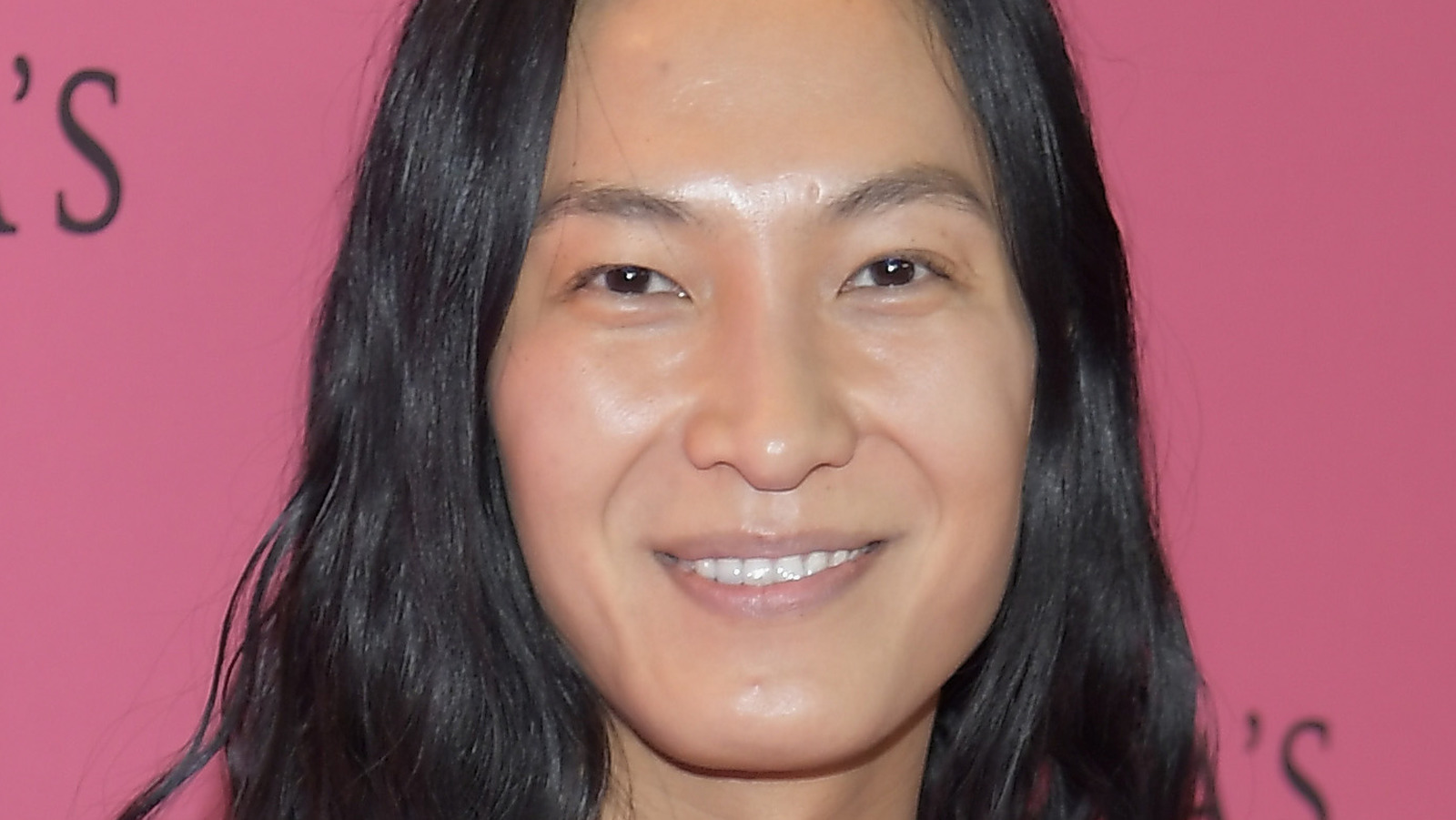
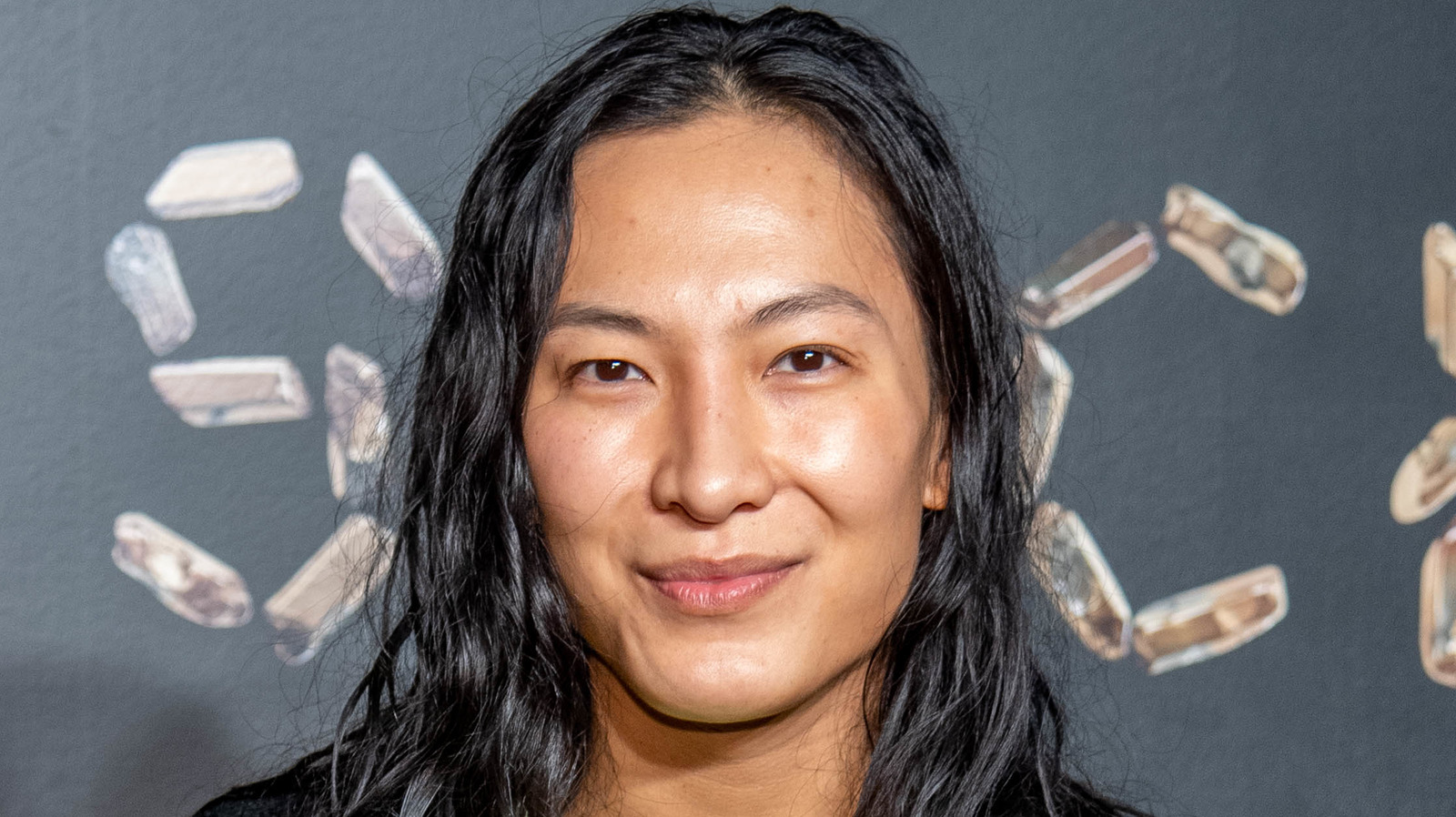
Alexandr Wang, the co-founder and CEO of Scale AI, has built an estimated net worth between $2 billion and $3 billion, primarily derived from his substantial equity stake in Scale AI. Founded in 2016, Scale AI established itself as the premier data infrastructure provider for artificial intelligence, propelling Wang to become the world's youngest self-made billionaire in 2022.
Entity Disambiguation: Alexandr Wang vs. Alexander Wang
When searching for the net worth and career details of "alexander wang ai net worth," it is critical to distinguish between two prominent public figures with nearly identical names:
- Alexandr Wang (Tech Tycoon): The artificial intelligence entrepreneur, co-founder, and CEO of Scale AI (spelled Alexandr without the second "e"). Born in 1997, his fortune originates entirely from software engineering, artificial intelligence data pipelines, enterprise tech contracts, and defense technology investments.
- Alexander Wang (Fashion Designer): The American fashion designer born in 1983, famous for launching his namesake luxury fashion brand in 2005 and serving as the creative director for Balenciaga from 2012 to 2015.
This analysis focuses exclusively on Alexandr Wang, the Silicon Valley technology executive whose company powers data annotation for leading AI laboratories, autonomous vehicle producers, and government defense agencies.
Early Life and the Origins of Scale AI
Alexandr Wang grew up in New Mexico near the Los Alamos National Laboratory, an environment saturated with scientific research. Both of his parents were physicists who worked on weapons and military research projects for the U.S. government. Exposed to mathematics and computer science at an early age, Wang competed in national physics and math Olympiads during high school, developing advanced programming capabilities long before entering university.
After high school, Wang attended the Massachusetts Institute of Technology (MIT) to study mathematics and computer science. During his freshman year, he recognized that while research in algorithmic architectures (such as neural networks) was advancing rapidly, the primary bottleneck preventing practical AI deployment was the lack of high-quality, labeled training data.
In 2016, at age 19, Wang dropped out of MIT after completing his first year. He teamed up with co-founder Lucy Guo to launch Scale AI through the Y Combinator accelerator program. The core insight behind Scale AI was simple yet transformational: as machine learning models grew more complex, companies would need vast quantities of human-annotated data to train computer vision models, autonomous driving software, and natural language systems.
The Business Engine: How Scale AI Generates Wealth
Scale AI operates on a B2B (business-to-business) software and data platform model. Instead of developing consumer-facing AI models directly, Scale AI built the underlying "pick-and-shovel" infrastructure that other technology giants rely on to train their algorithms.
- Scale AI Platform
- Commercial AI Solutions
- Computer Vision Annotation
- Generative AI & RLHF Data
- Model Evaluation & Red Teaming
- Public Sector / Defense
- Scale Donovan (National Security AI)
- U.S. DoD Strategic Contracts
- Federal Data Curation
- Commercial AI Solutions
1. Autonomous Vehicles and Computer Vision
In its initial phase, Scale AI targeted autonomous vehicle companies like Cruise, Waymo, and Lyft. Training self-driving cars requires annotating millions of high-resolution images, LiDAR point clouds, and video frames to teach algorithms how to recognize pedestrians, traffic lights, lane markers, and obstacles. Scale AI combined automated pre-labeling algorithms with a massive global workforce of human annotators to deliver high-accuracy datasets faster than companies could process internally.
2. Generative AI and Human Feedback (RLHF)
As generative artificial intelligence and Large Language Models (LLMs) gained momentum, Scale AI expanded into Reinforcement Learning from Human Feedback (RLHF). Leading Frontier AI research labs—including OpenAI, Meta, Anthropic, and Cohere—require domain experts, PhDs, programmers, and linguists to critique, rank, and refine AI-generated outputs. Scale AI developed specialized enterprise platforms to manage thousands of subject-matter experts, positioning itself as a core data vendor for generative models.
3. Public Sector and Defense Contracts
Recognizing national security applications for artificial intelligence, Wang led Scale AI into government contracting. The company launched Scale Donovan, an AI-powered operational platform tailored for military defense, intelligence agencies, and government decision-makers. By securing contracts with the U.S. Department of Defense and federal entities, Scale AI established long-term revenue streams shielded from commercial market volatility.
Funding History and Valuation Trajectory
Scale AI's rapidly expanding revenue attracted significant venture capital backing from premier Silicon Valley investment firms, including Accel, Founders Fund, Coatue, Index Ventures, and Tiger Global, as well as strategic tech investors like Nvidia, Amazon, and Meta.
Each major funding milestone systematically drove up the company's valuation, increasing the paper net worth of Alexandr Wang, who retained a sizable double-digit equity percentage in the business.
| Year | Funding Round | Capital Raised | Post-Money Valuation | Key Investors / Drivers |
|---|---|---|---|---|
| 2016 | Seed / Y Combinator | ~$120,000 | N/A | Entry into Y Combinator S16 batch; initial launch of data labeling API. |
| 2018 | Series B | $18 Million | ~$100 Million | Led by Index Ventures; expansion into autonomous vehicle computer vision data. |
| 2019 | Series C | $100 Million | $1+ Billion | Led by Founders Fund; Scale AI reaches "unicorn" status at age 22 for Wang. |
| 2020 | Series D | $155 Million | $3.5 Billion | Rapid enterprise adoption across automotive and enterprise software sectors. |
| 2021 | Series E | $325 Million | $7.3 Billion | Led by Dragoneer; Wang named world's youngest self-made billionaire at age 25. |
| 2024 | Series F | $1 Billion | $13.8 Billion | Led by Accel, with Nvidia, Amazon, Meta, and AMD participating; expansion into LLM evaluation and defense. |
Calculating Alexandr Wang's Net Worth
Calculating the net worth of private tech founders requires analyzing estimated equity holdings, primary funding round valuations, secondary stock sales, and market adjustments for private tech valuations.
Equity Stake Dilution and Ownership
When Scale AI achieved a $7.3 billion valuation during its Series E funding round in 2021, Forbes estimated Alexandr Wang's personal stake in the company at approximately 15%. At that valuation, his 15% share translated directly to an estimated net worth of $1 billion, earning him the title of the world's youngest self-made billionaire at age 25.
By the time Scale AI closed its $1 billion Series F round at a $13.8 billion valuation, venture capital dilution had moderately reduced his ownership percentage, but the company's overall enterprise value nearly doubled. Assuming an equity stake between 14% and 15% alongside liquidity generated through verified secondary sales during later funding rounds, Wang's net worth sits solidly in the multi-billion-dollar range.
Liquid Assets and Personal Investments
Beyond his primary holding in Scale AI, Wang's financial portfolio includes:
- Angel Investments: Strategic seed investments in early-stage artificial intelligence startups, software infrastructure tools, and developer platforms.
- Secondary Market Sales: Partial liquidity events during late-stage venture rounds, allowing founders to monetize a fraction of their shares prior to an Initial Public Offering (IPO).
- Real Estate and Capital Assets: Investments in private tech equities, high-yield securities, and prime residential real estate in California.
The Strategy Behind Scale AI's Market Dominance
Understanding how Alexandr Wang acquired his wealth requires examining the strategic decisions that set Scale AI apart from traditional outsourcing and software vendors.
Capitalizing on the "Pick-and-Shovel" Thesis
During major technology shifts, the companies supplying essential raw inputs often achieve more consistent financial growth than end-user application builders. Rather than burning capital attempting to construct consumer AI applications or proprietary foundation models, Wang recognized that every foundation model creator needed curated data. By positioning Scale AI as the essential data pipeline, the company extracted revenue regardless of which consumer AI application ultimately won market share.
- AI Value Chain Dynamics
- Raw Hardware (Nvidia, AMD)
- Data & Infrastructure (Scale AI) (Strategic Leverage Point)
- Foundation Models (OpenAI, Anthropic, Meta)
- End-User Applications (Enterprise Apps, Consumer Bots)
Combining Automated Pre-Labeling with Human Intelligence
Purely manual data entry is slow and expensive, while purely automated labeling produces accuracy errors. Wang designed a hybrid architecture: machine learning models perform an initial pass to label obvious data points, after which human annotators resolve edge cases, review low-confidence predictions, and provide expert feedback. This operational structure allowed Scale AI to deliver higher data quality at lower costs than competitors.
High Customer Retention and Switching Costs
Once an enterprise or defense contractor builds its internal AI pipeline using Scale AI's APIs, data formats, and evaluation metrics, switching to an alternative vendor introduces operational risk and software re-engineering costs. This deep operational integration leads to long-term enterprise contracts, providing stable recurring revenue that supports higher private market valuations.
Frequently Asked Questions
How much is Alexandr Wang worth in 2026?
Alexandr Wang's net worth is estimated between $2 billion and $3 billion, primarily calculated from his estimated 14% to 15% equity stake in Scale AI following its $13.8 billion valuation, alongside secondary liquidity and personal investment assets.
Did Alexandr Wang complete his university degree at MIT?
No. Alexandr Wang attended the Massachusetts Institute of Technology (MIT) for his freshman year, studying computer science and mathematics. He dropped out in 2016 at age 19 after being accepted into the Y Combinator accelerator program to build Scale AI full-time.
What is the primary difference between Alexandr Wang and Alexander Wang?
Alexandr Wang (spelled without an "e" before the "r") is the tech entrepreneur and co-founder/CEO of Scale AI. Alexander Wang (with an "e") is a prominent luxury fashion designer known for his self-named clothing brand and former role at Balenciaga.
How does Scale AI generate its annual revenue?
Scale AI generates revenue by charging enterprise businesses, AI laboratories, and government agencies for data infrastructure solutions. Services include specialized data labeling for autonomous software, enterprise data management platforms, Reinforcement Learning from Human Feedback (RLHF) for Large Language Models, and national security AI software (Scale Donovan).
Who co-founded Scale AI alongside Alexandr Wang?
Scale AI was co-founded in 2016 by Alexandr Wang and Lucy Guo. Both founders met while working at the question-and-answer platform Quora before launching Scale AI through Y Combinator.
Strategic Lessons for Founders and Tech Investors
The business trajectory of Alexandr Wang offers several tactical insights for technology executives, software engineers, and venture capital investors monitoring the AI ecosystem:
- Identify Critical Technical Bottlenecks: Rather than building broad, unfocused products, target the single operational friction point preventing an entire industry from scaling. For Scale AI, that bottleneck was verified training data.
- Prioritize Enterprise Moats Over Consumer Hype: While consumer apps experience rapid viral growth followed by churn, enterprise integration and defense department contracting yield sustainable, recurring cash flow.
- Adapt Infrastructure to Paradigm Shifts: Scale AI initially succeeded in computer vision for self-driving cars, but quickly adapted its software pipeline to serve generative AI models and defense systems when market demand shifted.
As artificial intelligence systems mature across global industries, foundational data management remains a multi-billion-dollar requirement—ensuring that Scale AI and its leadership remain central figures in technology finance.