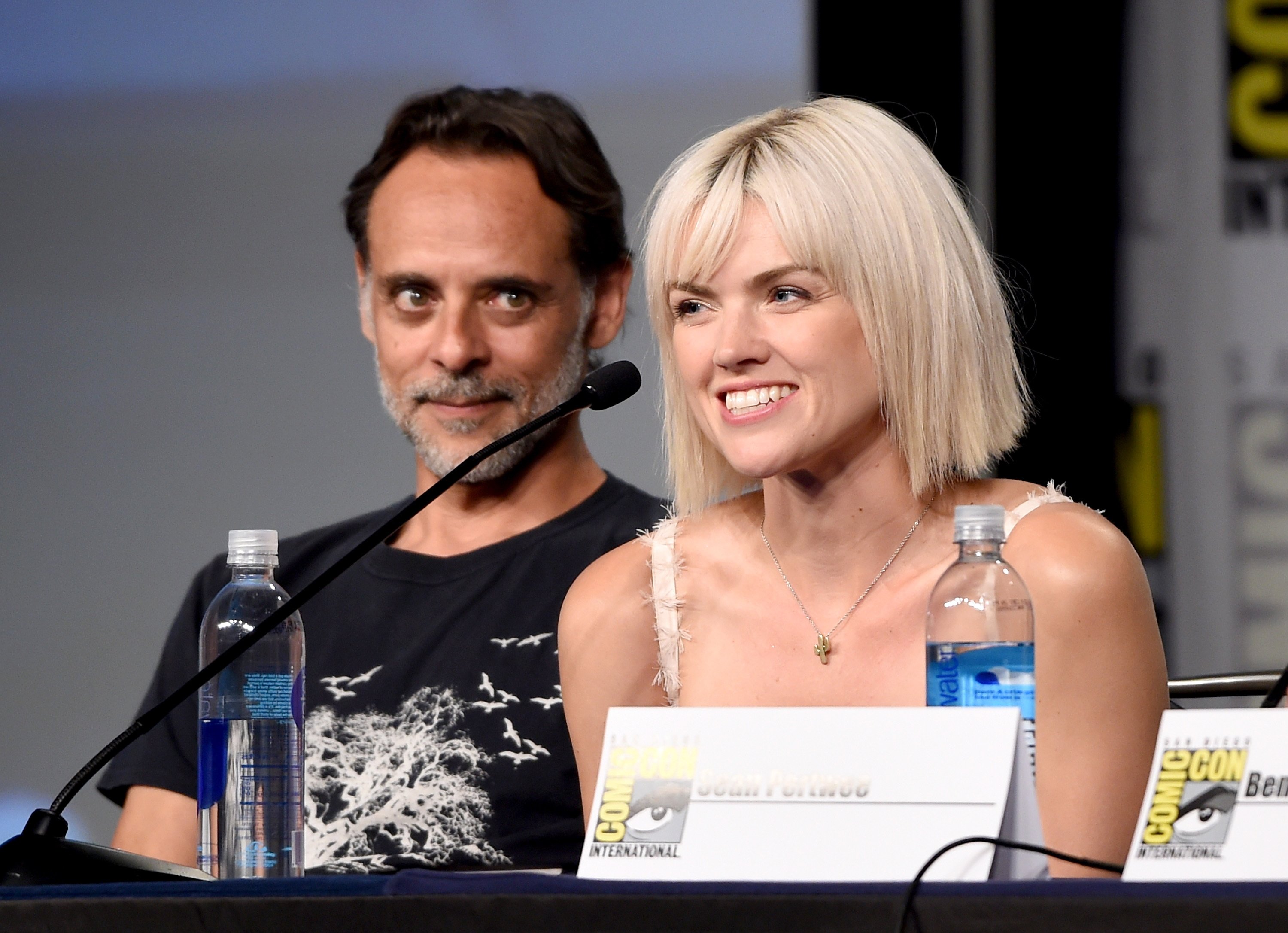
Alexander Siddig’s estimated net worth stands between $3 million and $5 million as of 2026. The British-Sudanese actor built his wealth through a multi-decade career across high-profile television franchises, international feature films, voice acting, audio dramas, stage directing, and recurring income from fan conventions and syndication residuals.
| Estimated Net Worth | $3 Million - $5 Million |
|---|---|
| Primary Wealth Drivers | DS9, GOT, Streaming TV |
| Key Secondary Revenue | Residuals, Conventions |
Key Career Milestones and Financial Overview
Born Siddig El Tahir El Fadil El Siddig Abderrahman Mohammed Ahmed Abdel Karim El Mahdi in Sudan and raised in the United Kingdom, Alexander Siddig (formerly credited as Siddig El Fadil) has established himself as a versatile international character actor. His financial trajectory reflects the evolving economics of the entertainment industry over five decades, shifting from 1990s broadcast television scale contracts to modern prestige cable and global streaming deals.
Unlike blockbuster movie stars whose net worth is heavily tied to massive front-end fees and back-end box office participation, Siddig’s asset base relies on sustained working actor compensation, union benefits, continuous royalty streams, and steady commercial projects. His work spans cult sci-fi television, critically acclaimed historical epics, high-budget political thrillers, and premier streaming series on platforms like Apple TV+, HBO, and Netflix.
| Project / Franchise | Primary Role | Project Type | Major Revenue Stream |
|---|---|---|---|
| Star Trek: Deep Space Nine (1993–1999) | Dr. Julian Bashir | Network TV (173 episodes) | Base Salary, Global Syndication Residuals |
| Kingdom of Heaven (2005) | Imad ad-Din al-Isfahani | Studio Feature Film | Principal Cast Fee |
| Syriana (2005) | Prince Nasir Al-Subaai | Studio Feature Film | Critical/Prestige Feature Compensation |
| 24 (2007) | Hamri Al-Assad | Network TV (7 episodes) | Prime-time Guest Star Scale |
| Gotham (2017–2019) | Ra's al Ghul | Network TV (Recurring) | Main Cast/Recurring Principal Pay |
| Game of Thrones (2015–2016) | Prince Doran Martell | Premium Cable (6 episodes) | High-tier HBO Guest/Recurring Rate |
| Shantaram (2022) | Khader Khan | Global Streaming Series | Series Regular Premium Streaming Rate |
| Foundation (2021–Present) | Advocate Xylas / Guest | Global Streaming Series | Premium Streaming Guest Principal |
TV Salary Earnings: From Deep Space Nine to Streaming Platforms
The core foundation of Alexander Siddig’s lifetime earnings was established during his seven-season run on Star Trek: Deep Space Nine (DS9), where he played Dr. Julian Bashir across 173 episodes from 1993 to 1999. In the mid-to-late 1990s, main cast members on syndicated standard-budget sci-fi series generally earned starting salaries ranging from $10,000 to $20,000 per episode, with rates escalating in later seasons to between $30,000 and $50,000 per episode following contract re-negotiations. Across seven full seasons, his cumulative gross earnings from Deep Space Nine alone exceeded an estimated $3 million before taxes, agency commissions, and legal representation fees.
Following his standard-setting work on Star Trek, Siddig moved into top-tier episodic television. Prime-time guest appearances on broadcast networks, such as his pivotal role as Hamri Al-Assad in Season 6 of Fox's 24, commanded premium guest-star fees governed by SAG-AFTRA day-player and weekly rates, typically grossing $20,000 to $40,000 per episode for featured recurring arcs.
When Siddig was cast as Prince Doran Martell in HBO's Game of Thrones (Seasons 5 and 6), television pay scales had shifted significantly. While guest stars on ensemble dramas rarely command the $500,000 to $1 million per episode rates paid to primary leads like Peter Dinklage or Emilia Clarke, guest stars with Siddig's stature received upper-tier episodic rates, estimated at $30,000 to $50,000 per appearance. Subsequent main-cast roles, such as playing Ra's al Ghul in Fox's Gotham and Khader Khan in Apple TV+'s high-budget adaptation of Shantaram, provided strong episodic base salaries aligned with modern high-end cable and streaming standards.
Estimated TV Income Trajectory:
- $10k-$20k (1993): DS9 Early
- $30k-$50k (1999): DS9 Later Seasons
- $50k+/ep (2015–2026): Stream/Cable (Shantaram, GOT, Foundation)
Film Roles and International Blockbusters
Alexander Siddig’s feature film career includes prominent roles in major studio releases, independent productions, and international co-productions. Film compensation for supporting character actors operates differently than television episodic rates, relying on flat negotiated fees based on shooting schedules, billing location, and production budget categories.
- Ridley Scott's Kingdom of Heaven (2005): Playing Imad ad-Din al-Isfahani, Siddig secured significant international visibility. Supporting roles in studio epics of this scale ($130 million budget) routinely yield mid-six-figure payouts for featured actors, depending on filming duration and location stipends.
- Stephen Gaghan's Syriana (2005): Siddig delivered a critically acclaimed performance as Prince Nasir Al-Subaai opposite George Clooney and Matt Damon. Independent political thrillers funded by major studios often balance moderate upfront actor salaries with prestige awards visibility and enhanced career leverage.
- Action and Genre Blockbusters: Roles in studio projects such as Vertical Limit (2000), Clash of the Titans (2010), and Reign of Fire (2002) provided consistent feature film revenues that bolstered his net worth throughout the 2000s and 2010s.
Unlike top-tier leads who negotiate backend gross points on theatrical revenues, high-level supporting actors like Siddig are typically paid upfront, non-contingent talent fees with standard SAG-AFTRA residual protections for television broadcasts, physical home media sales, and streaming distribution.
Secondary Income Streams: Conventions, Voice Acting, and Audio Drama
Actor earnings extend far beyond base performance fees. For alumni of enduring sci-fi franchises, fan conventions and personal appearances constitute a highly lucrative, low-overhead revenue channel.
Siddig Cash Flow Architecture:
- Primary Acting Engagements (Streaming Series, Feature Films, Network TV)
- Residuals (SAG-AFTRA/Equity)
- Conventions (Signings, Panels)
- Voice/Audio (Video Games, Audible)
Fan Conventions and Public Appearances
The enduring worldwide popularity of Star Trek: Deep Space Nine maintains a permanent market for convention appearances. Comic-Con events, Star Trek conventions (such as Creation Entertainment events), and international fan expos pay featured actors a combination of guaranteed appearance fees, travel expenses, and direct income from autograph signings and photo sessions.
Top-billed sci-fi cast members can routinely earn anywhere from $10,000 to $50,000 or more over a single convention weekend depending on fan attendance and autograph pricing. Furthermore, during the 2020s, Siddig launched interactive virtual initiatives such as the Sid City Social Club, connecting directly with fans online, demonstrating an innovative approach to audience engagement and direct revenue generation.
Voice Acting and Narrative Media
Siddig has diversified his income through voice acting for video games and audio dramas:
- Video Games: He voiced character roles such as Prince Heskel in Tears of Avia and contributed to major franchises including Dragon Age: Inquisition.
- Audio Dramas: He performed as Lord Morpheus / The Sandman in foreign-language/international releases and voiced major characters in high-budget Audible audio adaptations like Neil Gaiman's The Sandman.
These media formats follow strict SAG-AFTRA or UK Equity voiceover rates, paying negotiated day-rates that provide steady secondary revenue without requiring long-term physical production commitments.
Strategic Asset Management and Career Longevity
A working actor's total wealth is heavily determined by business structure, asset protection, and contract longevity. Character actors face fluctuating annual earnings compared to corporate executives, making long-term financial management essential.
- Union Pensions and Health Benefits: As a dual member of UK Equity and the US SAG-AFTRA union, Siddig benefits from structured entertainment pension contributions and comprehensive health coverage funded by production companies across his 30+ year career.
- Residual Structure and Domestic Syndication: Under SAG-AFTRA guidelines, residual checks are issued whenever television shows (Deep Space Nine, 24, Gotham) are re-aired on broadcast TV, syndicated globally, sold on home video/Blu-ray, or licensed to streaming services like Paramount+, Netflix, or Amazon Prime Video. While individual residual checks decline over time, a catalog of 173 episodes of Star Trek provides reliable passive revenue every quarter.
- Cross-Border Tax Considerations: Operating internationally across the UK, Europe, North America, and North Africa requires specialized cross-border financial planning to manage double-taxation treaties, international withholding taxes, and currency fluctuations between the British Pound (GBP) and the US Dollar (USD).
- Professional Representation Overhead: Standard industry practices dictate that actors pay approximately 10% of gross earnings to talent agents, 10% to 15% to personal managers, and 5% to legal counsel, alongside self-employment and income taxes that can account for 40% to 50% of total revenue.
Frequently Asked Questions About Alexander Siddig's Earnings
What is Alexander Siddig's total net worth?
Alexander Siddig’s net worth is estimated between $3 million and $5 million as of 2026. This figure accounts for his gross acting salaries across film and television, ongoing residuals from Star Trek, convention appearances, voiceover projects, and standard industry fees and living expenses.
How much did Alexander Siddig earn per episode on Star Trek: Deep Space Nine?
While exact individual contracts remain confidential, standard SAG-AFTRA cast salaries for ensemble actors on 1990s syndicated series ranged from $10,000–$20,000 per episode during early seasons, rising to $30,000–$50,000 per episode in final seasons. Over 173 episodes, his career earnings from DS9 totaled several million dollars.
Does Alexander Siddig still receive residual checks from Star Trek?
Yes. As a primary cast member of Star Trek: Deep Space Nine, Siddig receives regular residual payments governed by SAG-AFTRA contract guidelines whenever the series is broadcast on television, streamed online (e.g., Paramount+), or sold on physical media formats worldwide.
How much was Alexander Siddig paid for Game of Thrones?
While HBO does not publicly disclose actor salaries, supporting stars and featured guest actors with established international careers earned an estimated $30,000 to $50,000 per episode during Seasons 5 and 6 of Game of Thrones.
What other non-acting projects generate income for Alexander Siddig?
In addition to traditional film and television acting, Siddig earns income from audiobooks, radio plays, video game voice work, convention appearance fees, autograph signings, and stage directing projects in the UK and internationally.
Evaluating Celebrity Net Worth Estimates in Entertainment
When analyzing celebrity net worth figures for character actors like Alexander Siddig, financial analysts and industry observers must distinguish between gross earnings and total liquid assets. Published internet estimates rely on public contract data, box office reports, and standard union pay scales rather than private banking statements.
To accurately interpret actor wealth profiles:
- Account for Gross-to-Net Reductions: Gross contract values do not represent retained wealth. An actor typical retains 30% to 45% of gross earnings after accounting for federal/state taxes, agent commissions (10%), management fees (10-15%), legal representation (5%), and public relations expenses.
- Recognize Residual Value: For long-running franchise actors, backend residual health is often more valuable over thirty years than the initial per-episode salary, serving as an annuity-like cash flow stream.
- Evaluate Career Longevity: Character actors who work continuously for four decades across international jurisdictions maintain more stable wealth trajectories than performers who rely on short-term box office success.