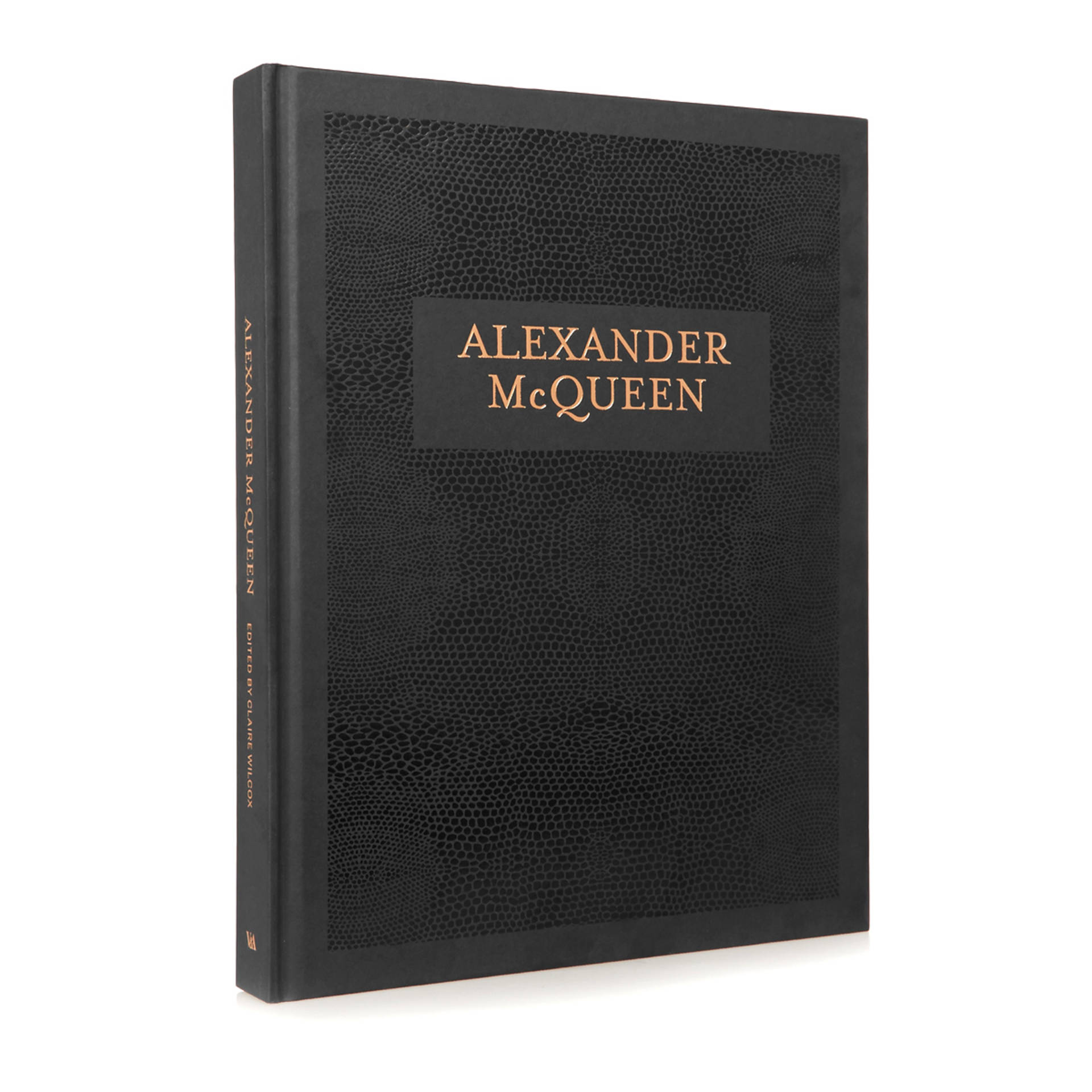
Alexander McQueen, born Lee Alexander McQueen in 1969, was a visionary British fashion designer who revolutionized haute couture through provocative runway shows, technical mastery of tailoring, and a dark, romantic aesthetic. His influence persists through the global luxury brand that bears his name, established in 1992 and now a cornerstone of the Kering group.
The Formative Years and Early Mastery
Lee Alexander McQueen was born in Lewisham, London, the youngest of six children. His path to international renown began not in the traditional ivory towers of design school, but on Savile Row. At age 16, he became an apprentice at Anderson & Sheppard, followed by a tenure at Gieves & Hawkes. This rigorous training in traditional British tailoring—mastering the art of the cut, the structure of a shoulder, and the fall of heavy wool—provided the technical foundation that would later allow him to deconstruct and reconstruct silhouettes with surgical precision.
His transition to high fashion occurred through enrollment at Central Saint Martins, where his graduate collection was famously purchased in its entirety by the influential stylist Isabella Blow. This partnership was instrumental in McQueen’s ascent, providing him with both professional advocacy and a muse who understood the underlying trauma and brilliance in his work.
The Rise of the Fashion Maverick
In 1992, McQueen launched his eponymous label, Alexander McQueen. He quickly gained a reputation as the "enfant terrible" of the fashion world, a moniker earned not through erratic behavior, but through his willingness to challenge industry norms. His early collections were marked by controversial themes—most notably "Highland Rape," which drew heavily on the history of the Jacobite uprisings—that pushed audiences to confront discomfort.
By 1996, his genius was recognized by the luxury conglomerate LVMH, which appointed him as the Creative Director of Givenchy. While the marriage between a punk-influenced radical and a historic French house was fraught with tension, it forced McQueen to adopt the discipline of the atelier while maintaining his unique, often morbid, creative vision. He famously described his time at Givenchy as "a rehearsal," refining the structural techniques he would later apply to his own house with absolute autonomy.
Iconic Runway Shows and Artistic Philosophy
McQueen transformed the fashion show from a mere garment presentation into a performative art piece. His runways were visceral, cinematic, and occasionally jarring experiences. The 1998 "No. 13" show, featuring model Shalom Harlow being spray-painted by robotic arms, remains one of the most significant moments in fashion history.
His philosophical approach frequently centered on the dichotomy between life and death, nature and technology, and beauty and ugliness. He was deeply inspired by the natural world—often utilizing avian imagery, floral motifs, and organic textures—juxtaposed with rigid, architectural tailoring. This juxtaposition created a "romantic gothic" style that defined his legacy, prioritizing emotional resonance over commercial trends.
The Legacy of Alexander McQueen in 2026
In 2026, the house of Alexander McQueen stands as a global pillar of the luxury sector, maintaining its commitment to craftsmanship under the stewardship of the Kering group. Since his passing in 2010, the brand has navigated the transition of creative leadership while staying true to the founder’s ethos of "savage beauty."
The brand today manages a complex balance between ready-to-wear collections, accessories, and the preservation of McQueen’s archival techniques. The "armadillo" shoe, a staple of his 2010 "Plato’s Atlantis" show, remains one of the most recognizable artifacts of his career, symbolizing the intersection of avant-garde sculpture and wearable art.
Comparative Analysis of McQueen’s Eras
The evolution of the brand can be categorized by the shifting focus of its creative direction, moving from the raw, rebellious intensity of the 90s to the refined, global luxury powerhouse status of the 2020s.
| Era | Primary Focus | Notable Characteristics | Key Influence |
|---|---|---|---|
| 1992–1996 | Radical Tailoring | Punk aesthetic, raw storytelling | Savile Row apprenticeship |
| 1996–2001 | Global Integration | Hybridization, haute couture scale | Givenchy tenure |
| 2001–2010 | Narrative Spectacle | Myth-making, digital innovation | Nature and history |
| 2010–2026 | Legacy Preservation | Archival reverence, commercial stability | Brand institutionalization |
Common Queries Regarding the McQueen Biography
Did Alexander McQueen have formal training in fashion design?
While McQueen attended Central Saint Martins for his postgraduate degree, his primary education was the apprenticeship system on Savile Row. This traditional tailoring background was the single most important factor in his ability to execute complex designs that defied gravity while maintaining structural integrity.
What is the most significant contribution of McQueen to modern fashion?
McQueen’s most significant contribution was the "democratization of the avant-garde." He introduced high-concept performance art into the commercial runway format, effectively blurring the lines between fashion, theater, and fine art. This shifted the fashion industry's focus from mere utility to emotional expression.
Is the Alexander McQueen label still owned by the designer's estate?
No, the Alexander McQueen brand is owned by the Kering group. The brand has been under Kering's portfolio for several years, ensuring that the house maintains the financial and logistical support necessary to remain at the forefront of the global luxury market.
What happened to the McQueen archive?
The archive is meticulously maintained by the house in London. It serves as an internal reference for the design team and has been featured in major retrospective exhibitions, such as "Savage Beauty," which have toured internationally, educating the public on the designer's methodology.
How can a researcher verify specific biographical facts?
For accurate biographical data, primary sources include the catalogs from the Metropolitan Museum of Art’s Costume Institute, records from the British Fashion Council, and official archival releases from the house of Alexander McQueen. Secondary sources should be cross-referenced with these institutions to ensure historical accuracy.
Next Steps for Fashion Researchers
For those interested in studying the work of Alexander McQueen in depth, the most productive path is to engage with the digital archives provided by the Victoria and Albert Museum (V&A) or the Metropolitan Museum of Art. These institutions provide verified chronologies of his collections, detailed analyses of his construction techniques, and scholarly context that surpasses general internet summaries. Accessing these official records ensures that your understanding of the "fashion maverick" remains rooted in documented history rather than myth.