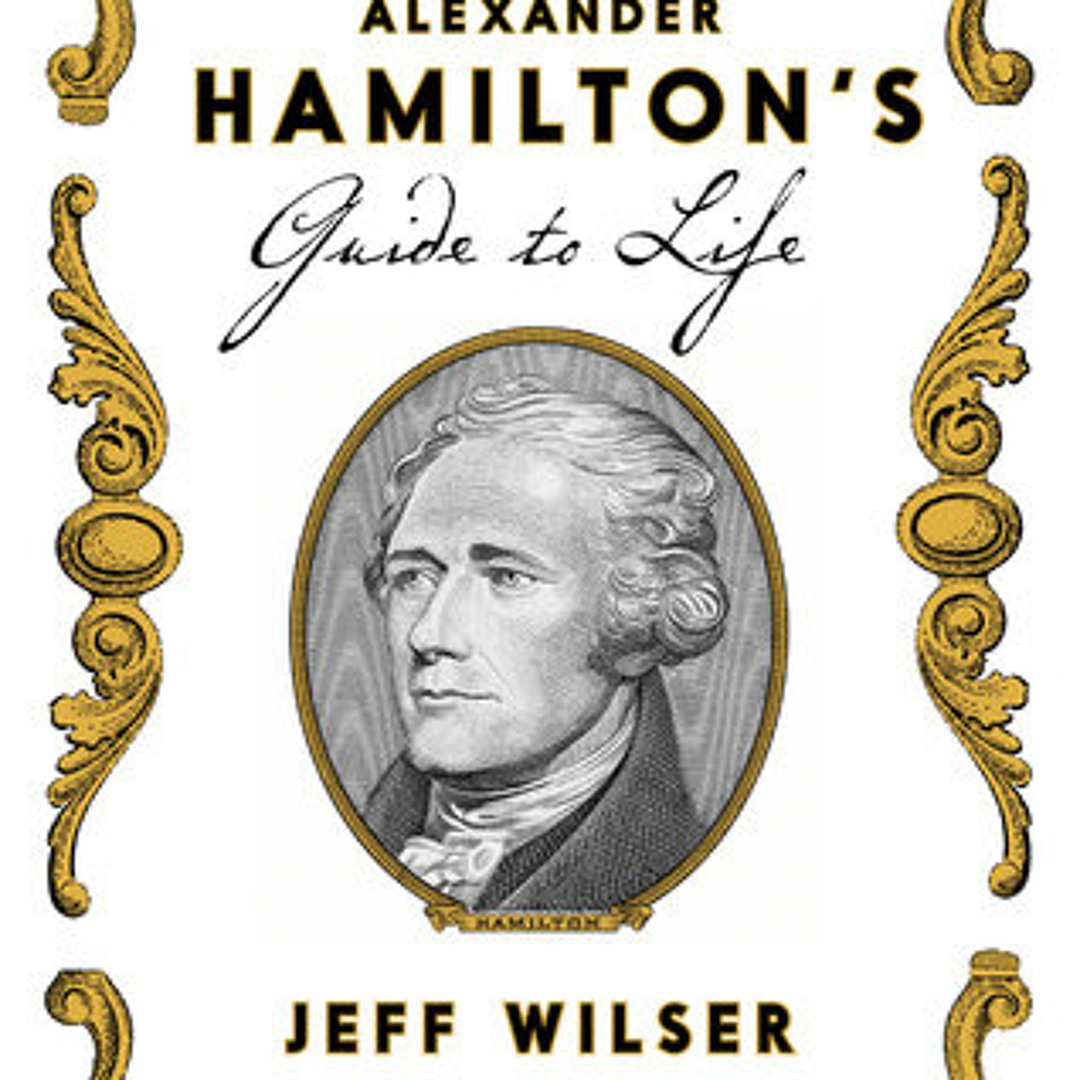
Alexander Hamilton’s enduring legacy is defined by a diverse array of foundational roles that shaped the institutional, financial, and legal framework of the United States. From serving as George Washington’s chief staff aide during the Revolutionary War to drafting the country's first fiscal policies as the inaugural Secretary of the Treasury, Hamilton occupied pivotal positions that cemented his status as one of America's most influential founding figures. Understanding his impact requires examining the specific offices he held, the responsibilities each entailed, and how his structural vision continues to influence modern governance.
The Revolutionary War Aide-de-Camp and Military Career
Before his contributions to American statecraft, Alexander Hamilton established his reputation on the battlefields and in the military command structures of the American Revolutionary War. Born in the West Indies, Hamilton arrived in the North American colonies as a student at King's College (now Columbia University) before joining the New York Provincial Artillery Company in 1776 as a captain. His tactical acumen and proficiency in artillery operations quickly drew the attention of senior commanders during the early campaigns around New York and New Jersey.
In March 1777, Hamilton accepted an appointment as an aide-de-camp to General George Washington, holding the rank of lieutenant colonel. In this critical role, Hamilton acted as Washington’s secretary, intelligence processor, and primary channel of communication with Congress, state governors, and fellow generals. Because Washington relied heavily on Hamilton's exceptional writing skills, drafting official correspondence and policy proposals, Hamilton gained an intimate, high-level view of the war's logistical and political complexities.
Frustrated by administrative desk work and eager for battlefield glory, Hamilton resigned his staff position in 1781 to secure a field command. Washington granted his request, assigning him to lead a light infantry battalion under the Marquis de Lafayette. During the pivotal Siege of Yorktown in October 1781, Hamilton commanded a decisive nighttime assault on Redoubt 10, a British fortification whose capture hastened the surrender of General Lord Cornwallis. This military service not only validated his leadership capabilities but also forged a professional alliance with Washington that would anchor Hamilton’s political career.
Legal Pioneer and Constitutional Framer
Following the conclusion of the Revolutionary War, Hamilton transitioned from military service to the law and politics, establishing himself as a formidable constitutional scholar and litigator. Admitted to the New York bar in 1782 after a brief period of intensive self-study, he quickly built a prominent legal practice in New York City. As an attorney, Hamilton handled landmark cases that helped define federal authority and constitutional rights, such as Rutgers v. Waddington (1784), which challenged the New York Trespass Act and established early precedents for judicial review and the supremacy of national treaties over state laws.
Hamilton's legal expertise directly informed his role as a delegate to the Constitutional Convention held in Philadelphia during the summer of 1787. Although his radical proposal for a highly centralized government—including a national executive serving during good behavior—was rejected by fellow delegates, Hamilton remained a vocal advocate for a robust, energetic federal republic. He signed the United States Constitution on September 17, 1787, committing himself entirely to securing its ratification against fierce anti-Federalist opposition.
Recognizing that the new charter required rigorous public defense, Hamilton orchestrated The Federalist Papers, a collection of 85 essays published in New York newspapers between 1787 and 1788. Writing under the pseudonym "Publius," Hamilton authored 51 of these essays, which remain among the most sophisticated commentaries on constitutional law and political philosophy in existence. His contributions, particularly in Federalist Nos. 1, 6–9, 11–13, 15–17, 21–36, 59–61, and 65–85, detailed the necessity of an energetic executive, an independent judiciary, and a unified commercial policy, proving decisive in convincing New York and other states to ratify the Constitution.
Architect of American Finance as Treasury Secretary
Appointed by President George Washington as the first United States Secretary of the Treasury in September 1789, Hamilton assumed the daunting task of stabilizing a bankrupt and fractured national economy. Operating without existing infrastructure, he built the Department of the Treasury from the ground up, instituting rigorous accounting methods, revenue collection protocols, and customs administration. His comprehensive financial program was articulated through a series of seminal congressional reports that fundamentally transformed the American economy.
Hamilton’s financial strategy rested on several interconnected pillars designed to establish national credit and bind the states to the federal government:
- Assumption of State Debts: In his Report on Public Credit (1790), Hamilton urged the federal government to assume the revolutionary war debts accumulated by individual states, creating a unified national debt that would signal fiscal reliability to foreign investors.
- Establishment of a National Bank: Inspired by the Bank of England, Hamilton advocated for the creation of the First Bank of the United States to manage government funds, issue uniform currency, and provide credit for commercial expansion, a proposal defended through his expansive interpretation of the Constitution’s "necessary and proper" clause.
- Promotion of Manufacturing: In his Report on Manufactures (1791), Hamilton outlined a protectionist vision utilizing tariffs, bounties, and infrastructure development to foster domestic industrialization and reduce American economic dependence on European powers.
- Funding the Debt: Hamilton established a sinking fund and proposed reliable revenue streams, primarily through import tariffs and excise taxes (such as the controversial whiskey tax), to ensure the prompt payment of interest to domestic and foreign bondholders.
These policies sparked intense partisan debate, dividing the Washington administration and giving rise to the First Party System. Thomas Jefferson and James Madison argued that Hamilton’s measures favored northern speculators, corrupted Congress, and infringed upon states' rights by consolidating excessive power in Washington, D.C. Despite this fierce opposition, Hamilton successfully steered his economic program through Congress, laying the foundation for modern American capitalism, public credit markets, and federal financial regulation.
Inspector General and Later Military Leadership
Even after resigning as Treasury Secretary in January 1795 to return to his lucrative legal practice, Hamilton retained significant influence over national security and military affairs. When relations between the United States and revolutionary France deteriorated into the Quasi-War (1798–1800), President John Adams—at the insistence of former President Washington—appointed Hamilton as Major General and Inspector General of the United States Army in July 1798.
In this senior military role, Hamilton was tasked with organizing, expanding, and modernizing the U.S. Army to prepare for a potential French invasion. He worked tirelessly to procure supplies, establish military academies, and draft strategic defense plans. Although ideological disputes with President Adams and the ultimate diplomatic resolution of the conflict prevented Hamilton from seeing major battlefield command during this tenure, his administrative restructuring of the armed forces proved invaluable to the early American military apparatus.
| Role / Position | Timeline | Key Contributions and Impact |
|---|---|---|
| Aide-de-Camp to General Washington | 1777–1781 | Managed official military correspondence, intelligence operations, and strategy; commanded the assault on Redoubt 10 at Yorktown. |
| Delegate to the Constitutional Convention | 1787 | Represented New York, signed the U.S. Constitution, and defended the document through heavy authorship of The Federalist Papers. |
| First Secretary of the Treasury | 1789–1795 | Designed the U.S. financial system, established public credit, founded the First Bank of the United States, and promoted manufacturing. |
| Inspector General of the Army | 1798–1800 | Organized and modernized the U.S. military forces during the Quasi-War crisis with France. |
Legal, Political, and Ideological Legacy
Alexander Hamilton’s influence extended far beyond the specific government offices he held. As the intellectual leader of the Federalist Party, he championed a vision of a modern, industrialized, and commercially vibrant nation backed by a powerful central government. His expansive interpretation of constitutional powers established the legal and administrative precedents that enabled the federal government to respond to national crises, regulate interstate commerce, and manage monetary policy for centuries to follow.
Hamilton’s enduring relevance is also visible in contemporary governance, where debates over executive authority, federal versus state power, and economic regulation frequently trace back to the ideological fault lines he drew against Jeffersonian republicans. Though his life was cut short following a fatal duel with Vice President Aaron Burr in July 1804, Hamilton's structural architecture of American finance and federal power remains foundational to the operation of the United States government today.
Frequently Asked Questions
What were Alexander Hamilton’s most important government roles?
Alexander Hamilton's most significant government roles included serving as aide-de-camp and lieutenant colonel to General George Washington during the Revolutionary War, delegate to the Constitutional Convention of 1787, the inaugural United States Secretary of the Treasury from 1789 to 1795, and Inspector General of the U.S. Army from 1798 to 1800. Each of these positions allowed him to directly shape the military, legal, and economic foundations of the nation.
How did Alexander Hamilton impact the United States economy as Treasury Secretary?
As the first Treasury Secretary, Hamilton stabilized the post-revolutionary U.S. economy by consolidating state and national debt, establishing the nation's public credit rating, creating the First Bank of the United States, and proposing protective tariffs and excise taxes to encourage domestic manufacturing and secure reliable federal revenues.
What was Alexander Hamilton’s contribution to The Federalist Papers?
Hamilton initiated the publication of The Federalist Papers and wrote 51 of the 85 essays published under the pseudonym "Publius." His essays provided deep theoretical justifications for a strong executive branch, a unified judicial system, and the ratification of the United States Constitution.
Why did Alexander Hamilton resign from the Treasury Department?
Hamilton resigned from his cabinet position in January 1795 primarily due to mounting financial pressures. Living on a government salary was insufficient to support his growing family in New York, prompting him to return to his private legal practice where he could earn a more substantial income.
What military role did Hamilton play during the Revolutionary War?
Hamilton served initially as an artillery captain before becoming a trusted aide-de-camp to General Washington. Later in the war, he requested a field command, leading a light infantry battalion that successfully captured Redoubt 10 during the decisive Siege of Yorktown in 1781.
How does Hamilton's legacy affect modern American governance?
Hamilton's advocacy for a strong central government and his broad interpretation of constitutional powers established the legal framework used today for federal oversight, monetary policy, and national defense. His financial systems also laid the groundwork for modern American banking and capital markets.
Securing Historical Understanding of Hamilton's Public Service
To gain a complete and accurate understanding of Alexander Hamilton’s historical significance, researchers and students should examine primary source documents such as The Papers of Alexander Hamilton, his official reports to Congress housed in National Archives collections, and his original essays in The Federalist Papers. Exploring these foundational texts provides direct insight into the administrative philosophy and legal reasoning that guided his key positions.