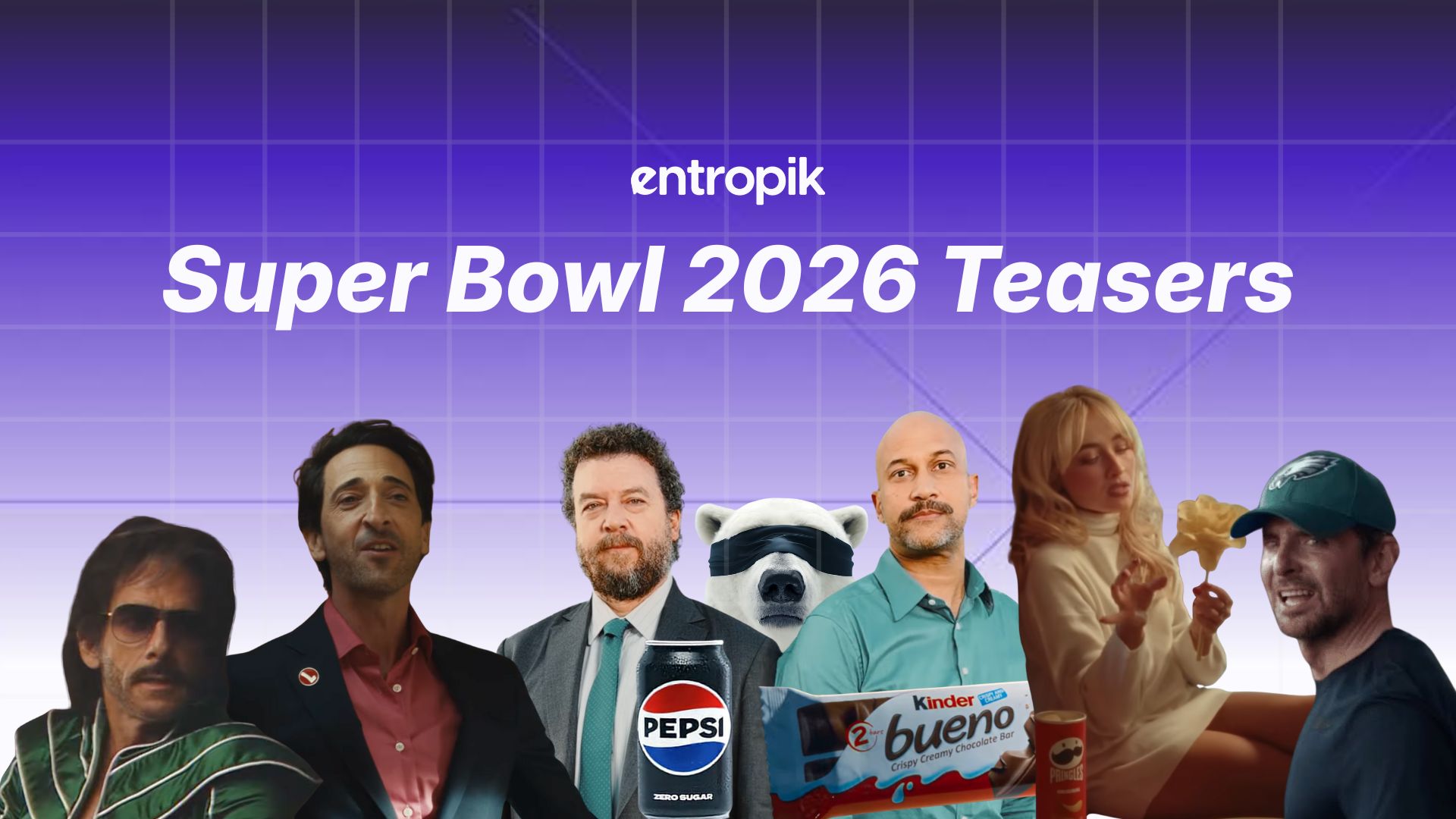
Amazon's strategic decision to feature a fictional scenario where Alexa temporarily loses her voice during a Super Bowl broadcast triggered a massive real-world marketing phenomenon. By seamlessly blending high-profile celebrity cameos with an interactive narrative premise, the campaign captured public attention, dominated social media discourse, and redefined how brands leverage high-stakes television advertising.
The Strategy Behind the Big Game Broadcast
When major corporations invest millions of dollars into commercial airtime during the annual National Football League championship game, the overarching objective is to transcend the traditional boundaries of television viewing and achieve multi-platform cultural penetration. Amazon's approach capitalized on the ubiquity of its voice-controlled ecosystem by posing a playful yet disruptive hypothetical question: What happens if Alexa loses her voice?
The narrative framework of the advertisement relied on a high-concept premise designed to elicit immediate recognition and empathy from millions of households worldwide. By interrupting the standard functional demonstration of smart home devices with a narrative crisis, the production elevated a standard corporate product showcase into a cinematic event. This creative shift transformed passive viewers into active participants who immediately began discussing the implications of a silent digital assistant across digital networks.
Furthermore, the timing of the broadcast served as a masterclass in audience capture. With tens of millions of viewers tuned in simultaneously, the commercial leveraged the collective viewing experience of the Super Bowl to maximize initial exposure. The choice of tone—humorous, accessible, and self-referential—ensured that the message resonated across diverse demographic segments, from tech-savvy early adopters to mainstream consumers encountering smart home technology for the first time.
Star-Studded Cameos and Narrative Execution
A critical engine behind the viral momentum of the campaign was its carefully curated roster of celebrity replacements, who stepped in to field everyday consumer queries when the primary digital assistant went offline. This casting strategy introduced an unpredictable, comedic element that kept audiences engaged from the opening seconds of the spot until the final punchline.
Famous personalities from various sectors of entertainment and cuisine brought distinct vocal styles and comedic timing to the fictional operational disruption. Rather than relying solely on corporate messaging, the commercial utilized these recognizable figures to humanize the technology and create memorable, highly shareable vignettes. Each celebrity interaction highlighted a different use case for the hardware, ranging from complex culinary instructions to basic weather inquiries, all delivered with signature flair.
The execution balanced technical demonstration with pure entertainment. The seamless editing allowed the narrative to pivot rapidly between different households, maintaining a breakneck pace that mirrored the energy of the broadcast event itself. This sophisticated production value ensured that the advertisement stood out amidst a crowded field of high-budget competitors vying for consumer attention during the game.
Key Elements of the Marketing Campaign
| Campaign Component | Strategic Objective | Execution Method |
|---|---|---|
| Broadcast Placement | Maximum initial reach | Airing during high-viewership quarters of the Super Bowl |
| Narrative Hook | Audience engagement and curiosity | Simulating a complete outage of the core AI assistant |
| Celebrity Integration | Cultural resonance and humor | Deploying recognizable public figures as temporary replacements |
| Digital Amplification | Cross-platform virality | Prompting real-time social media reactions and user-generated content |
Social Media Amplification and Real-Time Reactions
The transition from a televised broadcast to a digital viral phenomenon occurred almost instantaneously as viewers took to platforms like Twitter, Instagram, and Facebook to share their real-time reactions. The shock value of seeing a ubiquitous household brand humorously disable its own flagship product created an immediate conversational hook that transcended traditional advertising critiques.
Viewers began posting jokes, memes, and personal anecdotes about their own reliance on smart home technology, effectively turning the commercial into a collaborative cultural moment. This organic amplification was further supported by coordinated digital marketing efforts that responded to consumer reactions in real time, maintaining high engagement levels long after the final whistle of the game had blown.
The viral momentum demonstrated the power of participatory advertising. By leaving narrative space for the audience to interpret, question, and expand upon the premise, the campaign generated millions of impressions that extended far beyond the paid media buy. Industry analysts quickly pointed to the campaign as a benchmark for how modern brands can successfully orchestrate cross-channel dialogue during major televised events.
Long-Term Impact on Smart Home Marketing
The success of the shocking viral moment permanently altered the strategic playbook for marketing voice-activated technologies and consumer electronics. Prior to this campaign, device manufacturers heavily emphasized technical specifications, hardware improvements, and functional utility in their promotional materials.
Following the broadcast, the industry shifted toward emotionally resonant, character-driven storytelling that prioritized consumer lifestyle integration over raw feature lists. Brands recognized that humanizing artificial intelligence and acknowledging the occasional absurdity or friction of smart home integration could foster deeper brand loyalty and consumer trust.
Moreover, the campaign established a new standard for multi-screen engagement during live broadcasts. Future marketing strategies increasingly incorporated real-time social components, anticipating that consumers would be second-screening while watching major televised events. This structural evolution cemented the idea that a successful advertisement must function not merely as a standalone film, but as an interactive catalyst for wider digital conversations.
Common Misconceptions Regarding the Broadcast
Despite the widespread cultural impact of the commercial, several persistent myths regarding its production and execution continue to circulate among casual observers and marketing students alike. Addressing these misconceptions provides a clearer understanding of the mechanics behind high-stakes corporate advertising campaigns.
One common misunderstanding is that the broadcast was entirely unscripted or represented an actual system failure experienced by real consumers. In reality, every second of the production was meticulously planned, legally cleared, and timed to fit within strict network broadcast windows. The illusion of spontaneity was a product of rigorous comedic timing and professional editing rather than improvised performance.
Another frequent assumption is that the campaign relied solely on television viewership to achieve its viral status. In truth, the television spot served merely as the primary catalyst for a comprehensive digital ecosystem that included pre-released teaser clips, dedicated social media response teams, and post-broadcast engagement strategies designed to sustain public interest for weeks following the event.
Frequently Asked Questions
What was the core premise of the viral commercial?
The advertisement centered on a fictional scenario where the primary voice assistant loses its voice, forcing a diverse group of celebrity replacements to step in and answer everyday consumer questions. This humorous disruption created an immediate narrative hook that captured viewer attention.
Why did the campaign generate such massive social media engagement?
The campaign succeeded by combining high-profile celebrity cameos with a relatable, self-deprecating premise about modern reliance on technology. This encouraged viewers to share their own reactions and jokes online, turning a standard commercial into an interactive cultural moment.
How did the commercial affect subsequent smart home advertising?
The campaign demonstrated the effectiveness of emotional storytelling and humor over dry technical specifications. It encouraged consumer technology brands to adopt more character-driven, lifestyle-focused marketing strategies that acknowledge the realities of using smart devices.
Was the system outage depicted in the commercial real?
No, the outage was entirely fictional and scripted for entertainment purposes. The device did not experience a real-world technical failure during the broadcast, and all interactions shown on screen were carefully coordinated productions.
What role did celebrity cameos play in the campaign's success?
The celebrity replacements injected high-energy humor and broad cultural appeal into the narrative. By utilizing recognizable figures from entertainment and cuisine, the brand ensured that the advertisement resonated across diverse demographic groups and generated memorable, highly shareable vignettes.
Strategic Next Actions for Industry Marketers
Professionals analyzing this campaign for future branding initiatives should focus on integrating participatory narrative elements into their media planning. Rather than relying on static product demonstrations, marketing teams ought to design campaigns that invite consumer interpretation, foster cross-platform dialogue, and embrace self-referential humor. Ensuring that a broadcast spot functions as a catalyst for broader digital conversation remains the most reliable pathway to achieving sustainable viral impact in contemporary media markets.