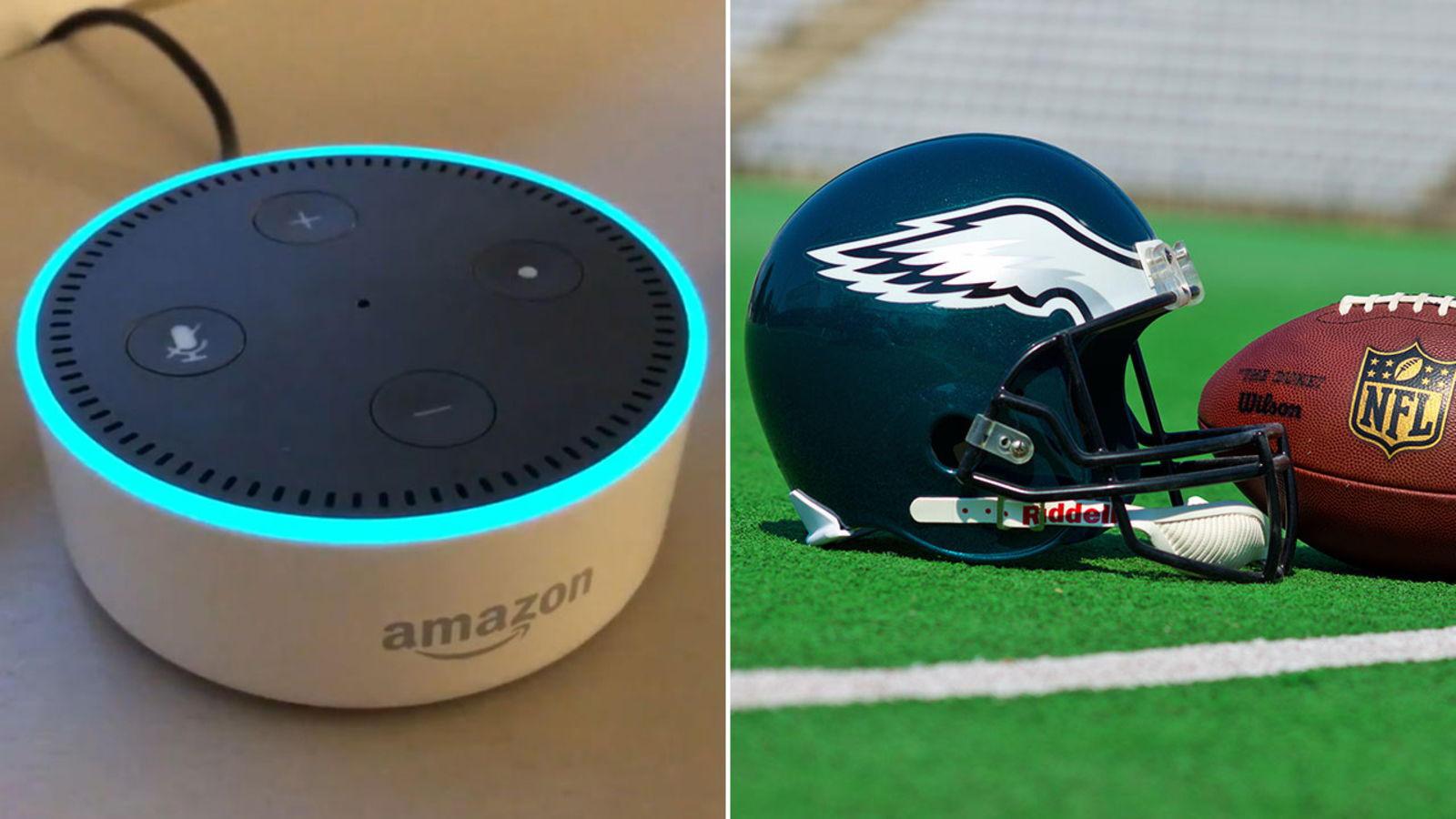
The 2018 Amazon Super Bowl commercial, titled "Alexa Loses Her Voice," humorously imagined what would happen if Amazon’s voice assistant suddenly lost her ability to speak, forcing celebrities like Cardi B, Rebel Wilson, Anthony Hopkins, and Gordon Ramsay to step in and answer everyday smart-home queries. Beyond its star-studded comedy, the ad served as a masterclass in brand positioning, market dominance, and normalizing artificial intelligence within mainstream domestic life.
The Narrative Blueprint: What the 2018 Ad Actually Showed
The commercial opens in a typical modern kitchen where a young woman issues a standard voice command to her Amazon Echo device: "Alexa, play country music." Instead of the familiar, calm digital response, the device coughs, stutters, and announces that Alexa has lost her voice. Panic ensues at Amazon headquarters, where executives scramble to find temporary human replacements to keep millions of smart devices operational worldwide.
This premise sets up a rapid-fire sequence of absurd domestic interactions handled by high-profile celebrity stand-ins. When a user asks a simple weather query, Rebel Wilson responds with chaotic, pool-side irreverence while lounging on a float. When a user asks how to make grilled cheese, celebrity chef Gordon Ramsay insults the user's culinary competence instead of offering a helpful recipe. When another user requests romantic mood music, Anthony Hopkins delivers an unsettlingly intense psychological critique. Finally, rapper Cardi B takes over to handle a query about playing trap music, bringing her trademark high-energy personality and literal interpretation of requests into a mundane suburban living room.
The spot concludes with Amazon CEO Jeff Bezos receiving assurance that the human stand-ins are doing a fine job, right before the real Alexa returns—only for a user to ask Cardi B to take over again, capping the ad on a self-deprecating comedic note.
Strategic Marketing and Production Context
Airing during Super Bowl LII in February 2018, the commercial represented a pivotal moment for Amazon’s hardware division. By 2018, smart speakers powered by voice assistants had transitioned from niche geek novelties to mainstream consumer electronics. Amazon’s Echo lineup, powered by Alexa, held a commanding market share lead over competitors like Google Home and Apple’s HomePod, which was preparing for its market debut around the same time.
Amazon did not buy just any ad space; they invested in a prominent, high-cost platform during the second quarter of the game to maximize cultural penetration. The casting strategy relied on extreme contrast. Pairing a neutral, obedient AI with notoriously volatile, opinionated, and distinct public personalities created immediate comedic tension.
| Celebrity Stand-In | Domain / Query Type | Character Dynamic in Ad | Consumer Takeaway |
|---|---|---|---|
| Rebel Wilson | Weather & Leisure | Unorthodox, breezy, chaotic | AI tasks can be surprisingly casual and unpredictable. |
| Gordon Ramsay | Culinary Instructions | Aggressive, critical, demanding | Human personalities bring friction that software eliminates. |
| Anthony Hopkins | Ambient / Mood Lighting | Dramatic, theatrical, intense | Technology mediates human emotion and environment. |
| Cardi B | Music Playback | Energetic, literal, unfiltered | Voice assistants connect pop culture directly to home routines. |
Normalizing the Invisible Interface
At its core, the 2018 commercial addressed a major psychological barrier in consumer technology: the uncanny nature of talking to an inanimate object. By personifying the system—and then playfully breaking that persona—Amazon made the technology feel more approachable and culturally integrated.
Voice-first interfaces represent a profound shift from graphical user interfaces. Users do not click, swipe, or read menus; they speak commands into open air. In the early years of smart speakers, consumers frequently felt self-conscious talking to empty rooms. By injecting humor and pop culture icons into the ecosystem, the ad validated the awkwardness of human-computer interaction. It suggested that talking to your kitchen counter is not weird or dystopian; rather, it is a shared cultural experience populated by the same celebrities everyone watches on television.
Furthermore, the commercial subtly reinforced the ubiquity of the Echo device. By showing Alexa failing across wildly different households—from suburban kitchens to upscale bachelor pads—Amazon visually communicated that their hardware was already everywhere, serving every demographic imaginable.
Technical Ambition and the Illusion of Omnipresence
While the commercial was framed as a humorous disaster scenario, it highlighted the technical complexity of conversational AI. In 2018, natural language processing (NLP) was advancing rapidly, but managing context, intent recognition, and multi-turn dialogue remained challenging.
The ad played on the contrast between literal machine obedience and human unpredictability. When the real Alexa speaks, her responses are optimized for speed, neutrality, and accuracy. The celebrity replacements, by contrast, injected bias, emotion, and ego into the data loop. This dynamic underscored the invisible engineering required to make a voice assistant feel seamless. Behind every simple weather report or music queue lies a complex cloud infrastructure parsing acoustic signals, executing intent models, and retrieving data in milliseconds.
| Feature / Metric | 2018 Technical Landscape | Current 2026 Status |
|---|---|---|
| Primary Interaction | Rule-based NLP and keyword matching | Large language model (LLM) integration |
| Context Retention | Single-turn or limited multi-turn memory | Deep conversational context and memory |
| Ecosystem Scale | Millions of standalone Echo devices | Ubiquitous ambient intelligence across IoT |
| Personality Options | Static voice profiles | Customizable tones, accents, and advanced AI agents |
Cultural Impact and Long-Term Brand Legacy
The commercial became one of the most talked-about spots of Super Bowl LII, topping various post-game ad meters and generating massive earned media across social platforms. For Cardi B, the appearance coincided with the explosive rollout of her debut studio album, cementing her crossover appeal. For Amazon, the spot reinforced Alexa not merely as a utilitarian tool for checking the weather or setting kitchen timers, but as a lifestyle brand intertwined with modern entertainment.
Looking back, the 2018 ad captured an inflection point where tech giants transitioned from selling hardware specifications to selling cultural participation. Amazon did not list processor speeds or microphone array counts; instead, they sold an identity where interacting with an algorithm feels as natural as arguing with a celebrity roommate.
Frequently Asked Questions
What celebrities appeared in the 2018 Amazon Alexa Super Bowl commercial?
The commercial featured Rebel Wilson, Anthony Hopkins, Gordon Ramsay, and Cardi B as temporary replacements for Alexa. Amazon CEO Jeff Bezos also made a brief cameo appearance near the end of the spot.
Why did Amazon pull Alexa's voice in the commercial's storyline?
The narrative device of Alexa catching a cold and losing her voice allowed Amazon to showcase human celebrity stand-ins, creating comedic friction and highlighting how dependent modern households had become on voice-controlled assistants.
How did the 2018 Super Bowl ad impact Amazon's market position?
The commercial reinforced Amazon Echo's market leadership during a period of intense competition in the smart speaker sector, successfully humanizing the brand and driving high consumer engagement and social media sharing.
Were the celebrity voice replacements ever made available as actual Alexa features?
While Amazon occasionally rolled out limited-time celebrity voice features (such as using celebrity voices for specific prompts or alarms in subsequent years), the exact personas from the 2018 ad were not permanently integrated as full system replacements due to licensing agreements and technical constraints of the era.
What song plays during the Cardi B segment of the commercial?
The segment features Cardi B's high-energy persona responding to a music request, highlighting her mainstream cultural dominance during her breakout year in 2018.
Strategic Next Actions for Smart Home Enthusiasts
If you are evaluating modern voice assistant ecosystems or looking to optimize your smart home setup, focus on interoperability, privacy settings, and ecosystem integration rather than marketing novelties. Review device permissions, audit recorded voice history regularly, and ensure your hardware supports secure local processing standards like Matter and Thread for improved reliability and data protection.