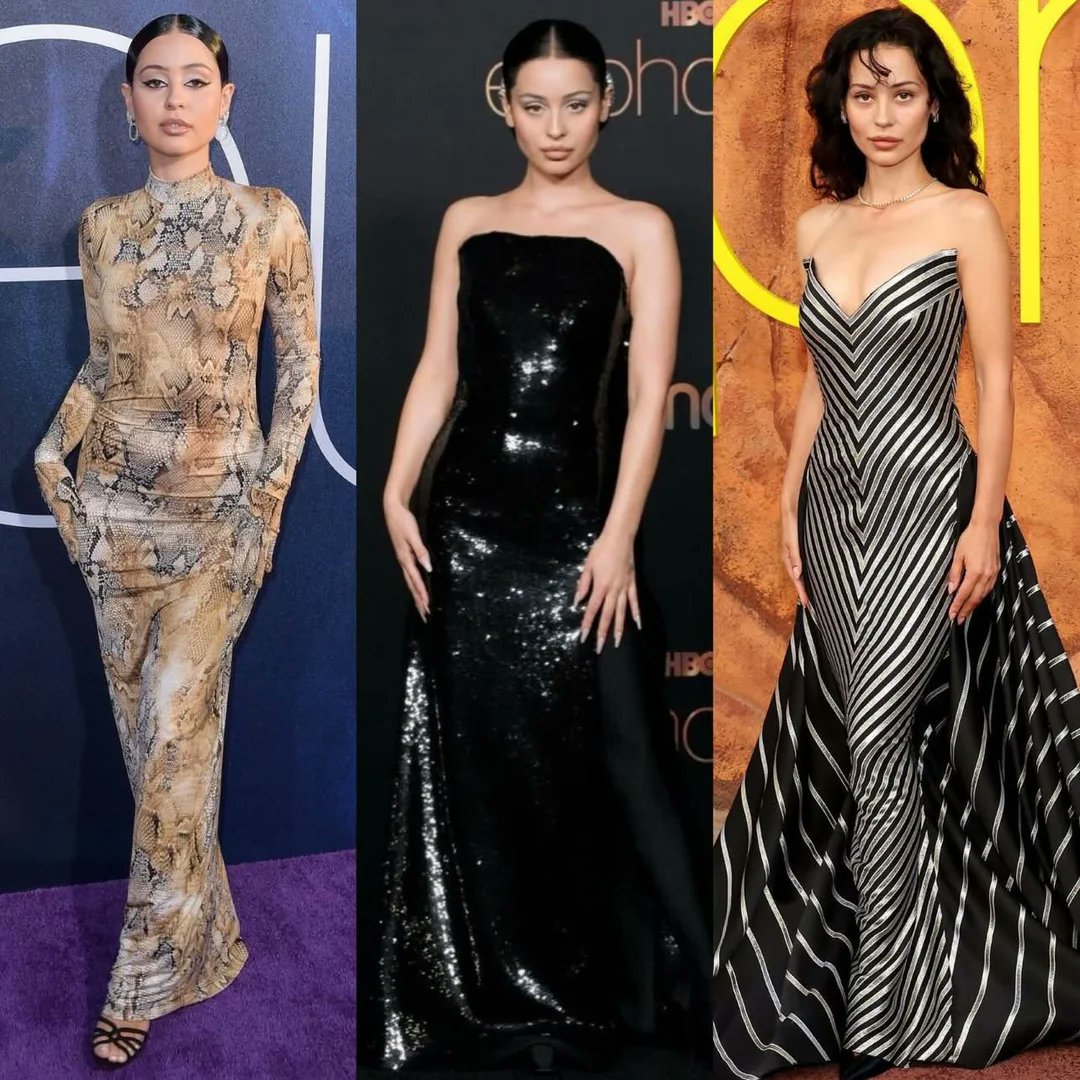
The dynamic between Alexa Demie and Sydney Sweeney reflects a classic Hollywood dichotomy where two distinct acting styles, public personas, and aesthetic brands coexist under intense media scrutiny. While tabloid culture frequently attempts to construct a narrative of rivalry or tension between the two breakout stars of HBO's Euphoria, available evidence from public appearances, interviews, and industry interactions points toward a standard professional relationship defined by mutual respect rather than personal conflict or deep-seated animosity.
The Origins of the On-Screen Dynamic in Euphoria
To understand the public fascination with the relationship between Alexa Demie and Sydney Sweeney, one must examine the television series that propelled them to global stardom. Created by Sam Levinson, Euphoria places Demie and Sweeney in roles that occupy vastly different social spheres within the fictional high school ecosystem. Demie portrays Maddy Perez, a confident, fiercely protective, and sharp-tongued fashion icon, while Sweeney plays Cassie Howard, an emotionally vulnerable, validation-seeking teenager caught in a web of complex romantic entanglements.
Throughout the first and second seasons, the characters' relationship undergoes a dramatic evolution, transitioning from close friendship to bitter betrayal after Cassie engages in a secret relationship with Maddy's ex-boyfriend, Nate Jacobs. This intense fictional conflict required both actresses to execute emotionally exhausting confrontation scenes, most notably the explosive bathroom meltdown in Season 2. The sheer realism and emotional weight of these scenes often lead casual viewers to conflate dramatic on-screen friction with off-screen hostility, blurring the line between scripted character arcs and real-life interpersonal dynamics.
Public Interactions and Red Carpet Behavior
Analyzing off-screen behavior provides the most reliable metric for evaluating whether two public figures are friendly or estranged. During press tours, promotional events, and award shows, Demie and Sweeney have consistently displayed professional courtesy and warmth toward one another. Industry events often place high demands on ensemble casts, requiring them to pose together for promotional photography and participate in shared interviews.
Reviewing footage and press coverage from major events reveals several consistent behavioral patterns:
- Cooperative Press Engagement: Both actresses speak respectfully about each other's artistic contributions to Euphoria during press junkets, frequently praising one another's dedication to their respective character arcs.
- Physical Proximity and Body Language: On red carpets, Demie and Sweeney maintain open posture, smiling and posing together without exhibiting signs of avoidance or defensive body language.
- Independent Career Trajectories: Following their breakout success on the series, both actresses have intentionally pursued divergent career paths, reducing the frequency of direct professional overlap and minimizing opportunities for fabricated tabloid comparisons.
Contrast of Star Personas and Aesthetic Branding
The perception of a "frenemy" dynamic often stems less from personal interaction and more from the distinct public personas cultivated by each actress and their respective management teams. In the modern entertainment industry, contrasting public images frequently invite media outlets to construct competitive binaries, pitting performers against one another in terms of style, marketability, and critical acclaim.
| Feature | Alexa Demie | Sydney Sweeney |
|---|---|---|
| Primary Aesthetic | Retro-noir glamour, minimalist luxury, elusive vintage Hollywood | Classic Americana, bombshell romanticism, accessible modern elegance |
| Media Presence | Highly private, selective interviews, curated and enigmatic social media presence | Active public engagement, frequent brand partnerships, transparent interview style |
| Breakout Archetype | The uncompromising, sharp-witted stylistic trendsetter | The versatile emotional lead navigating high-stakes dramatic material |
| Post-Euphoria Focus | Independent film projects, high-fashion collaborations, music-adjacent ventures | Major studio romantic comedies, psychological thrillers, independent production ventures |
This stylistic divergence explains why some commentators frame them as opposing forces in contemporary pop culture. However, different aesthetic choices and career strategies do not constitute interpersonal conflict; rather, they demonstrate how modern actors carve out unique niches to avoid typecasting.
Tabloid Culture and the Construction of Hollywood Feuds
The entertainment media ecosystem relies heavily on narrative archetypes, with the "female rivalry" trope standing out as one of the most persistent and lucrative. Whenever two young actresses achieve simultaneous prominence within the same prestige television project, media outlets frequently search for subtle slights, missed social media interactions, or minor scheduling conflicts to frame them as adversaries.
Psychological and media studies indicate that audiences enjoy consuming competitive narratives because they mirror traditional dramatic structures. However, industry insiders routinely note that the daily realities of television production require high levels of collaboration and trust, particularly for scenes involving intense emotional vulnerability or physical confrontation. The technical demands of filming Euphoria necessitate a supportive working environment, making genuine behind-the-scenes friction counterproductive to the creative process.
Career Trajectories and Industry Positioning
Beyond the immediate scope of their breakthrough series, both performers have established distinct trajectories that further separate them from the narrow confines of tabloid rivalries. Demie has cultivated a reputation as a high-fashion icon and selective cinematic performer, aligning herself with luxury design houses and carefully choosing projects that emphasize visual storytelling and auteur collaboration. Her public scarcity adds to an enigmatic mystique that separates her from traditional celebrity culture.
Conversely, Sweeney has pursued a prolific output across multiple genres, establishing her own production company, Fifty-Fifty Films, to develop projects in which she acts as both star and producer. By expanding into independent film financing and diverse commercial roles, Sweeney actively manages her professional destiny. These differing business models and artistic goals indicate that neither actress is competing directly in the same lane, rendering the concept of a genuine frenemy dynamic obsolete.
Assessing the Reality Behind the Headlines
When weighing the available evidence, the notion that Alexa Demie and Sydney Sweeney are locked in a behind-the-scenes feud lacks substantive support. Their interactions are characterized by professional respect, shared acclaim for their work on Euphoria, and distinct career paths that minimize professional friction. The perception of rivalry exists primarily within tabloid framing and fan culture, which often struggles to separate fictional character conflicts from the real lives of the actors portraying them.
Maximizing Objectivity in Celebrity Culture Analysis
Evaluating celebrity relationships requires separating verified public data from speculative entertainment journalism. Readers seeking to maintain an objective perspective on contemporary pop culture should consider the following actionable guidelines:
- Examine Primary Sources: Rely on direct interviews, verified red carpet appearances, and official statements rather than anonymous tabloid sources or unverified social media commentary.
- Recognize Narrative Tropes: Understand that media outlets frequently weaponize the success of women in entertainment by manufacturing competitive friction where none exists.
- Evaluate Professional Context: Assess whether two performers operate in identical career niches or pursue distinct artistic paths that preclude direct competition.