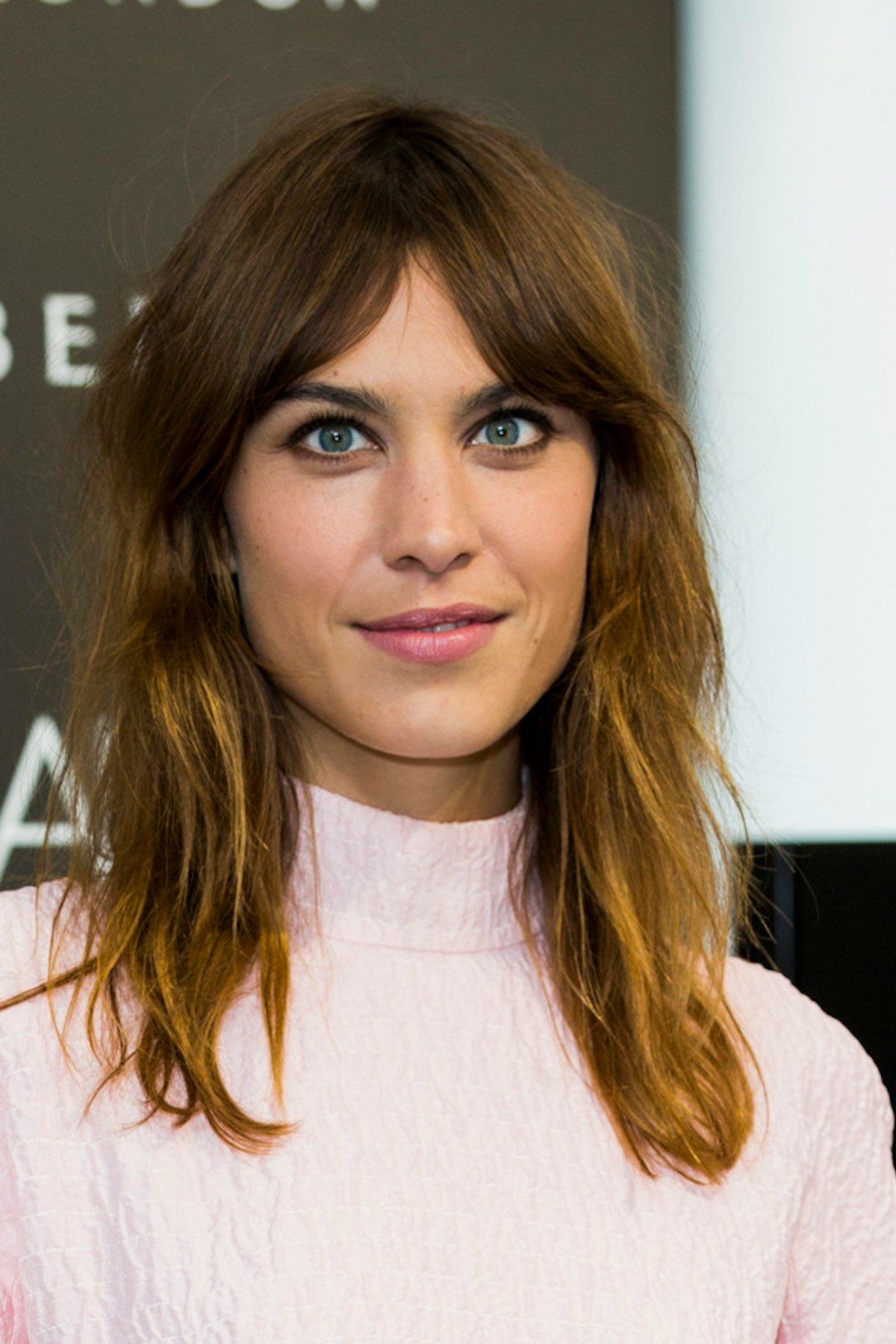
Alexa Chung and Harry Styles represent a rare convergence in contemporary culture where personal presentation, heritage revival, and high-fashion curation intersect. While neither operates as a traditional corporate styling duo, their parallel trajectories through British pop culture have cemented them as a generational fashion power pairing. By blending traditional tailoring, vintage archival pieces, and a distinct nonchalance, they have collectively shaped how modern audiences interpret gender-fluid dressing, festival attire, and red-carpet subversion.
The Foundations of Individual Aesthetic Identity
To understand why Alexa Chung and Harry Styles function so cohesively as cultural style touchstones, one must examine their distinct yet complementary visual origins. Alexa Chung emerged in the mid-2000s as a defining figure of indie sleaze and modern preppiness. Her signature look—combining vintage babydoll dresses with chunky knitwear, Wellington boots at music festivals, and tailored blazers—pioneered a high-low dressing philosophy that democratized designer fashion. She later formalized this ethos through her eponymous fashion line and collaborations with brands like Barbour, AG Jeans, and Marks & Spencer, establishing herself as an arbiter of understated British chic.
Harry Styles underwent a parallel stylistic evolution, transitioning from a boy-band member in standard high-street apparel to a global fashion maverick. Guided by stylist Harry Lambert, Styles reintroduced 1970s maximalism, feather boas, lace blouses, and custom Gucci tailoring to the mainstream consciousness. By routinely blurring historical gender boundaries in clothing, Styles challenged conventional menswear norms. When viewed side-by-side, Chung’s effortless, slightly disheveled London cool and Styles’ theatrical, vintage-inflected extravagance form a complete portrait of modern British style versatility, balancing restraint with performative flair.
Shared Style DNA: Archives, Tailoring, and Nostalgia
Despite their different points of emphasis, Chung and Styles share core foundational elements that explain their enduring appeal as a fashion duo. Both creators rely heavily on fashion history, frequently drawing inspiration from the 1960s, 70s, and 90s subcultures. This shared appreciation for archival fashion creates a visual harmony whenever their public appearances or aesthetic choices intersect.
The following table outlines the key stylistic pillars that define their respective wardrobes and contribute to their status as a unified cultural phenomenon:
| Stylistic Pillar | Alexa Chung’s Interpretation | Harry Styles’ Interpretation |
|---|---|---|
| Tailoring & Suiting | Oversized blazers, cropped trousers, and masculine-feminine contrasts borrowed from traditional Savile Row aesthetics. | Flared trousers, double-breasted velvet suits, and bright, whimsical color palettes by houses like Gucci and S.S. Daley. |
| Footwear Choices | Mary Janes, loafers, Chelsea boots, and practical footwear paired with evening wear. | Gucci loafers, heeled boots, and statement sneakers that anchor eclectic ensembles. |
| Textile & Pattern | Gingham, tweed, corduroy, and muted florals that reference classic British countryside heritage. | Sequin embellishments, sheer lace, mohair knits, and bold, retro geometric prints. |
| Accessory Philosophy | Minimalist vintage leather bags, delicate gold jewelry, and statement eyewear. | Pearl necklaces, signet rings, oversized sunglasses, and theatrical layering pieces. |
The Cultural Impact of Gender-Fluidity and British Heritage
The modern fashion landscape places a high value on authenticity and cross-genre appeal, two areas where Chung and Styles exert considerable influence. British fashion has historically thrived on subversion—from punk to the New Romantics—and both figures carry this lineage forward. Chung translates heritage brands into contemporary wardrobes, proving that waxed jackets and tweed can remain relevant to younger urban demographics. Styles expands the boundaries of male celebrity dressing, normalizing garments historically relegated to women's haute couture.
This cross-pollination has influenced independent designers and major luxury houses alike. The revival of interest in heritage British textiles, vintage retail sourcing, and non-binary red-carpet styling directly correlates with the public visibility of these two figures. By championing smaller independent labels alongside legacy houses, they maintain a curatorial credibility that resonates with fashion critics and consumers.
Navigating Public Perception and Archival Revival
Maintaining long-term influence in the fashion industry requires more than wearing expensive clothing; it demands a coherent narrative. For Chung and Styles, this narrative is rooted in accessibility mixed with aspiration. Chung’s transition from television presenter to contributing editor for British Vogue and established designer gave her academic and industrial backing. Styles’ partnership with Alessandro Michele during his tenure at Gucci transformed red-carpet appearances into historical fashion moments that sparked global discourse.
Critics often point out that their appeal lies in a calculated nostalgia. However, the execution feels organic because both individuals integrate these historical references into their everyday public personas. Whether Chung is front-row at London Fashion Week or Styles is headlining Coachella in custom kaleidoscopic knitwear, their style choices feel like extensions of their identities rather than transient marketing campaigns.
Frequently Asked Questions
Are Alexa Chung and Harry Styles an official styling duo or business partners?
No, Alexa Chung and Harry Styles are independent style icons rather than a formal business partnership or styling team. Their status as a "power duo" is a cultural observation made by fashion critics and fans who note their complementary aesthetic influence on modern British fashion, shared affinity for vintage archives, and parallel trajectories in redefining contemporary dressing.
How has Alexa Chung influenced modern British style?
Alexa Chung popularized the high-low dressing model, seamlessly blending high-end designer pieces with high-street items and vintage finds. Her signature aesthetic—combining indie-rock elements with classic British preppy staples like trench coats, Mary Janes, and knitwear—defined the indie sleaze era and continues to influence contemporary capsule wardrobes.
What brands are most commonly associated with Harry Styles' wardrobe?
Harry Styles is most famously associated with Gucci, having served as a muse and ambassador for the brand under Alessandro Michele. He also frequently wears bespoke designs from emerging British and international talents, including S.S. Daley, Bode, and Harris Reed, specializing in gender-fluid tailoring and vintage-inspired knitwear.
What role does vintage fashion play in their respective wardrobes?
Vintage and archival fashion form the foundation of both figures' personal styles. Both regularly incorporate pieces from previous decades—ranging from 1960s mod tailoring to 1970s rock-and-roll decadence—into high-profile appearances, helping to popularize sustainable shopping habits and vintage sourcing among mainstream consumers.
Can everyday consumers replicate their aesthetic approach?
Yes, consumers can replicate their style by focusing on foundational investment pieces such as well-tailored blazers, quality knitwear, vintage accessories, and classic footwear. The core philosophy centers on mixing eras and balancing structured garments with relaxed, effortless layering rather than relying on specific luxury labels.
Next Actions for Fashion Enthusiasts
For those looking to draw inspiration from the Chung-Styles aesthetic paradigm, the most effective approach begins with auditing one's existing wardrobe for heritage basics and tailoring. Prioritize sourcing durable, classic outer layers, investing in versatile footwear like loafers or Mary Janes, and exploring local vintage archives for unique statement pieces. Rather than attempting to replicate exact designer looks, focus on the underlying principle of personal curation: blending classic tailoring with unexpected, textural contrasts to build a timeless, individual wardrobe.