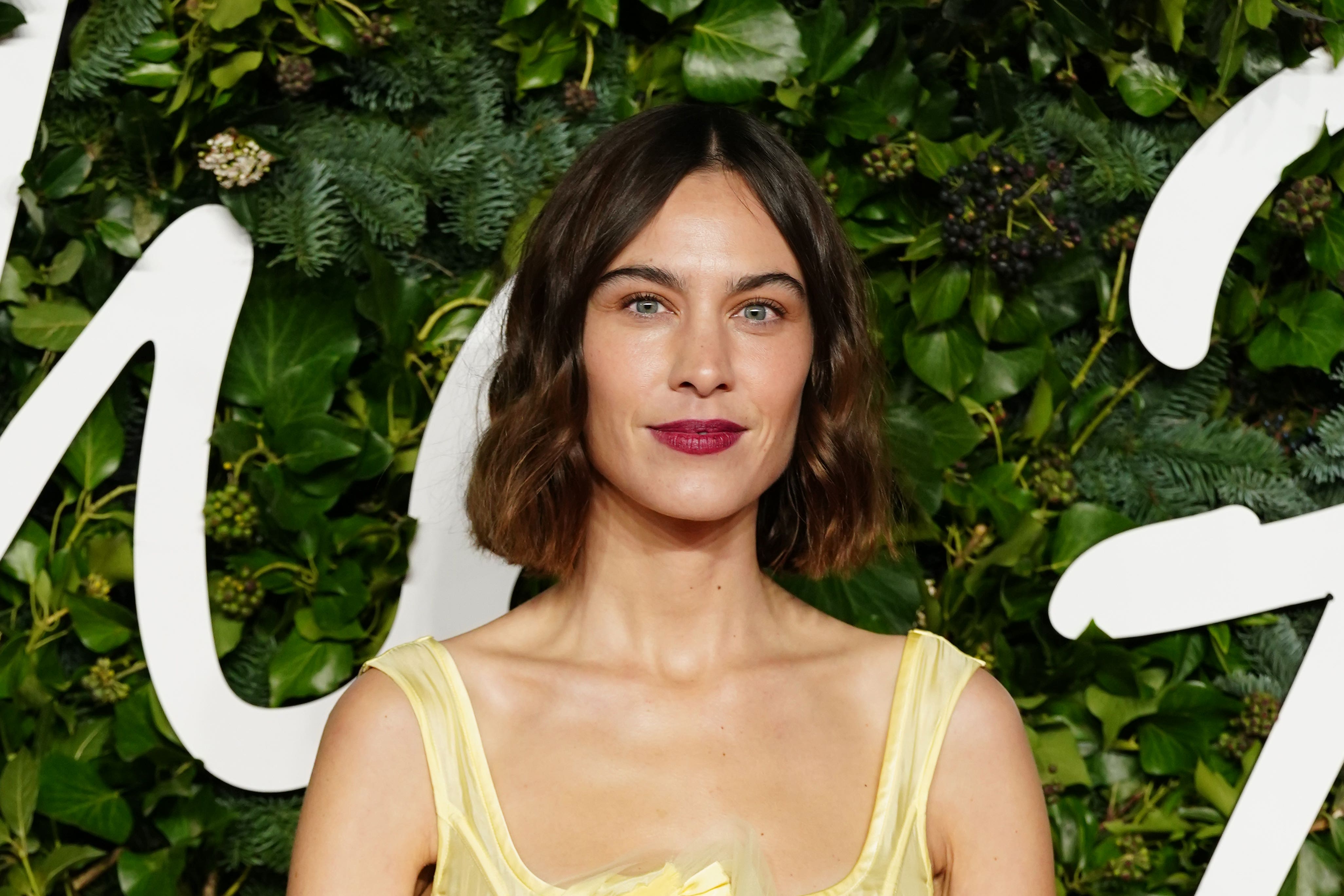
Alexa Chung is a British fashion designer, contributing editor, model, and author who rose to prominent international fame during the mid-2000s indie sleaze and festival fashion eras. Widely recognized as a defining muse of modern British style, she successfully transitioned from television presenting to high-end design, establishing her eponymous fashion label before pivoting to creative consultancy and editorial work.
Origins in Television and the Rise of Indie Sleaze
Alexa Chung’s entry into the public eye began in the mid-2000s, initially through modeling for teen magazines and music videos before establishing herself as a formidable television broadcaster. Her breakthrough came as a co-host on the Channel 4 pop culture and music show Popworld in 2006, followed by her work anchoring It's On with Alexa Chung for MTV in the United States. During this period, her distinct personal aesthetic—characterized by vintage Peter Pan collars, battered ballet flats, denim cut-offs, and tailored blazers—became instantly synonymous with the burgeoning British indie music scene.
Fashion critics and street-style photographers frequently captured her attending music festivals like Glastonbury, cementing her status as a primary blueprint for what would retroactively be categorized as the indie sleaze movement. Unlike many contemporaries who relied strictly on traditional stylists, Chung cultivated an eclectic, high-low dressing philosophy that mixed thrift-store finds with luxury designer pieces. This approach resonated deeply with a generation navigating the crossover between digital street-style blogs and traditional glossy magazines, effectively positioning her as an influential bridge between youth subculture and high fashion.
Editorial Collaborations and Literary Ventures
Beyond broadcasting and modeling, Chung leveraged her cultural capital into significant editorial and publishing ventures. In 2013, she released her debut book, It, which combined personal anecdotes, style philosophy, and her own line drawings. The publication became a commercial success, offering readers a window into her creative influences and daily wardrobe curation. Following the book's release, she served as a contributing editor for British Vogue, writing regular columns and conducting high-profile interviews that showcased her sharp wit and deep engagement with the fashion industry.
Her collaborative relationship with major luxury houses extended into design partnerships. Long before launching her own brand, Chung co-designed capsule collections for high-street and luxury retailers alike, most notably creating successful collaborative lines with brands like Madewell, AG Jeans, and Marks & Spencer. These partnerships demonstrated her commercial viability, proving that her unique curation translated directly into consumer demand. Each project reinforced her reputation not merely as a passive clothes horse, but as an active tastemaker capable of driving global retail trends.
The Rise and Evolution of the Alexa Chung Brand
In 2016, Chung took the logical next step in her career by launching her independent contemporary label, named simply ALEXACHUNG. The brand aimed to encapsulate her signature aesthetic—a blend of whimsical femininity, tailored menswear elements, and vintage nostalgia—while operating on a direct-to-consumer and wholesale model. The label debuted collections at London Fashion Week, drawing considerable industry attention and critical acclaim for its playful yet wearable approach to contemporary womenswear.
| Brand Phase | Key Focus | Primary Distribution | Operational Outcome |
|---|---|---|---|
| Launch (2016) | Signature vintage-inspired RTW | Wholesale, luxury stockists | Established global stockist network across major international markets. |
| Expansion (2018–2021) | Footwear, eveningwear, pop-ups | E-commerce, flagship store | Scaled digital presence and introduced physical experiential retail spaces. |
| Closure (2022) | Brand wind-down | Clearance operations | Voluntarily shuttered due to pandemic-related market pressures and economic shifts. |
Despite critical success and widespread media coverage, operating an independent luxury-contemporary label proved challenging amidst shifting macroeconomic conditions and the disruptions of the global retail market in the early 2020s. In 2022, Chung announced the closure of the ALEXACHUNG brand, citing the compounding pressures of the COVID-19 pandemic and changing retail landscapes. Rather than signaling a professional retreat, the closure allowed her to refocus on high-level creative direction, artistic collaborations, and consulting within the global luxury sector.
Cultural Legacy and Enduring Influence on Modern Style
The influence of Alexa Chung extends far beyond specific garment designs or television credits; she helped fundamentally alter how the fashion industry perceives and utilizes personal style influencers. Coming to prominence just as social media began transforming style dissemination, she served as an early archetype for the modern digital tastemaker—someone whose curated life, literary interests, and sartorial choices form an integrated brand. Mulberry famously honored this cultural impact by naming one of their iconic handbags, the "Alexa," after her in 2010 following persistent viral visibility of her carrying the oversized satchel.
Her ongoing presence at major international fashion weeks, museum galas, and art openings ensures her continued relevance in discussions surrounding contemporary British culture. By maintaining a delicate balance between high-end glamour and approachable, lived-in eccentricity, she has avoided the rapid obsolescence that affects many transient micro-trend icons. Her legacy remains rooted in a championing of individuality, proving that enduring style relies on self-possession rather than rigid adherence to seasonal mandates.
Frequently Asked Questions About Alexa Chung
How did Alexa Chung first become famous?
Alexa Chung initially gained widespread public recognition as a television presenter in the mid-2000s, most notably hosting the British music and culture program Popworld on Channel 4. Her witty interviewing style, combined with her distinct indie-rock personal aesthetic, quickly caught the attention of fashion magazines and street-style photographers, propelling her into international modeling and style-icon status.
What happened to the ALEXACHUNG fashion label?
The independent contemporary fashion label founded by Chung in 2016 was voluntarily closed in 2022. The decision was attributed to severe commercial pressures resulting from the COVID-19 pandemic, alongside broader structural challenges facing independent mid-market and luxury-contemporary fashion brands during that period.
Has Alexa Chung written any books?
Yes, Alexa Chung authored the book It, published in 2013. The book functions as a visual and written memoir detailing her personal style journey, artistic influences, and career experiences, accompanied by her own hand-drawn illustrations and photographs.
What is the "Alexa" handbag by Mulberry?
The "Alexa" is an iconic leather satchel released by British luxury brand Mulberry in 2010. The bag was directly inspired by and named after Alexa Chung after photographers frequently captured her carrying a vintage men's Mulberry briefcase, prompting the brand to create a dedicated model in her honor.
What is Alexa Chung's current professional focus?
Following the closure of her namesake label, Chung continues to work as a contributing editor, creative consultant, and model. She frequently collaborates with luxury brands on special capsule collections, participates in major cultural events, and engages in various artistic and media projects.
Cultivating Personal Style Through Curated Fundamentals
For those looking to draw inspiration from Alexa Chung's approach to dressing, the core philosophy relies on juxtaposition rather than excess. Building a versatile wardrobe inspired by her aesthetic involves pairing masculine tailoring—such as oversized double-breasted blazers or trench coats—with ultra-feminine accents like lace collars, slip dresses, or Mary Jane shoes. Rather than chasing fleeting micro-trends, focus on investing in durable vintage staples, tailoring classic silhouettes to fit modern proportions, and prioritizing personal comfort over strict formality.