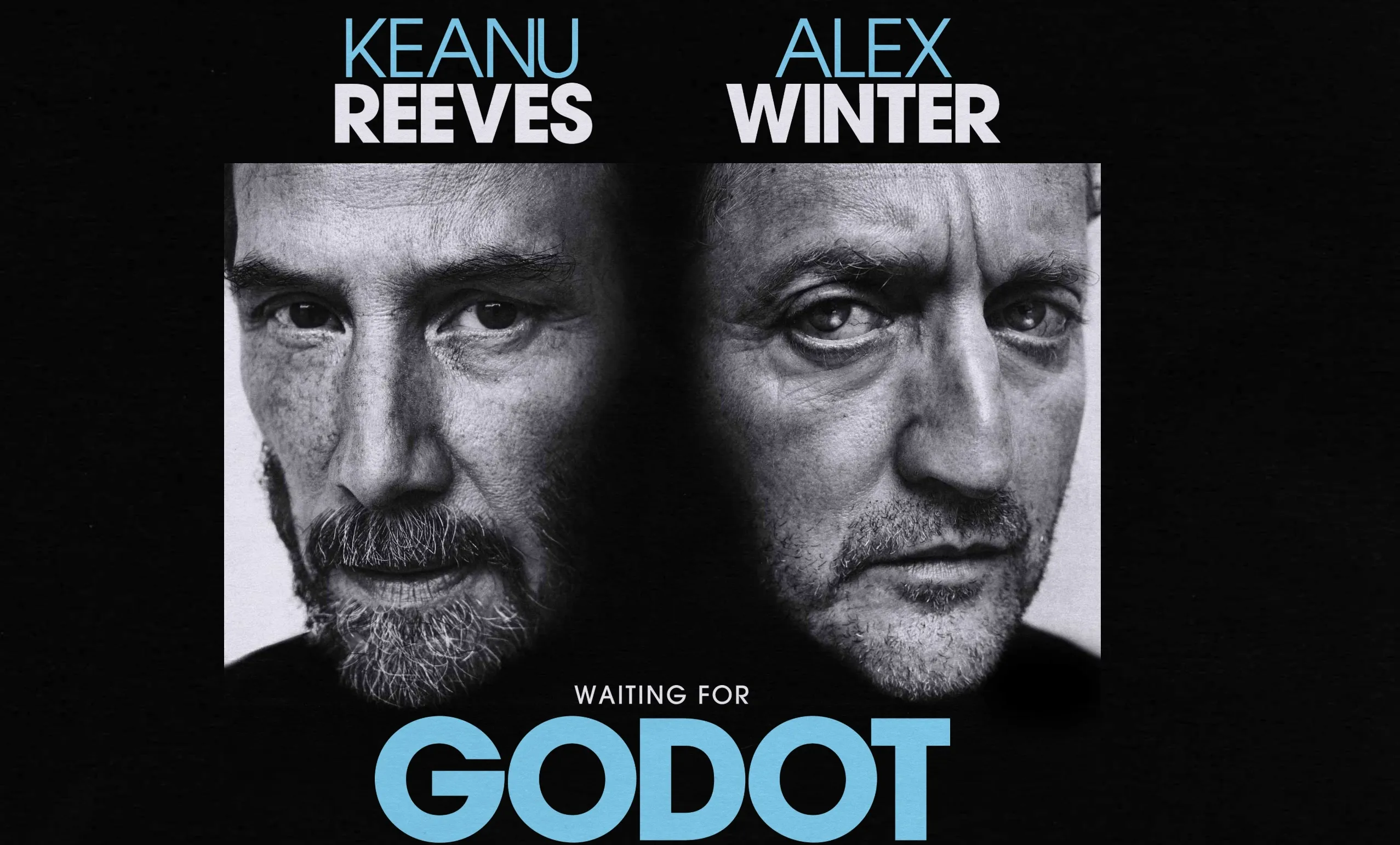
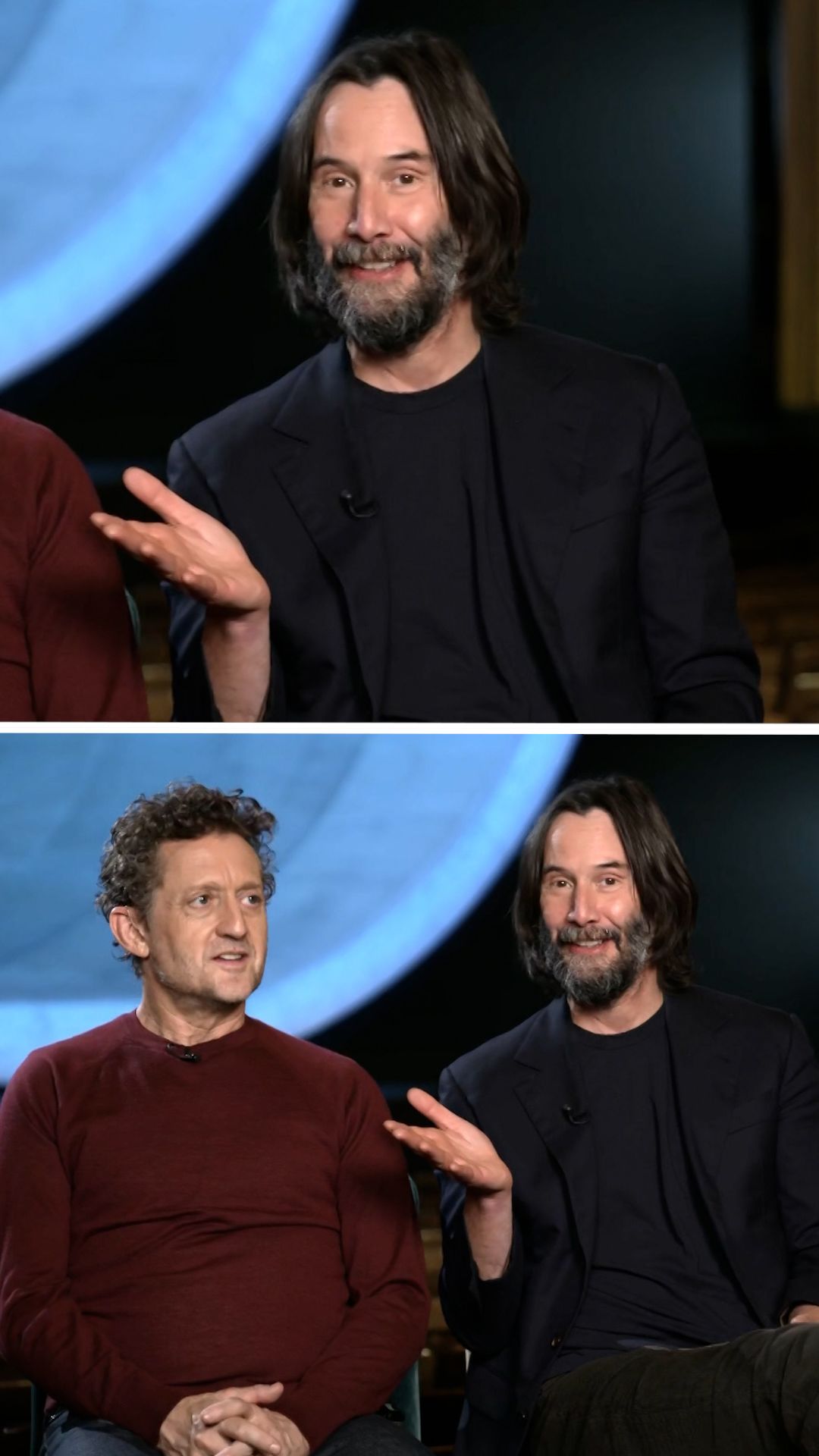
Alex Winter's interpretation of Vladimir (Didi) in Samuel Beckett's theatrical masterwork Waiting for Godot brings a profound blend of vaudevillian physical comedy, existential vulnerability, and contemporary stage presence to the classic absurdist text. This performance analysis examines how Winter balances the play's bleak existential framework with the playful rhythm of traditional clowning, transforming a canonical dramatic role into a fresh exploration of human endurance, companionship, and the weight of monotony.
The Theatrical Context and Production Framework
Samuel Beckett’s Waiting for Godot occupies a singular position in twentieth-century drama, functioning as the foundational text of the Theatre of the Absurd. First staged in French in 1953 and English in 1955, the play strips theatrical convention down to its barest bones: two tramps, Vladimir and Estragon, wait near a barren tree for a mysterious figure named Godot who never arrives. The brilliance of the text lies in its paradox—nothing happens, yet everything happens. The characters pass the time through wordplay, bickering, hat-swapping, and contemplation of suicide, all while bound to an endless cycle of repetition.
When contemporary productions approach this canonical text, directors and actors must navigate the heavy historical baggage of iconic interpretations. Past stagings have leaned heavily into high-philosophical solemnity or rigid academic formalism, occasionally draining the text of its inherent vitality. Alex Winter’s approach deliberately resists this trap. By leaning into the rhythms of physical comedy and the raw, unvarnished cadence of ordinary speech, Winter anchors Vladimir in a deeply human reality. This production treats Beckett not as a museum piece frozen in amber, but as a living, breathing blueprint for theatrical exploration where timing, physical exertion, and emotional resonance drive the narrative forward.
Character Dynamics: Vladimir, Estragon, and the Physics of Companionship
At the emotional heart of Waiting for Godot is the symbiotic, often exasperating relationship between Vladimir and Estragon. While Estragon (Gogo) is grounded in physical discomfort—plagued by sore feet, faulty boots, and a poor memory—Vladimir (Didi) is the intellectual anchor, tracking time, managing their meager resources, and nurturing the persistent, stubborn hope that Godot will eventually arrive. Alex Winter captures this duality by infusing Vladimir with a nervous energy that shields a deep, aching fear of abandonment.
| Character | Primary Focus | Physicality | Emotional Arc |
|---|---|---|---|
| Vladimir (Alex Winter) | Intellectual persistence, memory, hope | Restless, pacing, expressive hand gestures, upright posture | Oscillates between buoyant optimism and despairing existential dread |
| Estragon | Physical suffering, immediate bodily needs | Slumped, limping, heavy-footed, grounded | Weary, fatalistic, focused on sleep, food, and pain relief |
Winter’s performance relies heavily on contrasts. When Vladimir attempts to maintain intellectual order—debating biblical scripture, organizing their hats, or calming Estragon's nightmares—Winter portrays a man whose internal machinery is constantly whirring to keep chaos at bay. The physical interplay between Winter and his co-star generates much of the production's momentum. Their movement across the stage is choreographed like a delicate, crumbling dance routine, where every misstep, stumble, and embrace reinforces their mutual reliance. Without the other, neither man can survive the psychological void of the desolate roadside.
Vaudeville Roots and Absurdist Humor in Winter’s Delivery
One of the most striking elements of Winter’s performance analysis is his mastery of classic vaudevillian timing. Beckett famously drew inspiration from silent film comedians like Buster Keaton and Charlie Chaplin, embedding rapid-fire verbal exchanges, physical gags, and repetitive slapstick routines directly into the dialogue. Winter honors this lineage by treating Beckett's dialogue not as high-minded verse, but as a rhythmically precise musical score.
His delivery of paradoxical lines—such as "Nothing to be done"—is infused with a weary yet buoyant irony. Rather than playing despair as a crushing, silent weight, Winter allows Vladimir to find absurd humor in his predicament. The hat-handling scenes, where the characters frantically swap and examine bowler hats, become masterclasses in physical dexterity and comic precision under pressure. By committing fully to the ridiculousness of the physical business, Winter prevents the existential themes from becoming overly ponderous. The humor serves as a vital survival mechanism, a way for the characters to laugh into the abyss so they do not lose their minds.
Existential Weight and the Contemporary Resonance
Beneath the slapstick and wordplay lies the dark, biting existential core of Waiting for Godot. The play captures the modern anxiety of living in a state of suspended animation, where traditional grand narratives have collapsed and humanity is left waiting for a salvation that never materializes. In analyzing Winter's portrayal, critics note how effectively he conveys the silent terror of the passage of time.
In moments of stillness, Winter’s facial expressions shift from animated engagement to hollow vacancy. He makes the audience acutely aware of the silence surrounding the sparse dialogue. This stark contrast between manic distraction and profound loneliness elevates the performance beyond traditional comedic acting. In an era marked by digital hyper-connectivity juxtaposed with deep societal isolation, Winter’s Vladimir resonates powerfully with contemporary audiences. The compulsion to constantly fill the void with chatter, performance, and petty distractions mirrors modern behavioral patterns, making a mid-century modernist text feel startlingly current.
Critical Reception and Interpretive Nuances
Theatre critics reviewing modern stagings featuring Alex Winter have frequently highlighted his ability to humanize theatrical archetypes. While some productions of Beckett’s work risk alienating viewers through hyper-stylized abstraction, Winter grounds his character in recognizable psychological truths. Reviewers have praised his vocal modulation, which ranges from sharp, scolding reprimands directed at Estragon to soft, maternal whispers of reassurance when his companion is gripped by fear.
However, some traditionalist critics have noted that integrating modern comedic sensibilities into a canonical absurdist play can occasionally risk tipping the balance toward farce. Yet, this tension is precisely where the strength of Winter's performance lies. By refusing to treat the script with untouchable reverence, he revitalizes the text. The performance demonstrates that Beckett’s clowns are not mere symbols of human alienation, but flesh-and-blood individuals struggling to maintain their dignity against insurmountable cosmic indifference.
Frequently Asked Questions
What role does Alex Winter play in Waiting for Godot?
Alex Winter plays Vladimir, often referred to as Didi, one of the two main tramp characters who spend the entirety of the play waiting by a tree for the arrival of the mysterious Godot.
How does Winter's background influence his performance?
Winter’s extensive experience in film, television, and physical comedy allows him to blend cinematic timing and expressive facial work with traditional theatrical stagecraft, enhancing the vaudevillian elements embedded in Beckett's script.
Why is physical comedy so important in Waiting for Godot?
Samuel Beckett drew heavy inspiration from silent film comedians like Buster Keaton and Charlie Chaplin. Physical gags, stumbling routines, and hat-swapping serve as essential coping mechanisms for the characters to distract themselves from the terror of existential emptiness.
Is Waiting for Godot considered a comedy or a tragedy?
The play is widely classified as a tragicomedy. It blends elements of dark existential despair, isolation, and mortality with lighthearted slapstick, verbal sparring, and absurd humor.
What is the primary thematic focus of the play?
The central themes revolve around the absurdity of human existence, the passage of time, the search for meaning in a seemingly indifferent universe, and the vital role of companionship in enduring hardship.
Next Steps for Theatre Enthusiasts and Scholars
To deepen your understanding of this production, examine the complete published text of Samuel Beckett's Waiting for Godot alongside scholarly essays focusing on its vaudevillian influences. Comparing multiple recorded stage versions will also illuminate how different actors interpret the delicate balance between physical comedy and existential dread inherent in Vladimir and Estragon's endless wait.