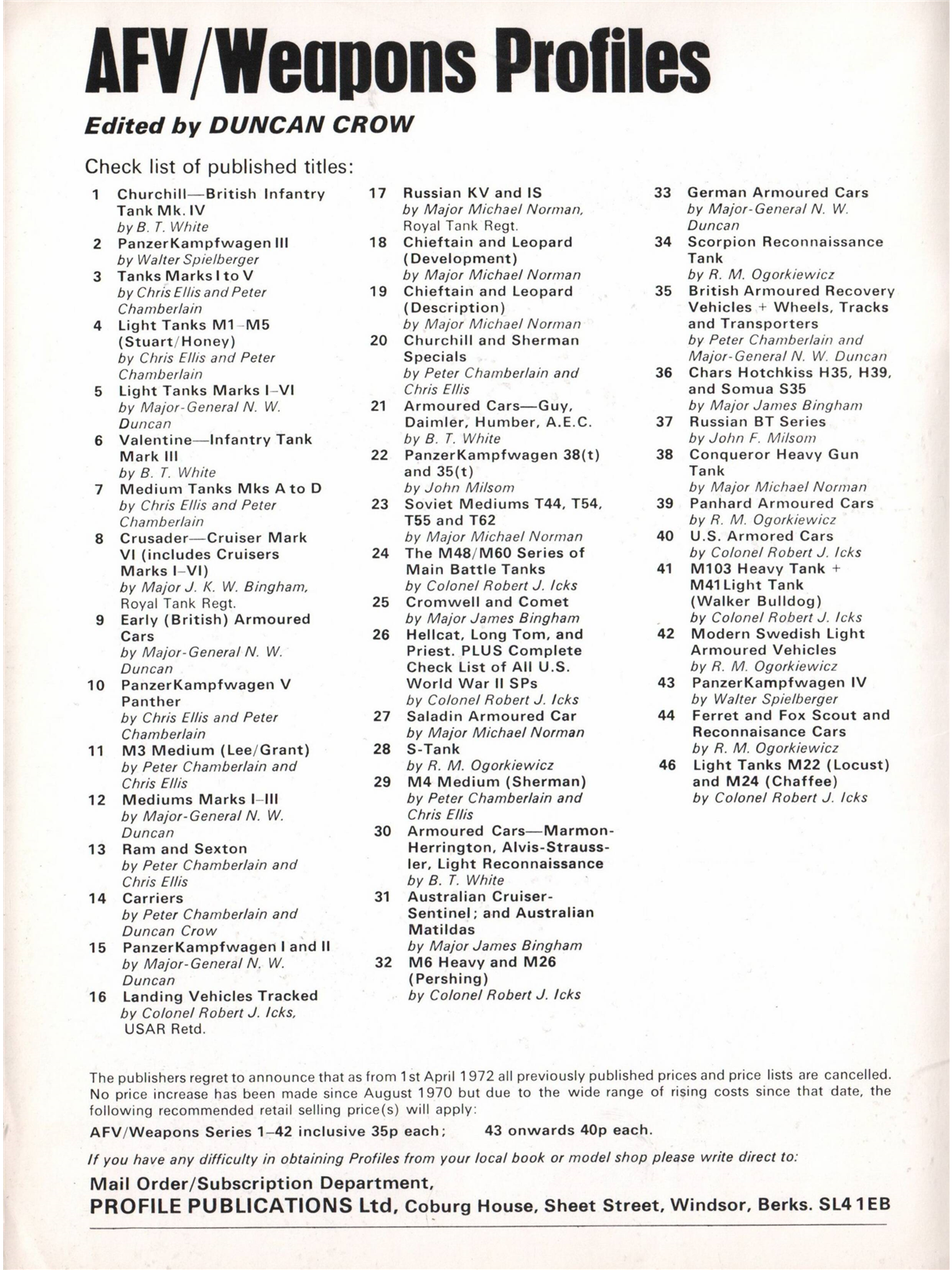
Understanding the administrative background, historical positioning, and systematic framework surrounding the "alex weapons profile overview and context" requires dissecting complex data structures, regulatory classifications, and identifier tracking systems. This examination explores the primary facets of asset categorization, investigative mapping, and systemic documentation protocols utilized to catalog these profiles accurately.
Navigating the Framework of Specialized Weaponry Profiles
The foundational framework for evaluating an individual record or identifier profile involves mapping out structural identifiers, historical metadata, and institutional contexts. In professional research environments, cataloging profiles related to specialized terminology requires a strict adherence to metadata integrity. Analysts must differentiate between standard inventory nomenclature, digital alias traces, and formal records maintained by tracking systems.
When approaching the profile of an indexed entity, researchers often look at the chronological development of the record. This includes initial registration markers, updates through successive operational periods, and the current structural status within digital archives. Establishing this baseline context prevents misidentifications and ensures that inquiries rely on verified source documentation rather than speculative associations.
Structural Anatomy and Data Architecture of Profile Records
A thorough technical examination of a profile requires looking into its underlying data architecture. Modern profiling systems generally divide information into discrete categories to streamline search retrieval and verification procedures. These categories typically span identification markers, categorical classifications, operational scopes, and cross-references.
- Identifier Matrices: Unique alphanumeric strings or serial tracking numbers assigned to specific records to prevent cross-contamination with homonymous entries.
- Contextual Metadata: Temporal markers, geographical parameters, and organizational affiliations that place the profile within a specific operational timeline.
- Verification Logs: Audit trails detailing when the profile was last modified, authenticated, or cross-referenced against primary source registries.
- Attribution Hierarchies: Clear distinctions between verified facts, attributed reports, and legacy data points that require ongoing validation.
| Profile Component | Primary Function | Data Verification Requirement |
|---|---|---|
| Primary Identifier | Uniquely tags the record within database systems. | Mandatory check against official registries. |
| Temporal Context | Establishes timelines for creation and updates. | Cross-reference with historical publication dates. |
| Attribution Log | Tracks source reliability and evidentiary backing. | Independent verification via reputable secondary sources. |
| Scope Parameter | Defines the operational boundary of the profile. | Alignment with documented organizational parameters. |
Methodologies for Verifying and Auditing Profile Data
Ensuring the accuracy of any detailed profile necessitates rigorous verification workflows. Investigators and data analysts deploy multi-tiered validation checks to confirm that every data point corresponds to verifiable documentation. This process begins with primary source acquisition, where researchers examine original public records, archival documents, or direct registry entries.
Secondary source corroboration follows primary data collection. Analysts evaluate reports from recognized institutional publications, legal filings, or peer-reviewed documentation to establish consensus regarding the profile's history. When discrepancies emerge between primary registries and secondary commentary, strict evidentiary protocols dictate that primary documentation takes precedence until further research resolves the conflict.
Common Analytical Challenges and Disambiguation Strategies
Investigating specialized profiles frequently exposes challenges related to nomenclature ambiguities, data degradation, and fragmented histories. Because similar terms or alias structures can apply to multiple distinct entities, disambiguation remains a core priority for professional researchers.
- Incoming Data Query
- Primary Identifier Check
- Match Found: Verify Temporal Metadata -> Check Attribution Log -> Finalize Publication Status
- No Match: Initiate Disambiguation Protocol -> Isolate Distinct Entities
- Primary Identifier Check
To resolve these ambiguities, analysts isolate distinct entities by cross-referencing auxiliary details such as jurisdictional boundaries, associated dates, and institutional relationships. Maintaining strict documentation standards ensures that distinct records do not merge erroneously within broader analytical summaries.
Strategic Guidelines for Effective Information Retrieval
Executing a successful profile review requires adherence to structured operational steps. Users seeking to examine or audit records should follow a systematic procedure to guarantee thoroughness and accuracy:
- Define the Scope: Establish the exact boundaries of the investigation, identifying whether the focus is historical context, technical specifications, or administrative status.
- Gather Source Material: Collect primary registry documents and verified secondary reports while discarding unvetted digital commentary or speculative forums.
- Execute Cross-Verification: Compare gathered identifiers against recognized institutional databases to confirm authenticity.
- Document Findings: Compile the validated data points into a clear, structured format, explicitly separating confirmed facts from attributed reporting.
Frequently Asked Questions
What constitutes a complete profile overview within digital cataloging systems?
A complete profile overview integrates primary identification markers, temporal metadata, structural classifications, and verified audit trails. It provides a holistic view of an entity by anchoring each claim to verified primary sources or recognized documentation.
How are naming ambiguities and similar identifiers resolved during research?
Ambiguities are resolved through strict disambiguation protocols that compare auxiliary data points, such as operational timelines, geographical jurisdictions, and institutional associations, to separate distinct entities definitively.
Why is primary source verification critical for maintaining profile accuracy?
Primary source verification ensures that data remains objective and immune to secondary distortion, speculative reporting, or digital degradation over time, thereby upholding the integrity of the overall record.
What role do temporal markers play in historical record analysis?
Temporal markers establish the exact chronological framework of an entry, allowing analysts to track developments, updates, and organizational shifts accurately across different operational periods.
How should researchers handle unverified or conflicting profile data?
Unverified or conflicting data must be explicitly labeled as attributed or uncertain, segregated from confirmed facts, and subjected to further cross-referencing before inclusion in definitive reports.
Practical Next Steps for Profile Auditing
For ongoing management, auditing, or research involving specialized records, practitioners should prioritize establishing a standardized verification checklist. Regular audits against primary registries prevent data drift and ensure that all assessments remain grounded in verified evidence. By maintaining rigorous separation between confirmed historical facts and secondary interpretations, analysts can sustain high standards of accuracy and operational clarity.