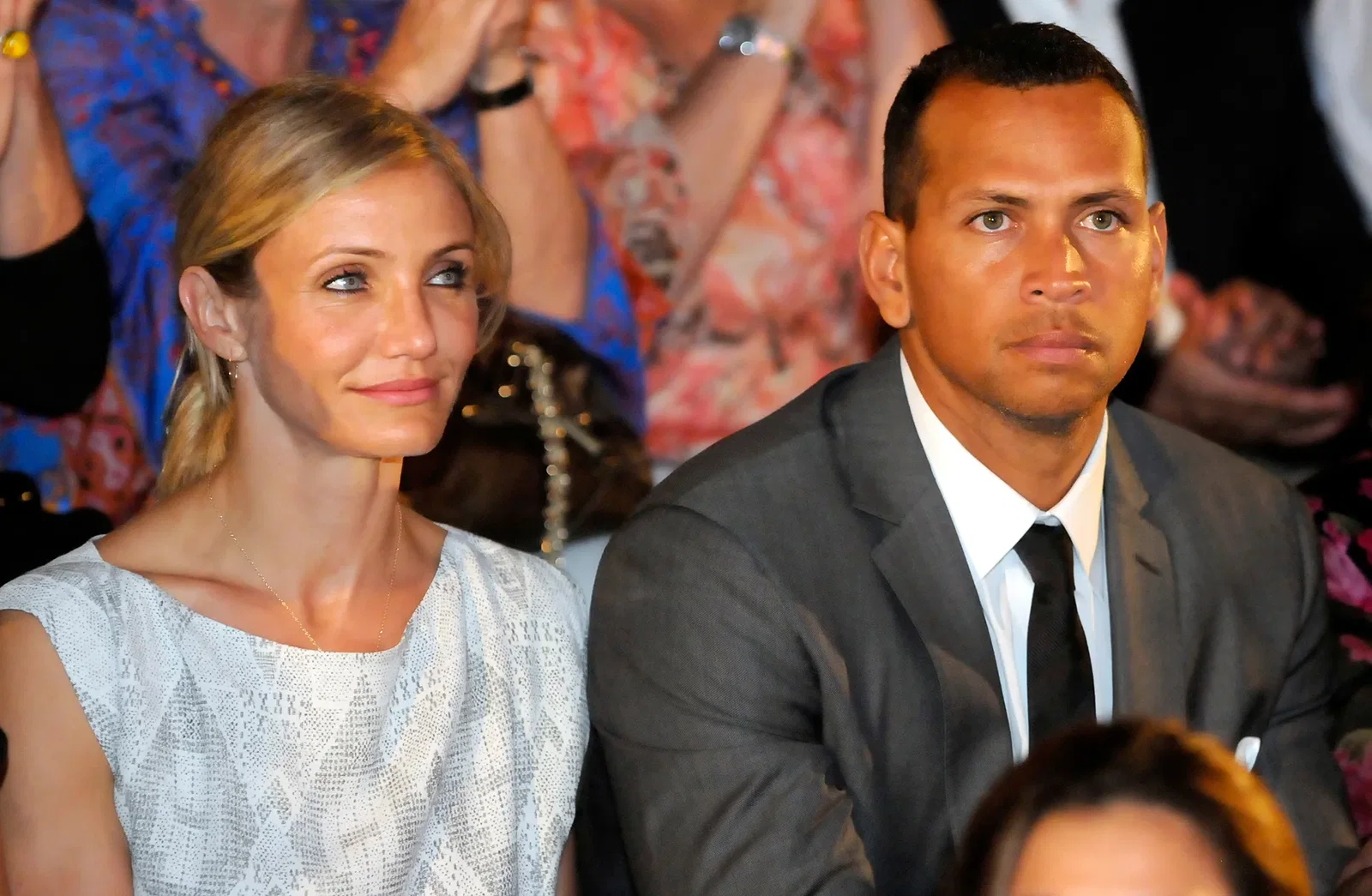
The phrase "Alex vs A-Rod" highlights the distinct dual personas of Alex Rodriguez, contrasting his celebrated athletic achievements on the baseball diamond with his high-profile celebrity status, intense media scrutiny, and entrepreneurial pursuits after retirement. This cultural dichotomy reflects how fans, analysts, and the media evaluate modern sports icons who transcend traditional athletic boundaries.
The Foundations of Athletic Greatness
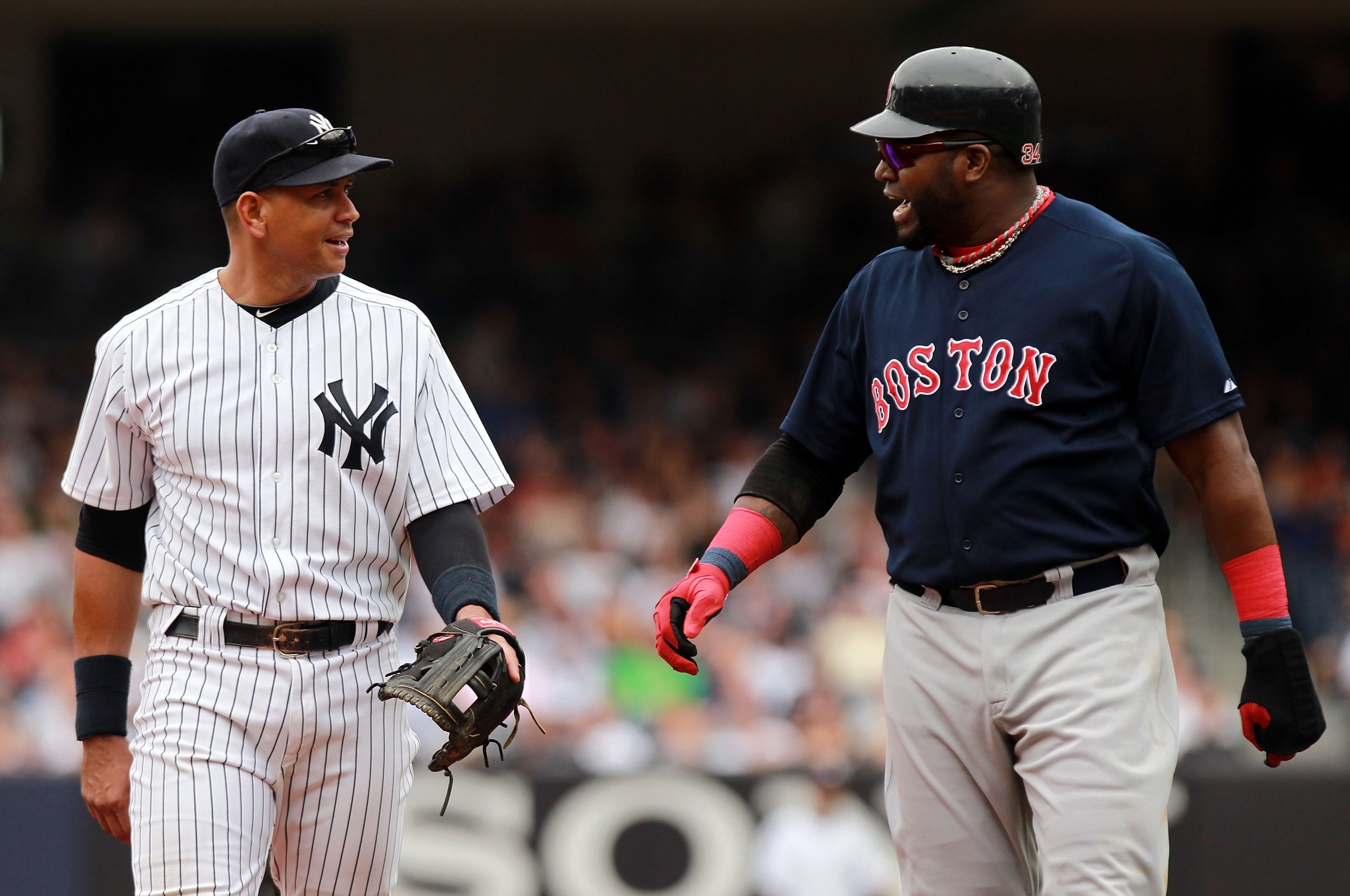
Alex Rodriguez emerged in the mid-1990s as a generational talent, eventually becoming one of the most statistically accomplished players in Major League Baseball history. Drafted first overall by the Seattle Mariners in 1993, he quickly established himself as a five-tool shortstop characterized by exceptional power, speed, defense, and batting average. His historic 1996 campaign, where he batted .358 with 36 home runs and 123 RBIs at just 21 years old, cemented his status as a foundational pillar of modern baseball.
Following his record-breaking contract with the Texas Rangers in 2001 and his subsequent trade to the New York Yankees in 2004, Rodriguez transitioned to third base to accommodate teammate Derek Jeter. During his tenure in pinstripes, he accumulated multiple MVP awards and played a pivotal role in leading the Yankees to a World Series championship in 2009. His on-field resume features over 690 home runs, more than 2,000 runs batted in, and three American League Most Valuable Player awards, placing him among the most prolific offensive producers in the history of the sport.
Despite these monumental statistics, the athletic legacy of A-Rod is inextricably linked with controversy. The pressure of massive contracts, intense scrutiny from the New York media, and revelations regarding performance-enhancing drugs created a complex narrative. The Biogenesis scandal and his subsequent suspension for the entirety of the 2014 season significantly fractured his relationship with traditionalists and purists of the game, setting the stage for a prolonged public rehabilitation effort.
Evolution of the Public Persona: Alex the Analyst and Executive
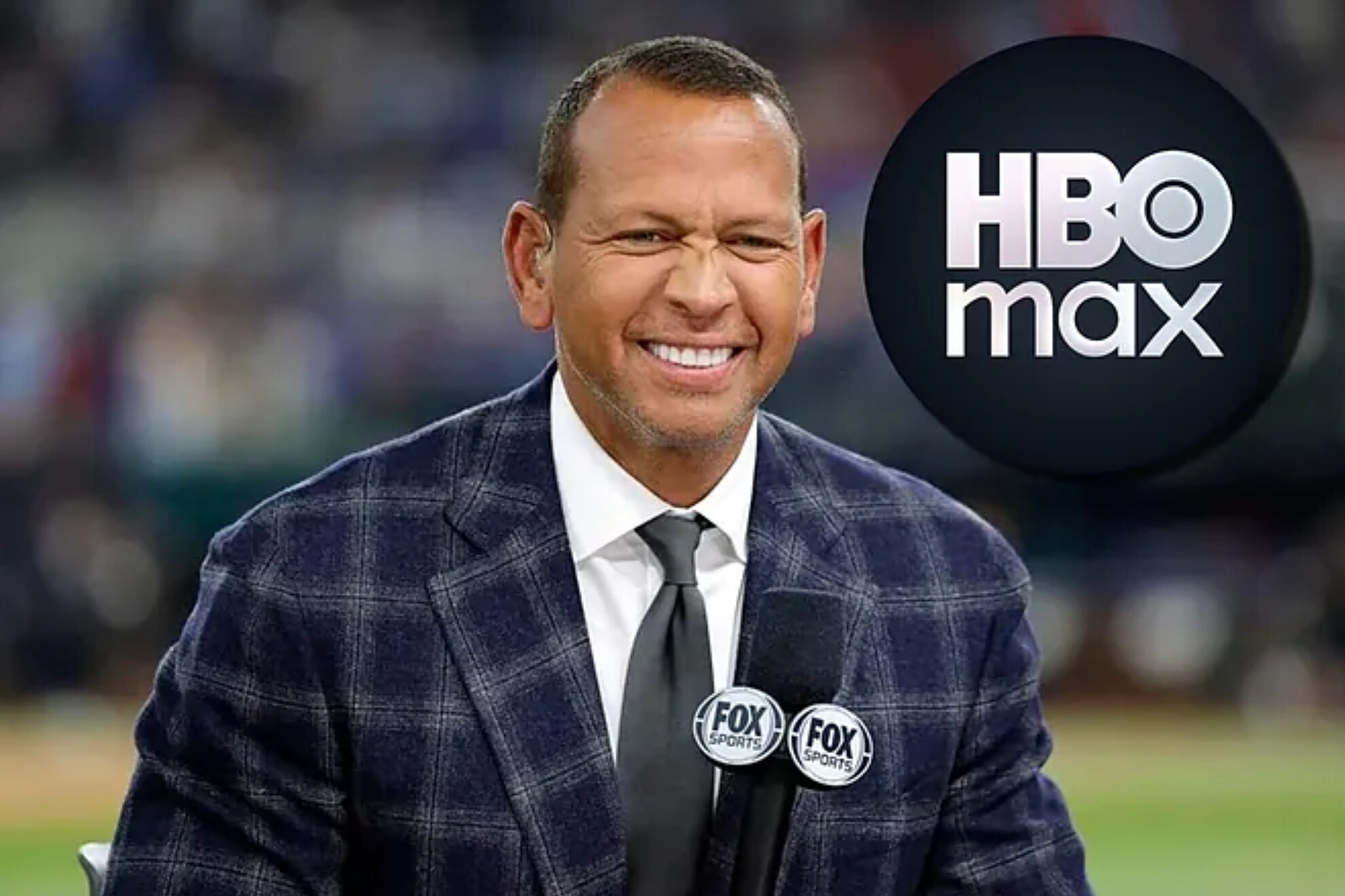
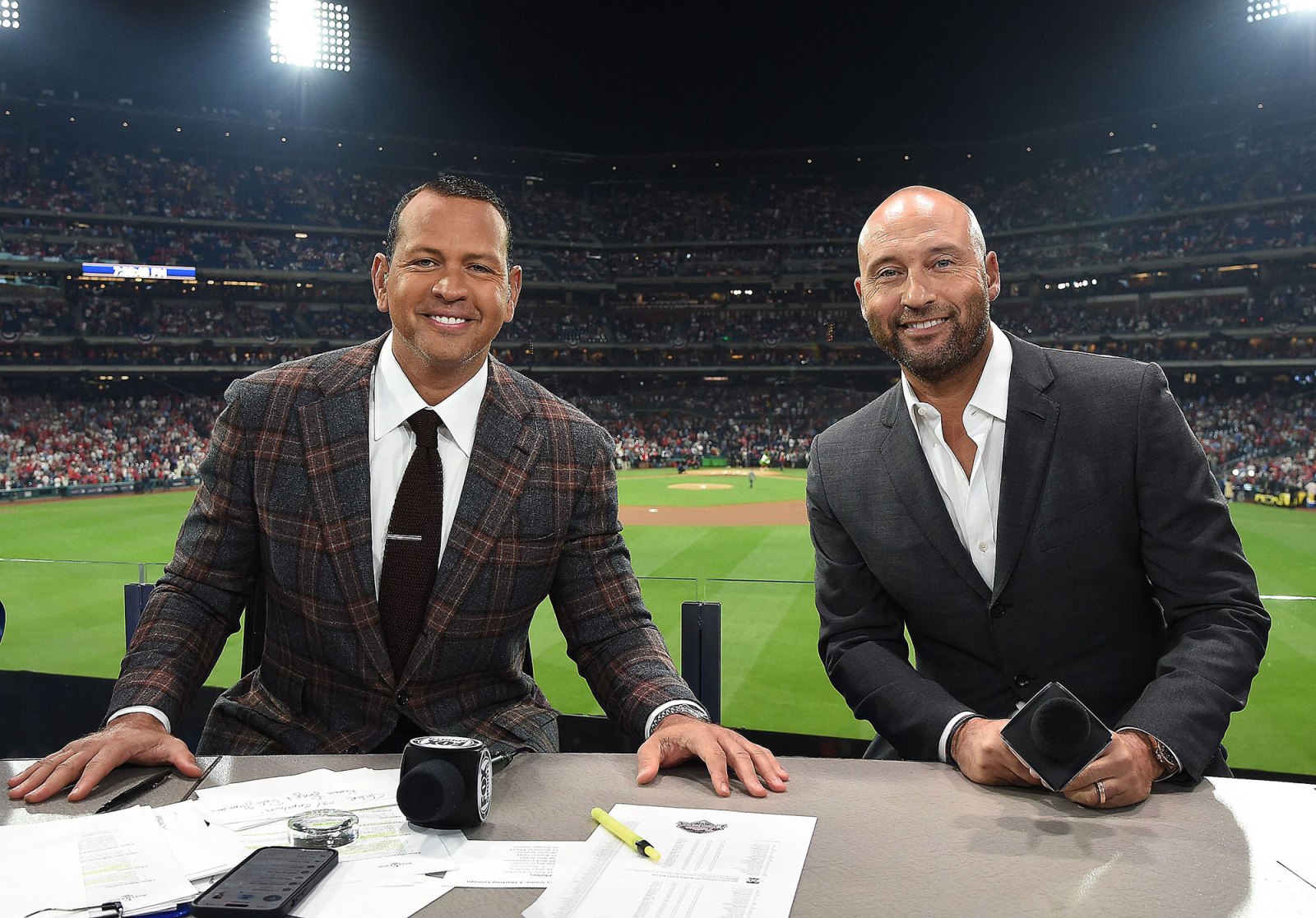
As his playing days drew to a close, Rodriguez embarked on a deliberate strategy to rebrand himself from a controversial superstar into a respected media personality and savvy businessman. The transition from active player to broadcaster proved remarkably successful. His analytical acumen, combined with a willingness to self-reflect on past mistakes, won over skeptical viewers during his work as an analyst for Fox Sports and ESPN's Sunday Night Baseball.
Concurrently, Rodriguez expanded his business footprint through A-Rod Corp, an investment firm focusing on real estate, fitness, and technology. His entrepreneurial ventures demonstrated a keen understanding of asset allocation and modern venture capital. This business acumen culminated in his high-profile efforts to acquire professional sports franchises, most notably his acquisition of a significant ownership stake in the Minnesota Timberwolves and Minnesota Lynx alongside businessman Marc Lore.
| Metric / Domain | Athletic Career (A-Rod) | Post-Playing Career (Alex) |
|---|---|---|
| Primary Focus | Major League Baseball performance | Corporate investment, media broadcasting, ownership |
| Key Achievements | 3x AL MVP, 2009 World Series Champion, 696 Home Runs | Founder of A-Rod Corp, NBA/WNBA franchise co-owner |
| Public Narrative | Record-breaking contracts and PED controversies | Reconstructed image as an accessible analyst and mogul |
| Media Role | On-field competitor and subject of tabloid reporting | Lead studio analyst, podcast host, and executive producer |
This dual identity—the polarizing athlete versus the polished corporate executive—highlights a broader trend in professional sports where contemporary athletes actively manage their post-playing transition to maintain long-term cultural relevance and financial growth.
Media Scrutiny and Tabloid Culture
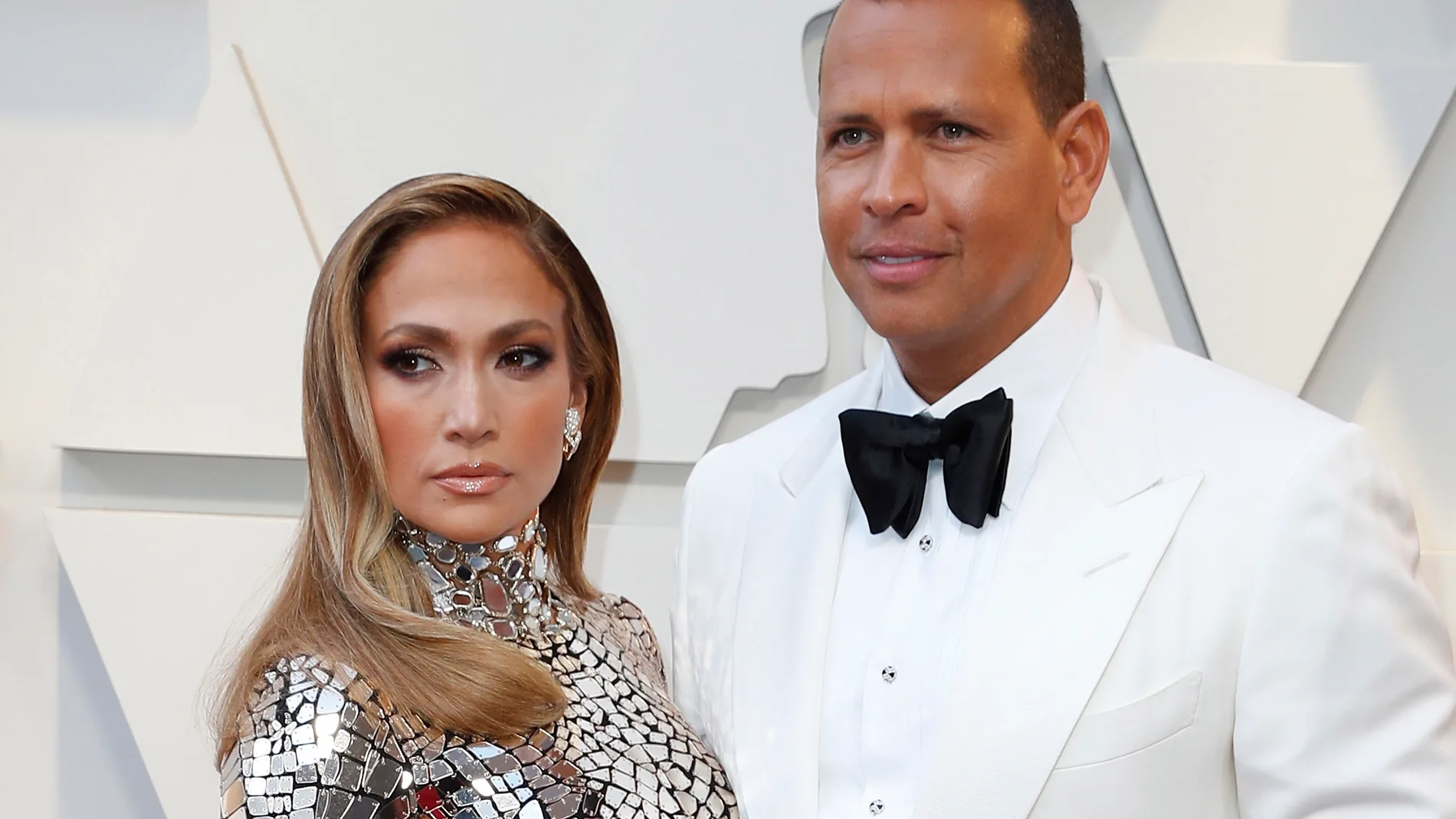
Few athletes have experienced the relentless tabloid spotlight that followed Alex Rodriguez throughout his career and personal life. From high-profile relationships with prominent figures in entertainment and fashion to intense scrutiny over his contract negotiations, his life off the field frequently overshadowed his athletic contributions. This constant media attention created the two-sided narrative encapsulated by the "Alex vs A-Rod" dichotomy: the private individual navigating high-stakes fame versus the manufactured caricature presented by sensationalist journalism.
The tabloid coverage often focused on his perceived image consciousness, leading to public skepticism regarding his authenticity. However, in the latter half of his career and retirement, Rodriguez leaned into this vulnerability. By participating in candid interviews, producing documentary features examining his own career mistakes, and maintaining an active, transparent presence on social media platforms, he successfully altered the dominant media narrative.
Comparative Analysis of Legacy Trajectories
When evaluating modern sports icons who transition from the field to the boardroom, comparisons frequently arise between Rodriguez and other contemporaries who managed their public images through different strategies. Unlike athletes who retreat from the public eye post-retirement, Rodriguez embraced omnipresence, utilizing media platforms to control his own narrative.
Key Factors in Modern Athlete Rebranding
- Radical Transparency: Acknowledging past errors directly rather than deflecting criticism.
- Diversified Portfolios: Shifting capital into high-visibility sectors like professional sports ownership and venture capital.
- Media Ownership: Producing original content rather than relying solely on traditional journalistic outlets.
- Direct-to-Consumer Engagement: Utilizing digital networks to humanize personal routines and business philosophies.
These elements demonstrate that the successful evolution from a scrutinized athletic superstar to a respected business figure requires a calculated blend of media literacy, financial investment, and sustained public engagement.
Future Outlook and Enduring Impact
The legacy of Alex Rodriguez occupies a unique space in modern sports history. He represents both the pinnacle of athletic achievement and the cautionary tale of the pressures associated with hyper-visibility and performance-enhancing controversies. As time passes, the statistical weight of his career and his successful business ventures increasingly anchor his public identity to his role as an entrepreneur and analyst rather than solely to his playing-day controversies.
For aspiring athletes and sports management professionals, the trajectory of A-Rod serves as a comprehensive case study in personal branding, crisis management, and strategic career pivoting. Whether viewed through the lens of baseball history or modern corporate leadership, the duality of Alex versus A-Rod remains a defining example of how public figures can reconstruct their legacies in the digital age.
Frequently Asked Questions
What differentiates Alex Rodriguez the businessman from A-Rod the baseball player?
A-Rod the baseball player refers to the record-breaking, highly compensated infielder whose career was defined by historic on-field statistics and subsequent PED controversies. Alex the businessman encompasses the post-retirement executive, investor, and franchise owner who focuses on venture capital, real estate, and professional sports ownership.
How did the Biogenesis scandal impact the public perception of Alex Rodriguez?
The Biogenesis scandal and the resulting 2014 season-long suspension severely damaged his standing with baseball traditionalists, leading to intense media criticism. However, his subsequent efforts in broadcasting, transparent acknowledgment of past mistakes, and successful business ventures have contributed to a gradual rehabilitation of his public image.
What sports franchises does Alex Rodriguez own an interest in?
Alex Rodriguez, alongside business partner Marc Lore, acquired ownership stakes in the Minnesota Timberwolves of the NBA and the Minnesota Lynx of the WNBA, establishing a prominent footprint in professional sports franchise management.
How has Alex Rodriguez utilized media to rebrand his image?
Rodriguez transitioned from being the subject of tabloid journalism to a producer and consumer of media himself. Through high-profile analyst roles with Fox Sports and ESPN, podcasting, and active social media engagement, he established a direct channel to audiences, allowing him to shape his own narrative.
What are the primary business holdings of A-Rod Corp?
A-Rod Corp serves as the parent investment vehicle for Rodriguez's diverse portfolio, which includes holdings in real estate development, fitness centers, technology startups, and professional sports properties.
Action Plan for Personal Brand Rebuilding
- Acknowledge Past Challenges: Address controversies directly and honestly without attempting to deflect responsibility or blame.
- Diversify Professional Competencies: Build credibility in a completely new industry—such as media or finance—to demonstrate capability beyond initial fame.
- Control the Narrative: Utilize modern digital platforms and direct-to-consumer media to communicate achievements and daily operations transparently.
- Pursue High-Impact Ventures: Invest in scalable, high-visibility assets like professional sports ownership or venture capital to secure long-term commercial relevance.