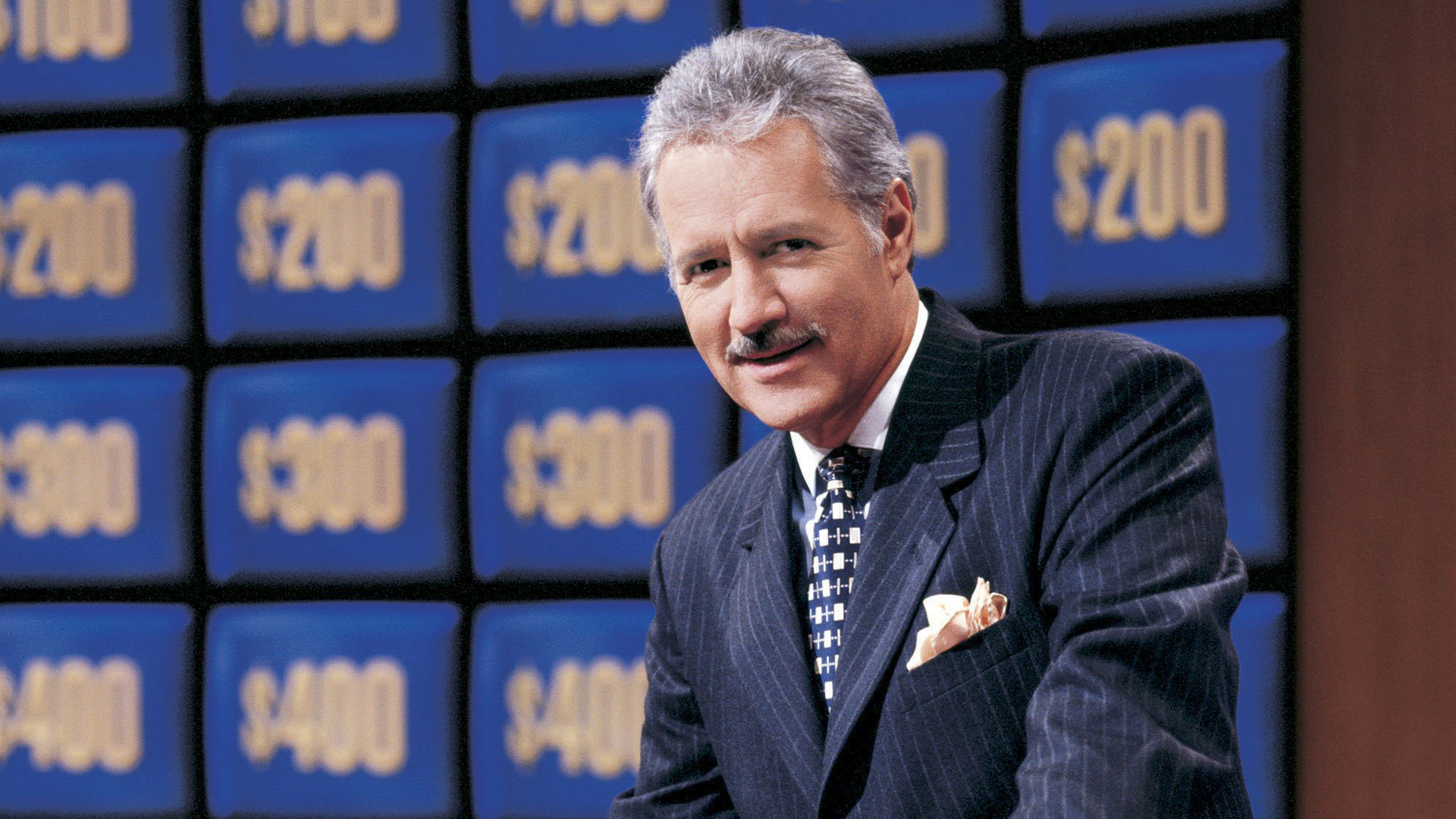
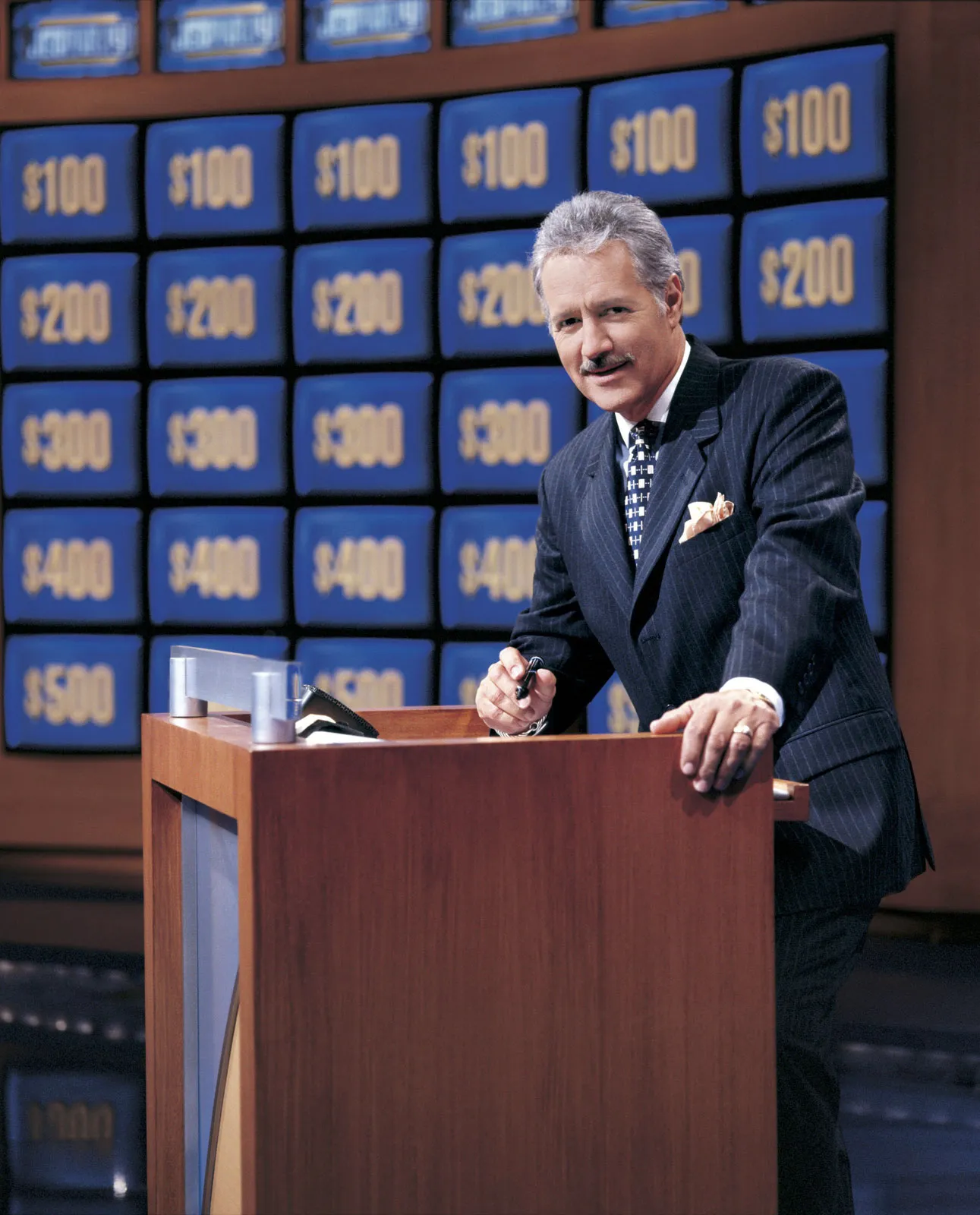
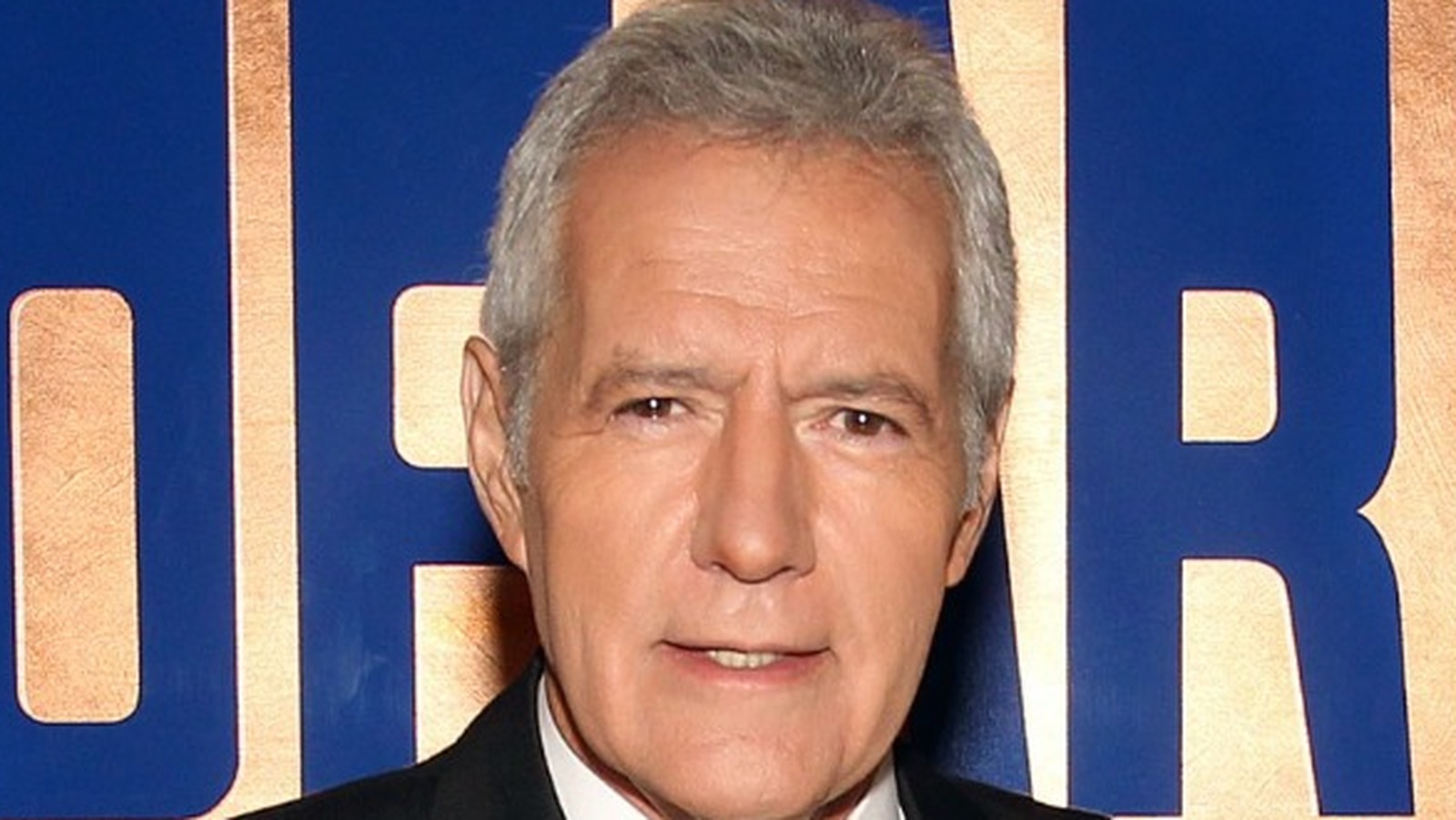
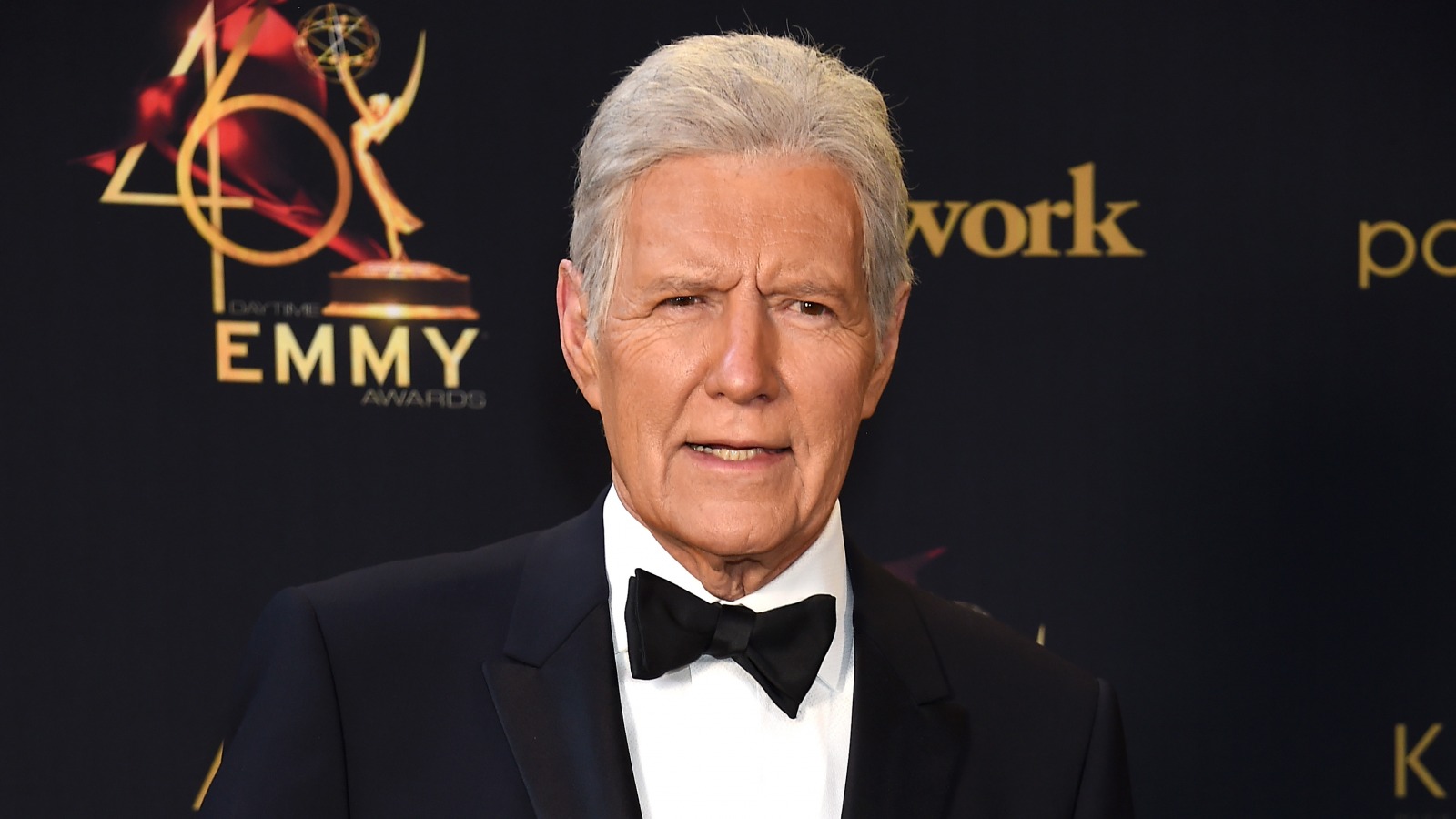
Alex Trebek accumulated an estimated net worth of $75 million through his iconic decades-long tenure hosting the syndicated television game show Jeopardy!, an annual salary that peaked near $10 million, and strategic syndication and production compensation structures. As one of the most recognizable and enduring figures in North American broadcasting, his financial legacy reflects both longevity in prime-time and daytime television and prudent financial management across a career spanning over six decades.
Understanding the Financial Architecture of Iconic Game Show Hosting
The financial footprint of a long-running television host involves more than just a single baseline salary. For a broadcasting fixture like Alex Trebek, total earnings were built on a multi-layered financial framework that combined base hosting fees, production back-end participation, commercial endorsements, and extensive real estate investments. Unlike standard salaried employment, top-tier television hosts operate as independent production entities or high-value contractors who negotiate multi-year contracts containing escalating compensation clauses.
Trebek's career trajectory shifted profoundly when he assumed the hosting duties of Jeopardy! in 1984 under creator Merv Griffin. At the time, syndicated game shows operated on different budgetary scales compared to network prime-time programs. Over thirty-six years, as Jeopardy! transformed into a cultural institution and a powerhouse in syndication revenue, Trebek's compensation scaled accordingly. By examining public financial disclosures, industry trade reports from outlets such as Variety and The Hollywood Reporter, and estate valuations, analysts can construct a clear picture of how his earnings materialized.
The Evolution of Alex Trebek Salary and Per-Episode Earnings
Throughout his tenure on Jeopardy!, Trebek's salary evolved in tandem with the show's massive commercial success. In the early years of the revival, compensation for game show hosts was modest compared to prime-time dramatic actors or network news anchors. However, as ratings climbed and station licensing fees soared, top hosts began commanding substantial percentage increases during contract renewals.
Industry reports from the 2000s and 2010s consistently placed Trebek among the highest-paid television personalities in the United States. During his later contract extensions, his annual salary was widely reported to be between $8 million and $10 million. To contextualize this figure, production schedules for Jeopardy! are remarkably efficient. The show records an entire week's worth of episodes—typically five shows—in a single production day, shooting approximately 46 to 50 days per year. This high efficiency meant his per-episode earnings were among the most lucrative in television history, translating to roughly $100,000 to $200,000 per episode recorded.
| Career Phase / Era | Estimated Annual Salary | Primary Revenue Source | Production Schedule Context |
|---|---|---|---|
| Early Jeopardy! Years (1984–1990s) | $1M – $3M | Base syndication hosting fee | Standard multi-day weekly taping |
| Peak Syndication Era (2000–2010) | $5M – $8M | Contract escalators, advertising bonuses | Streamlined production (approx. 46 days/year) |
| Final Contract Term (2011–2020) | $8M – $10M | Premium syndication renewal rates | High-efficiency batch taping |
Syndication Residuals, Production Credits, and Additional Ventures
While hosting salary formed the bedrock of Trebek's annual earnings, syndication royalties and secondary ventures significantly bolstered his overall wealth accumulation. Jeopardy! was distributed globally and rerun across multiple cable networks and digital platforms. Although standard daytime game show hosts historically did not receive traditional backend syndication equity, top-tier hosts with immense leverage often negotiated profit-participation clauses or bonuses tied to the show's advertising revenue and syndication performance ratings.
Beyond Jeopardy!, Trebek's professional portfolio included hosting duties for other game shows, such as High Rollers, Classic Concentration, and To Tell the Truth, prior to cementing his legacy on Jeopardy!. He also capitalized on his trusted public persona through select commercial endorsements. Brands sought out his intellectual, authoritative delivery for print and television campaigns. Furthermore, Trebek earned substantial fees for corporate speaking engagements, personal appearances, and cameo roles in films and television series where he typically parodied his own formidable quiz-master persona.
Real Estate Portfolio and Wealth Management
A significant portion of Alex Trebek's net worth was tied to high-value real estate holdings in Southern California and his native Canada. Prudent asset allocation ensured that his earnings from television were preserved and expanded through long-term property investments. His primary residence was a sprawling estate in the Studio City neighborhood of Los Angeles, a property he maintained for decades. In addition to his primary home, he owned commercial real estate properties and a remote 700-acre ranch in Paso Robles, California, which he used for raising thoroughbred horses and relaxing away from the studio lights.
Real estate appreciation in the Los Angeles market over the course of his career contributed tens of millions of dollars to his overall net worth. Unlike many celebrities who liquidate assets or engage in high-risk venture capital, Trebek maintained a conservative, stable approach to wealth management. This financial discipline shielded his estate from market volatility and ensured long-term security for his family.
Philanthropic Contributions and Estate Distribution
True wealth accumulation is often measured not only by what is retained, but also by how it is distributed. Trebek and his wife, Jean Currivan Trebek, were notable philanthropists, donating millions of dollars to educational institutions, humanitarian organizations, and medical research. Following his public diagnosis with stage IV pancreatic cancer in 2019, he became an outspoken advocate for cancer awareness and research, directing personal donations and encouraging public support for organizations like the Pancreatic Cancer Action Network.
Upon his passing in November 2020, Trebek's estate was managed according to his private testamentary wishes. Because his earnings were amassed steadily over a 36-year career with minimal public financial controversy, his estate transition was orderly. Portions of his wealth and significant personal artifacts—including his extensive collection of memorabilia and his personal library—were distributed to educational institutions, museums, and charitable foundations, solidifying a philanthropic legacy that matched his professional achievements.
Frequently Asked Questions
What was Alex Trebek's peak annual salary on Jeopardy!?
At his peak, Alex Trebek earned an estimated annual salary of $8 million to $10 million for hosting Jeopardy!. This compensation reflected his decades of service, the immense profitability of the syndicated program, and his high leverage during multi-year contract negotiations with Sony Pictures Television.
How much did Alex Trebek make per episode?
Because Jeopardy! taped approximately 46 to 50 days per year and produced five episodes per day, Trebek's effective per-episode earnings during his final contract terms ranged between $100,000 and $200,000. This made him one of the highest-paid per-episode workers in the television industry.
Did Alex Trebek own a stake in Jeopardy!?
Trebek did not own equity or profit-participation shares in the creation or overarching intellectual property of Jeopardy!, which was owned by Merv Griffin Enterprises and later Sony Pictures Television. His wealth was derived from top-tier talent salaries, bonuses, and external endorsements rather than ownership equity in the show's parent company.
How did Alex Trebek build his $75 million net worth?
His net worth was built primarily through his multi-million dollar annual hosting salary earned over 36 years, combined with strategic investments in Southern California real estate, commercial endorsements, and conservative, long-term asset management.
What happened to Alex Trebek's estate after his death?
Following his passing in 2020, Trebek's estate was distributed according to his private family trust and will, with provisions made for his wife, children, and significant ongoing contributions to educational and medical charities he supported during his lifetime.
Maximizing Long-Term Earnings and Financial Legacy Lessons
Examining the career and financial trajectory of Alex Trebek offers valuable lessons in professional longevity, contract negotiation, and wealth preservation. Professionals across all industries can apply several core principles demonstrated throughout his career:
- Longevity and Consistency: Building unmatched expertise in a specific niche creates irreplaceable value, allowing for premium pricing during contract renewals.
- Conservative Asset Allocation: Prioritizing stable, tangible assets like real estate over speculative ventures protects capital against economic downturns.
- Reputational Capital: Maintaining a pristine public image and professional reliability opens doors to long-term employment stability and high-value endorsement opportunities.
By combining steady professional execution with disciplined financial stewardship, Trebek established a secure financial foundation that endures long after his final episode on the air.