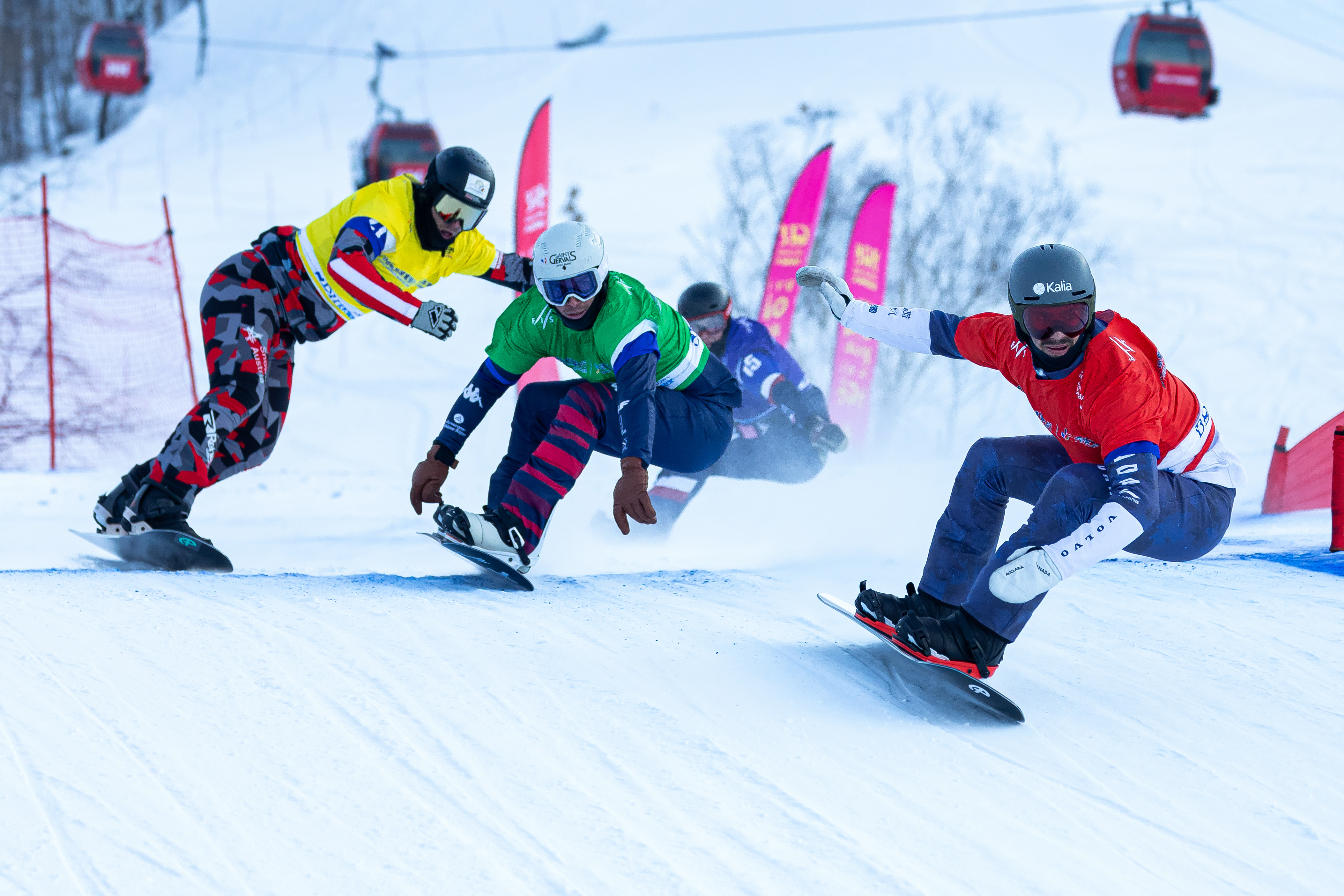
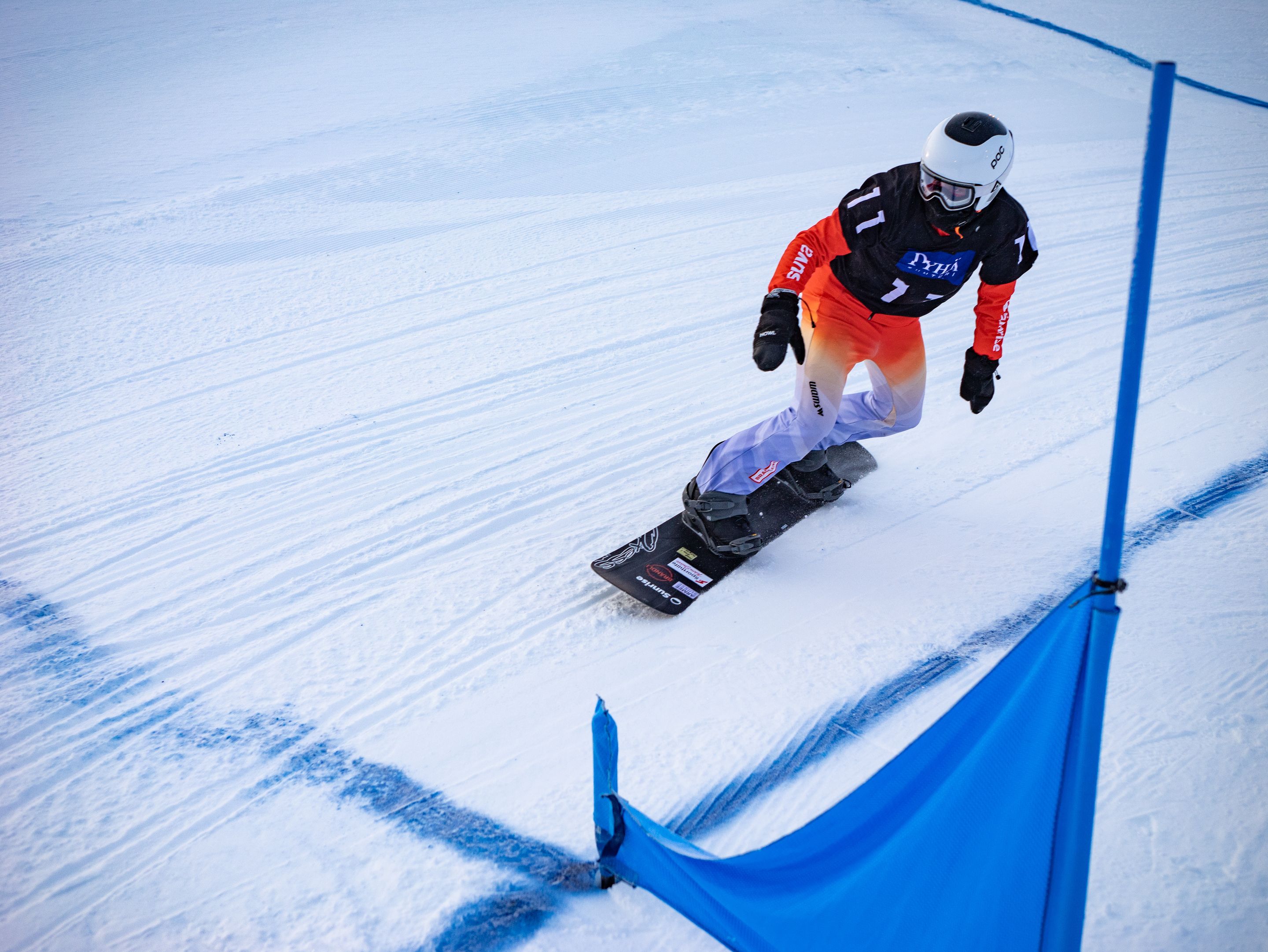
Alex "Chumpy" Pullin remains one of the most transformative figures in the history of international snowboarding. As a two-time world champion and three-time Olympian, he defined the aggressive, technical precision required for the high-stakes discipline of snowboard cross (SBX), while simultaneously leaving an enduring cultural legacy as an athlete who bridged the gap between professional sports and authentic, life-embracing mountain living.
The Early Trajectory of a Prodigy
Born in Mansfield, Victoria, Australia, in 1987, Alex Pullin’s connection to the snow was innate. Growing up in the shadow of Mount Buller, he spent his formative years immersed in an environment that prioritized technical proficiency over mere speed. Unlike many of his contemporaries who transitioned from freestyle, Pullin developed a holistic approach to the mountain. His early training was defined by the unique challenge of Australian terrain, which often forced him to master varying snow conditions—from deep, heavy powder to the icy, compact surfaces of competitive courses.
By the time he burst onto the international FIS (Fédération Internationale de Ski) circuit, his style was distinct. He displayed a level of board control that allowed him to maintain speed through technical sections where others were forced to brake or adjust. This foundational talent was not merely about raw athleticism; it was about the nuanced understanding of edge pressure, a skill that would later become his professional signature.
Mastering the Discipline of Snowboard Cross
Snowboard cross is arguably the most volatile discipline in winter sports. It requires four to six riders to navigate a course filled with jumps, berms, rollers, and drops simultaneously. The complexity of the sport lies in the unpredictable nature of the field—contact is common, and racing lines are dictated as much by the positioning of competitors as by the geometry of the course.
Pullin’s competitive philosophy was rooted in "fluid dominance." He viewed the course not as a series of obstacles to be cleared, but as a path to be flowed through. His back-to-back world championship titles in 2011 (La Molina) and 2013 (Stoneham) were not flukes; they were the results of a meticulous preparation process. He worked closely with his team to refine his equipment, specifically focusing on base structure and wax profiles that could perform across the wide range of temperatures encountered on the World Cup tour.
Technical Proficiency and Equipment Strategy
Pullin was known for his analytical approach to board setup. In the high-speed environment of professional SBX, a fraction of a second is the difference between a podium finish and elimination in the qualification heats. He recognized that the evolution of board technology was moving faster than the sport’s regulatory standards, and he became an advocate for tighter control over equipment safety.
| Feature | Importance in Snowboard Cross | Pullin’s Approach |
|---|---|---|
| Edge Tune | High – critical for grip on icy corners. | Aggressive, sharp, and consistent. |
| Base Wax | High – determines glide through flats. | Scientific testing based on humidity. |
| Board Flex | Medium – dictates maneuverability. | Stiff enough for speed, soft for stability. |
| Stance Width | High – impacts balance and response. | Wide for stability in high-G turns. |
The Human Element: Life Beyond the Bib
Beyond the race track, Pullin was a man of diverse interests that fundamentally shaped his performance as an athlete. He was a proficient musician and a lover of the ocean, often splitting his time between the slopes and the coast. This cross-training—the balance of the intense focus of snowboarding with the rhythmic, adaptive nature of surfing—allowed him to maintain a unique psychological edge.
His personality was characterized by a rare combination of intensity and approachability. In a professional landscape often dominated by high-pressure, ego-driven rivalries, Pullin cultivated a reputation for humility. He was frequently seen mentoring younger riders, offering technical advice to competitors from other nations, and championing the growth of snowboarding in Australia. This mentorship was not a public relations gesture; it was a reflection of his belief that the sport was at its best when the field was highly competitive and physically healthy.
Transitioning to Mentorship and Advocacy
As his career progressed toward the latter half of the 2010s, Pullin’s focus shifted significantly toward athlete welfare and safety standards. He understood that the inherent risks of SBX were rising alongside the increasing speeds of the courses. Throughout his final years of competition, he was a vocal participant in discussions with the FIS regarding course design and safety, particularly the spacing of features and the implementation of higher safety barriers.
His legacy is not just the medals in his trophy case, but the structural influence he had on how the sport is managed today. By articulating the risks faced by elite riders, he paved the way for more rigorous course inspections that remain a standard requirement in 2026.
The Tragic Loss and the Aftermath
In July 2020, Pullin’s life was cut short in a tragic underwater incident while spearfishing at Palm Beach on the Gold Coast. His death sent shockwaves through the global sporting community. For the snowboarding world, it represented the loss of a mentor, an innovator, and a beacon of the sport’s "soul" era.
In the years following, the community has honored his memory through various initiatives, including continued support for the programs he helped establish for young Australian snowboarders. His life serves as a study in how an individual can dominate a niche sport through technical mastery while maintaining a deep, grounded connection to the community and environment.
Frequently Asked Questions
What made Alex Pullin’s riding style unique in competition?
Pullin was characterized by his "fluid dominance." Unlike riders who prioritized aggressive, high-risk maneuvers, he maintained incredible speed by choosing lines that minimized loss of momentum in technical sections, demonstrating superior edge control that allowed him to navigate crowded courses with surgical precision.
How did Alex Pullin influence modern snowboard cross safety?
He was a consistent advocate for athlete safety in his later career. He actively lobbied international governing bodies for safer course designs, emphasizing the need for more consistent snow conditions and smarter feature spacing to reduce the likelihood of high-speed collisions, which remains a cornerstone of current FIS protocols.
Did Pullin’s background in surfing impact his snowboarding?
Yes, many analysts and peers noted that his surfing background played a significant role in his spatial awareness and balance. The ability to read the movement of the ocean translated into his ability to react to the unpredictable movements of other riders on a snowboard cross course.
How are his achievements currently viewed in the landscape of 2026?
He is regarded as the architect of modern Australian snowboarding. His two world championship titles and consistent top-tier finishes on the World Cup circuit established a standard of excellence that future generations of athletes are measured against, cementing his status as a legendary figure in the discipline.
Was he involved in equipment development?
Pullin was deeply invested in the technical aspects of his gear. He spent considerable time working with technicians on wax configurations and board geometry, always seeking the optimal balance between high-speed stability and the maneuverability required for tight, technical corners.
Moving Forward: Remembering the Legend
To truly understand the story of Alex Pullin is to recognize that his career was not defined by a single race or a single championship, but by a consistent pursuit of mastery. For those currently involved in competitive winter sports, or those simply inspired by his journey, the takeaway is clear: the highest level of performance is achieved only when technical skill is balanced with a genuine passion for the environment and the community.
As we look at the sport of snowboard cross today, his influence is still embedded in the way races are organized and in the technical approach taken by the world’s elite riders. His story remains a testament to the fact that legends are not created by the hardware they collect, but by the standards they set and the lives they touch throughout their journey.