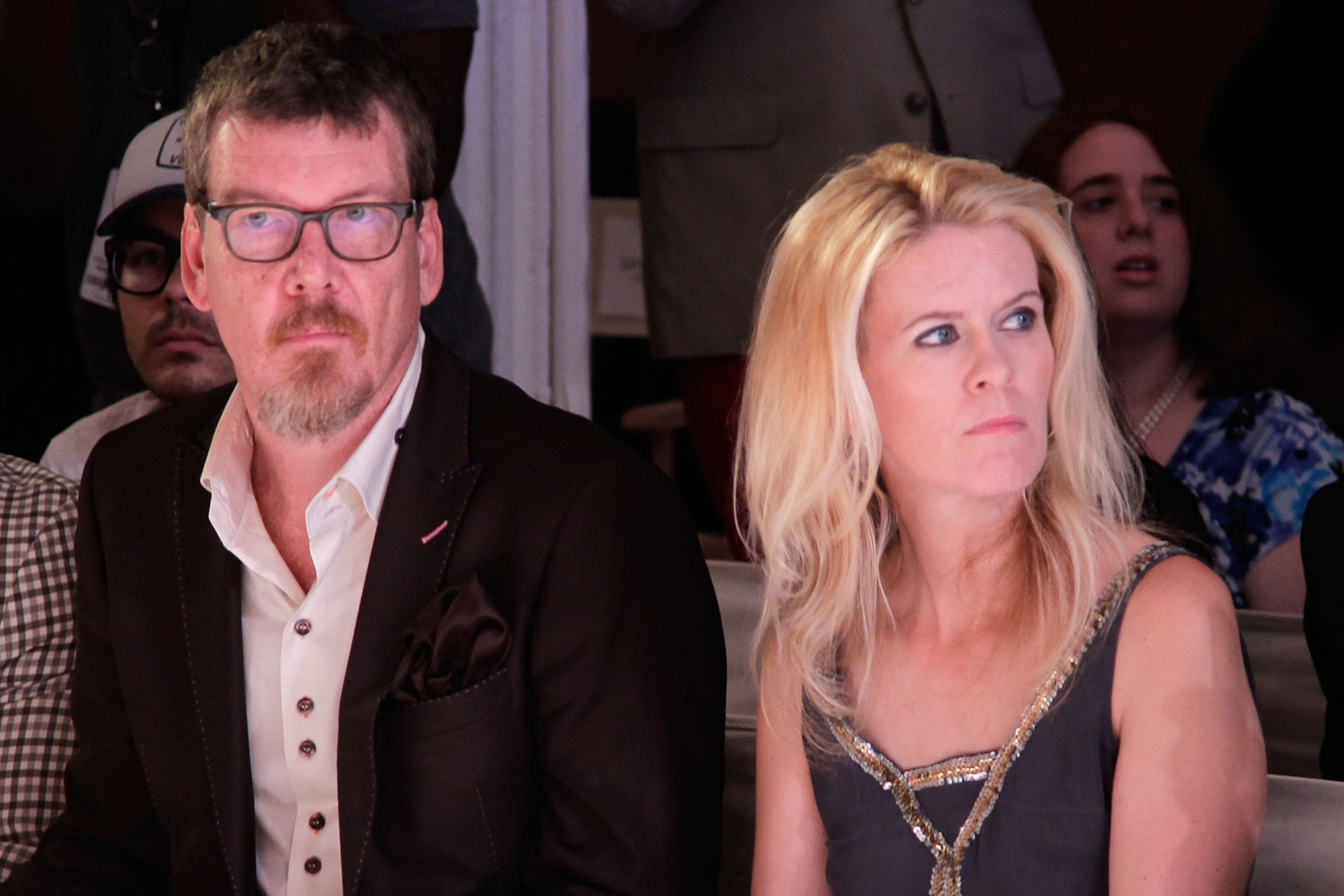
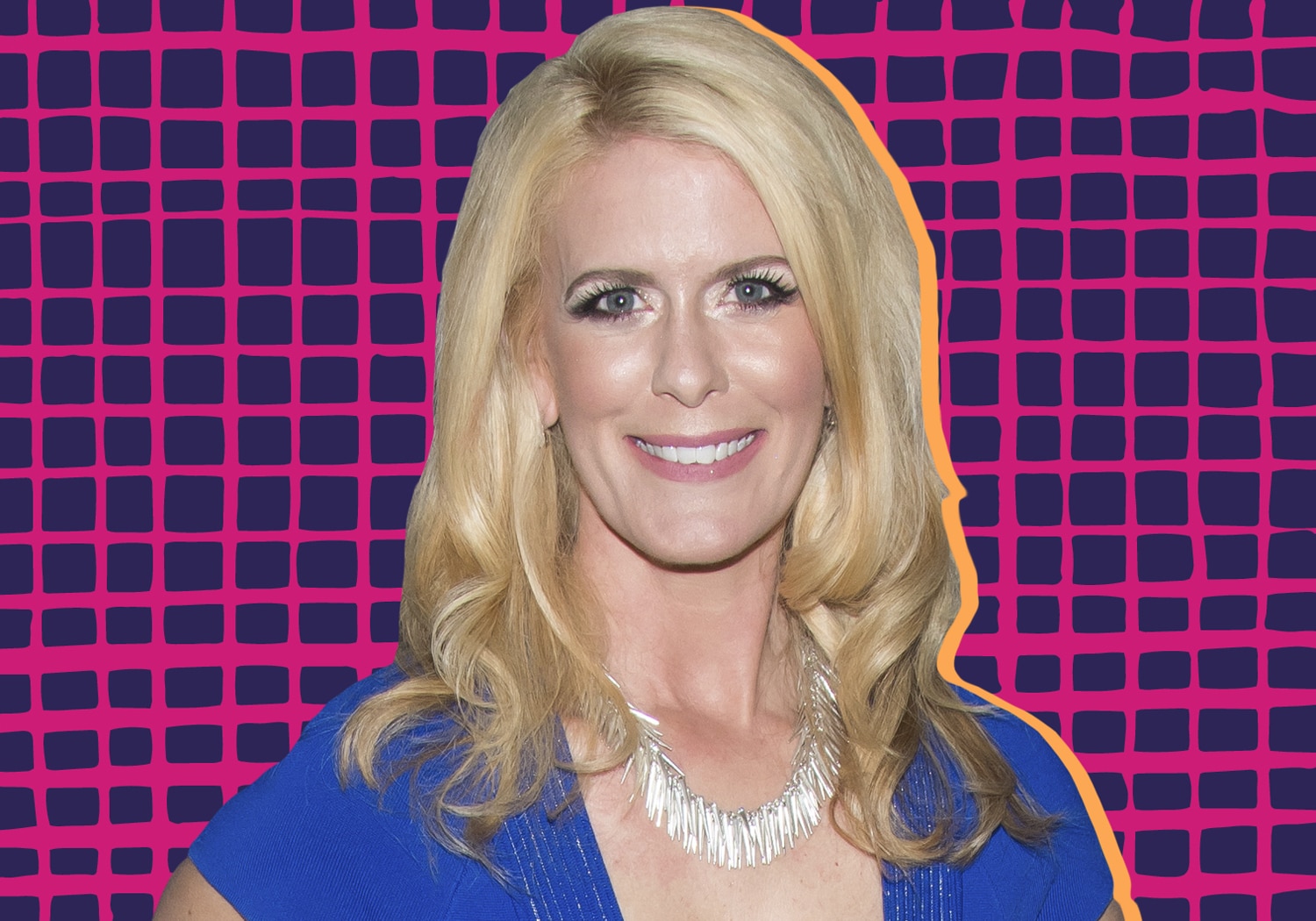
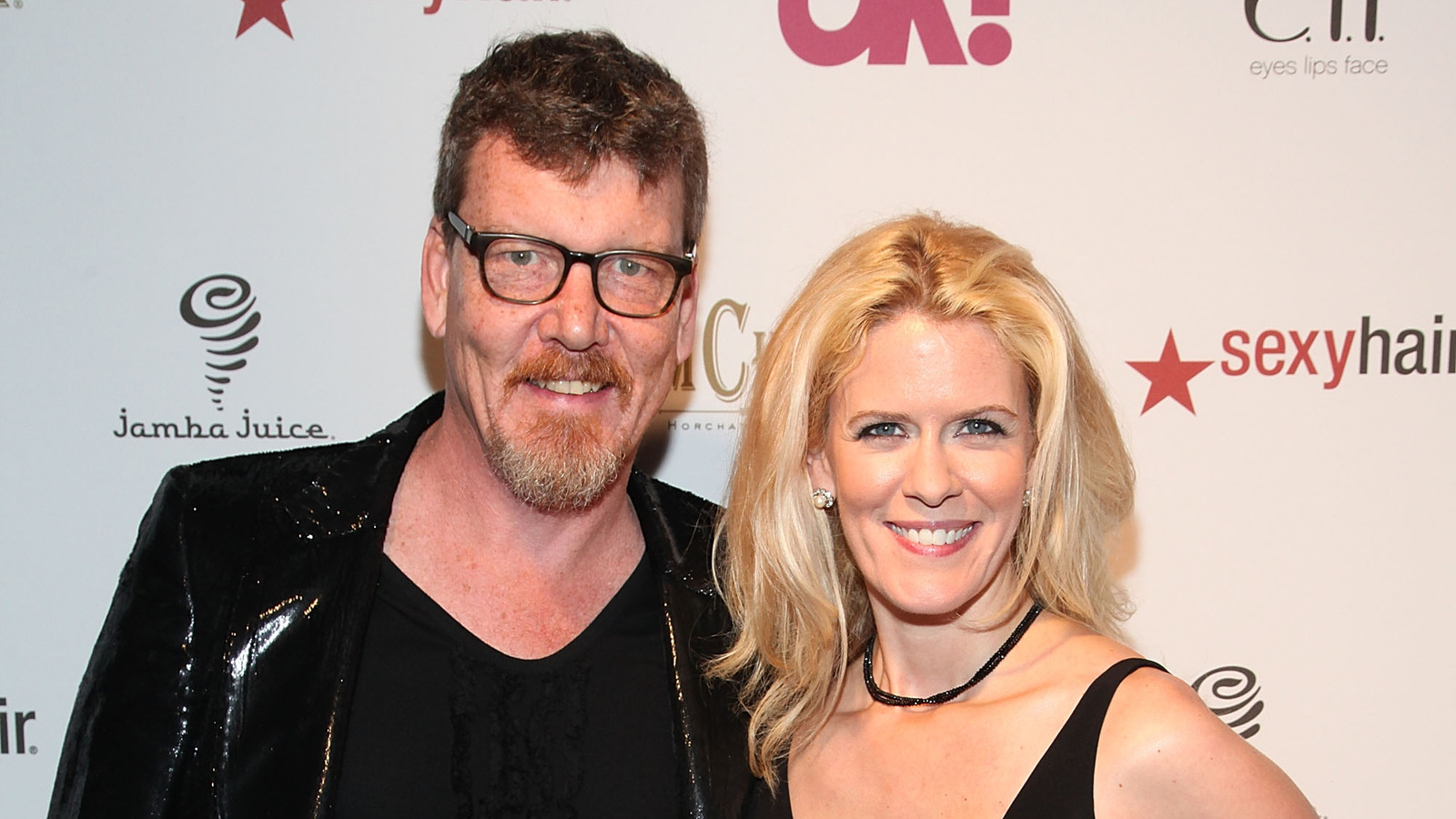
Alex McCord remains one of the most polarizing and intellectually unique figures to emerge from the original era of the reality television franchise. As an original cast member of The Real Housewives of New York City (RHONY) during its formative seasons, she traded standard reality TV theatrics for high-concept fashion risks, psychological evaluations of her peers, and a candid look inside her Brooklyn brownstone renovation. From her memorable red leather pants and unvarnished emotional outbursts to her subsequent pivot toward a full-time academic career in psychology, McCord's trajectory offers a fascinating case study in reality television longevity and intentional reinvention.
The Origins and Impact of Alex McCord on Early Real Housewives
When The Real Housewives of New York City premiered on Bravo in 2008, the casting landscape of reality television was vastly different. Producers sought women who epitomized a hyper-specific brand of Manhattan wealth, status, and social striving. Alex McCord, alongside her husband Simon van Kempen, did not fit neatly into the traditional Upper East Side mold. Residing in an unrenovated Brooklyn brownstone rather than a pristine cooperative apartment, the couple approached the social ecosystem of elite New York with a distinct academic detachment blended with unabashed theatricality.
McCord's early seasons established her as a polarizing voice. While other cast members focused on charity galas and society hierarchy, McCord and van Kempen often appeared as a synchronized unit, analyzing the psychological underpinnings of group dynamics on camera. This intellectualized approach alienated some of her co-stars, most notably Jill Zarin and Kelly Bensimon, setting the stage for some of the franchise's most enduring conflicts. Yet, this very detachment gave her a longevity that proved valuable as public fascination with the franchise evolved.
Analyzing Alex McCord's Boldest Moments on Television
Throughout her four-season run on RHONY, McCord delivered several iconic moments that transcended standard television drama, permanently securing her place in pop culture history. These moments were defined by an unusual mix of earnest vulnerability and startling unorthodoxy, frequently leaving both her castmates and viewers stunned.
The Red Leather Pants and Fashion Ambitions
Perhaps no single visual sums up McCord's early television persona quite like her signature red leather trousers. Worn during a cast trip and subsequent social outings, the pants became a focal point of ridicule among her castmates, who questioned her styling choices relative to Manhattan elite standards. McCord defended her choices with an earnest commitment to self-expression, demonstrating a thick skin that would become her hallmark.
The Scary Island Psychodrama
During the infamous Season 3 cast trip to the U.S. Virgin Islands—widely known as "Scary Island"—McCord arrived midway through the trip after a brief separation from the group. Stepping into an escalating psychological crisis involving Kelly Bensimon and the remaining cast, McCord acted as an unexpected Greek chorus. Her confrontation with Jill Zarin upon arrival, marked by the famous declaration that Zarin was "roasting in hell" (or orchestrating elaborate social maneuvers), marked a turning point where McCord shifted from peripheral target to central narrative force.
The Opera Singing and Creative Pursuits
Before and during her television tenure, McCord pursued various creative endeavors, including amateur acting and an ill-fated foray into opera singing. Her vocal coaching sessions and home practice segments provided a window into her unapologetic embrace of unconventional artistry, further separating her from the conventional high-society tropes of her peers.
Timeline of Alex McCord: From Reality Star to Academic
Understanding McCord requires examining the distinct phases of her personal and professional life, stretching from her pre-television career through her Bravo tenure and subsequent international relocation.
| Era / Year Range | Life Stage / Professional Phase | Key Milestones and Events |
|---|---|---|
| Late 1990s – 2007 | Corporate & Early Media | Worked in visual merchandising and e-commerce for brands like Victoria's Secret and Tiffany & Co.; met Simon van Kempen. |
| 2008 – 2011 | Reality Television (RHONY) | Starred in Seasons 1 through 4 of The Real Housewives of New York City; published a book with van Kempen in 2010. |
| 2014 – Present | Academic Relocation & Psychology | Relocated with her family to Byron Bay, Australia; pursued formal education, earning degrees in psychology. |
Life After Bravo: Relocation to Australia and Psychology Career
Following her departure from The Real Housewives of New York City after Season 4, McCord and her family made the definitive choice to step away from the American television spotlight. In 2014, McCord, van Kempen, and their two sons permanently relocated to Byron Bay, Australia, where van Kempen originally hailed from. This move marked a clean break from the public relations circuit and tabloid culture that defined her years in New York.
In Australia, McCord underwent a profound professional reinvention. She enrolled in university to study psychology, ultimately completing degrees that allowed her to practice as a registered psychologist. This career shift reflects the analytical tendencies she frequently displayed on reality television, transforming a conversational hobby of psychoanalyzing her castmates into a rigorous, clinical discipline. Media appearances became rare, limited mostly to retrospective interviews or special anniversary features where she reflected on her reality television past with humor and perspective.
Latest News and Retrospective Cultural Legacy
As of 2026, McCord remains a beloved figure in the digital fandom of the Bravo universe, frequently celebrated in retrospective podcasts, social media fan edits, and pop culture essays. While she did not participate in the Real Housewives Ultimate Girls Trip spin-offs that brought back other legacy cast members, her footprint on reality television remains robust. Current discussions surrounding her legacy focus on how ahead of her time she was in understanding the fourth wall of reality television, often weaponizing self-awareness long before it became a standard survival tactic for modern ensemble casts.
Frequently Asked Questions
Why did Alex McCord leave The Real Housewives of New York City?
McCord departed the franchise following the conclusion of Season 4 in 2011. While network decisions and shifting cast dynamics played a role, McCord and her family subsequently chose to step back from the intense media scrutiny of New York City, eventually leading to their permanent relocation to Australia.
What is Alex McCord's current profession?
McCord works as a registered psychologist. After moving to Australia, she pursued higher education in psychology and completed her degrees, successfully transitioning away from the entertainment industry into clinical practice.
Is Alex McCord still married to Simon van Kempen?
Yes, McCord and Simon van Kempen remain married. The couple, who were famously inseparable during their time on RHONY, relocated to Australia together and continue to raise their two sons out of the public spotlight.
Did Alex McCord ever return to television?
Aside from occasional interview segments, retrospective specials, and podcast appearances discussing her time on Bravo, McCord has largely declined to return to regular reality television, focusing instead on her academic and clinical career in psychology.
Where does Alex McCord live now?
McCord lives in Byron Bay, New South Wales, Australia. The family moved there in 2014, trading the fast-paced urban environment of Brooklyn for a coastal lifestyle.
Next Steps for Fans and Researchers
For those examining the structural evolution of reality television or the cultural history of early 2000s docuseries, McCord's tenure on RHONY offers valuable insights into media framing and personal branding. Researchers and pop culture analysts can explore archived Bravo episodes, retrospective cast interviews, and academic commentaries on parasocial relationships to gain a comprehensive understanding of how early reality stars navigated sudden, intense public exposure.