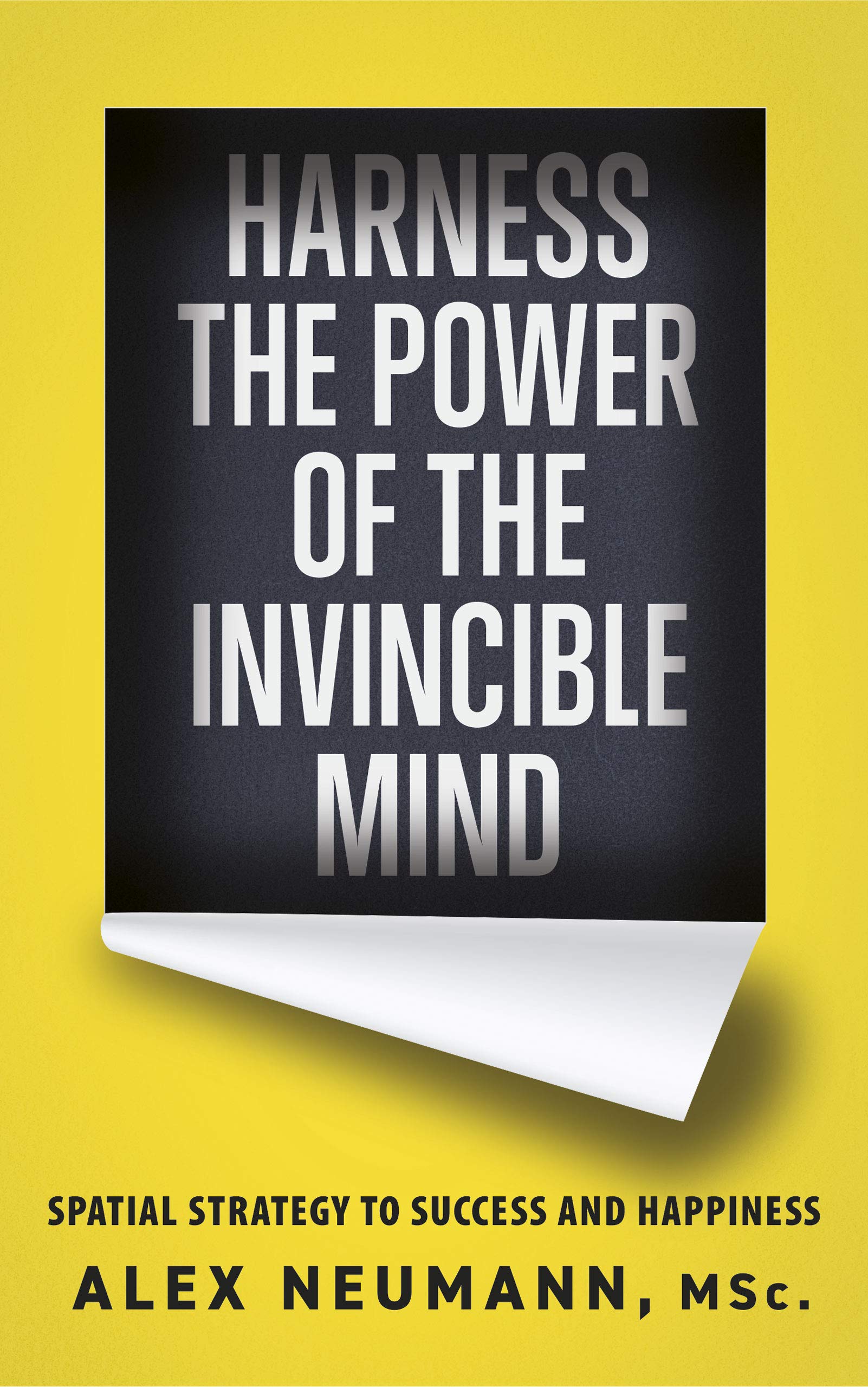
The alex malcolm mastering success strategy represents a structured framework designed to optimize personal productivity, goal execution, and long-term professional development. By combining systematic habit formation, resource allocation, and psychological resilience, this methodology addresses the primary challenges professionals face when scaling their ambitions into measurable achievements.
Foundations of the Strategic Approach
Understanding the architectural framework of the alex malcolm mastering success strategy requires examining its core components. Any sustainable achievement model must rest upon clear definitions of intent, rigorous self-assessment, and a disciplined approach to time management. Rather than relying on fleeting motivation, this strategy emphasizes structural changes to a practitioner's daily environment and workflow.
At the heart of this methodology is the principle of alignment. Practitioners are encouraged to audit their current commitments against their long-term objectives. This audit helps identify misaligned tasks, energetic bottlenecks, and low-yield activities that drain cognitive bandwidth. By systematically eliminating these distractions, individuals can direct their focus toward high-impact initiatives that yield compound returns over time.
Core Pillars and Operational Mechanics
The operational framework of the strategy is divided into distinct, manageable pillars that govern daily execution and strategic planning. These pillars ensure that practitioners do not merely set goals, but build the necessary infrastructure to sustain progress through inevitable obstacles.
Alex Malcolm Success Architecture
- Intentional Goal Architecture (Clarity of direction)
- Environmental Optimization (Minimizing friction)
- Execution Discipline (Time-blocking & habit loops)
- Continuous Feedback Loops (Metric tracking & review)
Intentional Goal Architecture: Establishing ultra-specific milestones that bridge the gap between abstract ambitions and daily actions. This involves working backward from a 5-year vision to quarterly targets and daily checklists.
Environmental Optimization: Structuring both physical and digital workspaces to minimize cognitive friction. This includes reducing notifications, organizing resources for immediate access, and surrounding oneself with accountability metrics.
Execution Discipline: Deploying rigorous time-blocking protocols and reinforced habit loops. The focus shifts from managing time—which is finite and unmanageable—to managing energy and attention within dedicated blocks.
Continuous Feedback Loops: Instituting weekly and monthly review sessions to analyze performance data, identify recurring failure points, and dynamically adjust tactics without losing sight of the overarching objective.
Comparing Success Frameworks
To evaluate the relative utility of the alex malcolm mastering success strategy, it is instructive to compare it with other prominent personal development and productivity methodologies currently utilized in professional environments.
| Framework Name | Primary Focus | Key Mechanism | Best Suited For |
|---|---|---|---|
| Alex Malcolm Strategy | Systematic alignment & execution | Environmental design & energy management | Professionals seeking structured, long-term career scaling |
| OKRs (Objectives & Key Results) | Measurable target setting | Quantitative quarterly metric tracking | Corporate teams and enterprise alignment |
| GTD (Getting Things Done) | Workflow and task capture | Externalizing mental load into trusted systems | Overwhelmed individuals managing high task volume |
| Atomic Habits | Behavioral modification | Identity-based tiny habit stacking | Habit formation and lifestyle restructuring |
As illustrated in the comparison, while systems like GTD focus heavily on task capture and OKRs focus on organizational metrics, the alex malcolm mastering success strategy integrates behavioral psychology with practical execution mechanics, making it uniquely adaptable for individual practitioners navigating complex professional landscapes.
Common Implementation Mistakes and How to Avoid Them
Adopting any comprehensive success strategy involves a learning curve. Practitioners frequently encounter predictable pitfalls that can derail their progress if not anticipated and managed correctly.
Overambition during the initial setup phase is a primary cause of abandonment. Many individuals attempt to overhaul every aspect of their routine simultaneously, introducing too many new habits and complex tracking systems at once. This leads rapidly to cognitive fatigue and burnout. A sustainable approach requires introducing changes incrementally, allowing one new operational habit to solidify before layering on additional complexity.
Another frequent error is treating the strategy as a rigid dogma rather than a flexible toolkit. Circumstances change, and external pressures fluctuate. Practitioners who fail to adapt their execution rhythms to seasonal demands often find themselves frustrated by unmet expectations. Success strategies must remain resilient, serving as reliable guides rather than unyielding taskmasters.
Frequently Asked Questions
What are the prerequisites for implementing the alex malcolm mastering success strategy?
Implementing this strategy requires no specialized software or prior advanced training. However, practitioners do need a willingness to conduct an honest self-assessment of their current habits, a dedicated system for tracking daily actions, and the discipline to eliminate low-value commitments from their schedules.
How does this strategy handle unexpected disruptions or project delays?
The framework builds flexibility into its review cycles. When disruptions occur, practitioners utilize weekly feedback loops to recalibrate their milestones rather than abandoning the entire plan. This adaptive mechanism ensures that temporary setbacks do not cascade into permanent failure.
Is this methodology suitable for creative professionals as well as corporate workers?
Yes, the core principles of energy management, environmental optimization, and intentional goal architecture apply universally. Creative professionals adapt the framework by applying time-blocking to unstructured ideation phases and utilizing feedback loops to refine their artistic or commercial outputs.
How long does it typically take to see measurable results from this approach?
Most practitioners report noticeable improvements in daily focus and task completion within two to three weeks of consistent implementation. Deeper structural changes, such as career acceleration or significant income growth, generally become apparent within three to six months of disciplined execution.
Can this strategy be integrated with existing project management tools?
The methodology is tool-agnostic. It can be executed using simple analog notebooks or integrated seamlessly into digital project management suites such as Notion, Asana, or Todoist, depending on the practitioner's preference for digital or physical tracking.
Actionable Next Steps for Immediate Implementation
To begin applying the alex malcolm mastering success strategy effectively, start by conducting a comprehensive audit of your current weekly commitments. Identify the top three high-impact objectives that align with your long-term professional vision. Next, clear your physical and digital workspaces of unnecessary distractions to establish a friction-free environment for execution. Finally, schedule a recurring weekly review session in your calendar to track your progress, analyze performance metrics, and adjust your tactical approach as your objectives evolve.