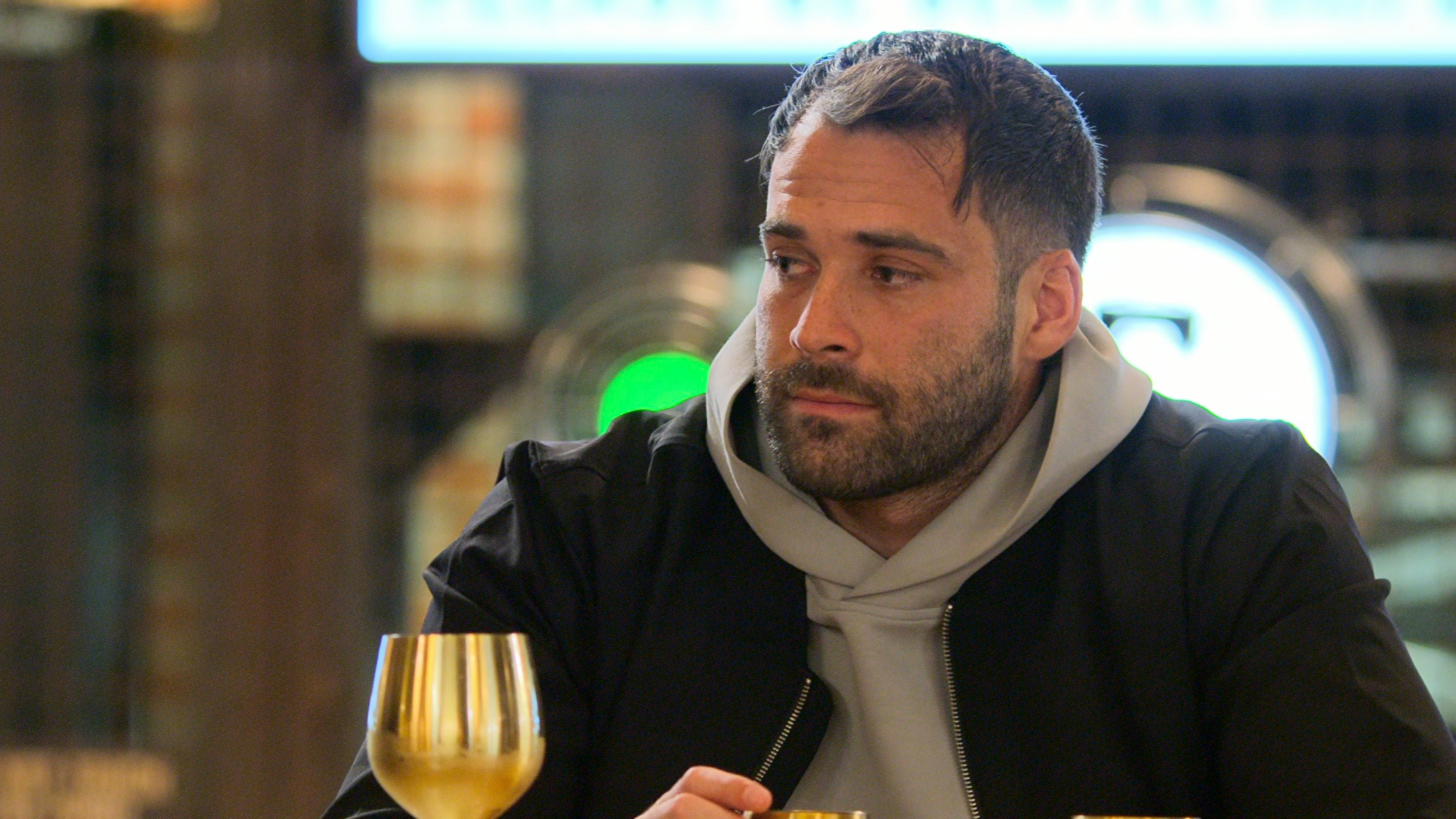
Reality television production often relies on pseudonyms, stage names, or intentional misdirection to manage contestant privacy, build narrative mystery, and protect personal lives before global broadcasting events. When viewers watch popular social experiment series, the curiosity surrounding a participant's background frequently sparks widespread online sleuthing. Sorting through rumors, verified public records, and official show disclosures provides a clear picture of how contestant identities are structured and managed within major streaming franchises.
Understanding Pseudonyms and Contestant Privacy in Reality Television
Reality television casting agencies and major streaming networks implement rigorous protocols regarding personal data, legal names, and public disclosure timelines. Before a series premieres, participants sign extensive non-disclosure agreements and media coaching contracts that dictate how they are presented to the viewing public. These measures protect both the participants and the production company from premature spoilers, targeted harassment, and legal liabilities.
For many cast members, using a preferred name, a middle name, or a modified version of their legal identity helps establish a distinct television persona. This separation between private life and public entertainment creates an intentional boundary. When internet communities attempt to trace a participant's lineage, career history, or legal documentation, they often encounter varying layers of privacy protection designed to shield private citizens from immediate digital exposure.
Investigating the Background and Context of Alex from Love Is Blind
The fascination with participant backgrounds intensifies when a cast member presents a unique persona or generates significant discussion across social media platforms. In the context of the Love Is Blind franchise, identifying specific individuals requires cross-referencing official promotional materials released by streaming distributors, verified social media handles, and public business registries.
Production teams often edit footage to highlight specific relationship dynamics, sometimes compressing weeks of intense pod conversations into tightly focused narrative arcs. Consequently, viewers see a heavily curated version of each participant. Researching an individual's background involves looking past the television edit to examine professional credentials, educational history, and public records that establish their identity outside the soundstage.
Verified Public Records Versus Online Speculation
Internet forums and social media detective work frequently generate unverified rumors regarding reality television participants. Distinguishing between substantiated facts and digital speculation requires adherence to primary documentation, such as corporate filings, marriage licenses, professional licensing boards, and official network press releases.
| Source Type | Reliability Level | Typical Information Provided | Verification Utility |
|---|---|---|---|
| Official Network Releases | High | Approved cast bios, ages, occupations | Confirms production-sanctioned identity |
| Public Business Registries | High | Legal names, LLC registrations, corporate officers | Establishes verified legal identity and business history |
| Social Media Discussion Boards | Low to Moderate | Unverified claims, leaked rumors, anecdotal sightings | Requires corroboration from official records |
| Professional Portfolios | High | Career history, certifications, employment records | Verifies reported occupations and professional background |
When examining claims about a participant's real name or hidden identity, consulting public business registries or state licensing databases often yields concrete answers. Many public-facing professionals maintain corporate entities or professional licenses under their legal names, leaving a verifiable paper trail that clarifies discrepancies between a television moniker and official documentation.
Navigating the Legal and Ethical Boundaries of Reality TV Research
The urge to uncover hidden details about reality television personalities raises important ethical questions regarding digital privacy and online harassment. While public curiosity is a natural byproduct of mass-market entertainment, crossing the line into doxxing or investigating private family members violates platform terms of service and standard ethical guidelines.
Production companies intentionally withhold certain personal details to safeguard the mental health and safety of cast members who are thrust into the global spotlight overnight. Respecting these boundaries ensures that public discourse remains focused on the entertainment value of the social experiment rather than intrusive investigations into private lives.
Summary of Identity Verification Steps
- Review official press releases and casting announcements provided directly by the streaming distributor.
- Cross-reference professional profiles and public business registries to identify verified legal names and corporate associations.
- Evaluate social media claims against primary documentation rather than relying on unverified forum speculation.
- Maintain respectful digital boundaries that prioritize participant safety and privacy.
Frequently Asked Questions
Do reality TV contestants use fake names on the show?
Contestants rarely use entirely fabricated identities, but they frequently use preferred names, middle names, or professional monikers rather than their full legal names. Production teams review and approve all names used on screen for consistency and branding purposes.
Why do viewers search for contestants' real names?
Viewers often seek additional background information out of curiosity regarding a participant's career, past public appearances, or personal history to better understand the dynamics portrayed on screen.
Are reality television bios accurate?
Network-issued biographies are generally accurate regarding age and general occupation at the time of filming, though they may be summarized or streamlined for television broadcast formats.
How do non-disclosure agreements affect contestant privacy?
Non-disclosure agreements legally bind participants from revealing plot outcomes, production secrets, or specific personal details before authorized broadcast windows open, ensuring narrative suspense is maintained.
Where can verified information about reality cast members be found?
Verified information is best sourced from official network announcements, authenticated social media accounts managed by the participants, and public records such as business filings or professional registries.
Next Actions for Following Reality TV Cast Updates
For viewers interested in following the post-show trajectories of reality television participants, the most reliable approach is to monitor verified social media channels and official press updates from the streaming network. Avoiding unverified third-party rumor sites ensures access to accurate, up-to-date information regarding participant career developments and public appearances.