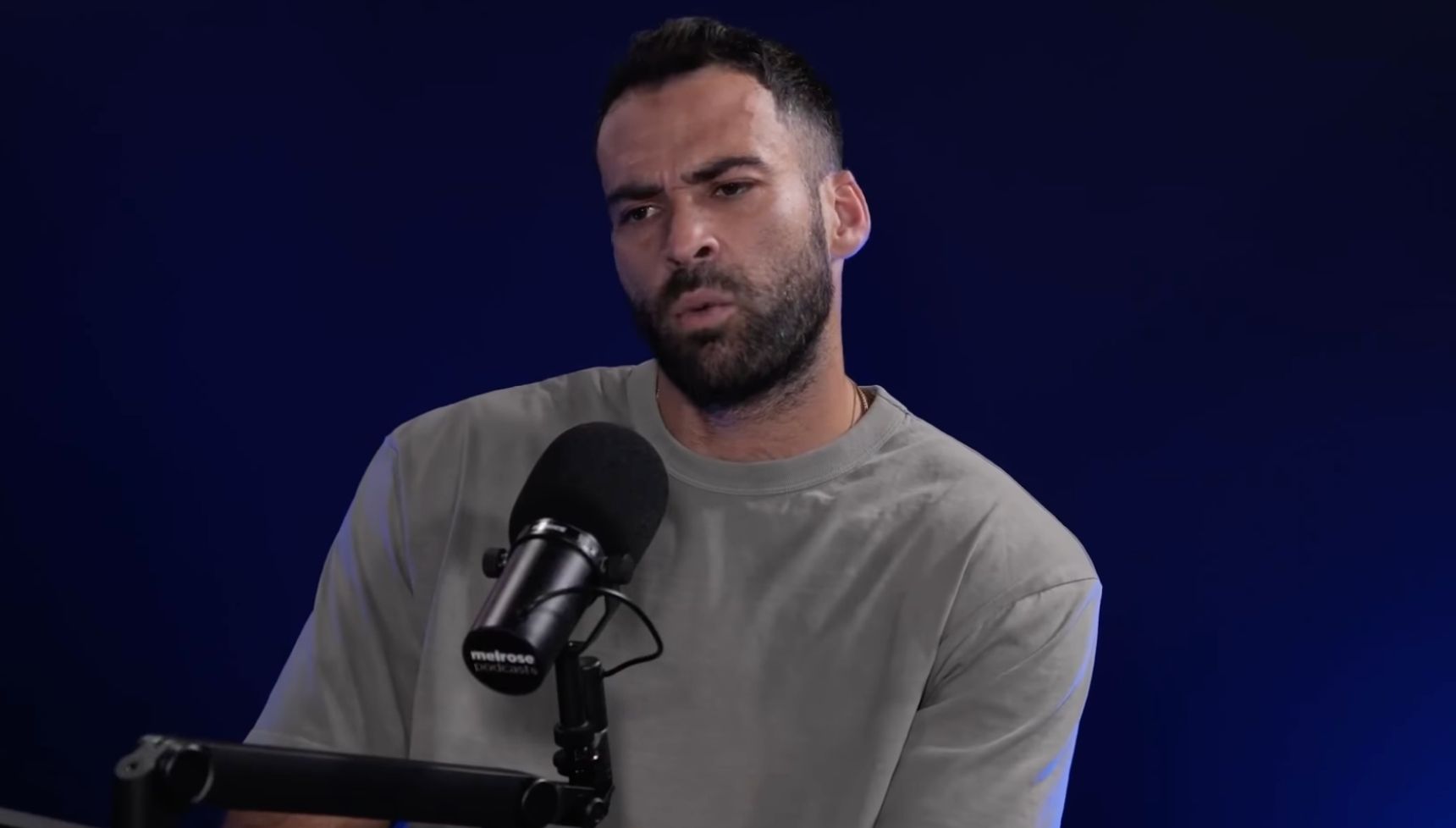
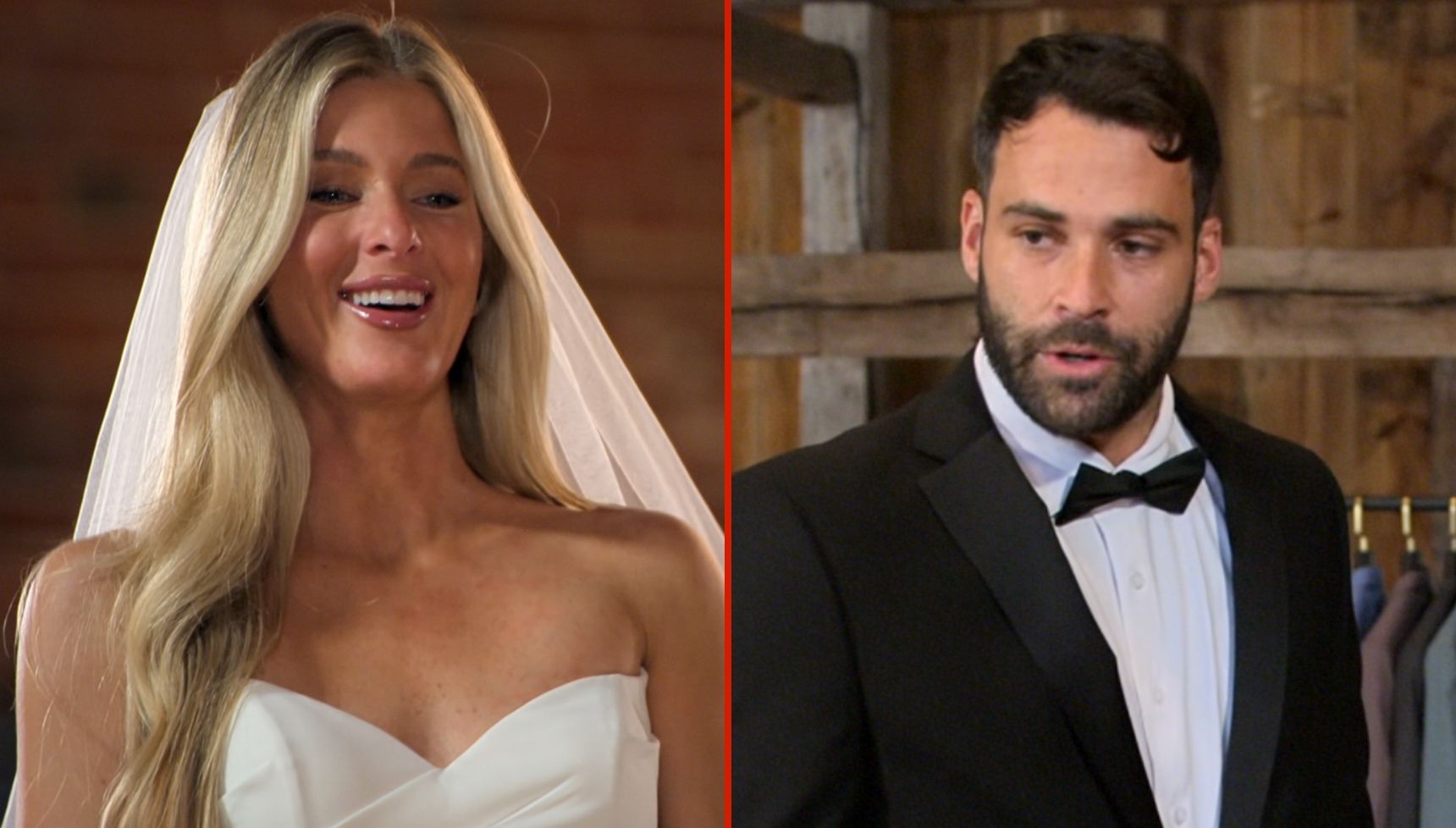
The public curiosity surrounding reality television contestants often extends far beyond on-screen drama, leading audiences to examine professional networking platforms like LinkedIn to understand their real-world careers, educational backgrounds, and public visibility. When reality television personalities step into the spotlight, their existing digital footprints—ranging from corporate employment history to university affiliations—undergo intense public scrutiny. This intersection of unscripted entertainment and professional identity creates unique visibility dynamics, where ordinary career profiles suddenly become subjects of widespread public interest, speculation, and digital discovery.
Understanding the mechanics of professional visibility requires analyzing how personal branding shifts when an individual gains sudden, mainstream media exposure. Participants who enter social experiments or reality television formats often maintain active professional lives, balancing corporate positions, entrepreneurial ventures, or specialized trades with the demands of public production cycles. When these individuals appear on programs like the widely discussed relationship series, viewers frequently search for their LinkedIn accounts to verify employment claims, examine past career trajectories, and explore their professional competencies outside the television environment.
The Intersection of Reality Television and Professional Identity
The phenomenon of reality television visibility has evolved significantly alongside the expansion of digital networking platforms. In earlier eras of unscripted programming, cast members could more easily maintain a strict separation between their personal entertainment appearances and their day-to-day employment. Today, the ubiquity of search engines and professional indexes ensures that a person's digital footprint is easily accessible to millions of viewers within hours of a broadcast. This creates a delicate balance for working professionals who choose to participate in high-visibility media projects.
For professionals featured in popular dating and social experiments, maintaining a public LinkedIn profile serves dual, sometimes conflicting, purposes. On one hand, a robust professional profile is essential for career progression, networking, and industry credibility. On the other hand, sudden mainstream exposure can inundate a standard professional profile with unwanted traffic, connection requests from strangers, and speculative messages from fans or media outlets. Consequently, individuals often evaluate their privacy settings, optimize their headline text, or temporarily adjust their public visibility features to manage the sudden influx of attention.
Balancing Career Transparency and Personal Privacy
When a cast member's name becomes a trending search term, their professional background becomes vulnerable to misinterpretation. Viewers often attempt to connect on-screen behaviors or statements with a person's real-world occupation, sometimes leading to unfair judgments or unwarranted workplace scrutiny. To mitigate these risks, platform users frequently utilize built-in privacy tools. LinkedIn provides granular controls that allow individuals to manage who views their email address, phone number, and detailed activity feeds, protecting sensitive professional relationships from the noise of viral entertainment culture.
Furthermore, employers and human resources departments increasingly monitor the public conduct of employees who enter the public eye. While most modern organizations recognize that employees are entitled to personal lives and outside pursuits, a sudden surge in media attention can prompt internal reviews regarding corporate communications policies or brand alignment. Professionals navigating this transition must carefully weigh the benefits of maintaining an active, open network against the necessity of safeguarding their daily working environment from external disruption.
Examining Profile Background Elements and Career Trajectories
A standard professional profile on major networking directories typically comprises several core components: the headline, summary, work experience timeline, educational credentials, and endorsed skills. In the context of media personalities, these sections provide verifiable context regarding an individual's career trajectory before, during, and after their television appearances. Examining these elements allows observers to separate manufactured television narratives from verifiable professional achievements.
The work history section is particularly revealing, as it outlines promotions, job titles, and tenure within specific industries. Whether a participant works in corporate sales, software engineering, marketing, or medical services, their career path often reflects specialized training and rigorous professional standards. Understanding these backgrounds provides a grounded perspective on individuals who are otherwise portrayed primarily through the highly edited lens of reality television production.
| Profile Component | Typical Information Displayed | Relevance to Public Visibility |
|---|---|---|
| Headline | Current job title, company name, or professional specialty | Serves as the first impression for profile visitors and search algorithms. |
| Experience Timeline | Historical record of past employment, roles, and responsibilities | Verifies career claims and demonstrates professional stability or growth. |
| Education | Universities attended, degrees earned, and graduation years | Highlights foundational academic training and institutional affiliations. |
| Skills & Endorsements | Vouched-for technical and interpersonal competencies | Provides insight into specific job-related proficiencies and peer validation. |
Managing Public Visibility and Search Engine Optimization Dynamics
The mechanics of search engine optimization (SEO) heavily influence how public figures appear on professional networks. When a specific name trends across digital platforms, search engines rapidly index corresponding professional profiles, often placing them near the top of search result pages. This algorithmic elevation means that a person's employment history and professional certifications become instantly visible to anyone typing their name into a web browser.
For individuals navigating this surge in digital discovery, understanding visibility settings is critical. LinkedIn permits users to customize their public profile visibility, determining whether their full profile, a truncated summary, or no information at all appears in external search engine results. Adjusting these parameters helps balance the desire for professional networking opportunities against the need for personal boundaries during periods of intense media exposure.
Strategic Considerations for Public Profiles
- Customizing Public URL: Many professionals streamline their profile URLs to maintain a clean, professional aesthetic when their names are shared publicly.
- Controlling Activity Broadcasts: Users often disable notifications for minor profile updates to prevent every minor edit from triggering alerts across their professional network during high-visibility periods.
- Managing Recommendations and Endorsements: Reviewing peer recommendations ensures that testimonials remain professional, relevant, and free from inappropriate references to unscripted television appearances.
Practical Steps for Reviewing and Securing Professional Profiles
For individuals who find themselves suddenly thrust into the public eye, taking proactive control of their digital presence is an essential operational task. Whether managing a personal account or advising clients on digital reputation management, a systematic approach helps maintain professional integrity while mitigating the risks associated with sudden viral visibility.
- Audit Current Privacy Settings: Navigate to the account settings panel to review who can view connections, email addresses, and profile updates. Restrict visibility to immediate connections or verified colleagues if broader exposure is unnecessary.
- Review Headline and Summary Language: Ensure that profile headlines accurately reflect current career focus without incorporating sensationalized or entertainment-oriented phrasing that could distract from professional qualifications.
- Evaluate Connection Requests: Exercise caution when accepting new connection requests from unfamiliar accounts, particularly during periods of active media broadcast when spam and curiosity-driven requests spike significantly.
- Monitor Content and Activity Feeds: Limit public posting, commenting, or reacting on contentious topics during media cycles to prevent misconstrued statements from impacting professional standing.
Frequently Asked Questions
Can anyone view a professional profile on LinkedIn without an account?
Yes, depending on the user's privacy settings and public visibility configurations, basic profile details, work history, and educational background may be visible to anyone using a standard web search engine without requiring an active account login.
Do reality television participants typically change their profile settings during a broadcast?
Many participants adjust their visibility settings, limit direct messaging permissions, or temporarily restrict public access to their profiles to manage the sudden influx of traffic, inquiries, and media attention that accompanies broadcast schedules.
How does sudden media exposure impact a person's employment standing?
While most employers maintain clear boundaries between personal pursuits and professional duties, sudden high-visibility appearances can prompt human resources reviews or require employees to navigate internal communications policies regarding public representation.
What is the most effective way to secure a professional network profile against unwanted traffic?
Users can enhance their account security by enabling two-factor authentication, restricting profile visibility to registered network members, hiding their email address and phone number, and turning off broadcast notifications for profile edits.
Strategic Professional Management
Navigating the intersection of mainstream entertainment and professional networking requires a deliberate, security-conscious approach. By understanding how public visibility algorithms operate and utilizing the granular privacy controls available on platforms like LinkedIn, individuals can protect their careers while maintaining essential professional connections. Prioritizing profile accuracy, managing outbound communications, and establishing clear boundaries remain the most effective methods for preserving long-term professional credibility amidst temporary media attention.