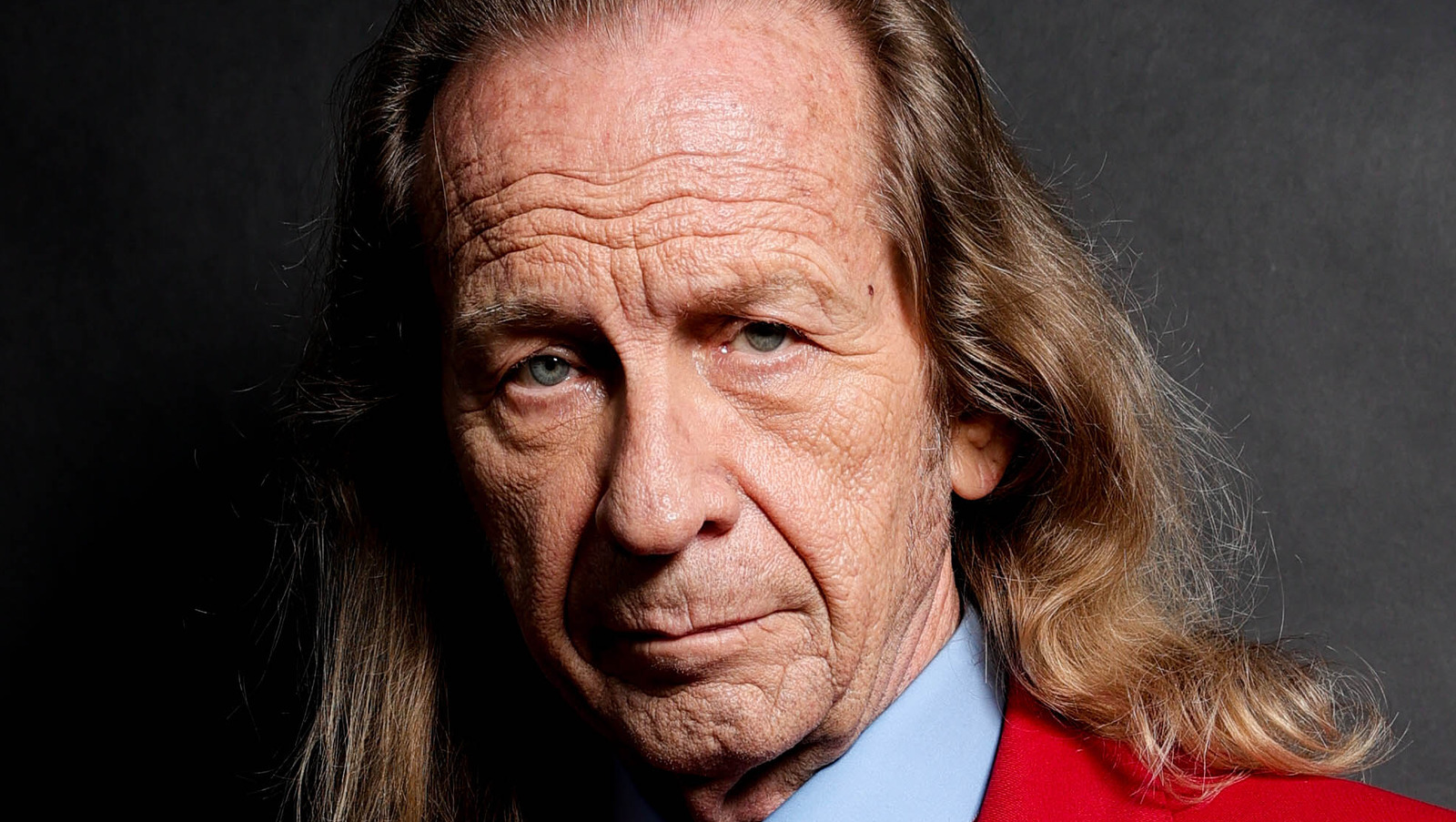
Alex Koehler has built a distinguished reputation in the contemporary visual arts and commercial photography sectors, prompting persistent public interest in his financial portfolio. While private individuals in the creative industry rarely publish audited balance sheets, financial analysts and media profiles estimate his net worth to fall within the range of $1 million to $5 million, driven by high-value commercial commissions, fine art sales, licensing agreements, and industry partnerships.
Evaluating the Financial Ecosystem of Professional Photography
Assessing the financial standing of a working photographer requires looking past simple per-project rates into a complex business ecosystem. Professional photography income rarely stems from a single revenue stream. Instead, established creators like Alex Koehler rely on a diversified portfolio model that balances commercial client contracts with intellectual property management.
Commercial commissions often provide the most consistent capital influx. Brand campaigns, corporate advertising, and editorial spreads for high-profile publications command premium day rates, which can range from thousands to tens of thousands of dollars depending on the scope of production, crew requirements, and usage rights. Furthermore, licensing agreements allow photographers to generate ongoing residual income. When an image is licensed for global advertising campaigns, book covers, or stock distribution, the creator retains copyright ownership and collects royalties or usage fees over extended periods.
Fine art prints and gallery representation represent another vital tier of wealth accumulation for renowned photographers. Limited-edition prints sold through galleries or direct-to-consumer channels command high price points based on the artist's market demand, exhibition history, and print scarcity. Understanding these mechanics explains how creative professionals translate artistic output into sustainable long-term financial assets.
Primary Revenue Streams Contributing to Wealth Accumulation
The financial valuation of a modern commercial and fine art photographer relies heavily on specific, repeatable monetization channels. Deconstructing these streams provides a clearer picture of how capital flows into a professional practice.
- Commercial Brand Partnerships: Collaborations with major corporate entities, fashion houses, and lifestyle brands yield large-scale contracts that cover creative direction, shooting, and post-production.
- Editorial Commissions: Assignments for leading magazines and digital publications enhance industry prestige and drive secondary commercial interest, even if editorial day rates are traditionally lower than advertising fees.
- Fine Art Sales and Exhibitions: Physical prints marketed to collectors, museums, and interior design consultants create high-margin revenue through limited-edition scarcity.
- Licensing and Copyright Management: Retaining ownership of image assets allows creators to monetize past work repeatedly as new licensees purchase usage rights.
| Revenue Stream | Typical Income Model | Market Impact on Net Worth |
|---|---|---|
| Commercial Campaigns | Project-based flat fees or day rates plus licensing | Primary driver of liquid capital and high-volume cash flow |
| Fine Art Prints | Tiered pricing based on edition size and demand | Builds long-term asset value and personal brand equity |
| Image Licensing | Royalties, recurring usage fees, and stock sales | Generates passive income streams from existing portfolio archives |
| Workshops & Mentorship | Registration fees, digital courses, and speaking engagements | Diversifies income and establishes authority within the creator community |
The Impact of Industry Reputation on Earning Potential
In the visual arts, reputation acts as a primary economic multiplier. A photographer who achieves renown within specific niches—such as architectural design, high-end fashion, documentary storytelling, or automotive advertising—can command significantly higher rates than generalist practitioners. This status is cultivated through consistent portfolio delivery, prestigious awards, features in authoritative publications, and endorsements from creative directors.
When corporate clients seek out Alex Koehler for high-stakes campaigns, they are paying not only for technical camera work and lighting execution, but also for risk mitigation and brand alignment. A seasoned professional brings a proven track record of managing complex productions, coordinating large crews, and delivering assets that meet stringent corporate guidelines. This reliability allows top-tier photographers to negotiate favorable contracts that include guaranteed usage fees, expense coverage, and favorable copyright retention terms.
Factoring Overhead, Production Costs, and Business Expenses
An accurate appraisal of net worth must account for the substantial overhead required to maintain a professional photography business. Gross earnings do not equate to net wealth; operating expenses consume a significant percentage of annual revenue.
Professional camera bodies, specialized cinema lenses, lighting modifiers, digital workstations, and color-calibrated monitoring equipment represent a heavy capital expenditure. Furthermore, insurance policies—including equipment floater coverage, general liability, and professional indemnity—are mandatory expenses for commercial operations. Studio rentals, storage solutions for petabytes of high-resolution digital data, travel expenses, and payroll for assistants, digital technicians, and retouchers further diminish gross revenue.
Consequently, a successful photographer's net worth is measured by accumulated assets—such as real estate, investment portfolios, studio equity, and valuable intellectual property archives—rather than gross annual turnover.
Frequently Asked Questions
What is Alex Koehler's estimated net worth?
Financial analysts and industry profiles estimate Alex Koehler's net worth to be between $1 million and $5 million. This figure fluctuates based on the performance of commercial contracts, fine art sales, and the valuation of his copyrighted image archive.
How do renowned photographers primarily make their money?
Renowned photographers generate income through a mix of high-end commercial commissions, fine art print sales, editorial assignments, and ongoing image licensing agreements that pay royalties when photos are reused by third parties.
Why is estimating a photographer's net worth difficult?
Independent photographers operate private businesses rather than publicly traded corporations. Consequently, exact financial statements, profit margins, and personal asset values are not publicly disclosed, leaving analysts to rely on industry benchmarks and market indicators.
Do photographers own the copyright to their work?
Professional photographers typically retain the copyright to their images unless they sign strict work-for-hire contracts. Retaining copyright allows them to license the work repeatedly, which serves as a major source of long-term asset building.
How do business expenses affect a photographer's net worth?
High overhead costs—including expensive camera gear, studio rent, insurance, travel, and digital asset management—reduce gross earnings. True net worth reflects only the accumulated assets and investments remaining after these operational costs are paid.
Navigating Financial Valuations in the Creative Sector
When examining the financial realities of professional creators, it is essential to look beyond speculative internet figures and understand the underlying mechanics of creative entrepreneurship. For individuals tracking industry profiles or evaluating the business models of visual artists, the key takeaway is that sustainable wealth in photography is built through intellectual property ownership, diversified commercial ventures, and rigorous financial management. Aspiring professionals looking to model their careers on established figures should focus on building a robust portfolio, protecting their copyrights, and treating their creative output as a scalable business asset.