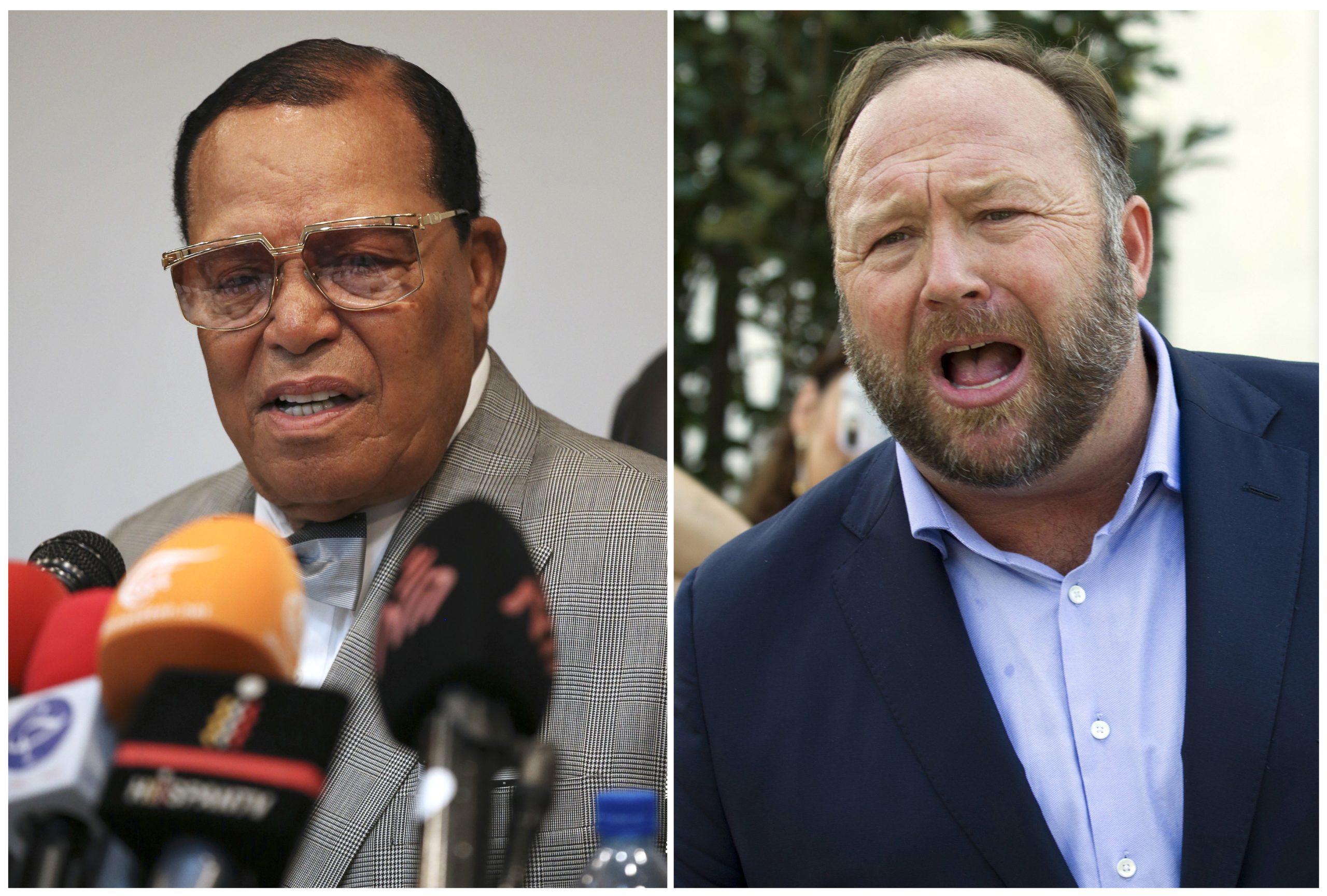
The controversy surrounding Alex Jones and his media platform, InfoWars, centers on years of incendiary broadcasts, conspiracy theories, and targeted harassment that crossed the legal and ethical boundary into actionable hate speech and defamation. This public scrutiny ultimately triggered landmark civil litigation, corporate deplatforming, and a sweeping reevaluation of digital accountability for public figures.
Analyzing the phenomenon of Alex Jones requires examining the intersection of media law, public discourse, and platform moderation. Over nearly three decades, Jones evolved from a fringe radio broadcaster into a prominent alternative media figure. His commentary frequently targeted marginalized groups, government officials, and private citizens, culminating in severe legal liabilities that reshaped how modern information ecosystems handle harmful speech.
Defining the Scope of the Commentary and Controversial Rhetoric
The rhetoric broadcast by Alex Jones and his network historically relied on alternative interpretations of geopolitical events, government overreach, and domestic crises. While political commentary and eccentric theories enjoy broad protections under free speech principles, legal and ethical lines were crossed when rhetoric shifted toward specific, identifiable victims of violence and tragedy.
Central to the controversy was the persistent promotion of conspiracy theories surrounding major historical traumas. The most notable example involved the 2012 mass shooting at Sandy Hook Elementary School in Newtown, Connecticut. Jones repeatedly claimed on air that the tragedy was a hoax orchestrated by the government utilizing crisis actors to advance gun control legislation.
This commentary did not remain abstract political theory. The broadcasted claims subjected grieving families to years of targeted harassment, death threats, and online abuse by followers who believed the conspiracy theories. Legal scholars and civil rights organizations categorize this pattern not merely as offensive speech, but as intentional infliction of emotional distress and targeted defamation.
The Legal Landscape: Defamation, Liability, and Landmark Civil Judgments
The legal consequences for Alex Jones materialized through a series of civil lawsuits filed by defamation victims, most notably the families of Sandy Hook victims. For years, Jones attempted to defend his broadcasts under the umbrella of First Amendment protections, arguing that his commentary constituted hyperbole or political opinion.
However, civil courts dismantled these defenses by establishing actual malice and proving that the statements were presented as factual assertions knowing they were false, or with reckless disregard for the truth. Crucially, during the pretrial discovery phase, Jones and his legal teams failed to comply with court orders to produce financial documents and metrics, leading judges to issue default judgments against him.
These default judgments meant liability was established automatically, leaving juries to determine financial damages. The resulting verdicts imposed staggering financial penalties:
- Texas Verdict (2022): A Texas jury awarded nearly $50 million in compensatory and punitive damages to the parents of one victim.
- Connecticut Verdict (2022): A Connecticut jury subsequently ordered Jones to pay nearly $1.0 billion in damages to multiple families and an FBI agent.
- Additional Proceedings: Further legal actions and bankruptcy proceedings initiated by Jones and his parent company, Free Speech Systems, aimed to restructure or liquidate assets to satisfy creditors and judgment holders.
| Jurisdiction | Plaintiff Group | Approximate Damages Awarded | Primary Legal Basis |
|---|---|---|---|
| Texas State Court | Sandy Hook Parents | $49.3 Million | Defamation, Intentional Infliction of Emotional Distress |
| Connecticut State Court | Sandy Hook Families & FBI Agent | $965 Million | Defamation, Infliction of Emotional Distress, Unfair Trade Practices |
| Federal Bankruptcy Court | Creditors and Judgment Holders | Asset Liquidation | Corporate Restructuring and Debt Resolution |
Digital Deplatforming and the Rise of Content Moderation Policies
Long before the massive financial judgments took effect, Alex Jones faced an unprecedented wave of digital deplatforming. Between 2018 and 2022, major technology companies—including Apple, Facebook, YouTube, Spotify, and Twitter (subsequently rebranded as X)—indefinitely suspended or banned Jones and his associated channels.
This coordinated action marked a pivotal turning point in digital governance. Historically, social media platforms operated under broad immunity provisions, such as Section 230 of the Communications Decency Act in the United States, which shielded platforms from liability for user-generated content. However, mounting public pressure and internal policy updates led companies to reclassify systemic harassment, hate speech, and dangerous misinformation as violations of terms of service.
The deplatforming of InfoWars sparked intense debate regarding digital free speech and corporate censorship. Critics of the bans argued that removing prominent controversial figures from private infrastructure sets a dangerous precedent for silencing dissenting political opinions. Conversely, supporters of the platforms argued that private corporations possess both the legal right and the ethical obligation to enforce community standards, protecting users from targeted harassment, defamation, and malicious falsehoods.
Societal Implications and the Ongoing Debate Over Free Speech
The fallout from the Alex Jones controversy extends far beyond a single broadcaster, serving as a case study for the vulnerabilities of modern media consumption. The proliferation of alternative media ecosystems allows unsubstantiated claims to bypass traditional journalistic gatekeepers, reaching vast audiences with minimal editorial friction.
This dynamic forces a complex societal balancing act. On one hand, liberal democracies fiercely protect robust, uninhibited debate, recognizing that government censorship of unpopular ideas is inherently perilous. On the other hand, the real-world harms demonstrated by targeted harassment campaigns reveal that unrestricted speech can cause severe psychological, physical, and reputational damage to private citizens.
Legal frameworks continue to adapt to these digital-era challenges. Courts have demonstrated a willingness to hold media personalities financially accountable when speech crosses the threshold into actionable defamation and intentional infliction of emotional distress. Simultaneously, civil society organizations continue to emphasize media literacy as a critical tool for helping audiences evaluate the credibility of online information sources.
Frequently Asked Questions
What specific claims did Alex Jones make that caused the controversy?
Alex Jones repeatedly asserted on his broadcast that the 2012 Sandy Hook Elementary School shooting was a staged event involving actors, and that the grieving families were participants in a government conspiracy to enact stricter gun control laws.
How did the defamation lawsuits against Alex Jones succeed?
The lawsuits succeeded because plaintiffs proved that Jones made false statements presented as fact, acted with reckless disregard for the truth, and caused severe emotional distress. Furthermore, default judgments were entered against Jones because his legal teams failed to comply with court-mandated discovery orders.
What was the total financial impact of the legal judgments against Jones?
Juries in Texas and Connecticut ordered Jones to pay damages exceeding $1.4 billion combined. These judgments led to federal bankruptcy proceedings for both Jones and his parent company, Free Speech Systems, to determine asset liquidation and debt distribution.
Why were Jones and InfoWars banned from major social media platforms?
Technology companies banned Jones for repeatedly violating terms of service regarding hate speech, harassment, and the promotion of dangerous misinformation that incited harassment against private citizens and grieving families.
Does the First Amendment protect broadcasters from defamation claims?
No. While the First Amendment provides robust protections for political commentary and opinion, it does not protect defamatory falsehoods presented as fact, targeted harassment, or intentional infliction of emotional distress.
What is the broader significance of the Alex Jones case for digital media?
The case serves as a benchmark for platform accountability, demonstrating the legal and financial risks associated with monetizing harmful misinformation and proving that digital publishers can be held strictly liable for defamatory broadcast content.
Navigating Information Integrity and Media Literacy
For researchers, legal professionals, and digital consumers, evaluating the lessons of the Alex Jones controversy requires a commitment to rigorous verification and critical analysis. When engaging with alternative media, consumers should cross-reference extraordinary claims with primary documentation, verified court records, and consensus reporting from established journalistic institutions. Recognizing the distinction between robust political debate and malicious defamation remains essential for preserving public discourse while protecting individuals from targeted harm.