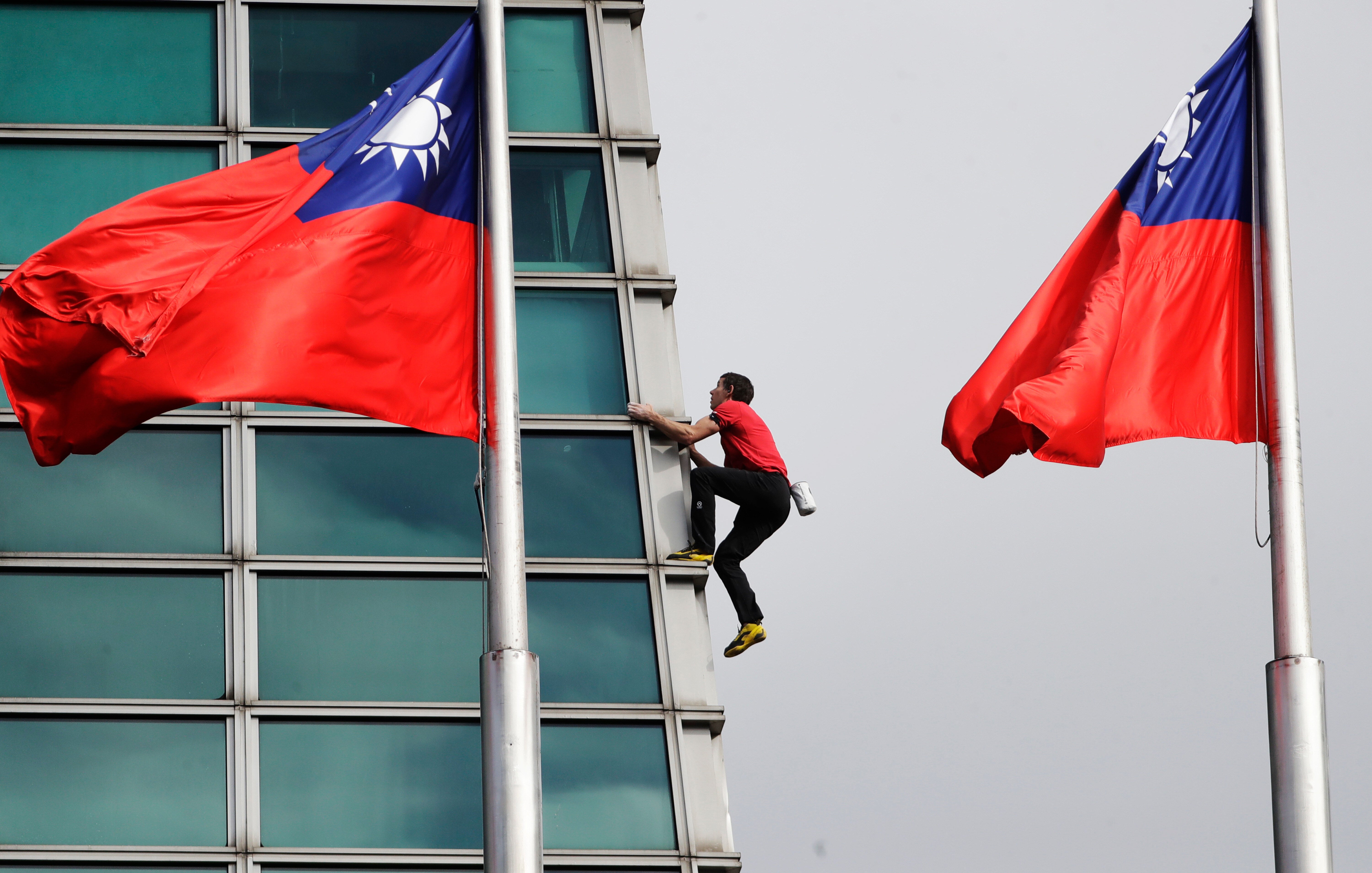
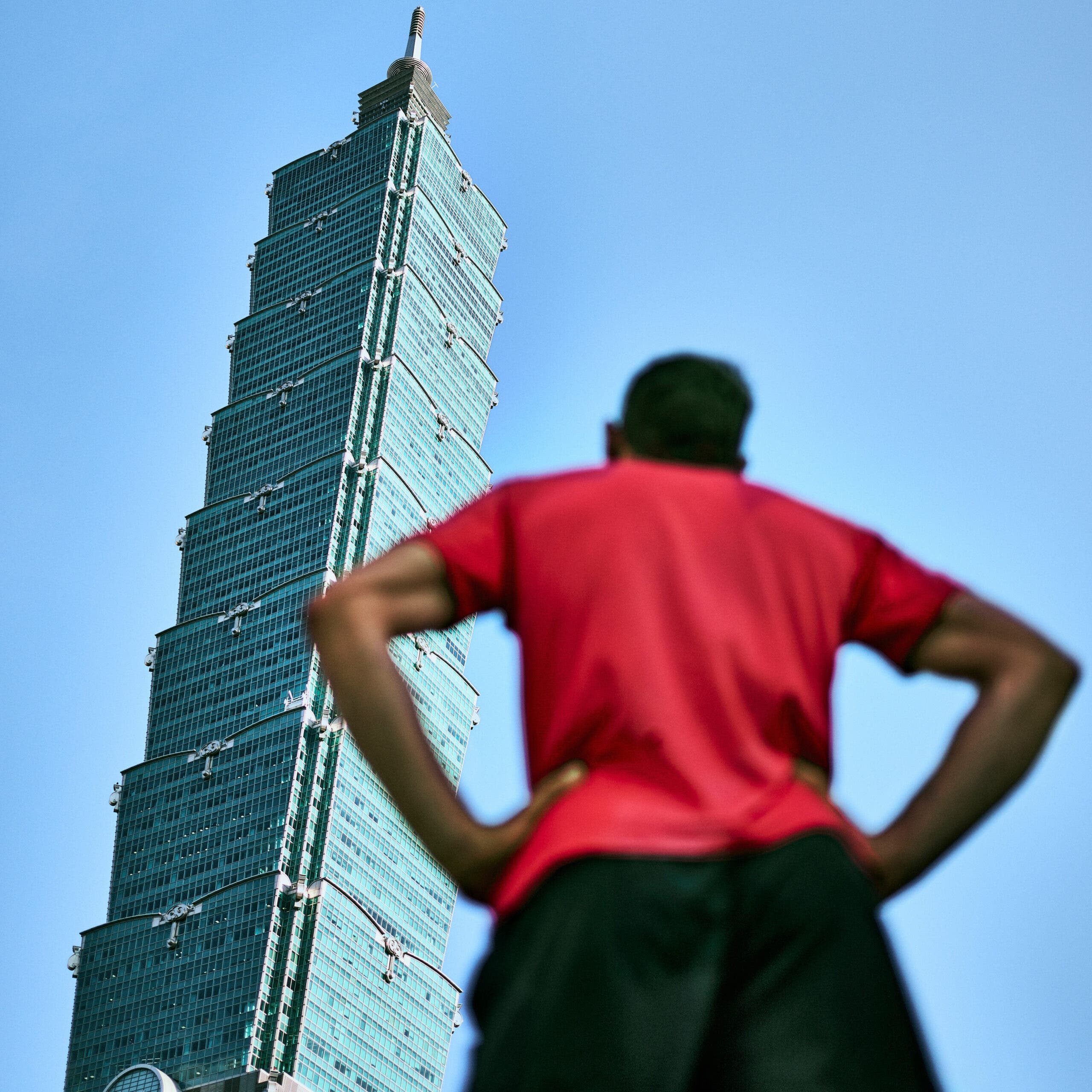
Alex Honnold’s name is synonymous with the absolute pinnacle of free solo climbing, an uncompromising discipline where a single misstep means certain death. When conversations turn to the prospect of an Alex Honnold Taiwan skyscraper ascent—referencing iconic architectural marvels like Taipei 101—the discussion moves past standard mountaineering into the realm of urban free soloing, engineering marvels, regulatory compliance, and extreme physical endurance. This potential vertical adventure bridges the gap between natural rock faces and hyper-engineered urban monoliths, capturing the global imagination through the sheer audacity of scaling man-made glass and steel.
To understand the mechanics, risks, and cultural footprint of such a high-profile urban climbing venture, one must examine the intersection of elite mountaineering techniques, architectural restrictions, and the public safety protocols governing the world's tallest buildings. While traditional rock faces present natural holds, friction variations, and unpredictable weathering, a modern skyscraper introduces smooth glass panels, structural steel joints, window-washing tracks, and strict municipal jurisdictions that completely alter the climbing landscape.
The Evolution of Urban Free Soloing and Architectural Ascents
Urban climbing, sometimes referred to as building climbing or "human fly" stunts, has a long history that predates modern extreme sports. However, the discipline shifted radically with the professionalization of free soloing and the advent of high-definition documentary production. When athletes scale urban skyscrapers without ropes, the technical challenges diverge significantly from scaling granite walls like El Capitan in Yosemite National Park.
Natural rock offers micro-edges, friction cracks, and predictable geological formations shaped over millennia. In contrast, a modern skyscraper is a masterpiece of modern civil engineering, optimized for wind resistance, aesthetic minimalism, and energy efficiency. The exterior skin of a supertall building typically features reinforced glass, anodized aluminum mullions, and smooth composite panels. For an elite climber, these architectural elements provide exceptionally sparse, highly uniform handholds and footholds that demand absolute precision, supreme finger strength, and unwavering psychological control.
Furthermore, urban ascents carry unique environmental variables. High-altitude wind tunnels created by surrounding urban canyons can destabilize a climber in ways that open-air mountain walls rarely duplicate. Atmospheric pressure, temperature differentials on reflective glass surfaces, and the sheer psychological pressure of thousands of spectators and media outlets amplify the complexity of urban vertical adventures.
Technical Demands of Scaling a Supertall Megastructure
Attempting to free solo a building of the scale of Taipei 101 requires an exhaustive breakdown of structural engineering, biomechanics, and specialized training protocols. Standing at over 500 meters, Taipei 101 is an architectural icon engineered to withstand typhoons and earthquakes through the use of a massive tuned mass damper suspended near its core. Its exterior features a distinctive postmodernist pagoda-like structure with recurring volumetric modules, which offer potential horizontal and vertical transition points for an experienced climber.
| Architectural Feature | Engineering Purpose | Climbing Implications |
|---|---|---|
| Glass Curtain Walls | Thermal insulation and weather sealing | Zero friction; requires suction or edge-mullion reliance |
| Aluminum Mullions | Window frame structural support | Primary vertical and horizontal micro-edges for grip |
| Outrigger Trusses | Load distribution and wind resistance | Potential rest stations and structural overhangs |
| Tuned Mass Damper | Seismic and wind stabilization | Internal marvel; invisible from exterior climbing path |
| Maintenance Tracks | Window-washing and facade access | Occasional mechanical attachment points or ledges |
The absence of traditional holds means that climbers must rely heavily on friction climbing, smearing on glass surfaces where permitted by surface texture, and executing precise finger-locks or edge-pinches on the narrow aluminum mullions that divide glass panes. The physical toll on the forearm flexors, calves, and core muscles is exponential compared to standard rock climbing due to the vertical continuity and lack of natural resting ledges.
Regulatory, Legal, and Logistical Hurdles in Urban Environments
Beyond the physical and technical obstacles, executing a high-profile vertical adventure on a major international landmark involves navigating a dense web of legal frameworks, municipal permits, and security protocols. Unlike remote mountain ranges where access is governed primarily by park permits and weather windows, urban skyscrapers are private commercial assets situated within heavily populated metropolitan districts.
- Jurisdictional Approvals: Securing official permission from building management, corporate boards, and municipal governments is exceptionally rare. Most skyscraper owners enforce strict liability waivers and security perimeters to prevent unauthorized trespassing and stunt climbing.
- Public Safety and Crowd Control: An open climb on a famous skyscraper immediately draws massive crowds, disrupting traffic, emergency services, and daily commerce. Law enforcement agencies must establish robust perimeter controls to manage public safety.
- Insurance and Liability: The financial and legal ramifications of an accident on a commercial property introduce insurmountable insurance liabilities for building operators, making sanctioned commercial partnerships difficult to secure.
- Environmental and Weather Constraints: Urban microclimates demand precise meteorological forecasting. High-altitude wind shears and sudden precipitation can render smooth glass surfaces instantly lethal, requiring strict adherence to operational weather windows.
Media Production, Cultural Impact, and the Ethics of Exposure
The intersection of extreme sports and mainstream media has transformed feats of vertical daring into global cultural events. Documentaries capturing extreme free solo ascents rely on sophisticated camera rigs, drone cinematography, and long-range telephoto lenses to document the action without interfering with the climber's safety or concentration.
However, high-profile urban ascents also ignite intense ethical debates regarding public imitation, urban safety, and the glamorization of high-risk behavior. Critics often argue that publicizing skyscraper free soloing encourages untrained amateurs to attempt dangerous stunts on urban structures, risking public safety and emergency responder resources. Conversely, proponents emphasize the artistic, athletic, and exploratory value of pushing human physical boundaries within modern architectural spaces, viewing the skyscraper not merely as a commercial office building, but as the modern equivalent of a sheer cliff face.
Managing Risk and Psychological Endurance in Extreme Vertical Spaces
The core differentiator between elite climbers and those who fail in extreme environments is psychological regulation. In a free solo scenario, panic is a fatal contaminant. Athletes must master controlled breathing techniques, cognitive reframing, and intense spatial awareness to manage the overwhelming sensory input of exposed heights.
- Visual Field Management: Climbers learn to narrow their focus strictly to the immediate micro-holds within their direct field of vision, effectively tuning out the dizzying drop and urban sprawl below.
- Energy Conservation: Pacing is vital. Moving too quickly leads to lactic acid buildup and pump in the forearms; moving too slowly prolongs exposure to fatigue and environmental variables.
- Mental Rehearsal: Elite practitioners meticulously visualize every single move, transition, and potential point of failure long before leaving the ground, building a robust psychological blueprint of the route.
Frequently Asked Questions
Has Alex Honnold officially climbed Taipei 101?
No official, publicly sanctioned free solo ascent of Taipei 101 by Alex Honnold has ever taken place. While urban exploration and building ascents by other independent stunt climbers have occurred on various global structures over the years, Honnold’s professional career remains primarily anchored in traditional rock and big-wall free soloing, most famously culminating in his historic rope-free ascent of El Capitan’s Freerider route in Yosemite.
Why are skyscrapers more difficult to climb than natural rock?
Skyscrapers feature manufactured materials such as engineered glass and smooth aluminum panels that lack the natural friction, porous texture, and varied geological formations found on granite or limestone rock faces. This forces climbers to rely on extremely narrow structural mullions and specialized friction techniques.
What are the legal consequences of unauthorized skyscraper climbing?
Unauthorized climbing of commercial skyscrapers typically constitutes trespassing, reckless endangerment, and violation of municipal ordinances. Perpetrators frequently face immediate arrest, heavy fines, criminal charges, and civil liability lawsuits from building owners for disrupting business operations.
How do documentary film crews capture skyscraper climbs safely?
Crews utilize a combination of specialized long-range cine-lenses from ground level, certified rigging professionals positioned on roof maintenance platforms, and stabilized drone units operated under strict regulatory clearances to capture high-definition footage without obstructing the climber.
What physical conditioning is required for extreme vertical adventures?
Athletes require extraordinary grip strength, high tendon durability in the fingers and forearms, exceptional core stability, and superior cardiovascular endurance to sustain hours of continuous muscular tension without adequate resting platforms.
Strategic Next Steps for Urban Mountaineering Enthusiasts
For those inspired by the daring vertical adventures showcased in modern documentary media, pursuing safe and legal engagement with climbing requires a structured progression. Rather than attempting unauthorized urban stunts, aspiring climbers should build fundamental skills in controlled environments:
- Begin with Indoor Bouldering: Develop baseline finger strength, body positioning, and dynamic movement mechanics in a regulated climbing gym environment.
- Transition to Outdoor Sport Climbing: Learn rope management, anchor building, and safety systems under the guidance of certified mountain guides on natural rock faces.
- Study Engineering and Architecture: Deepen your understanding of structural design, facade mechanics, and legal building access regulations to appreciate the full complexity of urban spaces safely.
- Prioritize Safety and Compliance: Always respect private property rights, environmental conservation laws, and municipal safety statutes when exploring vertical landscapes.